

Thanks to the team at Filmed In Malta, I am delighted to share and analyse two archive newspaper reports from The Times of Malta dated 1971 and 1973, which shed some light on Gerry Anderson’s visits to Malta during the filming of both The Protectors and The Investigator. They are revealing glimpses into the shift in Gerry Anderson’s career, as well as the British film industry as a whole during the early 1970s.
The story begins in 1971. While the future of the Anderson-produced series UFO was hanging in the balance, the newly formed Group Three Productions was asked by Lew Grade and ITC to shoot a new series called The Protectors. The series would shoot across Europe in as many glamorous locations as possible. Gerry Anderson’s role as co-producer on the live-action crime fighting series, made him responsible for ensuring his cast and crew could move from country to country smoothly.
The location filming for The Protectors was extensive. In the previous decade, ITC’s predecessors to The Protectors such as The Saint or Danger Man had depicted a number of stories unfolding across Europe, but only rarely did filming actually take place on the continent. Due to the fast turnaround needed on a high volume of episodes, not to mention the budgetary restrictions, European cities were usually only presented on-screen through stock footage, stunning replica sets, or locations around the UK with the right European flavour – such as Portmeirion in Wales doubling for the Mediterranean.
By 1971, when shooting started on The Protectors, the British economy was one factor which motivated film crews to reconsider the benefits of shooting abroad for real. Thanks to inflation and the power of the unions, it was becoming prohibitively expensive to shoot anything in the UK, plunging the British film industry into a challenging period. Meanwhile, previously unspoiled countries in mainland Europe were enjoying the benefits of mass-tourism for the first time. Flying to the actual Mediterranean was almost as convenient and affordable as shuffling along the motorway to Wales and attempting to make Portmeirion look sunny. So, filming on location with a foreign crew (unencumbered by British union regulations and the high cost of living) meant that mainland Europe could provide more bang for your buck… or your pound sterling, I suppose. Lower costs, combined with lightweight 16mm film equipment made shooting a series like The Protectors in a different European city every week a viable project.
With all that being said, it was by no means an easy task for a producer like Gerry to coordinate such an ambitious shoot, and he discovered that some countries were easier to work in than others. Language barriers and uncooperative local authorities, on top of the usual issues presented to a television producer like bad scripts, temperamental stars, and cashflow problems, all added up to give Gerry Anderson something of a headache during The Protectors.
However, over the course of shooting across Europe, there were some countries that Gerry came to favour over others. According to an interview with columnist Leslie Summers in November 28, 1971’s edition of The Sunday Times of Malta, Gerry Anderson found the island of Malta an ideal destination to conduct the business we call show:
THE SUNDAY TIMES OF MALTA, NOVEMBER 28, 1971 page 19
Leslie’s Summers’ column
GERRY ANDERSON INTERVIEWED
GERRY Anderson, best known for his puppet creations in TV series like “Thunderbirds”, but who has infact [sic] produced some 500 TV films, including “UFO”, the non-animation TV series currently showing on RAI, is a tall, affable, mild-mannered man in his forties whose Group Three Productions has expanded into a flourishing enterprise producing wholesome family entertainment when other companies have been wondering where the money for the next ‘adult’ movie will come from.
“The Protectors” Mr. Anderson’s latest TV series which stars Robert Vaughn, Nyree Dawn Porter and Tony Anholt, will comprise 26 half-hour films, 22 of which have already been filmed. The remaining four will be shot in various locations in Malta starting next week including in and around Grand Hotel Verdala, Luqa Airport, Dragonara Palace, Hagar Qim, Anchor Bay, Wid izurrieq and Mdina.
Mr. Anderson mentioned Malta’s comparatively cheap cost of living, its proximity to the UK, its stunning scenery the weather and the fact that everyone here speaks English, as being among the factors which attracted him to Malta. “This matter of language,” he said, “might seem trivial to you, but in practice it can be as chaotic as the Biblical Tower of Babel. Working in an English-speaking country makes work so much easier for everyone.”
What really made Mr. Anderson decide to choose Malta has been the extraordinary help and co-operation that has been forthcoming from Government. “When you are working on a tight schedule this means a lot,” he said. Mr. Anderson has filmed “The Protectors” in various locations in France, Italy and Spain, and Malta is one of the few places he has been where he has been made to feel that he is welcome.
“We are extremely lucky to have Paul Avellino from Malta Film Facilities working with us. It is very rare to arrive on location and find a man with such an extensive knowledge of location difficulties and an ability to anticipate and resolve them before they become serious problems” he said.
“We have a unit comprising about 50 technicians and 10 artists working here for seven weeks and we will do our utmost to work without causing inconvenience to anyone and to respect the people of Malta. We would like to be worthy of the hospitality that has been kindly extended to us by the Government and everyone else.”
“The Protectors”, which will cost about £1 million, with each film budgeted at around £35,000 centres around Harry Rule (Vaugh [sic]), detective extraordinary based in London who solves a series of international crimes with the help of a number of detectives in various parts of the world, mainly Anholt in Paris and Miss Porter in Rome – a sort of private Interpol.
Malta will be identified in one of two of the four stories being filmed here, which will be directed by Jeremy Summers and Don Chaffy [sic], who was in Malta three years ago directing “A Twist of Sand”, A large number of extras was auditioned last Tuesday and further auditions will take place in due course.
Commenting on the cinema’s ‘blue period’, Mr. Anderson was both objective and honest in his appraisal of what separates art from pornography. “Permissiveness is fashionable nowadays,” he said, “and the industry seems to be harbouring the contention that to be fashionable is also artistic. I do not agree with this. A film’s treatment,” he said, “is decided at the pre-production conference, and the decisions taken there are dictated, primarily, by the profit motive. At the risk of sounding cynical,” he went on, “I believe that few film-makers set out to make a genuinely artistic film.”
Questioned about the crises plaguing the industry, Mr. Anderson replied, “Luckily, the industry’s present problems do not trouble me. I cater for family entertainment of which there happens to be a dire shortage.”

There’s a lot of detail to unpack and expand upon from this interview. Firstly, it’s just a nice treat to read a contemporary interview with Gerry from a period of his career that he tended to shy away from talking about in later life. The Protectors, by and large, was not a career-highlight for him and I don’t think the nature of the production necessarily played to his strengths. Gerry was a hard-worker, shy, and not best equipped to manage conflict easily.
The Supermarionation, Century 21 empire had enabled Gerry to always remain productive, and to work with a trusted team of people in a controlled facility where everything needed to deliver a film on-time and on-budget was built from within. The Protectors needed a producer who could charm big-name actors rather than argue with them, and who could quickly and cheerfully handle the myriad of external risks posed to this very location-heavy series.
In this Times of Malta interview, Gerry praises Malta as a filming location because it’s cheap, everyone speaks English, it’s close to the UK, and oh, it also happens to look good. That tone doesn’t exactly scream of a man who’s necessarily enjoyed his time experiencing the varied work cultures and language barriers of other countries in mainland Europe. He wants his production to run efficiently and cost-effectively, as any good producer should. But Gerry certainly doesn’t make any effort to suggest that filming on a Mediterranean island like Malta might be glamorous or exciting, just practical.

The article seems to suggest that Malta was the last stop on the European tour conducted by Group Three Productions to shoot the first season of The Protectors, claiming that 22 of the 26 half-hour films had already been shot, while the final four would use locations around Malta. According to the series’ official production order, it’s certainly true that the four episodes from the first season that used locations around Malta were among the last to be shot. They were: A Matter of Life and Death, It Could be Practically Anywhere on the Island, It Was All Over in Leipzig, and Ceremony for the Dead.
Now, while it’s true that Jeremy Summers directed “Ceremony” while Don Chaffey helmed “Leipzig” and “Matter”, there’s a name on that list of directors conspicuous by their absence. Anyone who knows anything about The Protectors can tell you that it was Robert Vaughn himself, star of the show, who directed the infamous It Could Be Practically Anywhere on the Island. Hmmm, I wonder why Anderson didn’t feel like disclosing the fact his bad-tempered lead actor, with whom he really didn’t get on, would be directing one of the Malta-based episodes…
One other noteworthy tidbit is Gerry spontaneously referencing the “Biblical Tower of Babel” when referring to the chaos caused by non-English-speaking film crews. Considering the personal battles Gerry reports to have had with his family’s religious background, it’s unexpected to find him citing the book of Genesis in casual conversation.
Gerry credits the satisfaction he found with working in Malta to Paul Avellino from Malta Film Facilities. Avellion passed away in 2000 and was “described as a real gentleman who literally gave his life for the local film industry.” He was a pivotal figure in Malta’s film industry, working alongside Jim Hole to build the extraordinary 300-foot wide water tank that became the central attraction of what is now the Malta Film Studios. Gerry admired Avellino for his in-depth knowledge, preparation, and problem-solving abilities. The facilities that Avellino helped to pioneer still bring large film productions to Malta to this day.
Continuing the interview, Gerry is keen to stress that he wants to make a good impression on the Maltese locals and, quite intentionally, the Maltese Government. In the early 1970’s, the founding of Air Malta had opened the island up to mass tourism which was a delight for Malta’s economy and any youngster who needed a job. However it probably was not so delightful for the more traditional residents who had to put up with noise and crowds, and their children choosing to work at hotels and film studios instead of honest family trades. Filming can be disruptive for locals, and Gerry would have been one of a number of British producers negotiating with Maltese authorities to try and get away with closing roads, pulling off dangerous stunts, and temporarily taking over historic landmarks. I’m sure for the Maltese government, the revenue generated by visiting film crews more than made up for any inconveniences.

The quoted figure of £1 million for the series’ budget, (£35,000 per episode) certainly sounds plausible enough. Considering the number of locations, guest artists, scripts, stunts, costumes, vehicles and other necessities, it does sound quite cheap. To make a show like The Protectors entirely in the UK with all the bells and whistles listed above would have definitely cost more than that. The reported cost for one episode 50-minute episode of UFO was £100,000. We do have to take some weird and wonderful 1970s inflation into account when comparing all this, of course. Given the slimmer budget, it’s unsurprising that the article reports that auditions for extras were held in Malta, rather than Gerry flying out British background artists. As we shall read a bit later, it wasn’t the last time that Anderson looked to local, Maltese talent for his productions.
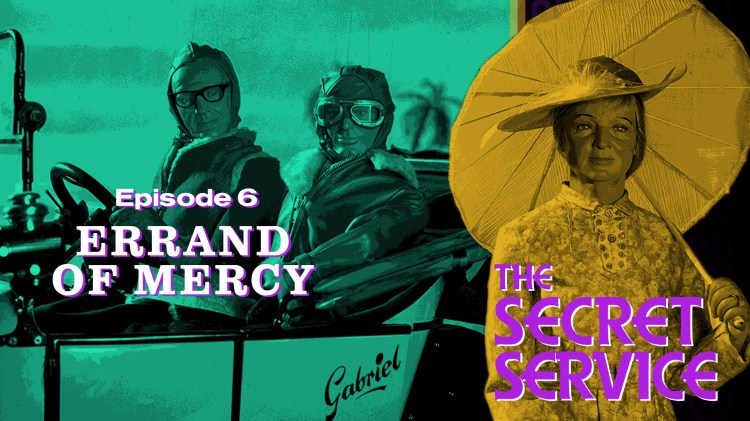
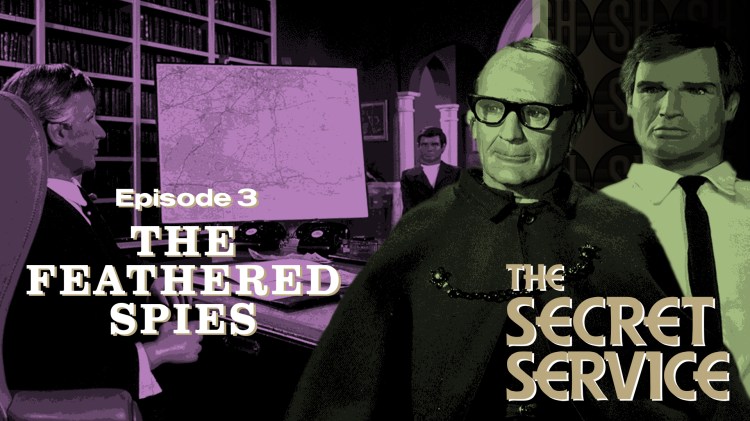
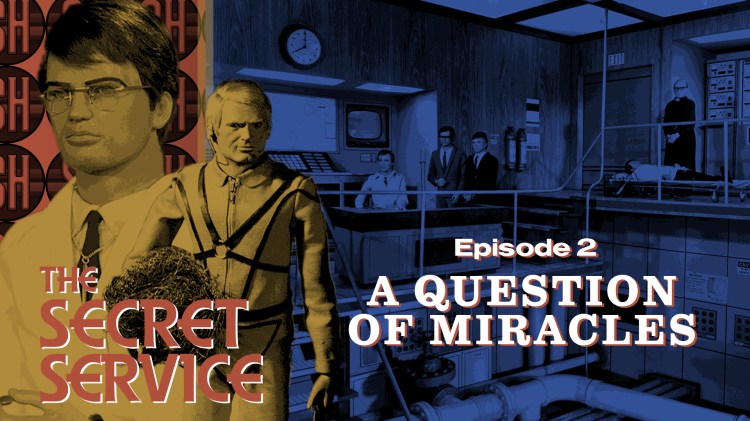
Finally, columnist Leslie Summers changes the direction of the interview towards discussing the wider film industry. We’ve acknowledged already that the industry was struggling during the 1970’s because of rising costs and a cultural shift. The bold experimentation that took place during filming of The Secret Service in 1968 with live actors and locations was partly implemented by Century 21 to try and keep filming in Supermarionation at an affordable level.





But Leslie Summers is keen to emphasize that one of the other scourges of the early Seventies was cinema’s so-called “blue period.” Summers hints at a blurring line between mainstream films and blue movies, as studios looked to capitalise on the relative sexual liberation that Western culture was experiencing at the time. Yes, apparently Gerry Anderson stood out as one of the few producers in the world who wasn’t setting out to make pornography at the time, at least according to this reporter. Gerry’s full quote on the subject makes for a fascinating insight into his very matter-of-fact view of the entertainment industry:
“Permissiveness is fashionable nowadays, and the industry seems to be harbouring the contention that to be fashionable is also artistic. I do not agree with this. A film’s treatment is decided at the pre-production conference, and the decisions taken there are dictated, primarily, by the profit motive. At the risk of sounding cynical, I believe that few film-makers set out to make a genuinely artistic film.”
Gerry Anderson, 1971, The Sunday Times of Malta
The message is a little hard to follow, but essentially what Gerry is saying here is that X-rated film-making was motivated by profit since most film-makers are businesspeople at heart, not artists. It’s not necessarily an original take, but it’s entirely in-keeping with the bulk of Gerry’s career to suppose that profitable film-making was more important to him that creating true art. That’s how a man who reportedly loathed puppets managed to spend over 10 years of his life building up one of the greatest puppet-film studios of all time, and then go back to puppets again in the 1980s when he needed to start fresh. Puppets made him money so he made the best of it. When it stopped making him money, he switched to live-action because it was more economical.
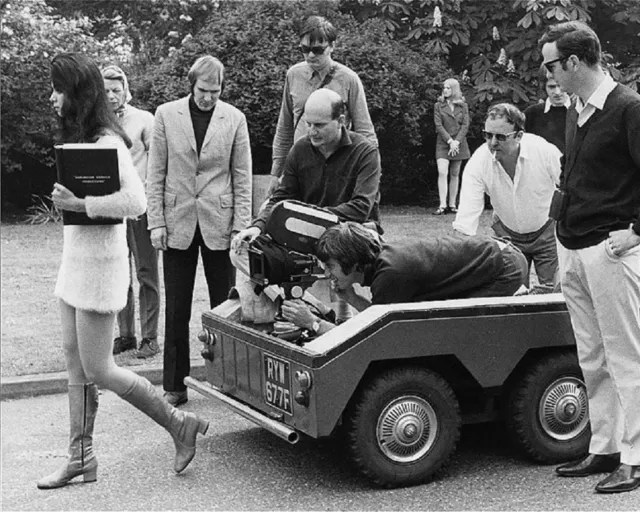
Interestingly though, with the switch to live-action for UFO, there also came more adult themes in his work. Fashionable sorts of things like short skirts, drug-use, body horror, and so on… But this is at odds with what Gerry goes on to say at the end of the article:
Luckily, the industry’s present problems do not trouble me. I cater for family entertainment of which there happens to be a dire shortage.
Gerry Anderson, 1971, The Sunday Times of Malta
It’s generally agreed, I think, that if there was one time in Gerry’s career when he wasn’t catering to a family audience, it was the late 1960s and early 1970s. The Secret Service lacked most of the elements that had made his earlier series like Thunderbirds popular with children. An early version of the script for Doppelgänger featured a nude scene. In response to rumours that the film would receive an ‘X’ certificate, Gerry told the Daily Mail in April 1968 that Century 21 had been “typecast as makers of children’s films” and that he wanted to “work with live artists doing subjects unsuitable for children.” The nudity was absent in the final film though many of the mature themes remained. And one only has to look at Gerry’s direction of the opening episode of UFO, Identified, to see that he was trying to make a science fiction drama for adults, complete with brutal machine gunning, people getting undressed on-camera, and a grim medical examination. UFO was a nightmare for schedulers who couldn’t work out whether the spaceships made it a family show, or if the grim tone made it strictly for grown-ups.
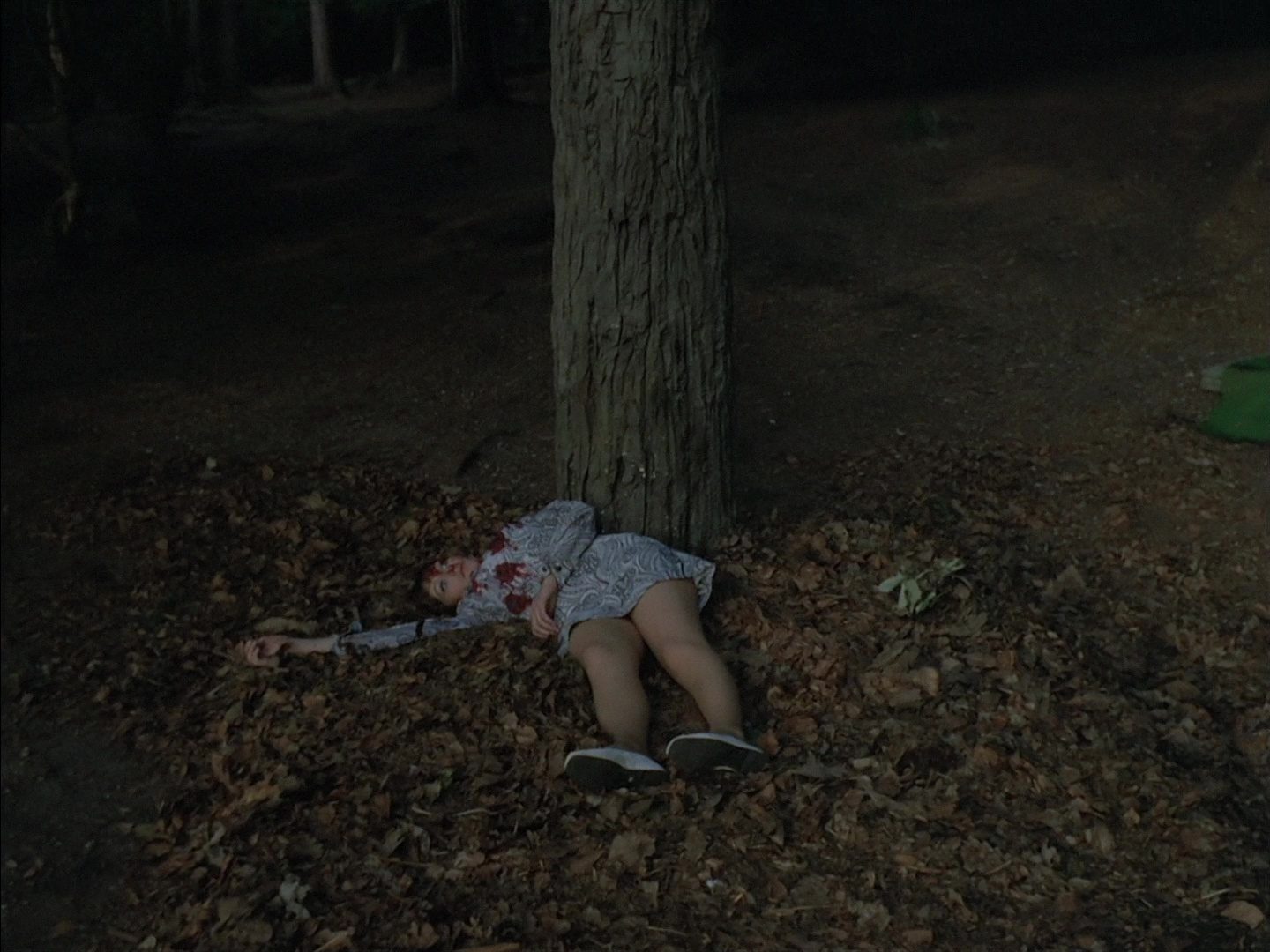
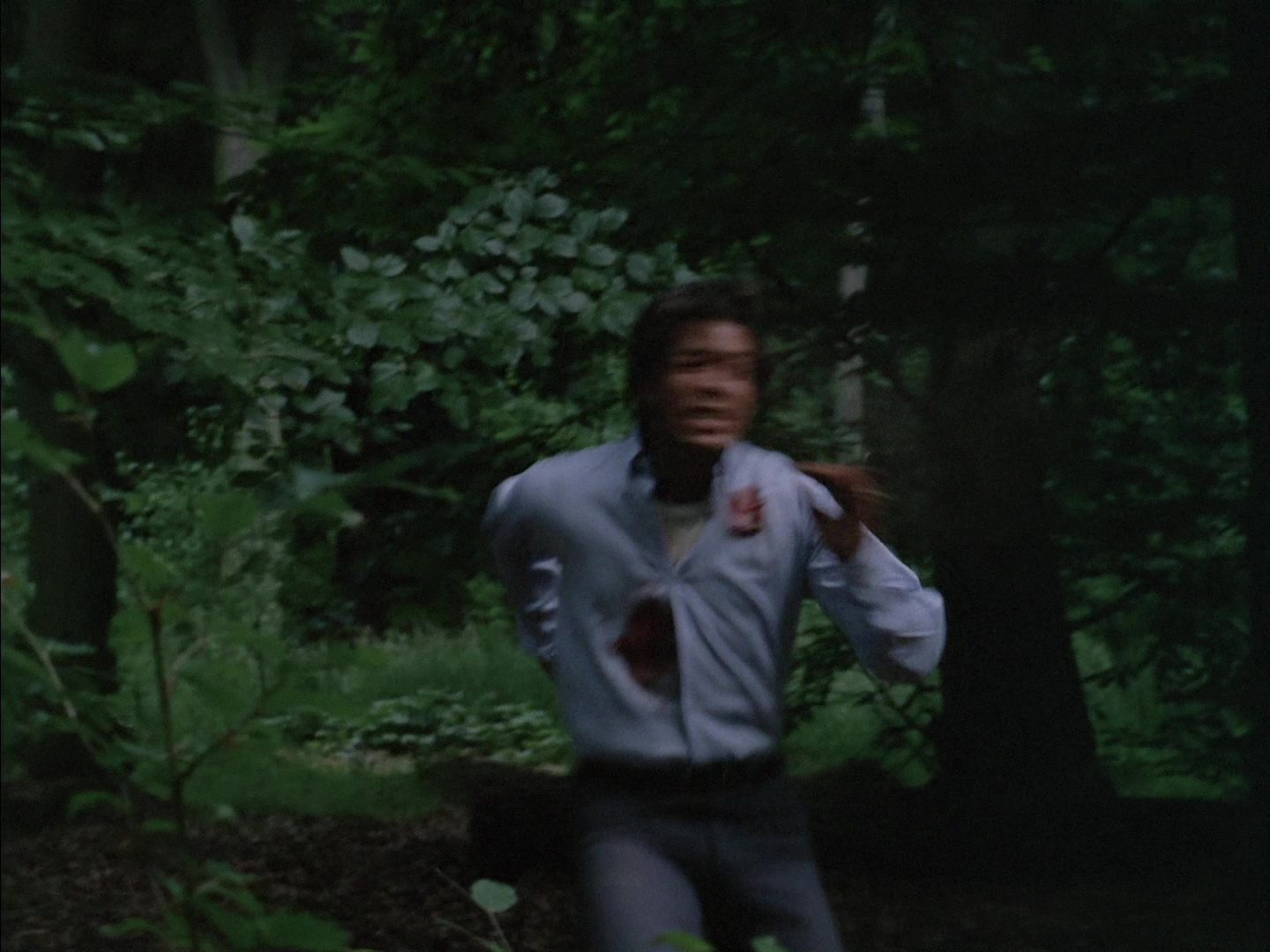
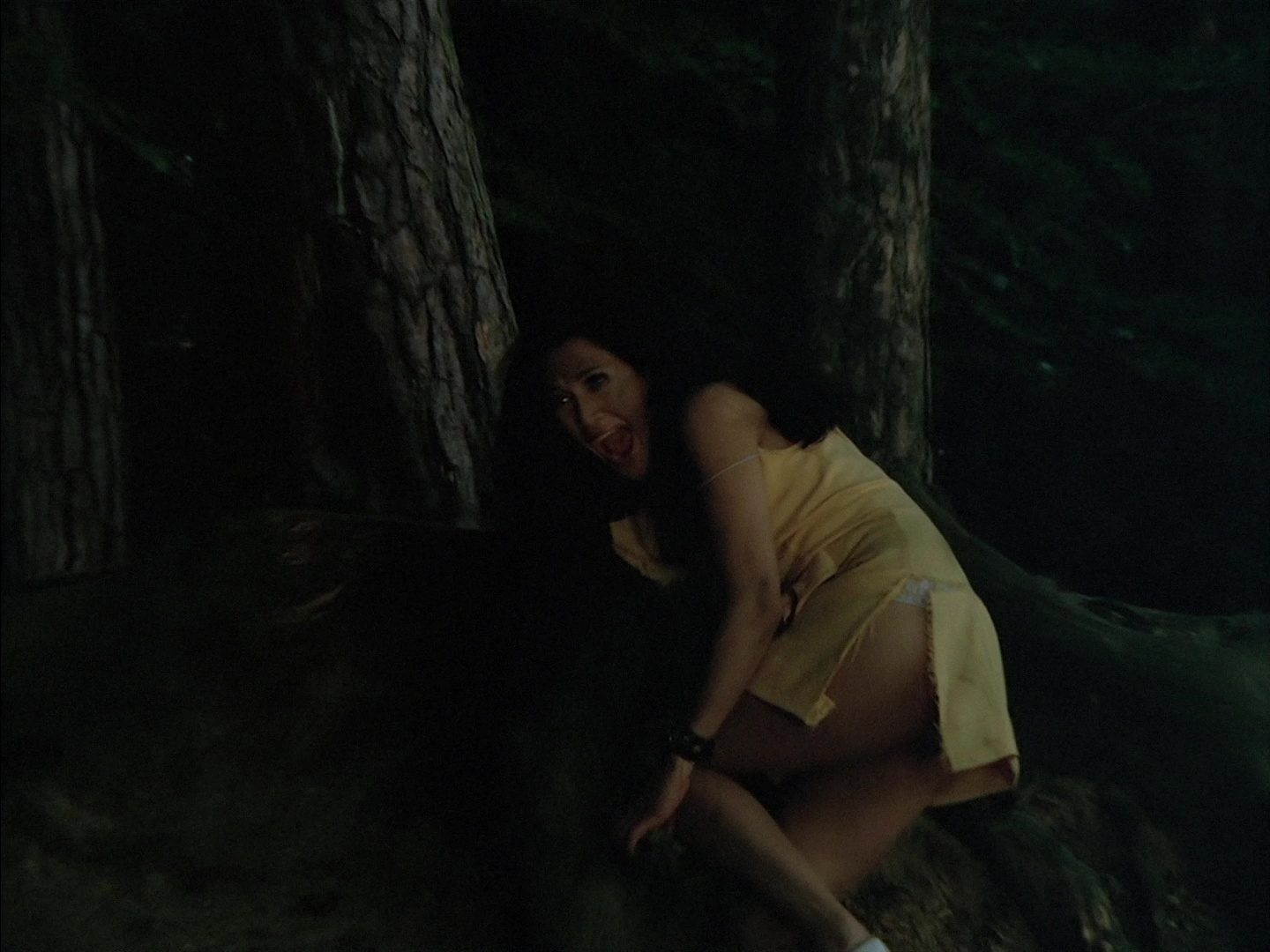
Now, one could argue that The Protectors does take a lighter touch and exists to be bright, humorous, and not at all taxing to enjoy for anyone with working eyes and ears. Robert Vaughn said in 1972 that the series “may have the redeeming feature of any escapist entertainment, that you can sit down for 22 minutes and watch people in pretty clothes run around shooting guns and so get your mind off your personal problems. If that’s redemptive, it has that quality.” Though to say it was “wholesome family entertainment” might be pushing it, at least when viewing it next to another Anderson series like Supercar or Fireball XL5 which were aimed so firmly at a toy-and-comic-purchasing family audience.
But let’s give Gerry the benefit of the doubt and say that The Protectors was his attempt to cater to a desperately under-served market for family programming. Well, if that was the case, it certainly chimes perfectly with the purpose for Gerry Anderson’s next visit to Malta in January, 1973…
![Film-maker’s pilot project for television - JANUARY 13, 1973 [Times of Malta - Saturday] Page 13](https://securityhazard.net/wp-content/uploads/2024/08/film-makers-pilot-project-of-television-times-of-malta-saturday-january-13-1973.jpg?w=993)
JANUARY 13, 1973 [Times of Malta – Saturday] Page 13
Film-maker’s pilot project for television
By a Staff Reporter
Well-known film-maker Gerry Anderson, whose television films for children are seen throughout the world, is back on the Island, to start a major TV film project.
Mr. Anderson was last in Malta in December, 1971, when he came to direct some episodes for the television series “The Protectors”, starring Nyree Dawn Porter and Robert Vaughan [sic], which is currently being shown on TV in the U.K.
Well known for his robots and puppets, Mr. Anderson is this time concentrating on a pilot episode which, if bought by TV stations, would assure Malta of the projects emanating from film shooting work here for 26 episodes. Mr. Anderson is bringing over a £7,000 model airship to be used in the series.
The leading roles will be played by two Maltese actors, Charles Thake of Birkirkara and Peter Borg of Mosta, both on the books of Malta Talent Artistes. Filming of the episode “The Investigator” is to start shortly under the aegis of Group Three Productions Limited. Mr. Thake plays a professional swindler with Mr. Borg his bodyguard.
Needless to say, I’m a sucker for any new information about the filming of The Investigator. The unaired pilot film is a real mystery for Anderson fans because it takes everything we love about Supermarionation and… completely ignores it. The unattractive puppets of John and Julie are taken out into the real world to fight live-action baddies, using inappropriately conspicuous spy vehicles, in a plot where the stakes are so low that the title character can barely be bothered to turn up and take an interest.
In a previous article, I speculated a few things about The Investigator and one of the questions asked was “Why did The Investigator come to Malta?” – both the character and the production. Well, I think it’s fair to say we’ve answered that question quite well with all our earlier observations. Gerry Anderson liked filming in Malta because it was cheaper than Britain, and easier than using other European locations – plus it also happened to look nice.

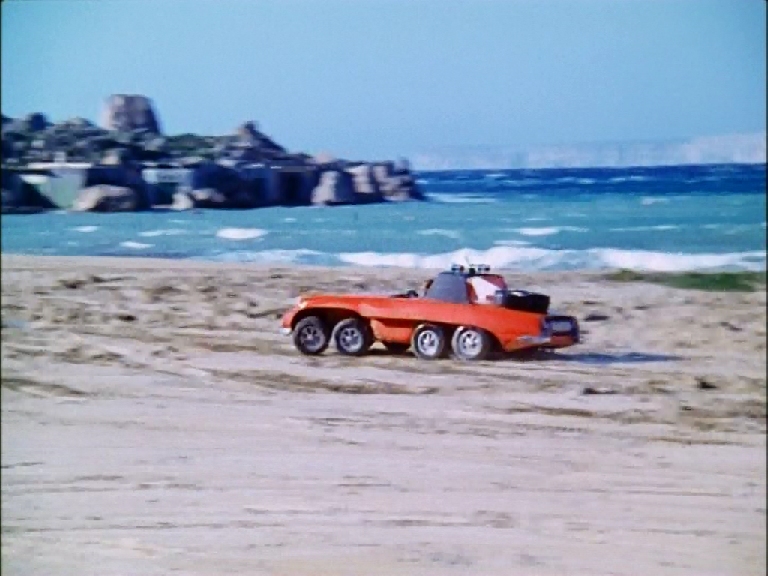
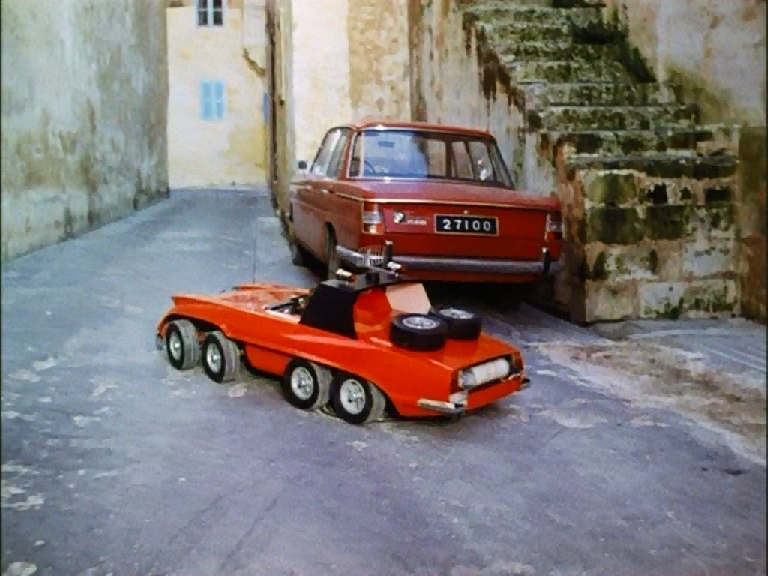
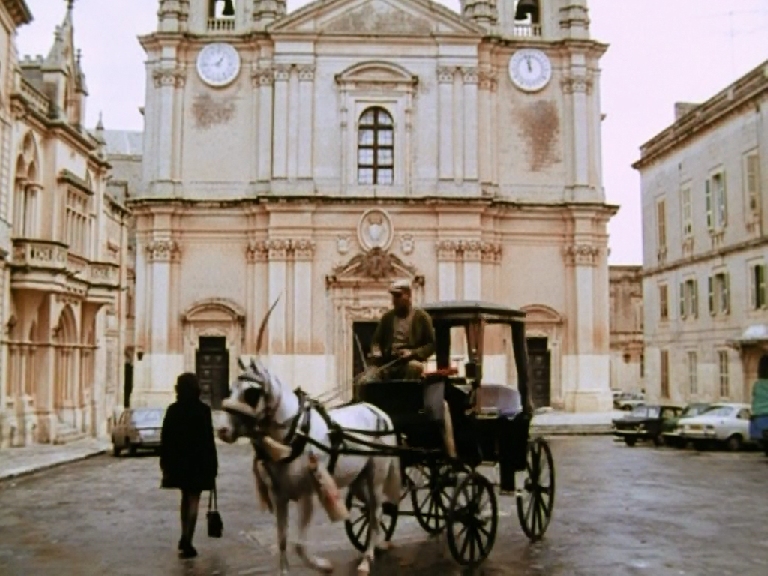
If the sparse details of this second newspaper article are anything to go by, it seems that if The Investigator had indeed gone on to become a 26-episode television series, the entire run may have been filmed in Malta. This is significant for two reasons: Firstly, there is nothing in the pilot film to suggest that every future episode would take place in Malta. For all we know, the all-knowing, all-powerful Investigator might have taken John and Julie off to fight crime all over the world, with each episode based in a different tourist destination. So it’s quite a revelation to have this indication that the plan was to stay in Malta. Secondly, according to this reporter, The Investigator would have generated a great deal of work for Maltese locals. Since Gerry Anderson had already expressed his satisfaction with Paul Avellino and the Malta Film Facilities, it’s possible that he had a vision to turn the Maltese studio into a new Supermarionation powerhouse akin to the one on the Slough Trading Estate. They already had the enormous water tank!
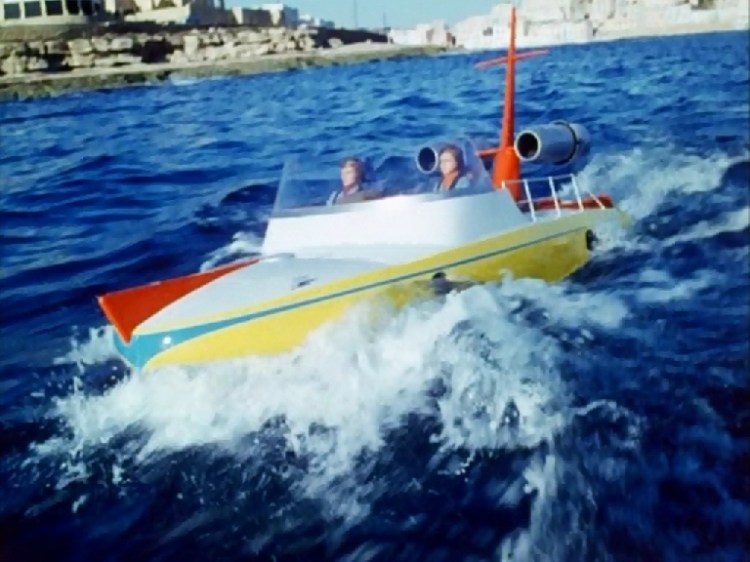
Speaking of which, the article is keen to mention a “£7,000 model airship to be used in the series.” An airship? AN AIRSHIP? No, don’t get too excited – I’m fairly sure it’s a misquote and refers to either the car, or the boat, or both. But let’s talk about the boat… considering Malta had a whacking great water tank at its studios, why was all the action with the model boat filmed out at sea which presumably made it much, much harder to control? I suppose it makes sense since the rest of the action on Karanti’s yacht was taking place at sea, but considering Malta had the perfect facilities for the job, it’s odd that the boat doesn’t play a more prominent role in the film.
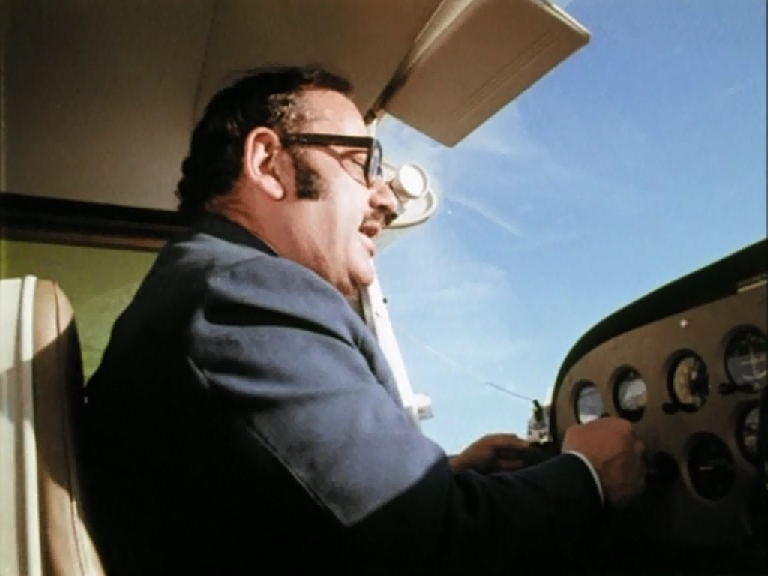
Malta Talent Artistes, founded by Joe Zammit Cordina in 1964, provided The Investigator pilot with its two full-size stars in Charles Thake and Peter Borg. Thake had previously appeared in The Protectors and became a prominent figure in Malta as a beloved actor appearing in a number of international productions before passing away in 2018. To learn that Peter Borg was a member of the same talent agency tells us that despite his character’s limited dialogue in The Investigator, Borg was a professional actor. Although he did not gain credits in other international productions beyond The Investigator, all evidence points to Peter Borg continuing his acting career in Malta and appearing in a number of productions. Our research into the life and career of Peter Borg is ongoing, and hampered slightly by just how common the “Borg” name is in Malta.

The final noteworthy fact reported in this article is that The Investigator was filming “under the aegis of Group Three Productions Limited.” The end credits of the film, however, cite The Investigator as “a Starkits Production.” So which is it? Well, the short answer is – both. The Certificate of Registration of Design that Reg Hill filed for the car and the boat gives ownership of the design to Group Three. Starkits was an “off-the-shelf company” purchased by Group Three purely for the purpose of raising the private venture capital needed to fund the pilot. Thus, The Investigator was owned by Starkits. I’m by no means an expert on the creative accounting methods used in film production – but this is very definitely an example of that. No doubt the line on the end credits “Filmed Entirely On Location In Malta” was also added for the benefit of getting certain subsidies from the Maltese government, even though some cutaways were almost certainly shot back in England.

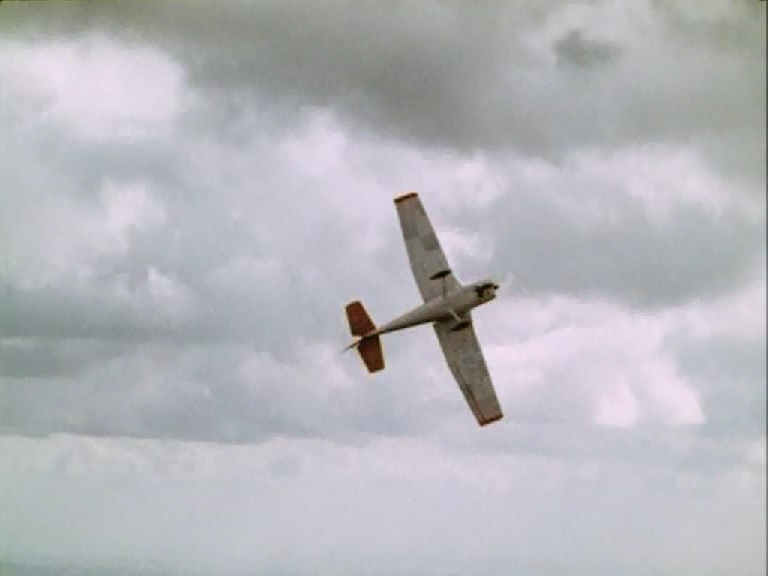
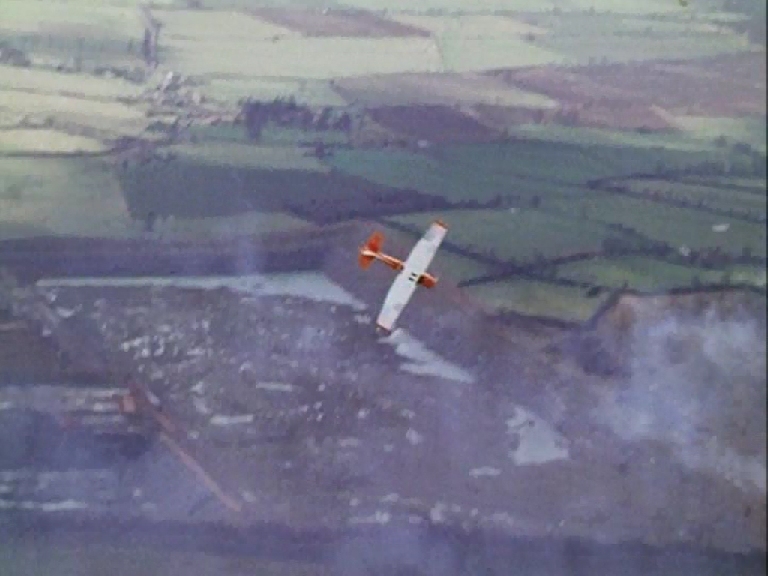
So, there we have it! Two articles from the Maltese press which present Gerry Anderson as a proud ambassador for the island’s growing film and tourism industry. Unfortunately, despite how nice of a time Anderson claimed to have shooting The Protectors in Malta in November 1971, the same joyous experience did not carry over to the filming of The Investigator in January 1973.
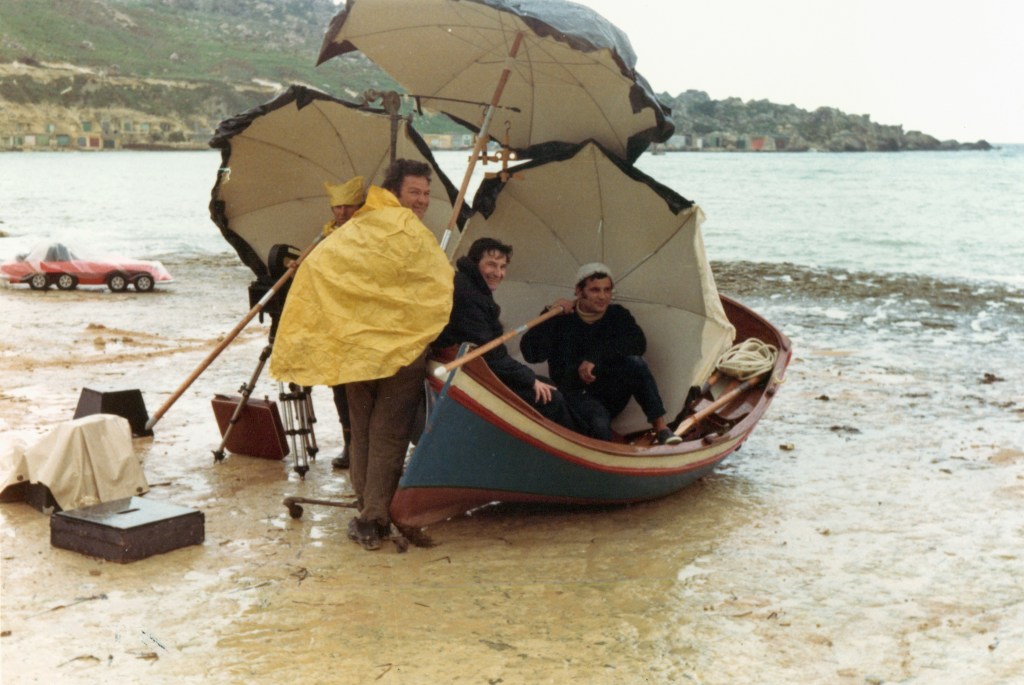
The pleasant Maltese weather that Gerry had praised in the first interview was replaced with a barrage of rain storms which made shooting with the puppets close to impossible. Many shots were remounted indoors. Meanwhile, the vehicles which were clearly supposed to be a prominent part of the show’s format proved terribly impractical because of radio control interference. The project was abandoned after a single installment, and that optimistic vision of a 26-episode series bringing work and prosperity to the people of Malta was forgotten.
Instead, Anderson turned his attention back to what he knew – producing expensive sci-fi television in the UK for a lucrative, but picky, American audience. By the time filming started on Space: 1999 in November 1973, eleven months after shooting The Investigator, the Maltese film industry had many other international producers seeking to use the historic Island for shooting their next epic…
Acknowledgements
Filmed In Malta made this article possible by volunteering to search their archive for me. Thank them, and take a look at their Facebook page for extensive collection of images and videos detailing the history of Malta’s film industry. The newspaper reports were originally published by The Times of Malta.
What Made Thunderbirds Go! The Authorised Biography of Gerry Anderson by Simon Archer & Marcus Hearn, and The Complete Gerry Anderson: The Authorised Episode Guide by Chris Bentley also provided invaluable insights.
Other web pages referenced in this post include:
The Producer’s Creative Partnership: In appreciation of Paul Avellino
Visit Kalkara: Malta Film Studios
The Malta Independent: Roger Moore: Shout at the Devil
The New York Times: That Man From U.N.C.L.E. Gets His PHD
Facebook Page for Joe Zammit Cordina, founder of Malta Talent Artistes
Jersey Heritage record for Starkits Ltd.
What is a shelf company? Definition and meaning
The Protectors © ITV PLC/ ITC Entertainment Ltd. The Investigator © Anderson Entertainment. UFO © ITV PLC/ ITC Entertainment Ltd.
 Security Hazard
Very interesting. Well done.
LikeLike