
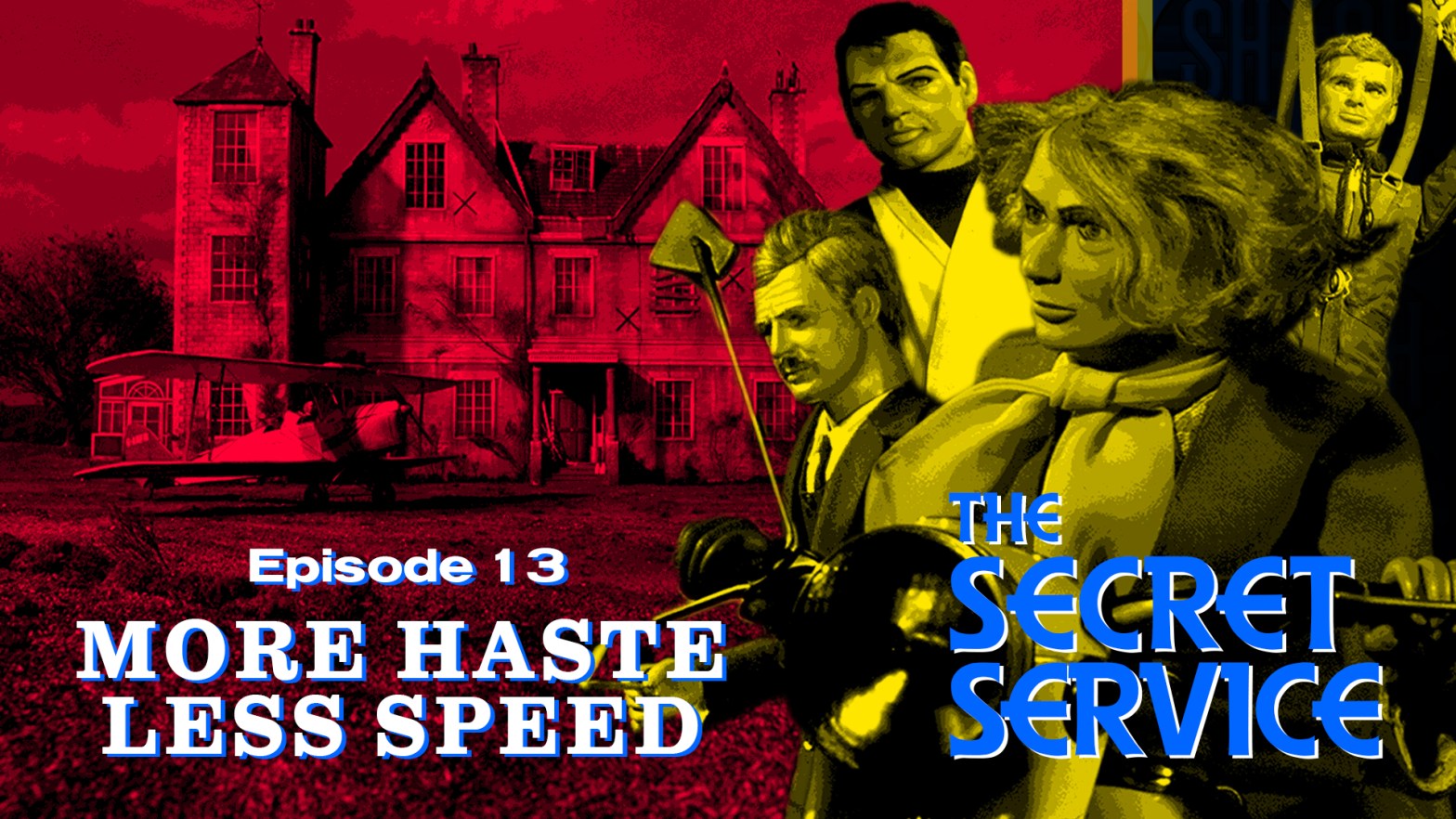
This is the big one. Not just the finale of The Secret Service but the end of an amazing decade for the crew of Century 21 Films in Slough perfecting the techniques of Supermarionation filmmaking. Once this episode was in the can, the puppet stages on Stirling Road closed for good on January 24th 1969 … until Thunderbirds returned to the trading estate in 2015 for the production of three episodes to celebrate its 50th anniversary, but that’s another story.
More Haste Less Speed just so happens to be one of the most popular episodes of The Secret Service. It’s a far cry from the straight-laced and pedestrian tale of diplomats and mini-computers that Gerry & Sylvia Anderson had offered up in their pilot script, A Case For The Bishop. Tony Barwick’s vision for the series was far lighter, more ambitious, and much more charming.
More Haste Less Speed is pure comedy farce. The science fiction and even the espionage aspects of the plot are there only to satisfy the format of the series and intrude very little on the story. The result is an argument for More Haste Less Speed barely qualifying as an episode of The Secret Service at all. The series’ leads, Father Unwin and Matthew, are flies on the wall and only impact the story marginally. The stars of the show are the four loveable rogues quite unlike any batch of Supermarionation villains we’ve seen since the days of Supercar. Could it be that the Century 21 team’s attitude was now so far beyond trying to satisfy the impossible brief provided to them for the series by the Andersons, that they just started making whatever the heck they wanted in order to fulfil the commission for a thirteen-episode series which they knew wasn’t going to be renewed?
Arguably, no writer knew how to make The Secret Service watchable better than Tony Barwick. And I also think that Ken Turner, having helmed all of the location material for the series, was the director at the studios who understood the little flourishes that The Secret Service desperately needed to make it sparkle. And boy does More Haste Less Speed sparkle.
Original UK TX:
Sunday, December 14th 1969
5.30pm (ATV Midlands)

Directed by
Ken Turner
Teleplay by
Tony Barwick
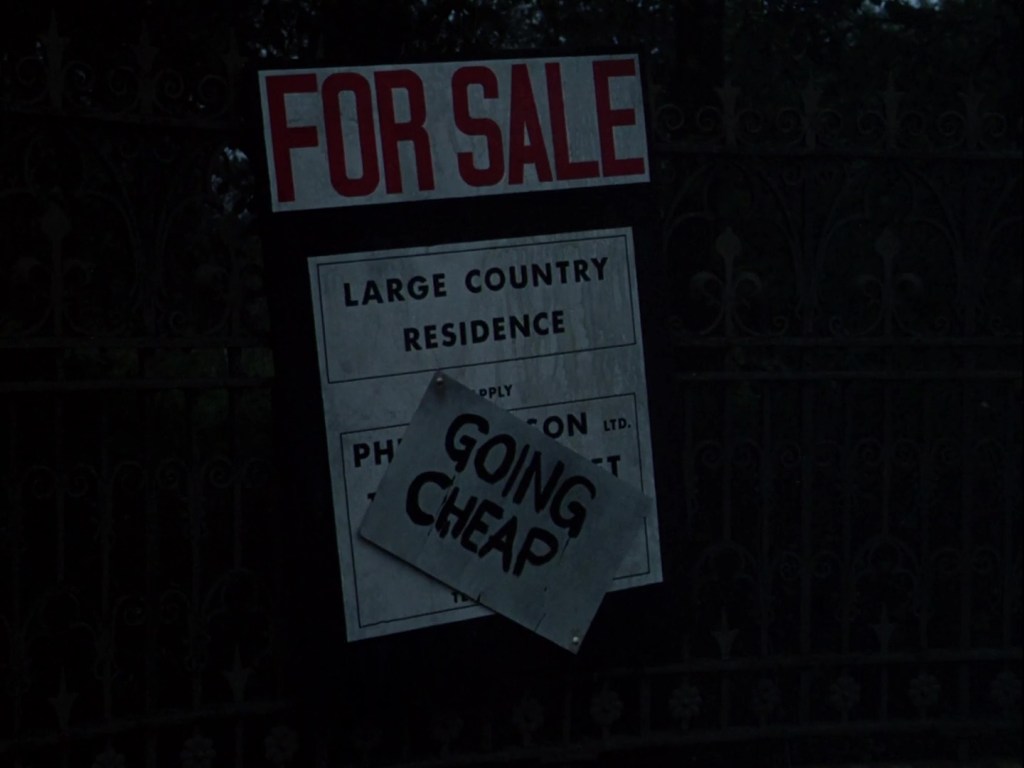
If you’re going to put up a “Going Cheap” sign, you could at least avoid putting it at a jaunty angle. Have some dignity for goodness sake.
I don’t have a script for this episode to pick apart, but we do have a high definition master of More Haste Less Speed which is available from Network’s Blu-ray release of This Is Supermarionation. You’ll therefore notice that the colour grading is a little bit off compared to the DVD release, but there’s a lot more detail for us to inspect!
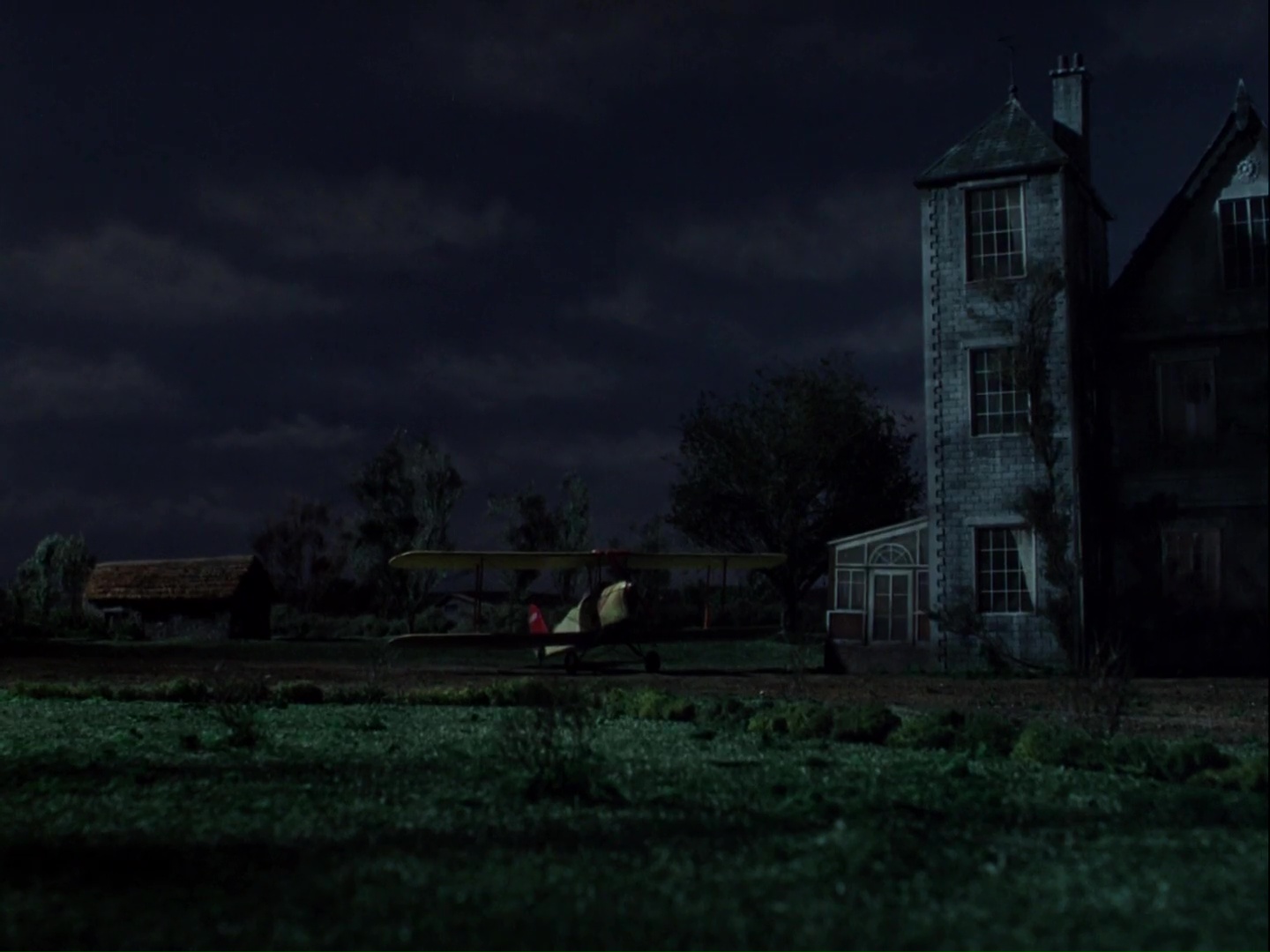
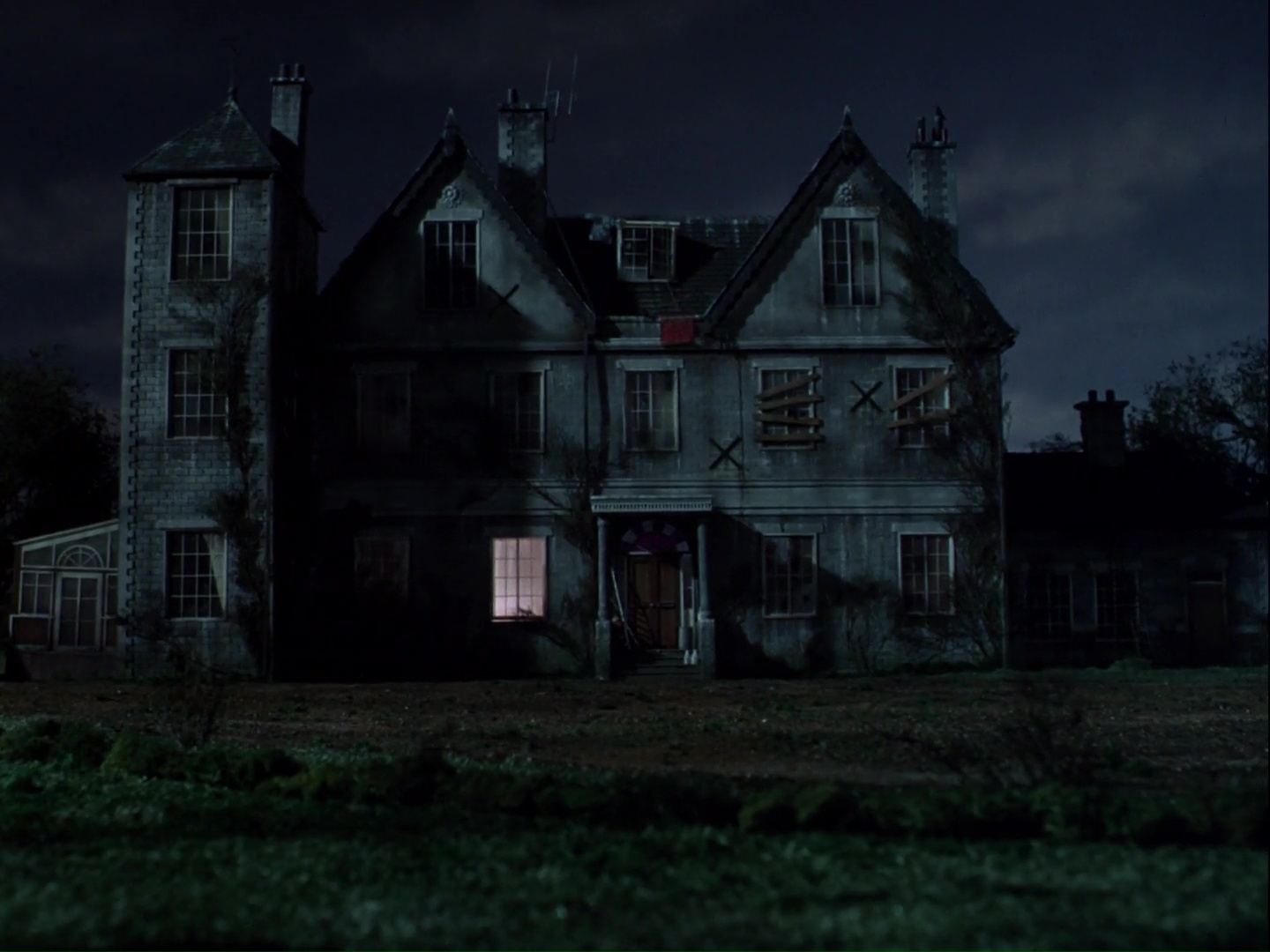
We’ll get a better look at it in the daylight later on, but just feast your eyes on this spectacular model of the dilapidated country house. It’s a gorgeous bit of modelmaking.
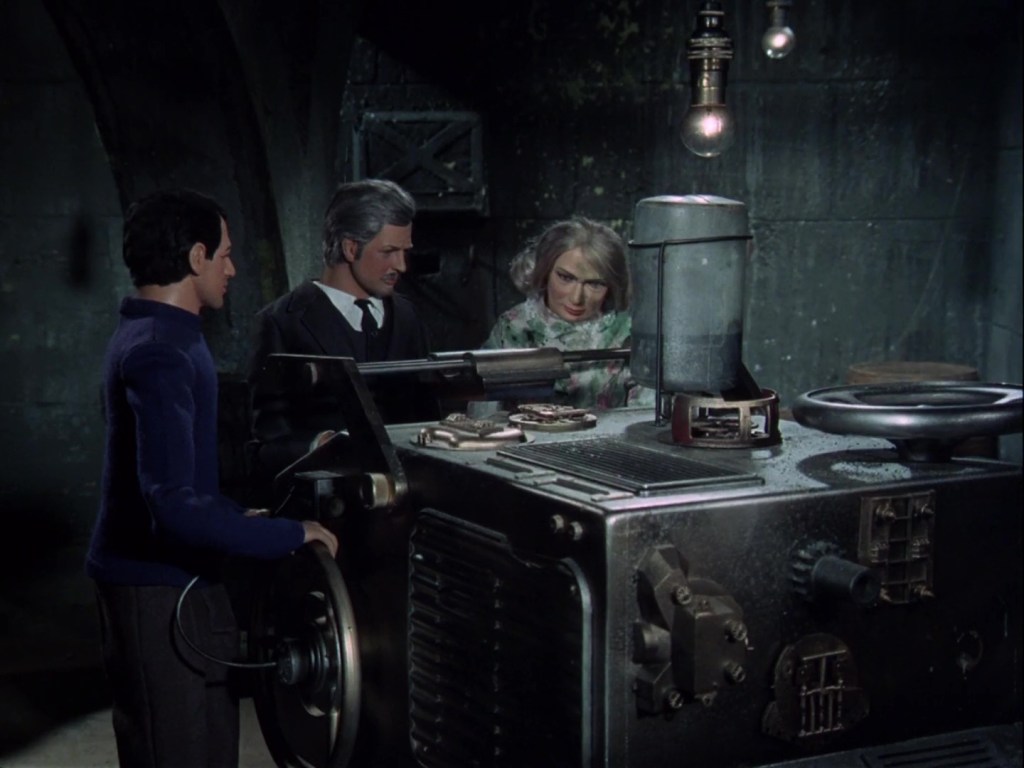
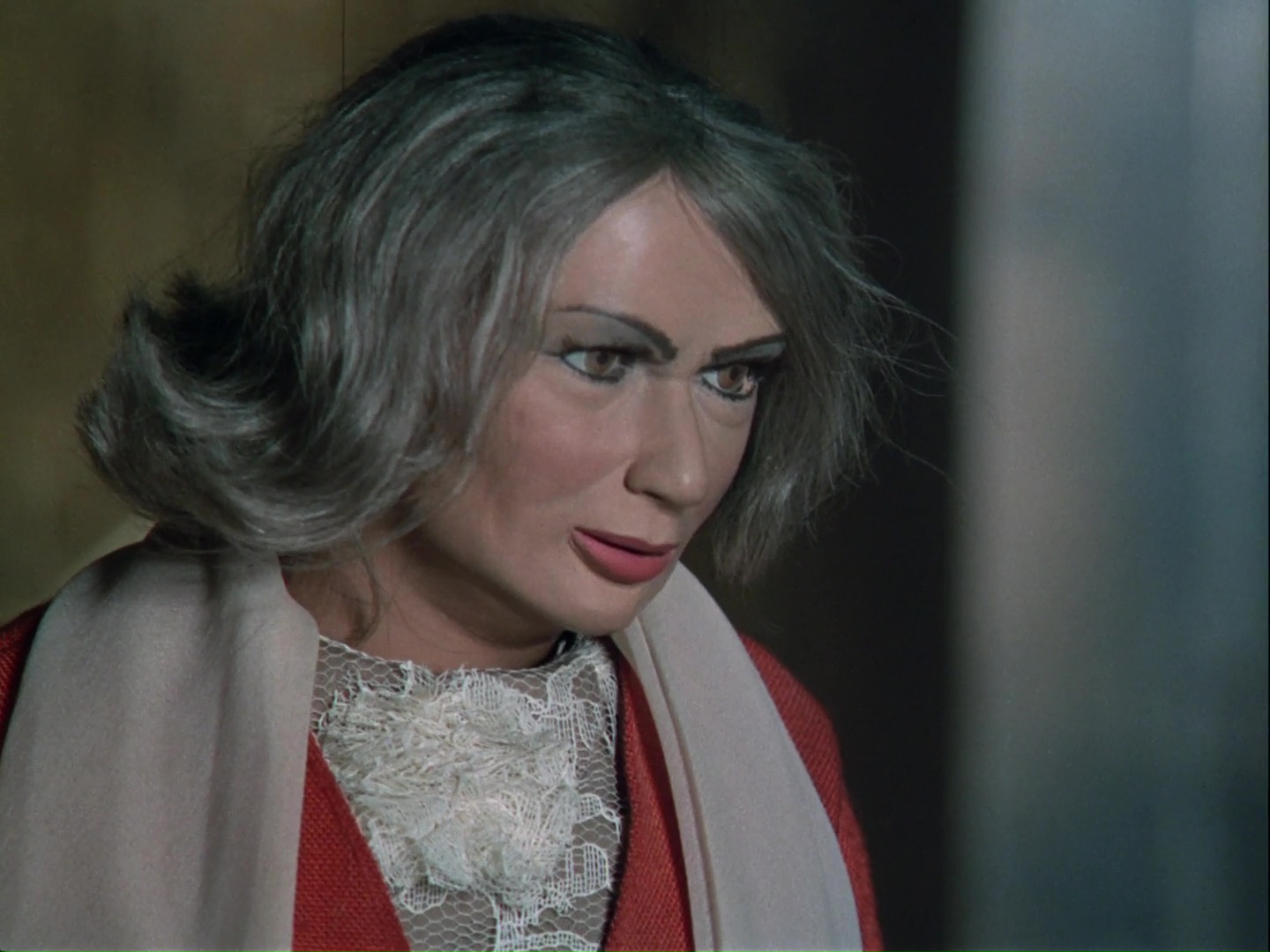
Down in the dungeon, we have the stars of the show for this week. Spiker voiced by Gary Files, Lord Edward Hazelwell played by David Graham, and his sister Lady Martha who is brought to life by Keith Alexander. Yes, there was obviously something about Australian men voicing eccentric upper class women that just worked at that time – as per Ray Barrett and the Duchess of Royston in Thunderbirds. I daresay that it was always planned for Keith Alexander to play Lady Martha since Sylvia Anderson had been absent from many of the series’ later recording sessions.
This dungeon set is likely the same one seen as the church crypt in the Joe 90 episode, The Unorthodox Shepherd. The printing press is also the same prop that was seen in that episode but heavily modified to appear more old-fashioned.

And just like The Unorthodox Shepherd, the villains are trying out printing counterfeit dollar bills. Advances in technology and international trade caused a huge surge in the illegal production of counterfeit currency in the 1960s, so it makes sense that various Anderson productions caught on to that criminal trend. A certain amount of the process behind printing banknotes has obviously been simplified for the benefit of this episode, but the basic principles are still intact.
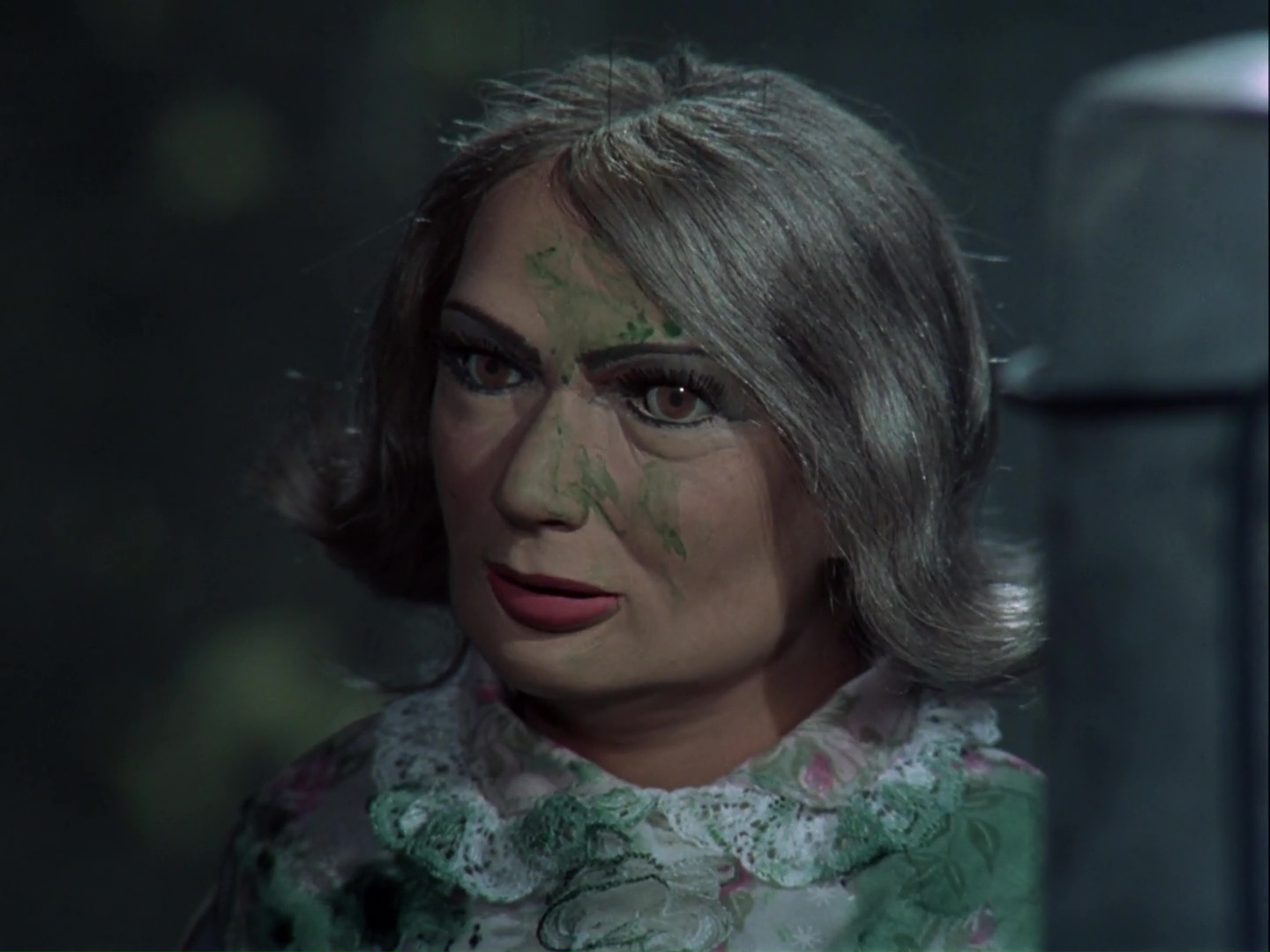


Speaking of the plot, Spiker gets given the whole backstory for our benefit. Edward and Martha are aristocratic siblings who have fallen on hard times, or rather inherited some hard times from their father who it seems was a right crook. Their late father’s accomplice has recently been released from prison and knows the whereabouts of the essential printing plate for the back of the banknotes. Edward and Martha need this back plate in order to produce the perfect forgeries since they are only in possession of the front one. Exactly what Spiker’s role is in all of this isn’t quite clear. Presumably the posh snobs had in mind to bring in a salt-of-the-earth working class chap to do all the grunt work in the operation.
The dialogue is a masterclass in characterisation. Spiker’s impatient and blunt approach is contrasted beautifully by Edward and Martha’s prattling, insidious chatter. Bonus points go to David Graham and Keith Alexander for daring to very, very, very subtly push a bit of an incestuous relationship between the aristocratic weirdos. You might think I’m reading too much into it, but all the “dear sister” business is played to a hilariously sickening degree and I wouldn’t put it past the cheeky Century 21 team to hide that sort of subtext in plain sight.
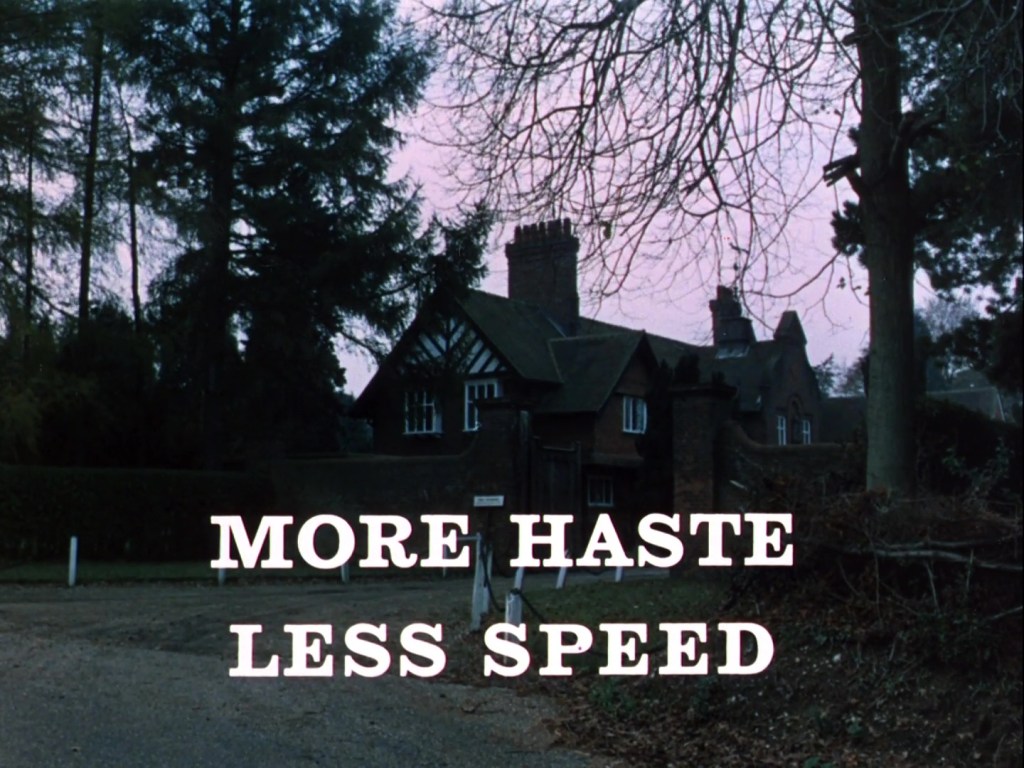
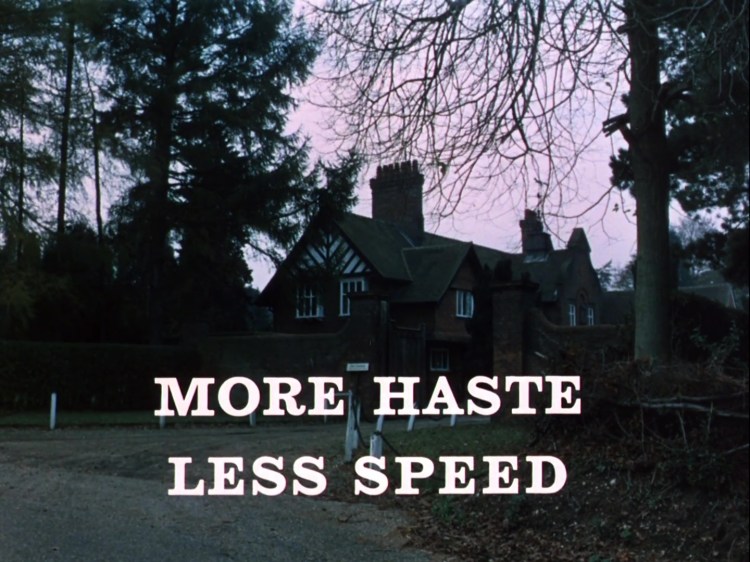
After the opening titles, things are looking very wintry over at the vicarage. Of course, the ungraded HD version of the episode does make it look a bit darker than normal, but the leaves on the ground definitely weren’t there during early episodes. I get the impression that the location unit paid multiple visits to the Foxlea Manor location to get shots of the house in various seasons.
For some mad reason, the episode’s title caption has been moved to the lower third of the screen for the only time in the whole series. That’s the sort of thing I swear the production team only did for the express purpose of annoying me.
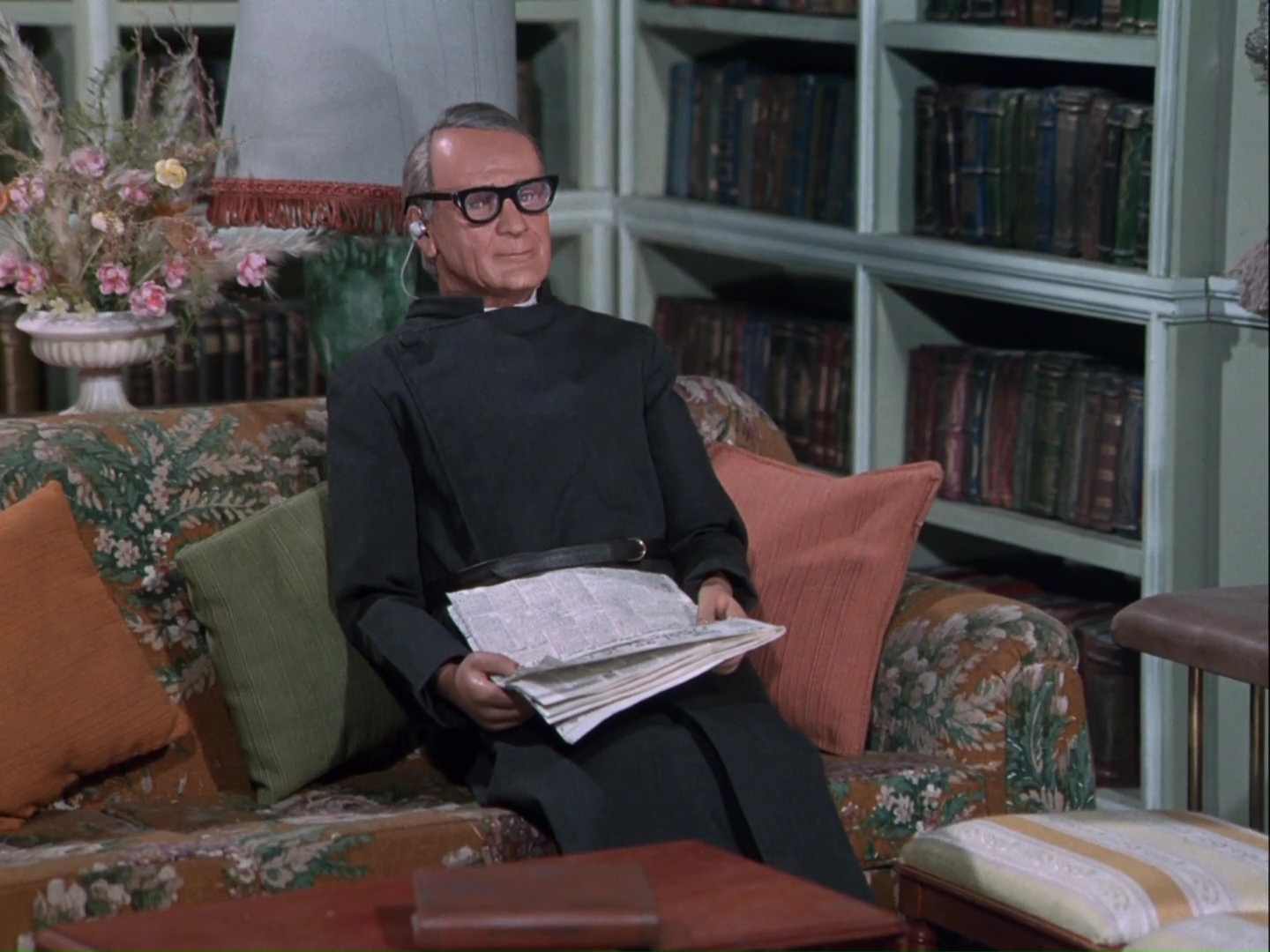

Father Unwin has finally given up on reading the bible during his briefings with the Bishop. He’s switched to a newspaper instead. I suppose that’s something.
For the last time in the series, the Bishop makes a brief appearance. He’s bringing Unwin up to speed on the issue of the counterfeit plates. The character was never necessarily used to his fullest potential during the series. Often, the scripts simply called for him to deliver some exposition at the beginning, and maybe say “well done” to Unwin and Matthew at the end. Nevertheless he had a few delightful moments such as all those scenes he shared with Agent Blake. They could have been the comedy double act the series needed – and which the Andersons may have been struggling to set up with Saunders and Patterson in A Case For The Bishop.
The aim was clearly to present the Bishop as something of an unorthodox leader of a crime-fighting organisation, in the same way that a priest and a tiny man in a case make for unlikely secret agents. Instead of being gruff, tough and no-nonsense like you would expect from Jeff Tracy, Shane Weston, Colonel White and so on, the Bishop is softly spoken, humorous at times, and quite whimsical. Other characters clearly respect him and he maintains an air of mystery. In a way, I almost didn’t need to see more of him during the series because that remote, all-powerful, yet charming quality would have been compromised if he’d gone into the heart-of-the-action to beat up bad guys or yell orders at people. I’ll certainly miss the special twinkle that the Bishop carries with him.
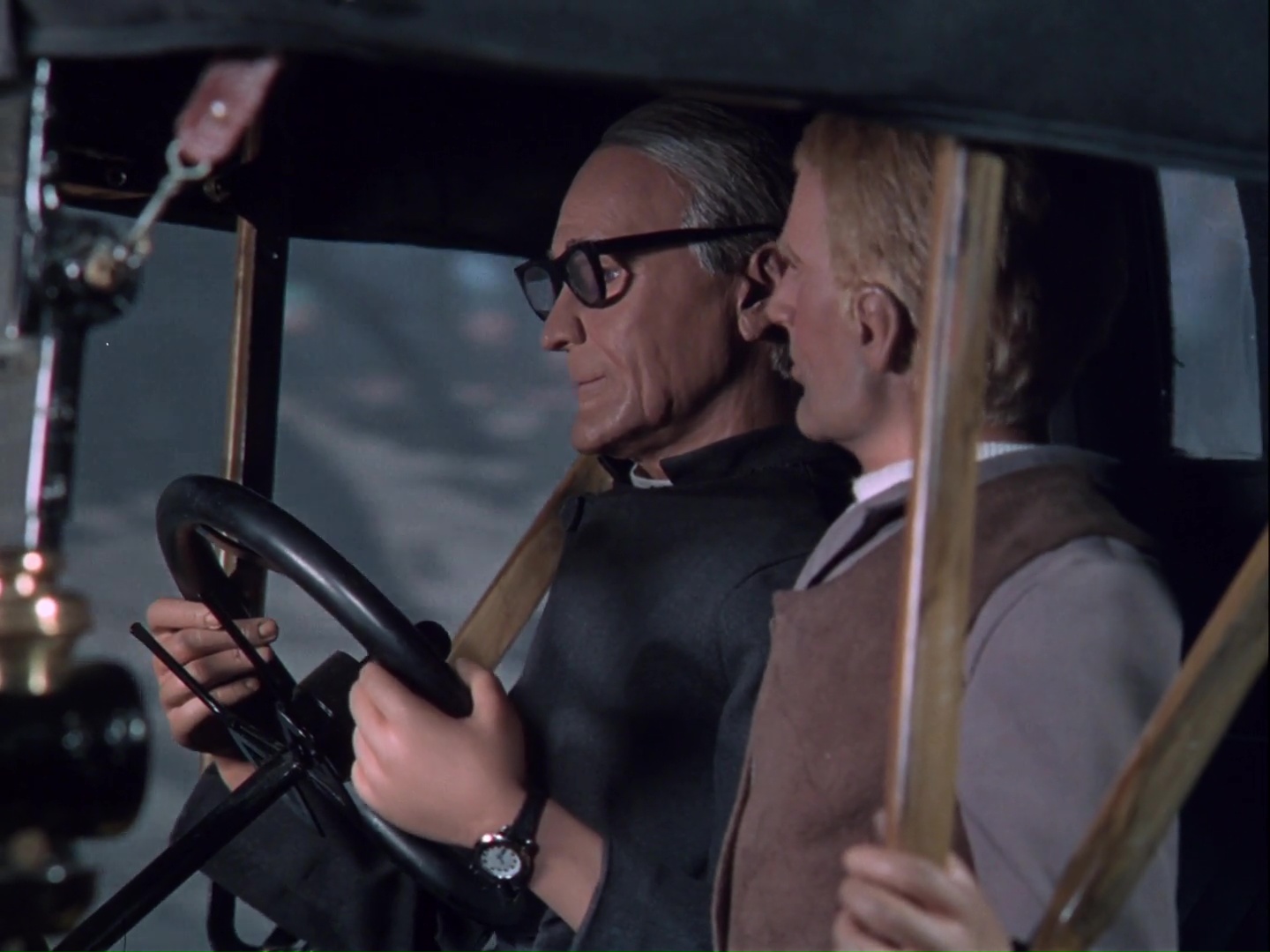
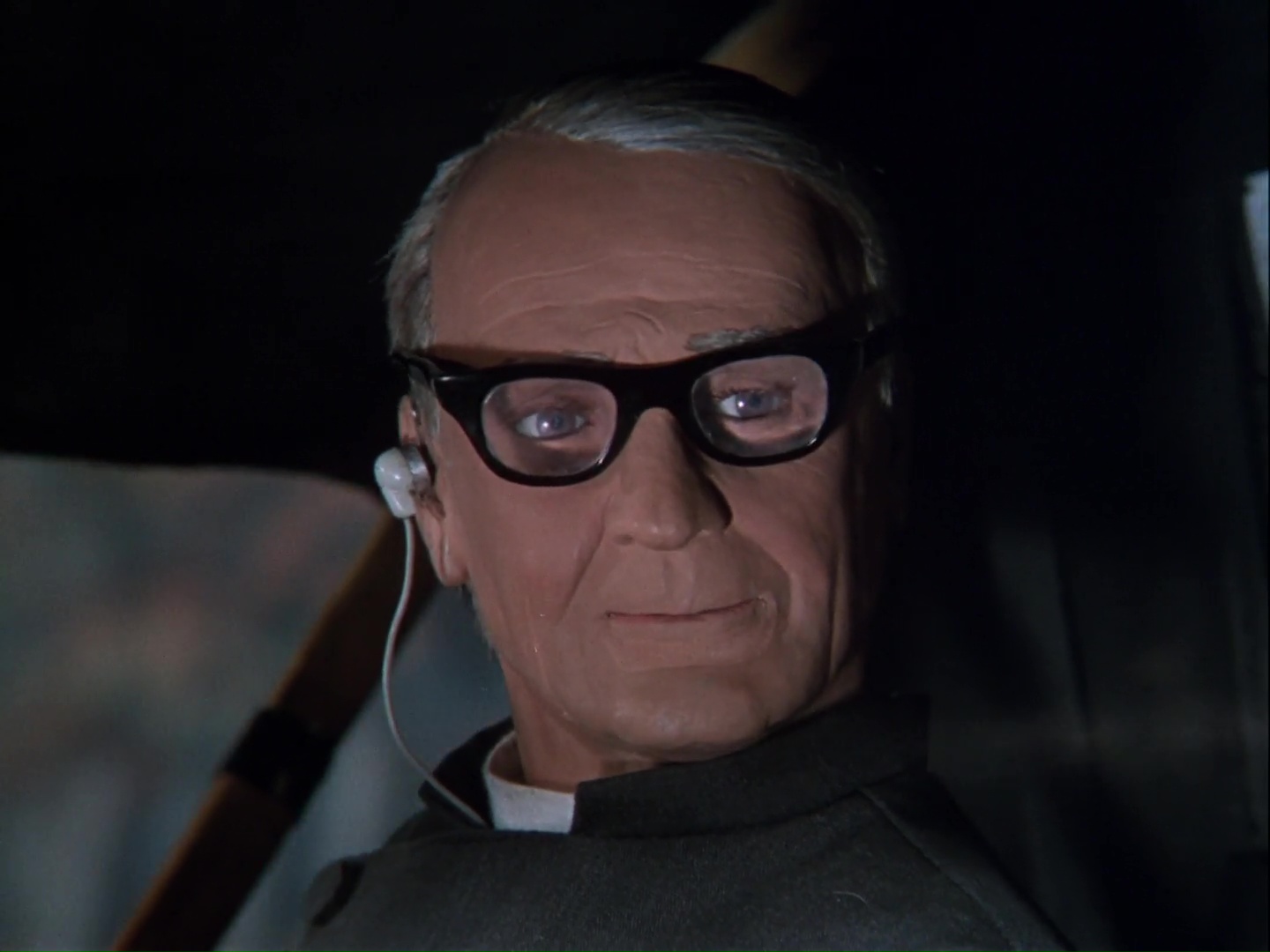
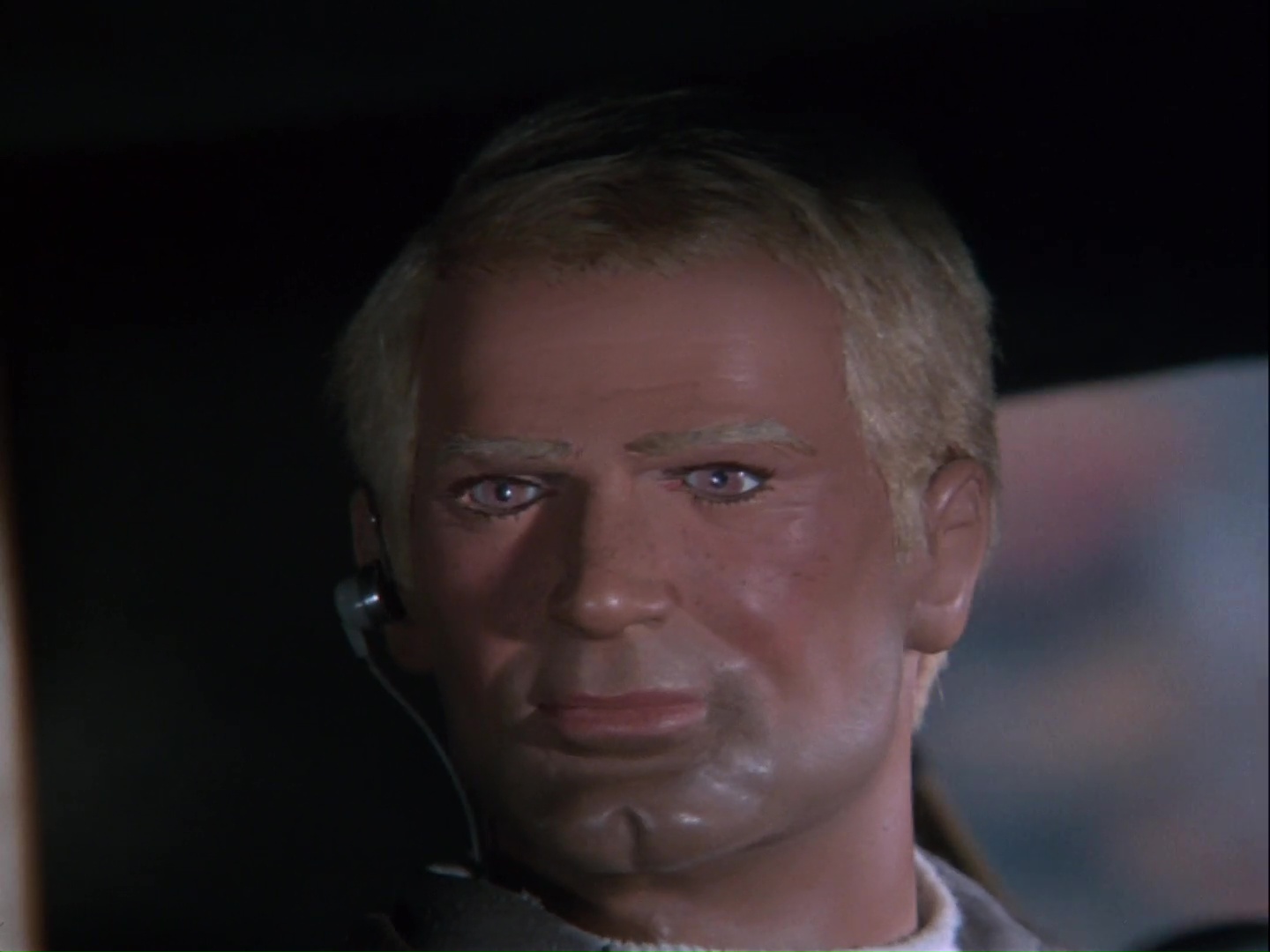
Here comes the episode’s amazing twist. Unwin and Matthew are off on a mission as usual, but something has young Matthew on-edge and fearful of police arrest. Has Father Unwin installed a vulgar number plate on the back of Gabriel? Not quite…
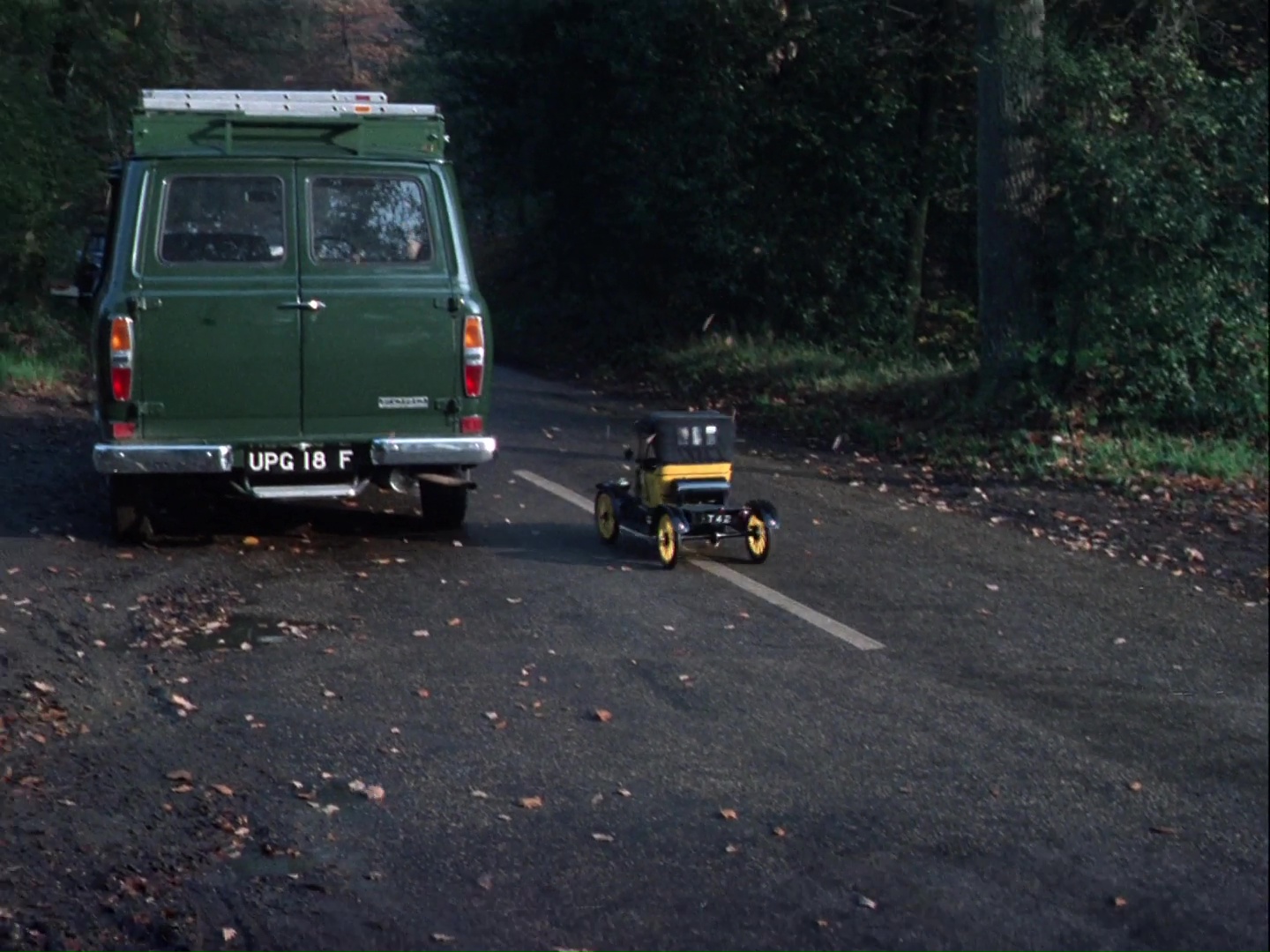
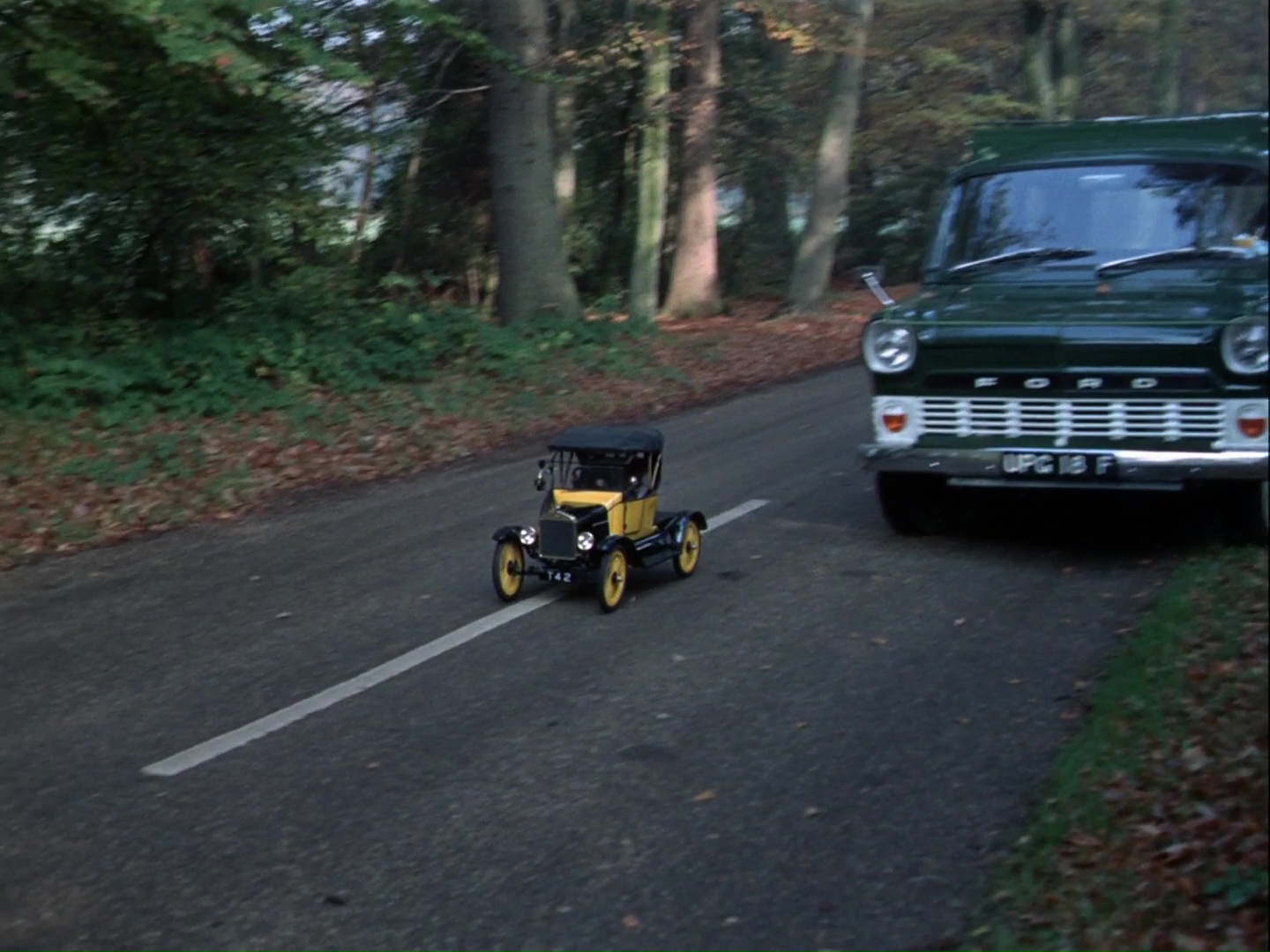
Yes, the radio controlled Gabriel is back in action again. Without showing us the miniaturisation process or setting it up at all, we’ve got Matthew, Unwin, and the Model T at a reduced stature. The whole gang has gone tiny. It’s the format being pushed to its ultimate extreme. Usually, Unwin is required to remain normal-sized in order to assist the miniaturised Matthew. So how will things unfold when both of them are undercover and only able to watch events unfold from the shadows? It’s uncharted territory and the kind of shake-up which could have taken the series to even stranger places had more episodes been commissioned.
Incidentally, the Ford Transit (parked by the side of the road purely to demonstrate the difference in size between the two vehicles) is not the same one that appeared as the Securicor Van at the beginning of Last Train To Bufflers Halt. Needless to say, many of the leafy wintry lanes seen in this episode were in the Burnham Beeches area.
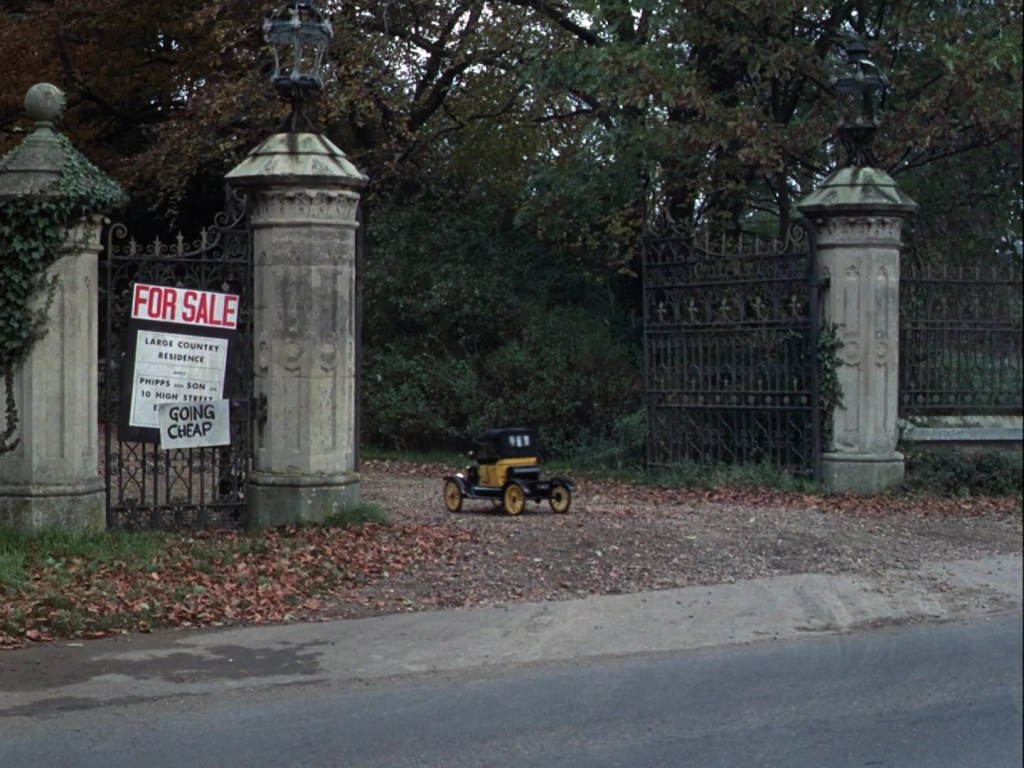
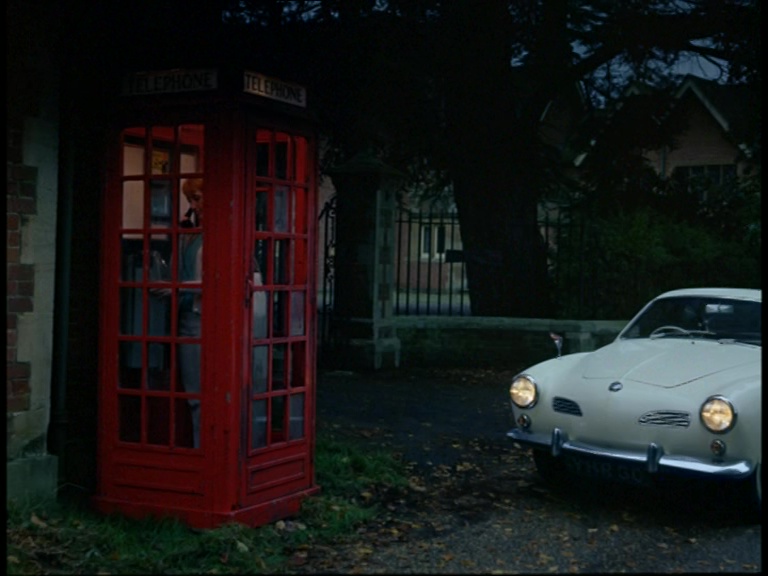
Unwin and Matthew arrive at the old estate which is actually the main gate of Oakley Court on Windsor Road in Bray – a grand house which was a home to the British production company Hammer Films at the time, and today it’s a hotel. It’s been spruced up quite a bit at some point in the last 50 years since this was filmed. John Lewis Phipps was an owner of the house between 1894 and 1908, and it’s therefore possible that the name of the agent listed on the “For Sale” sign here is a reference to him.
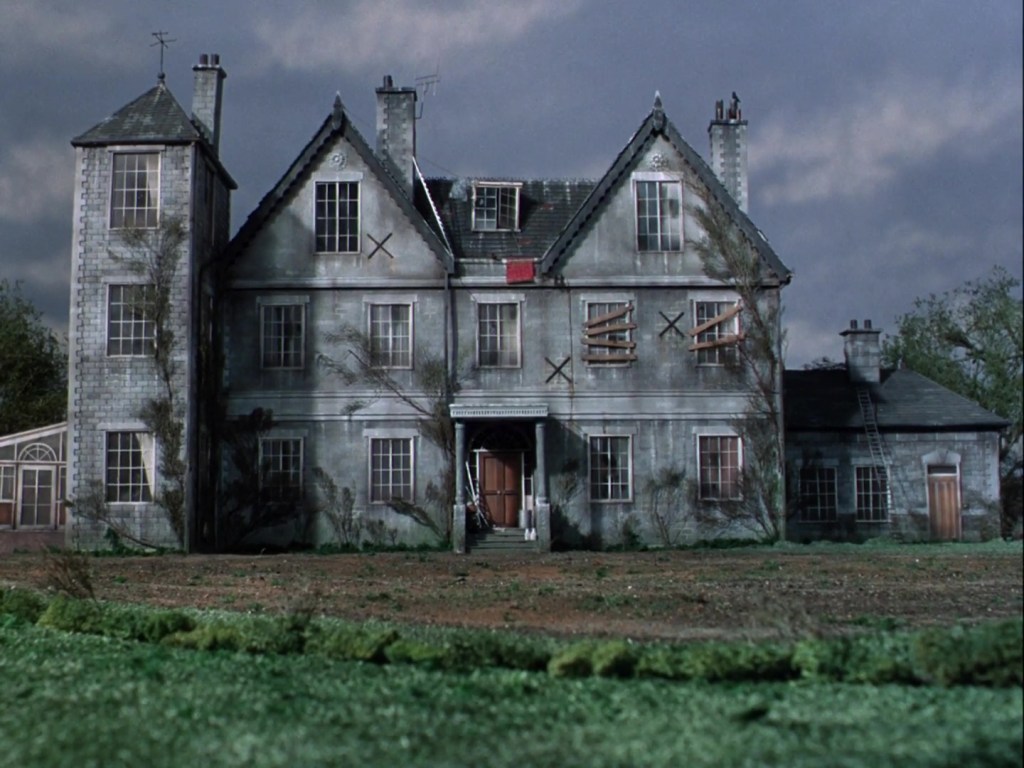
Probably because of the Tiger Moth sequences we’ll see later, the exterior of Oakley Court itself has not been used to represent the Hazelwell residence. Instead, we have this incredibly detailed model. I’d say it’s one of the most gorgeous and richly detailed sets the special effects department ever produced. From the overgrown plant life to the milk bottles on the front step to the bird perching on the chimney stack, absolute realism was clearly the aim of the game when this model was put together. The effects team may not have had much enthusiasm for The Secret Service when they started working on it, but they really stepped up and improved the quality of their work as the series went on and this is the culmination of that effort. The main part of the building likely started life as Clayton’s house from the Joe 90 episode See You Down There, but then the roof was modified, and the porch was added and the east wing and the west tower and the conservatory. It’s an example of a relatively simple model being brought to life by an artistic team who were obviously very enthused by the tone and energy of Tony Barwick’s script for this episode.

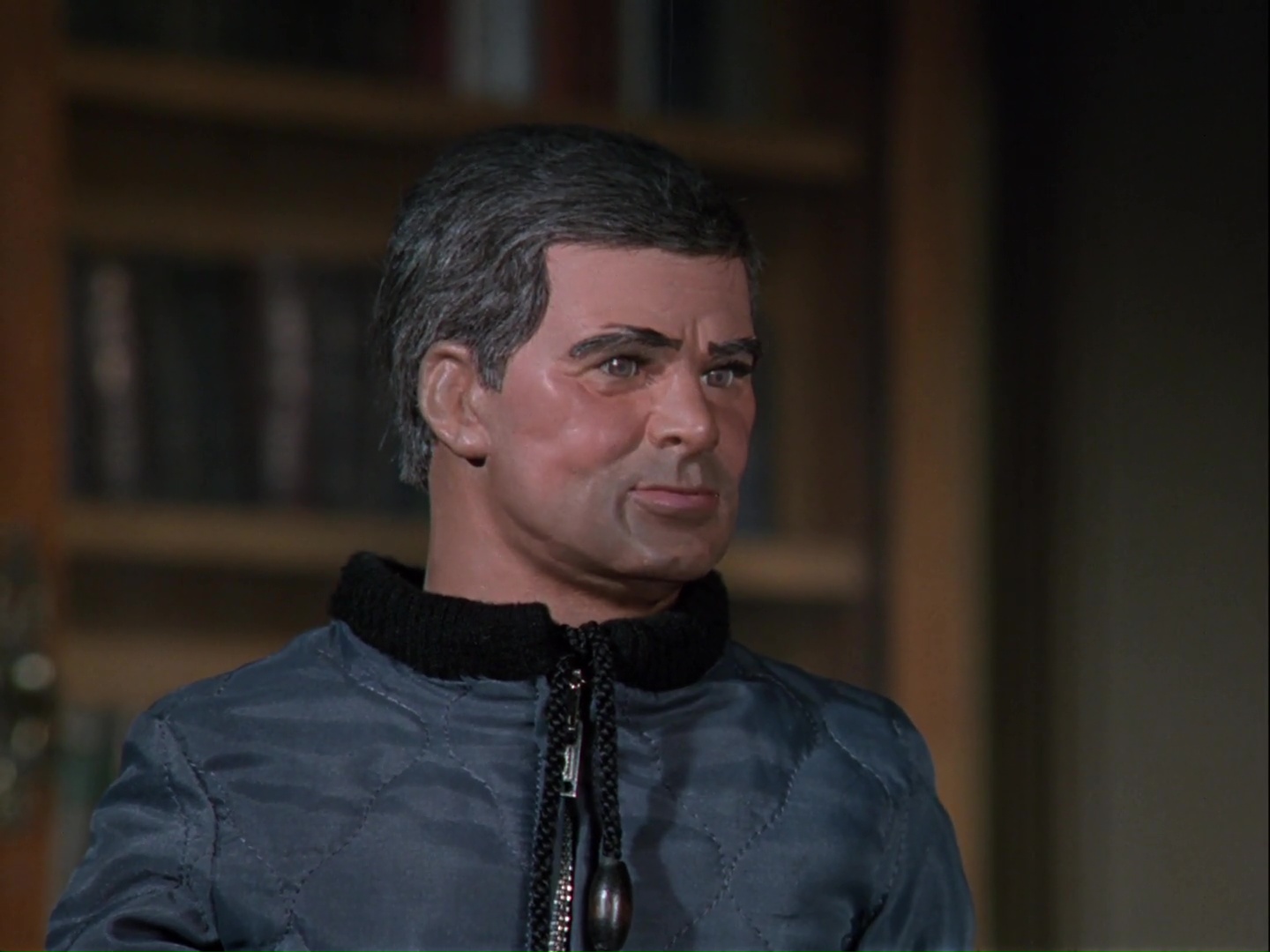
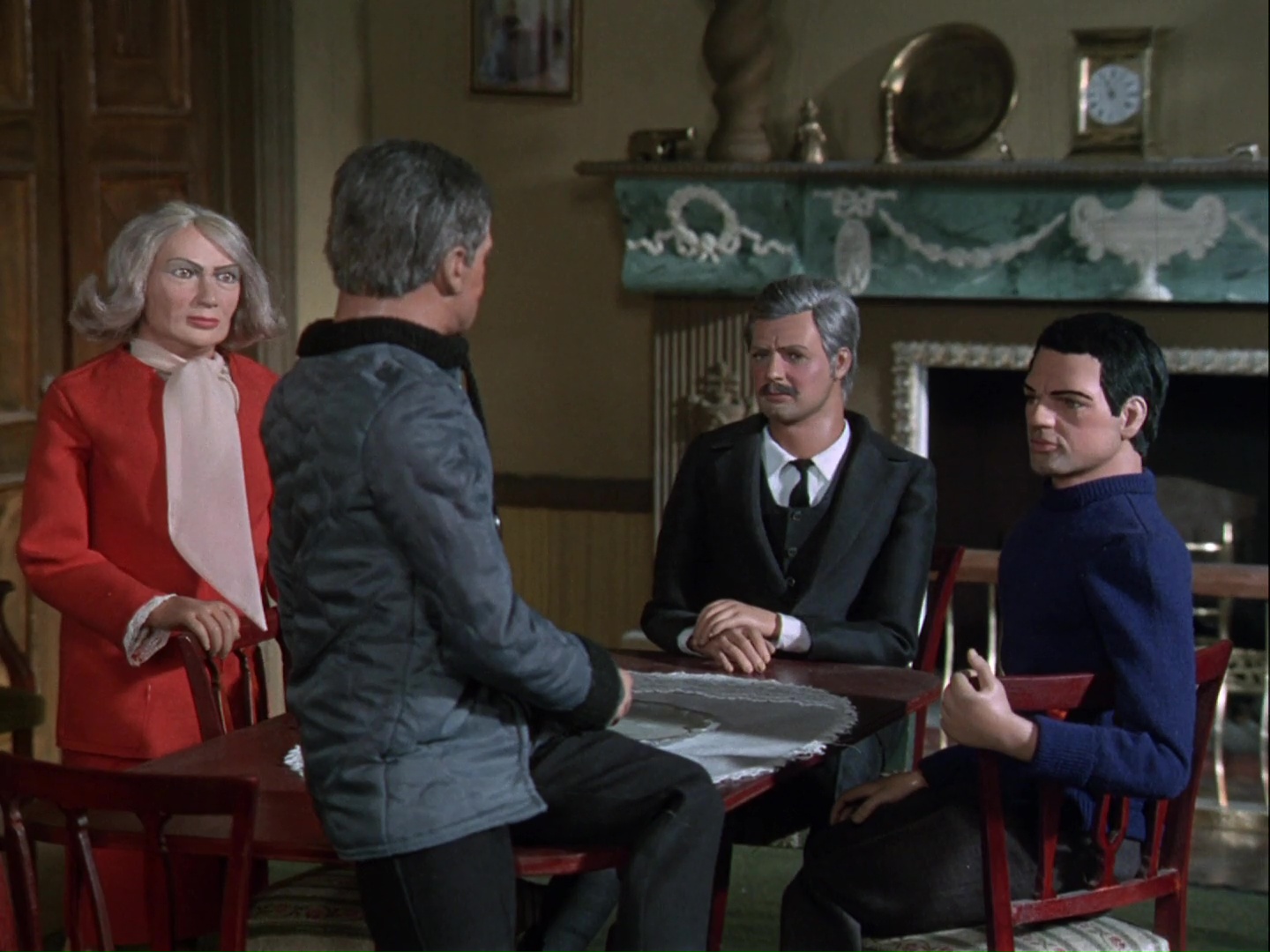
So, Lord Hazelwell outlines the plan for the front and back printing plates to be auctioned off to the highest bidder. They can’t be bothered with doing any of the actual forgery so presumably all that printing equipment in the basement was leftover from their late father’s operation.

Again, I’m not really sure what Spiker’s role in all of this is supposed to be. Perhaps some dialogue was trimmed from the original script which might have explained it better. The opening scene seemed to set him up as some sort of expert on fake currency so perhaps he was there to authenticate the plates in some capacity. He seems pretty adamant that he deserves a share in this endeavour so he must have some sort of part to play.
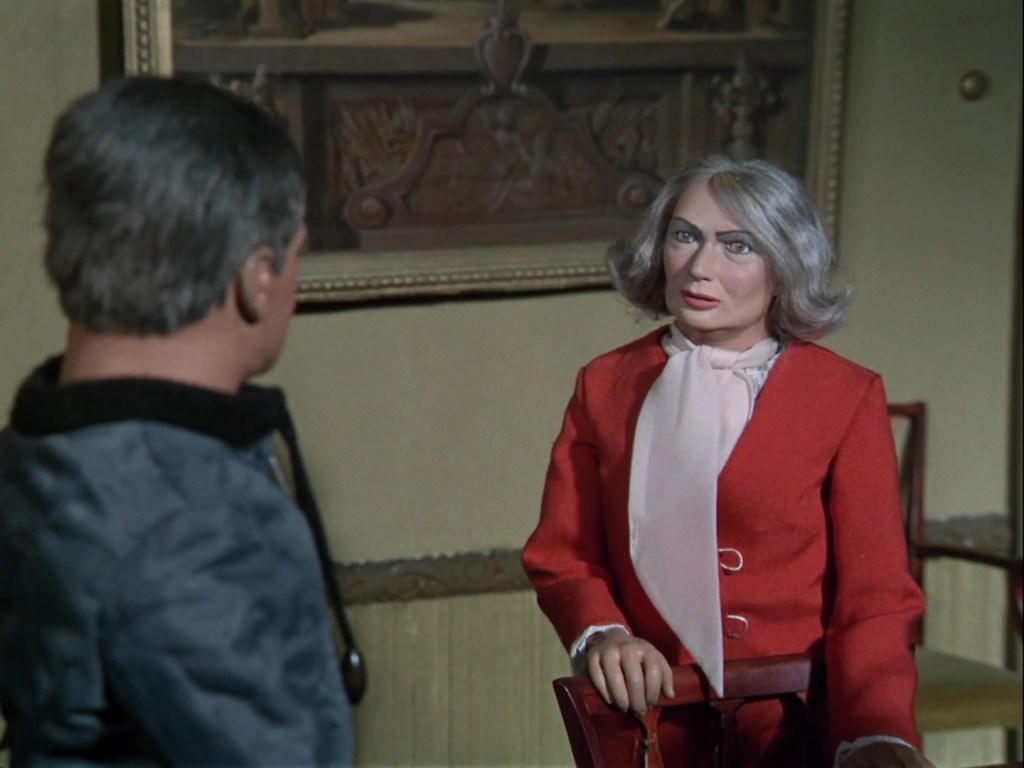
Lady Martha isn’t afraid to bare her teeth when Mullins gets a bit chippy. Now it can’t have escaped your attention that the puppet head used to portray Lady Martha previously belonged to a number of male guest characters – usually various butch commandant type characters seen throughout Joe 90 and The Secret Service. Some sources identify her as being a redesign of the Mrs Harris character from Joe 90 but I don’t see the resemblance. I think the puppet department using a male puppet as a base for the character makes sense as a bit of an in-joke, seeing as the voice is being provided by a man and her live-action stunt double is… well… we’ll get to that later.

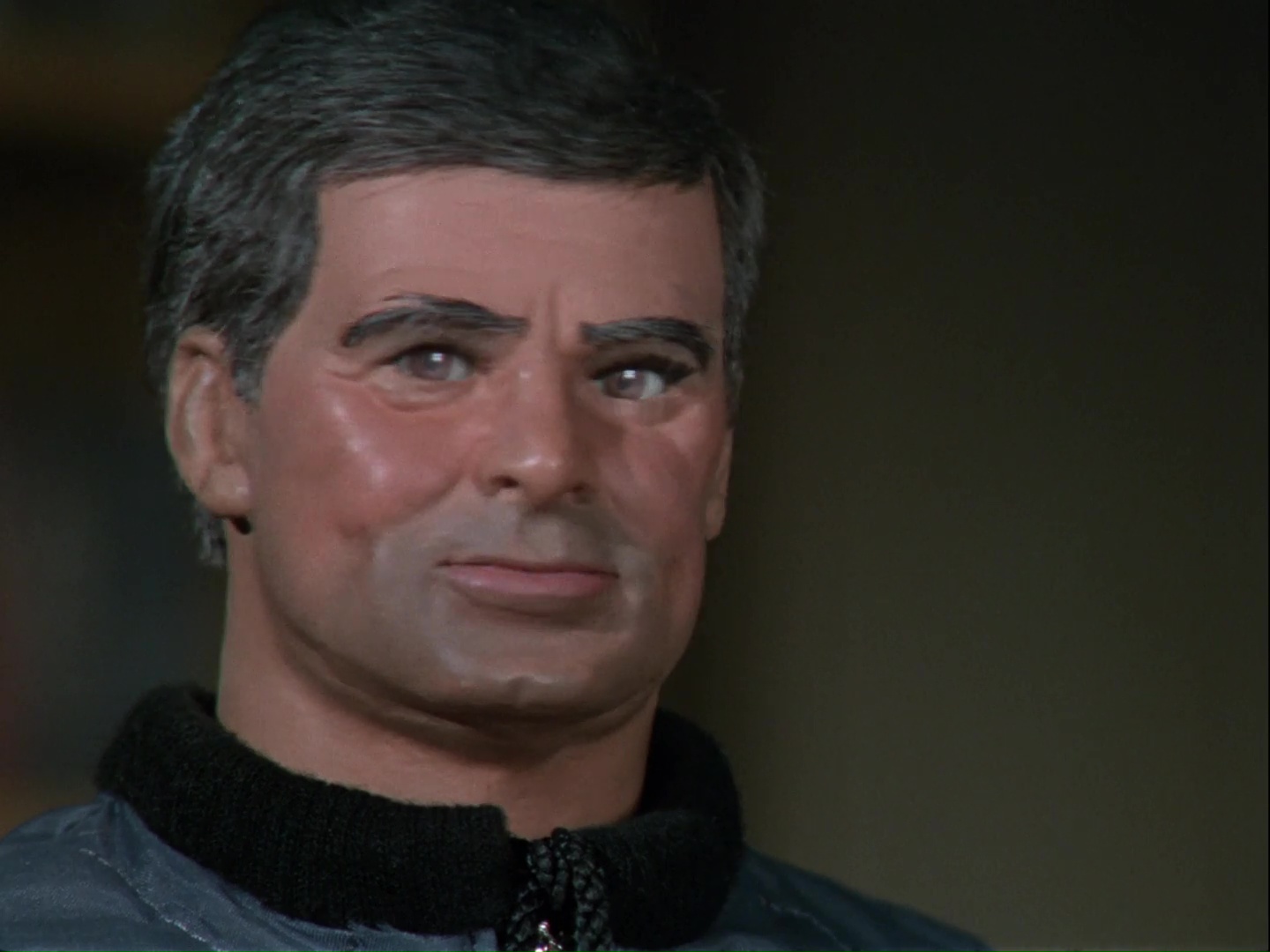
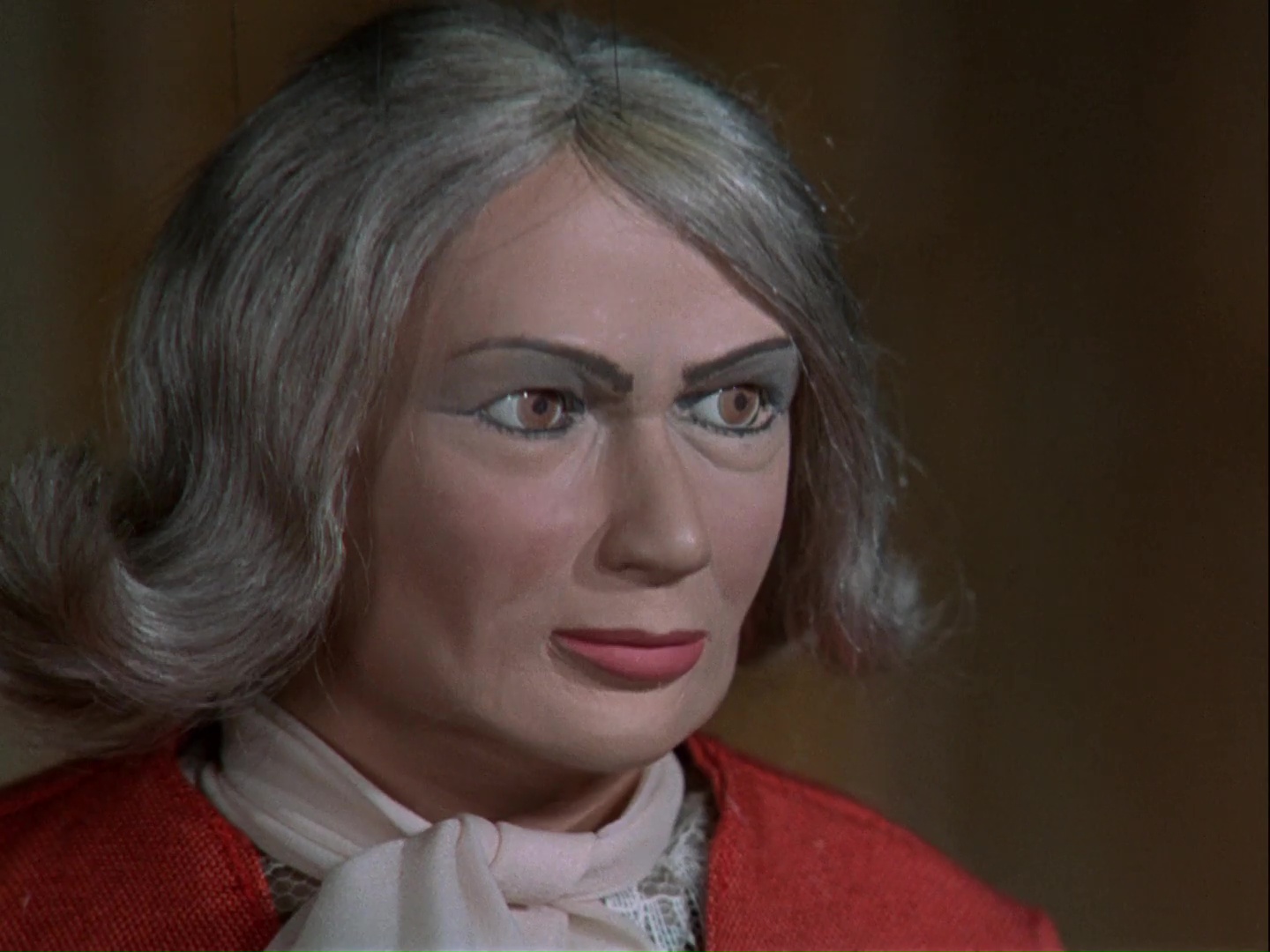
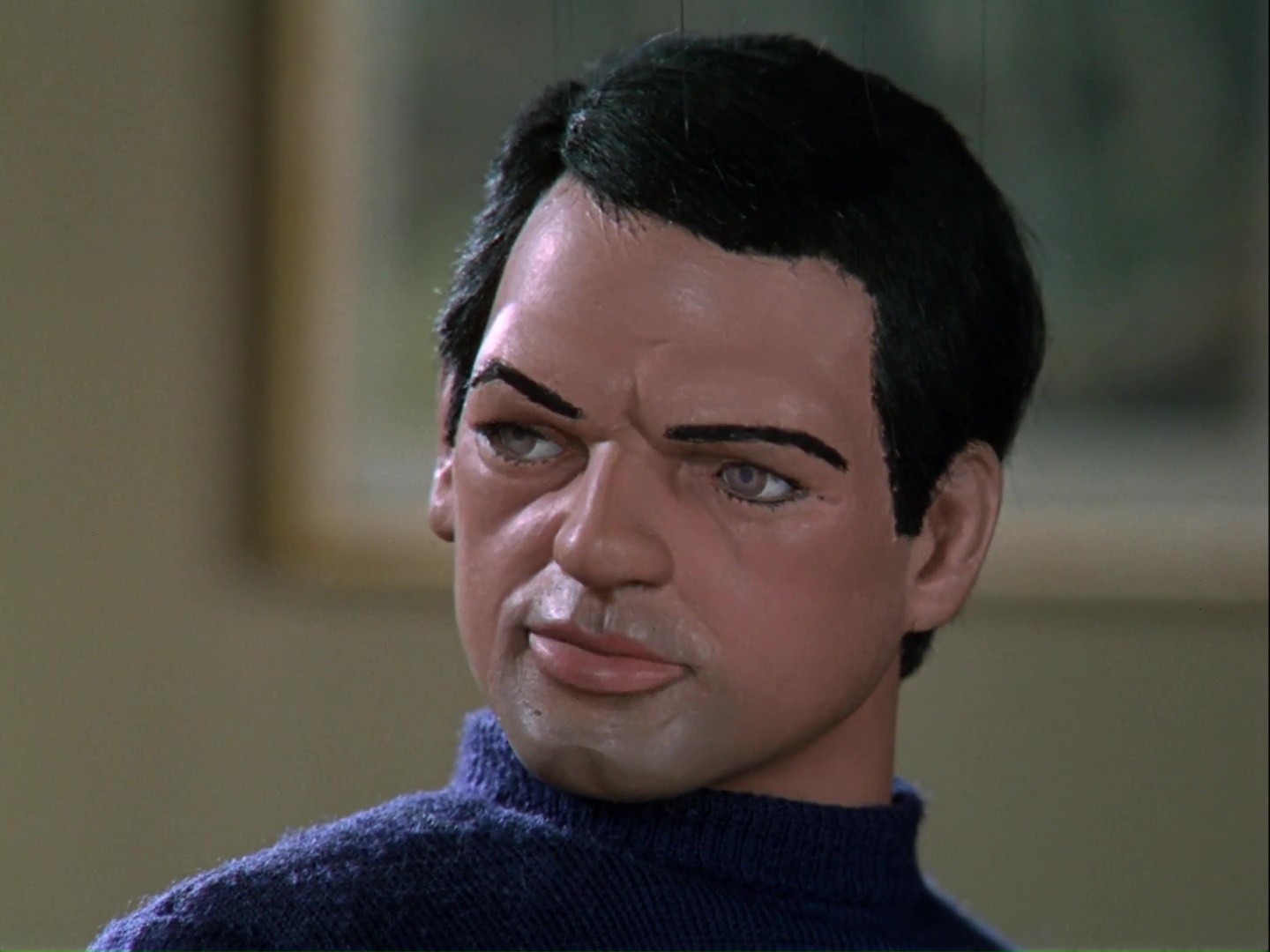
The volcano erupts when Lord Hazelwell proposes that the money from the sale of the plates be split between them very much in his favour. The argument is allowed to flow freely between the characters and the outrage feels suitably over the top to signify their instinctive collective greed. The particulars of the percentages are a running gag throughout the episode to highlight the delicious pettiness and sly dealings of the four crooks.
Some of the more pedestrian, uninteresting guest characters we’ve seen in previous episodes of The Secret Service wouldn’t be able to carry this sort of broad comedy material. But because these baddies are caricatures the likes of which you might find in an episode of Supercar they’re able to go over the top to sell the ridiculous animosity for all its worth. Leaning hard into those “loveable rogue,” “dim-witted sidekick,” “scheming aristocrat” sorts of character archetypes worked a treat with the larger-headed, more exaggerated villains in the black-and-white era of Supermarionation. The approach was abandoned and replaced with more realistic criminals when the likes of Captain Scarlet came along which served the tone of that particular series well. For The Secret Service, Tony Barwick has stumbled upon the fact that the childishness of more caricatured villains is actually a better fit for the unusual format of the series, than Scarlet and Joe 90’s more straight-laced villains.

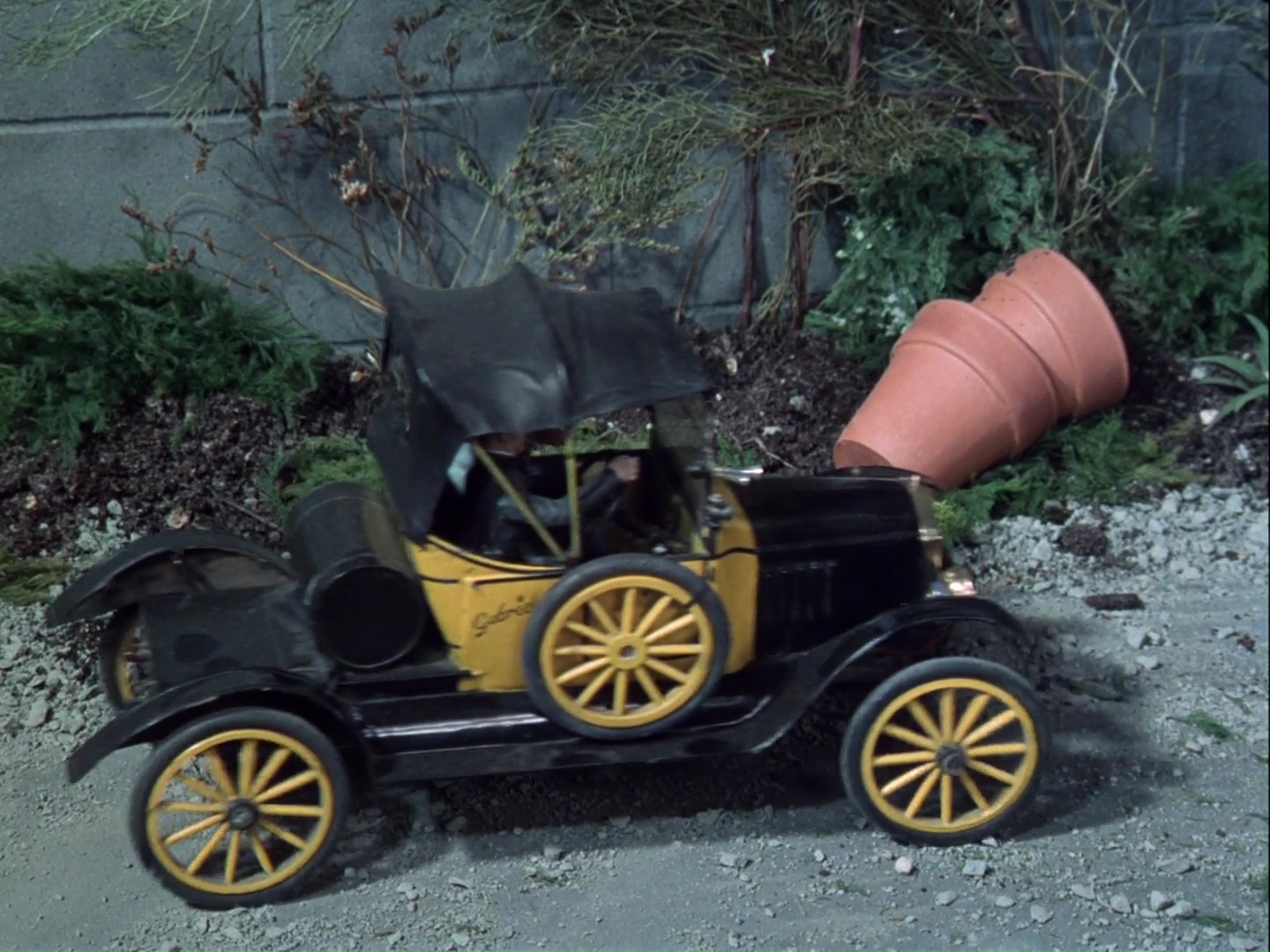
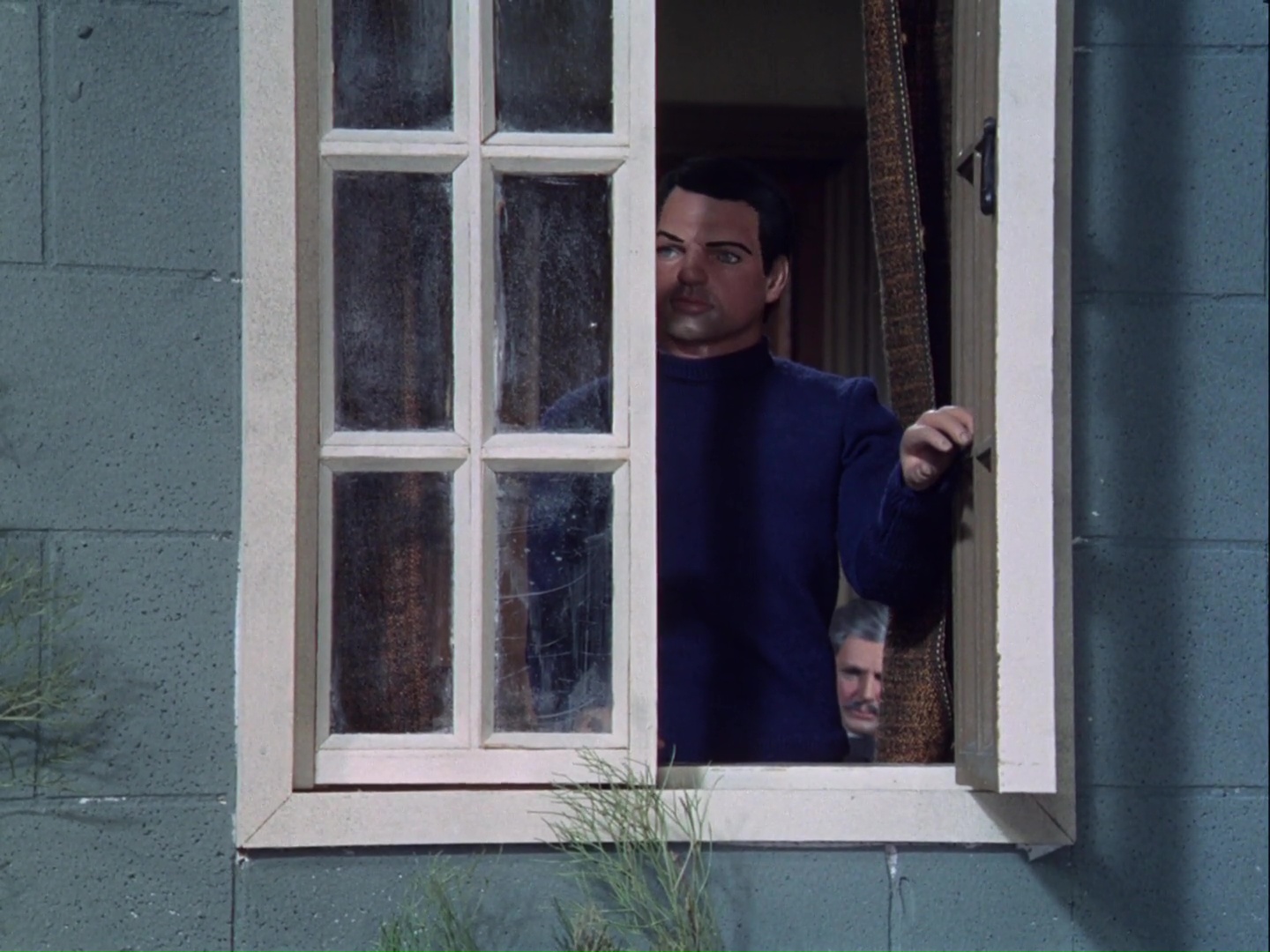
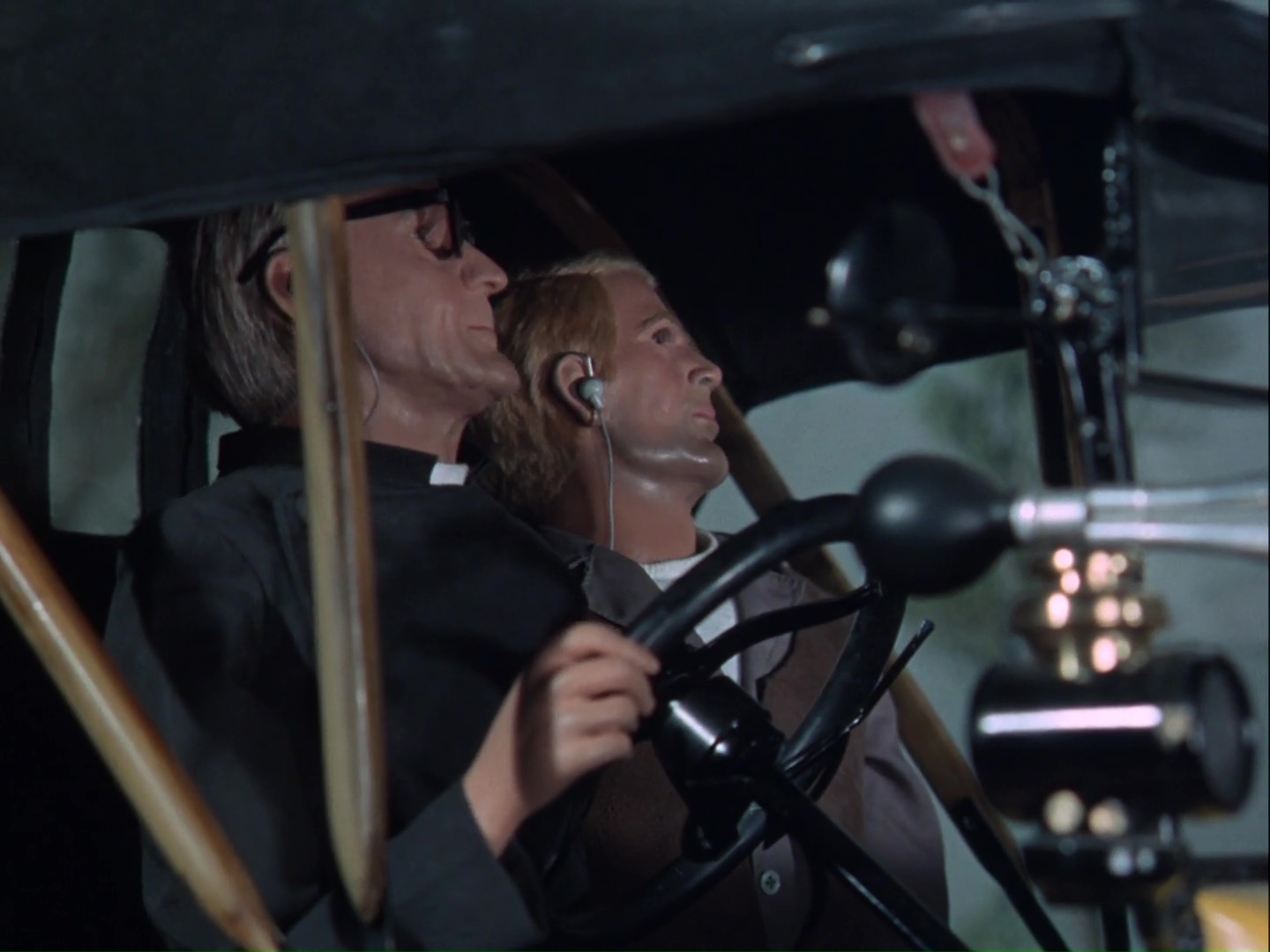

Somehow, Spiker manages to interrupt the argument when he hears the sound of a car approaching. The tiniest model of Gabriel is wheeled onto the puppet set so that the Spiker marionette is able to glance out of the window. Unwin and Matthew, also appearing as marionettes, appear delightfully tiny as they look up at the window in trepidation. Even though the puppets are the same height, I can always buy it when one character is supposed to be miniature and another is normal-sized. The directors always have a great knack for shooting the scene so that I’m not confused by the different relative sizes. I think it’s far more effective than having a puppet interact with a real human actor.
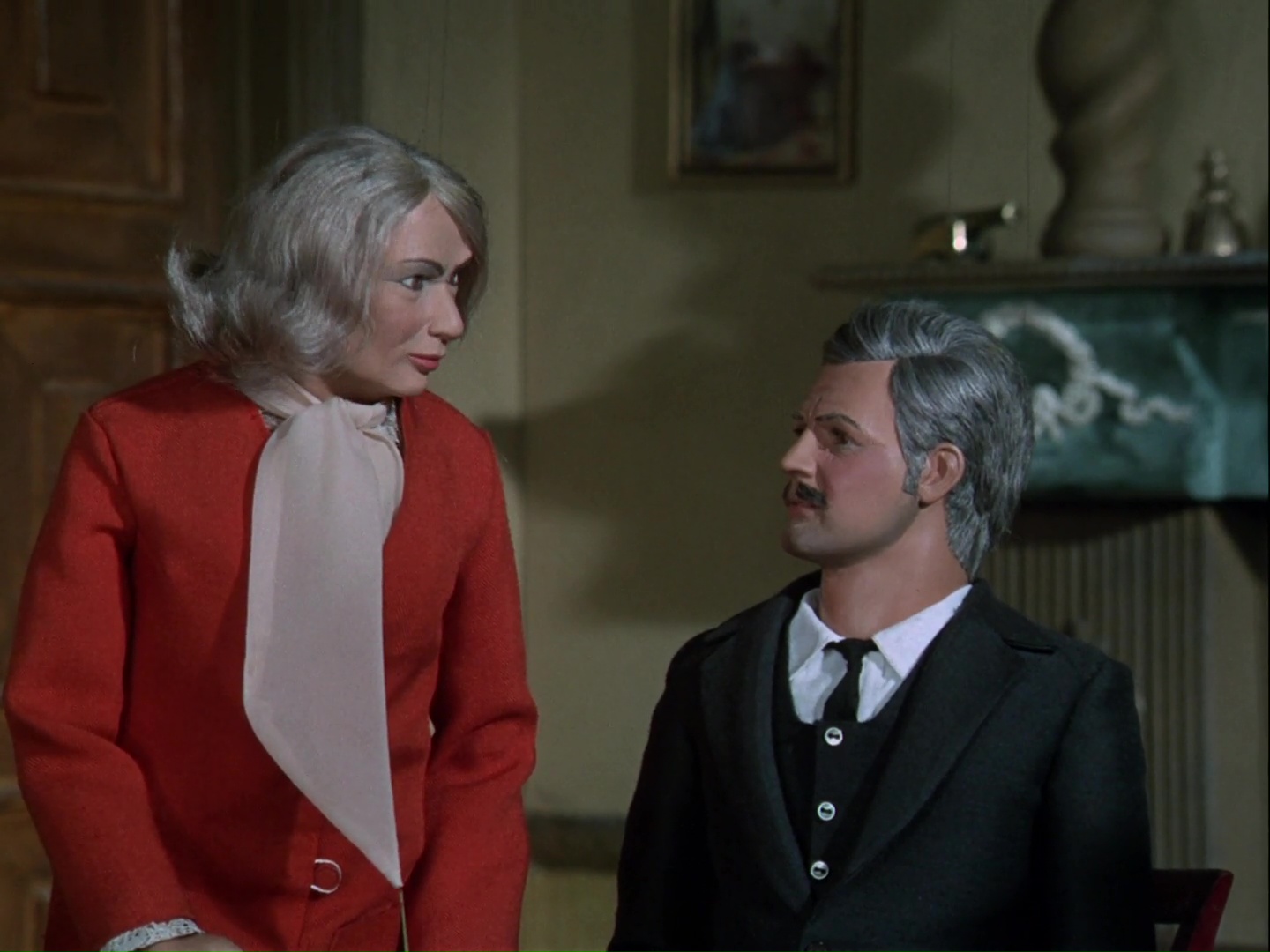
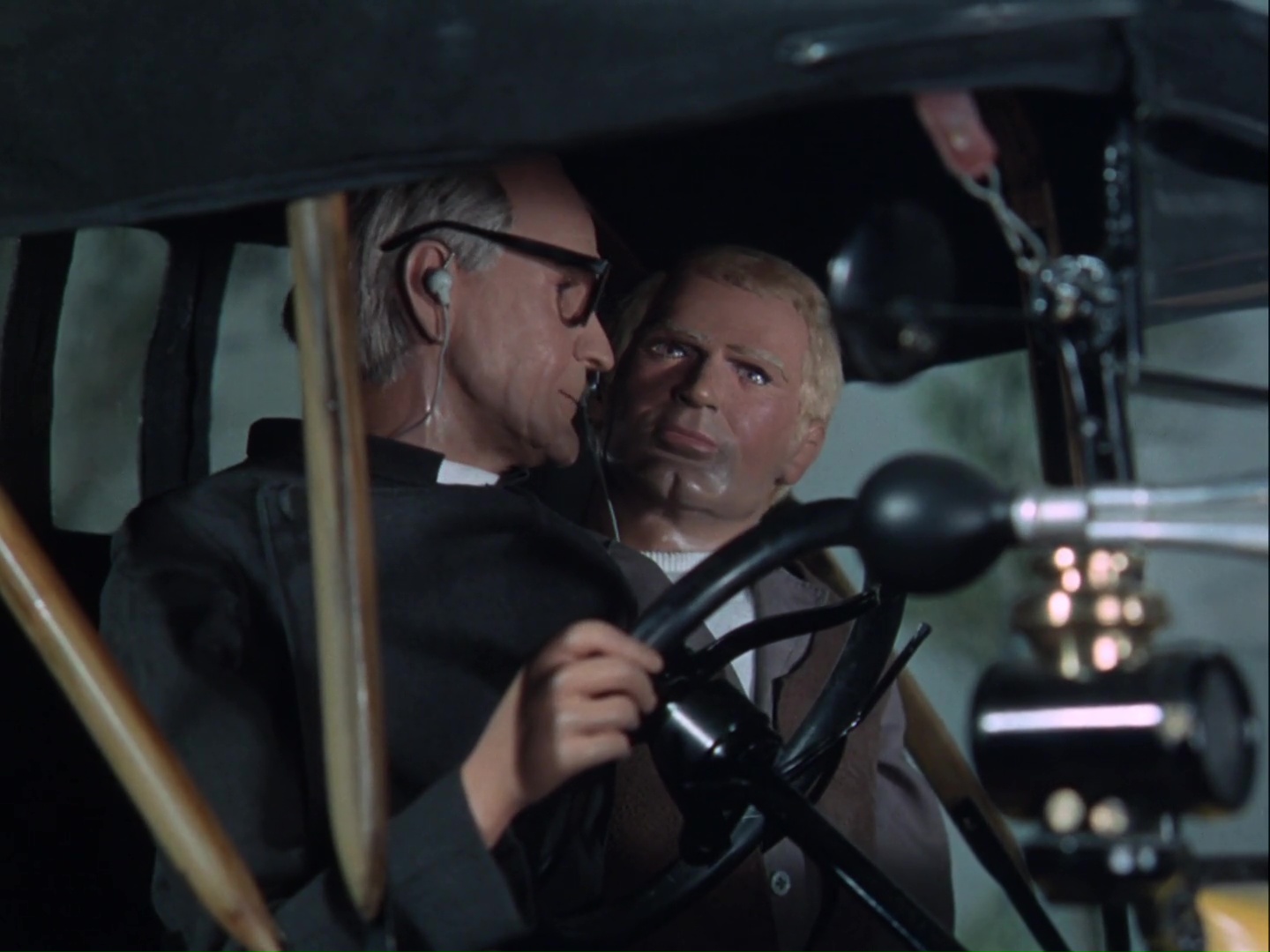
And with that, Edward announces it’s for bed… exchanging a look with Martha as he does so… naughty.
Unwin and Matthew plan to enter the house as soon as it’s dark to find out what’s happening. So the plot is still very much unfolding without their direct involvement.
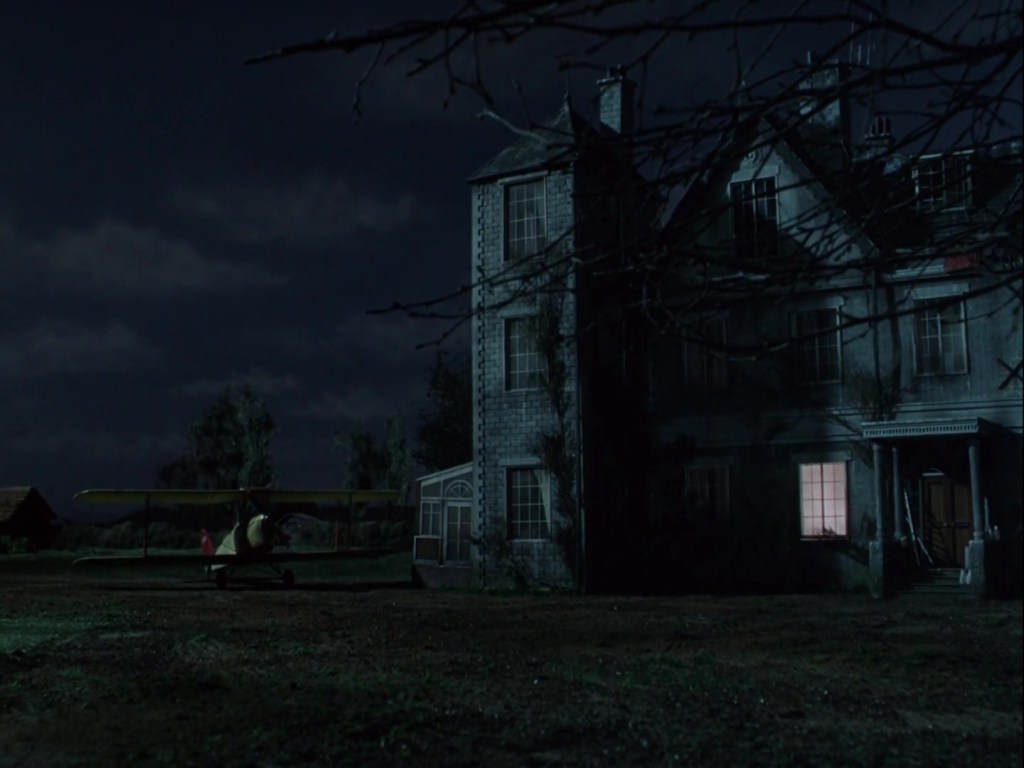
Night falls as the episode continues to race along. Here we have Chekohv’s biplane.
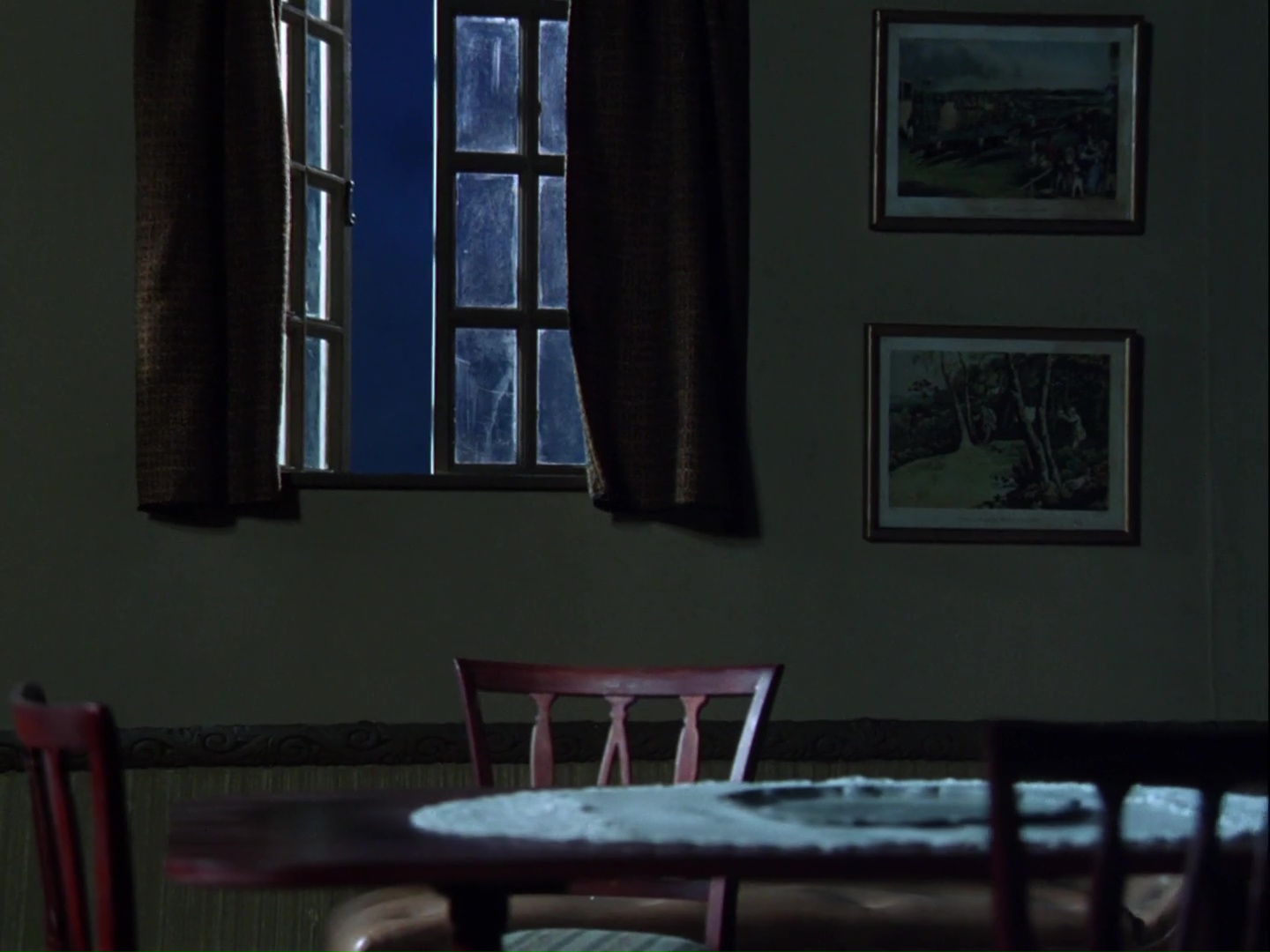
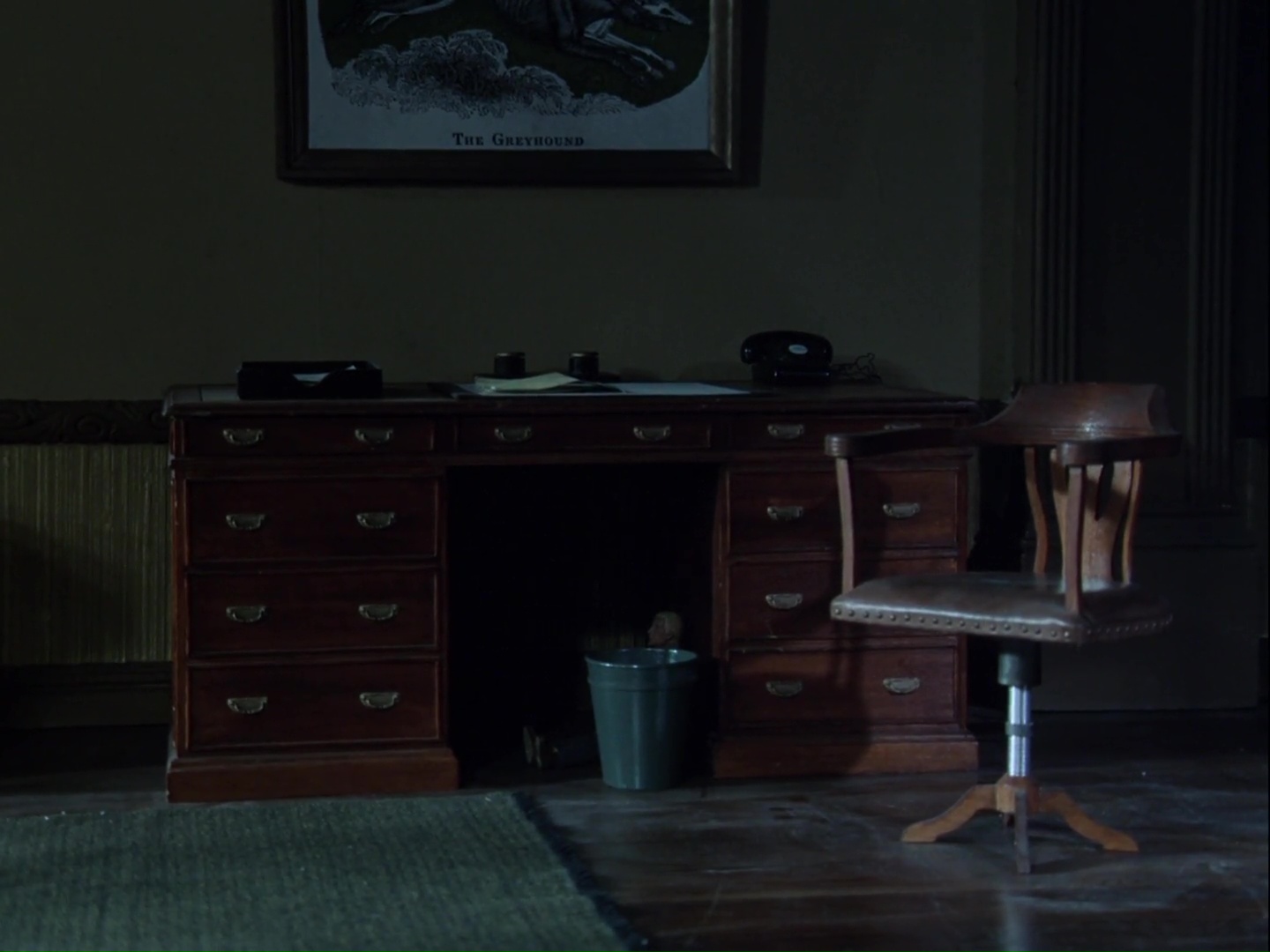
The set last seen as the seminary office in School For Spies has been repurposed to serve as an empty study inside the house. Unwin and Matthew hide underneath a desk behind a well-positioned bin. Well, I say Unwin and Matthew, technically it’s just Matthew. Yes, the mini-mini faceless Matthew goblin doll is making its final appearance here. Because no such beast was ever created in Stanley Unwin’s likeness, the set has had to be lit so that we can only spot Matthew in the shadows. Clever.
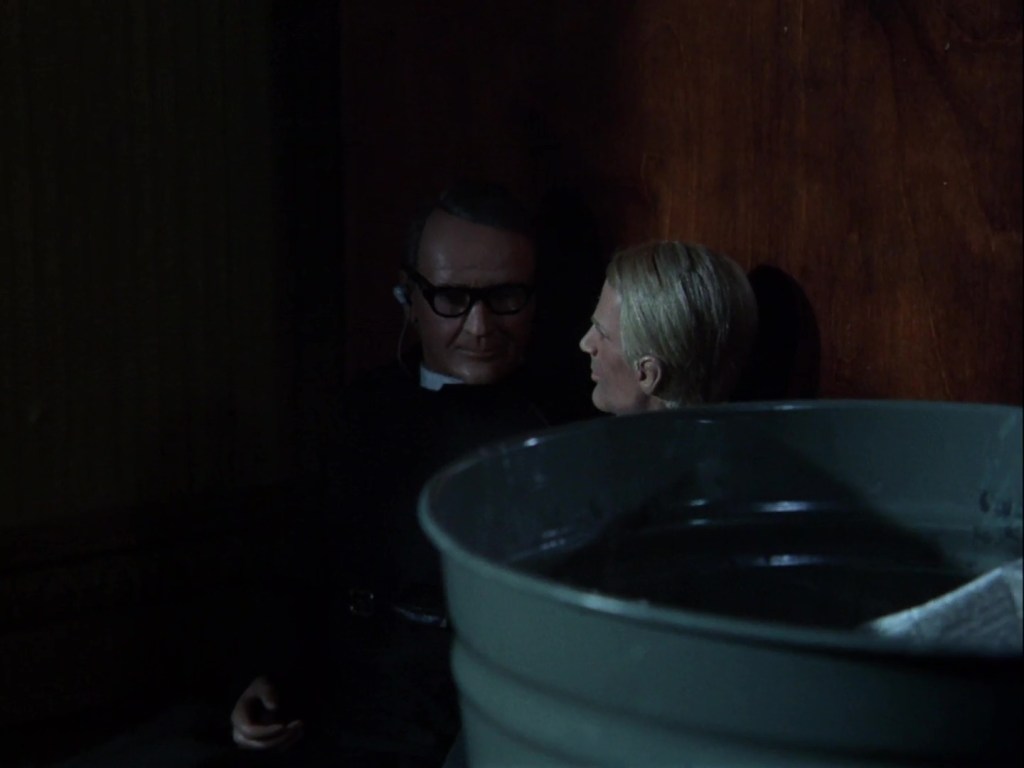
Elegantly, the camera creeps in towards the marionettes as if Unwin is appearing from out of the shadows now he’s in close-up. Of course, with Unwin remaining puppet-sized for the entire episode, it negated any need for the real Stanley Unwin to film any live-action inserts for More Haste Less Speed. In fact, we haven’t seen him properly since School For Spies. He was still attending dialogue recording sessions though, so I hardly think anyone was trying to axe him from the series altogether… as much as some may have wanted to.
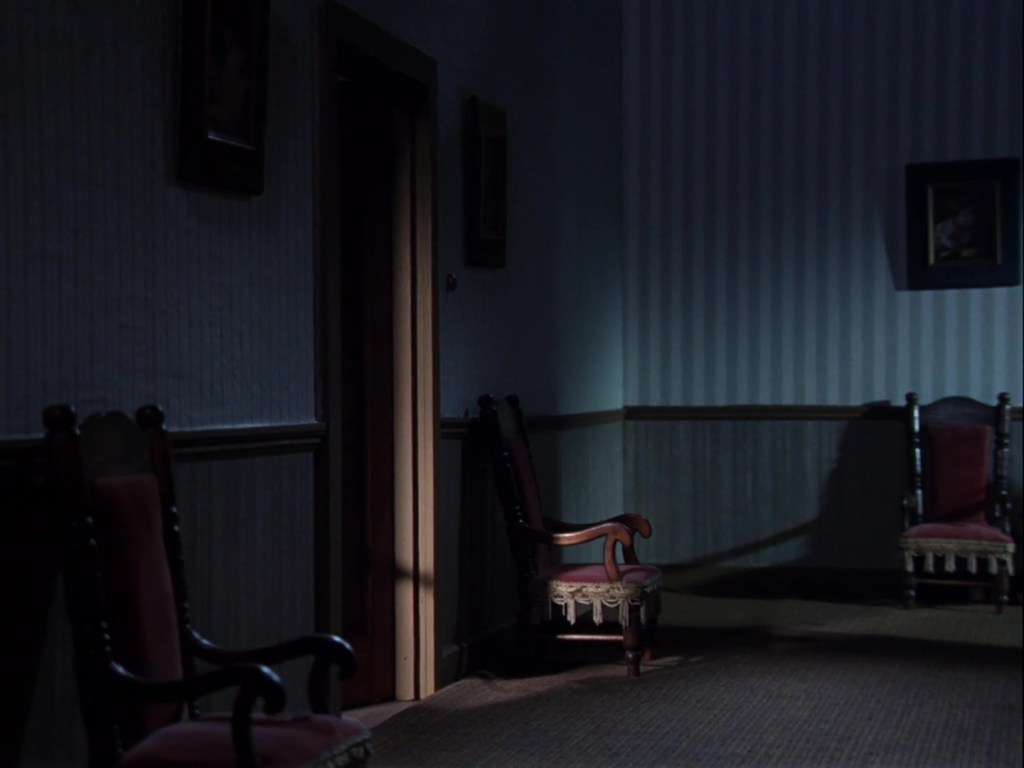
From Edward and Martha’s room upstairs we hear a cheeky cry of, “you’re so devious” before they’re revealed… you’re going to have to work very hard to convince me that nothing improper is being implied here.

You must admit that’s a very sexually aggressive stance Edward is pulling for his sister’s benefit.
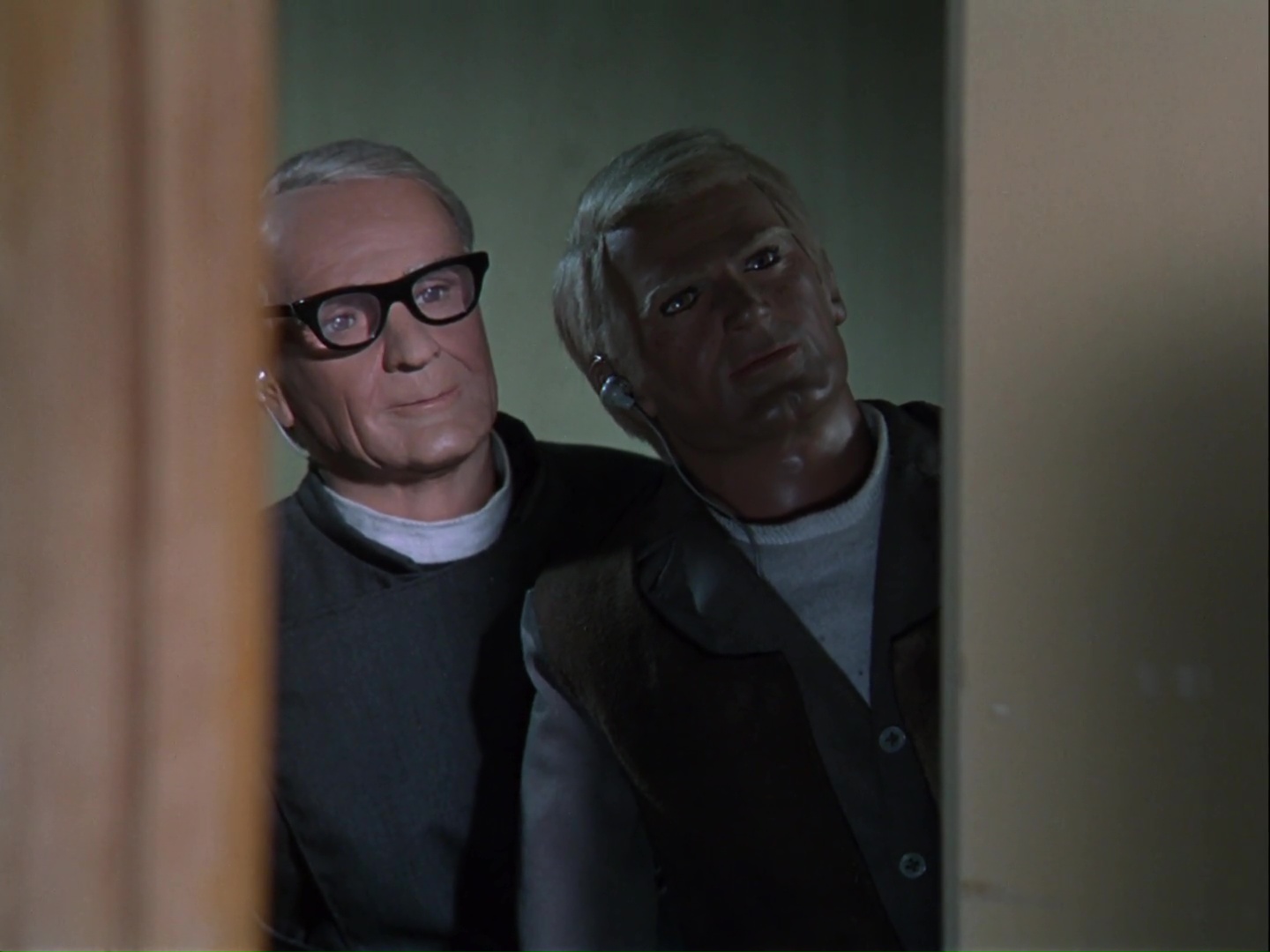

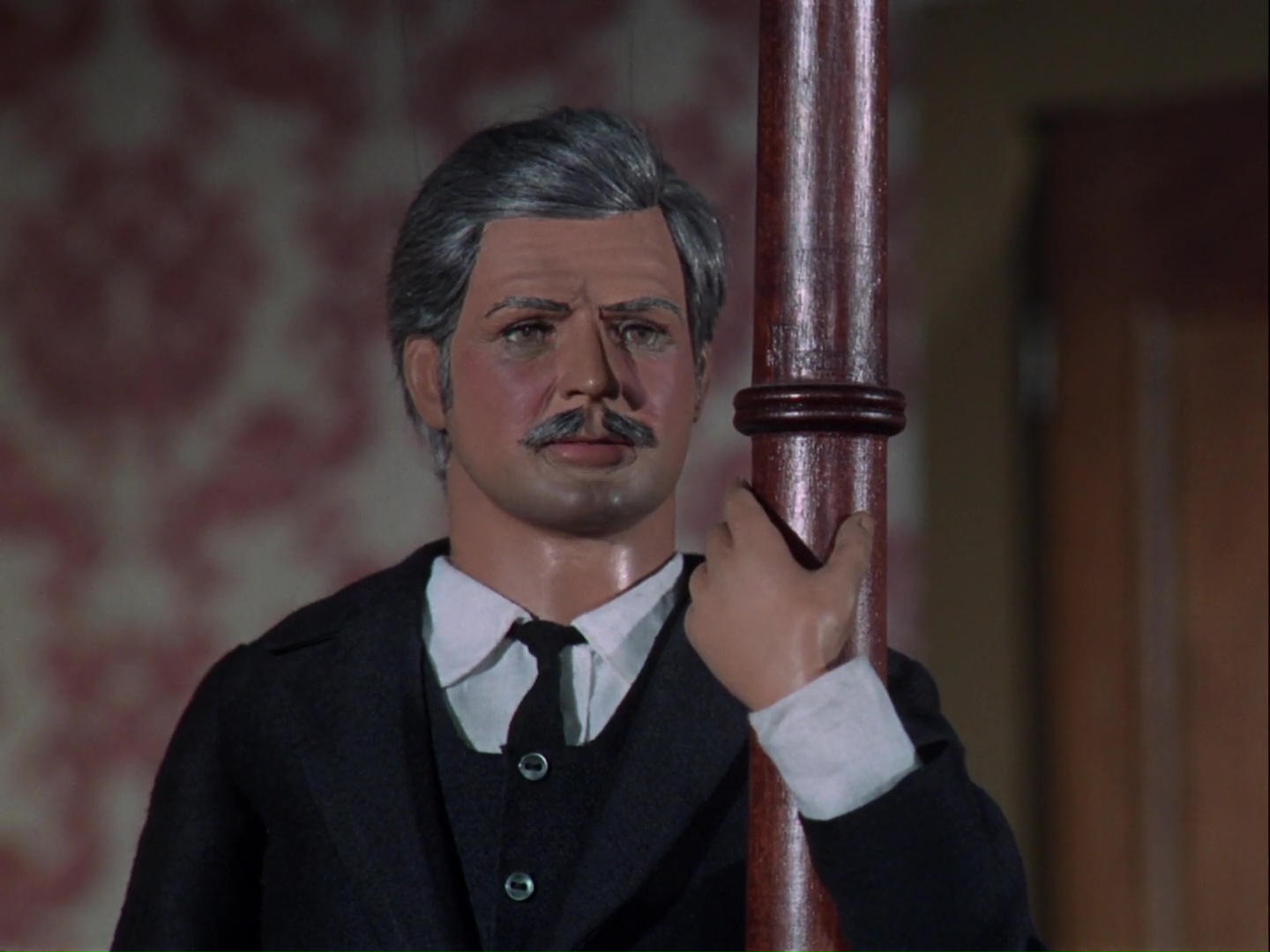
Matthew and Unwin watch quietly as Edward informs Martha of his scheme to nudge Mullins and Spiker out of the picture as soon as they locate the second plate. Just listen to the way Edward loses control of himself as he giggles, “Oh dearest Martha.” It’s icky. So hilariously icky. Heck even the phrase “20 for you and 80 for me,” sounds like a revolting proposition. I’m sure Martha doesn’t mind only getting 20% of the cash when darling Eddie starts sucking on her webbed toes.
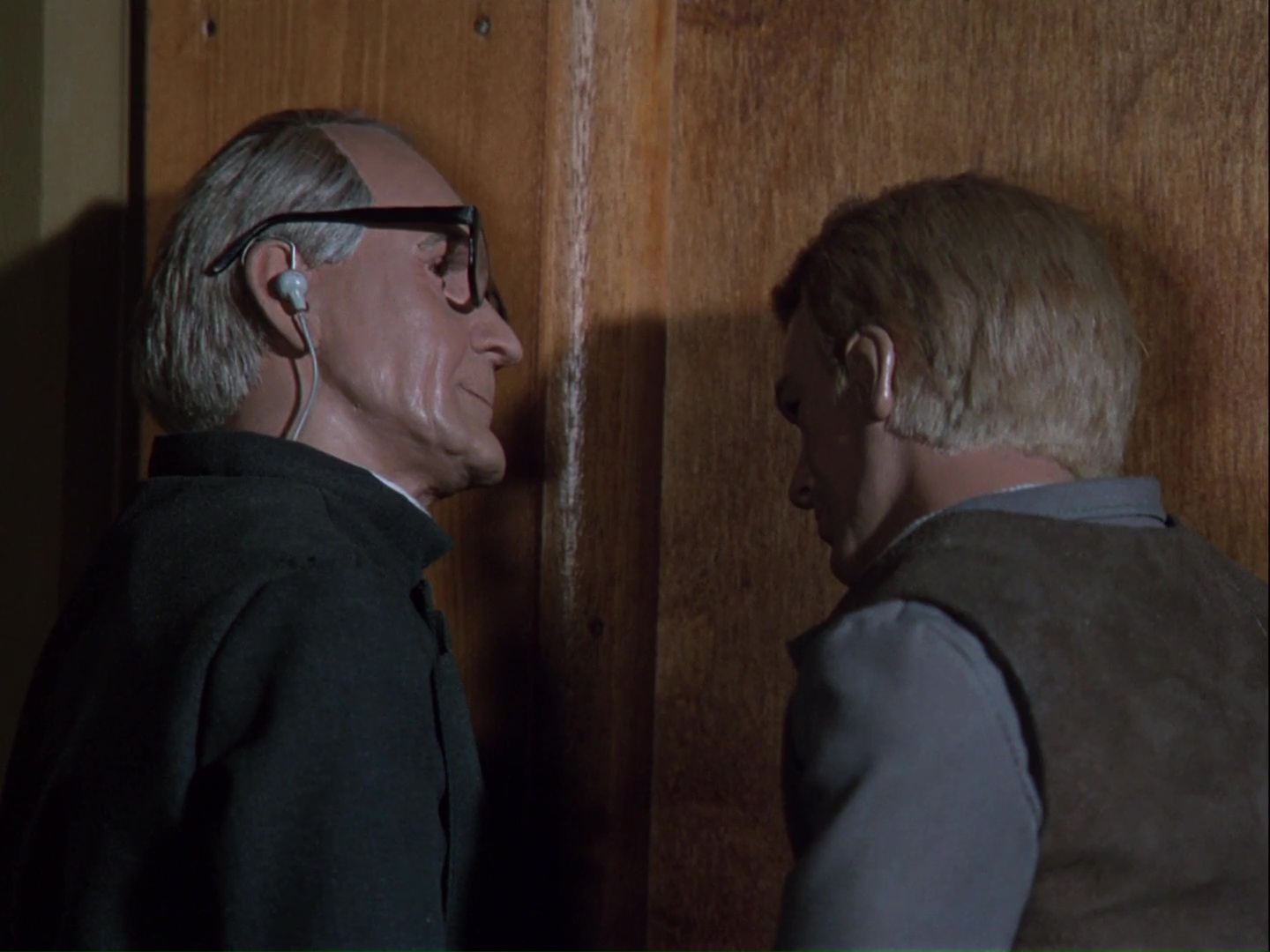

Over in Mullins’ room, Unwin and Matthew listen in on another conversation that isn’t quite so perverse. Spiker seemingly views Mullins as a kindred spirit and neither of them trust the blue-blooded freaks across the hallway.

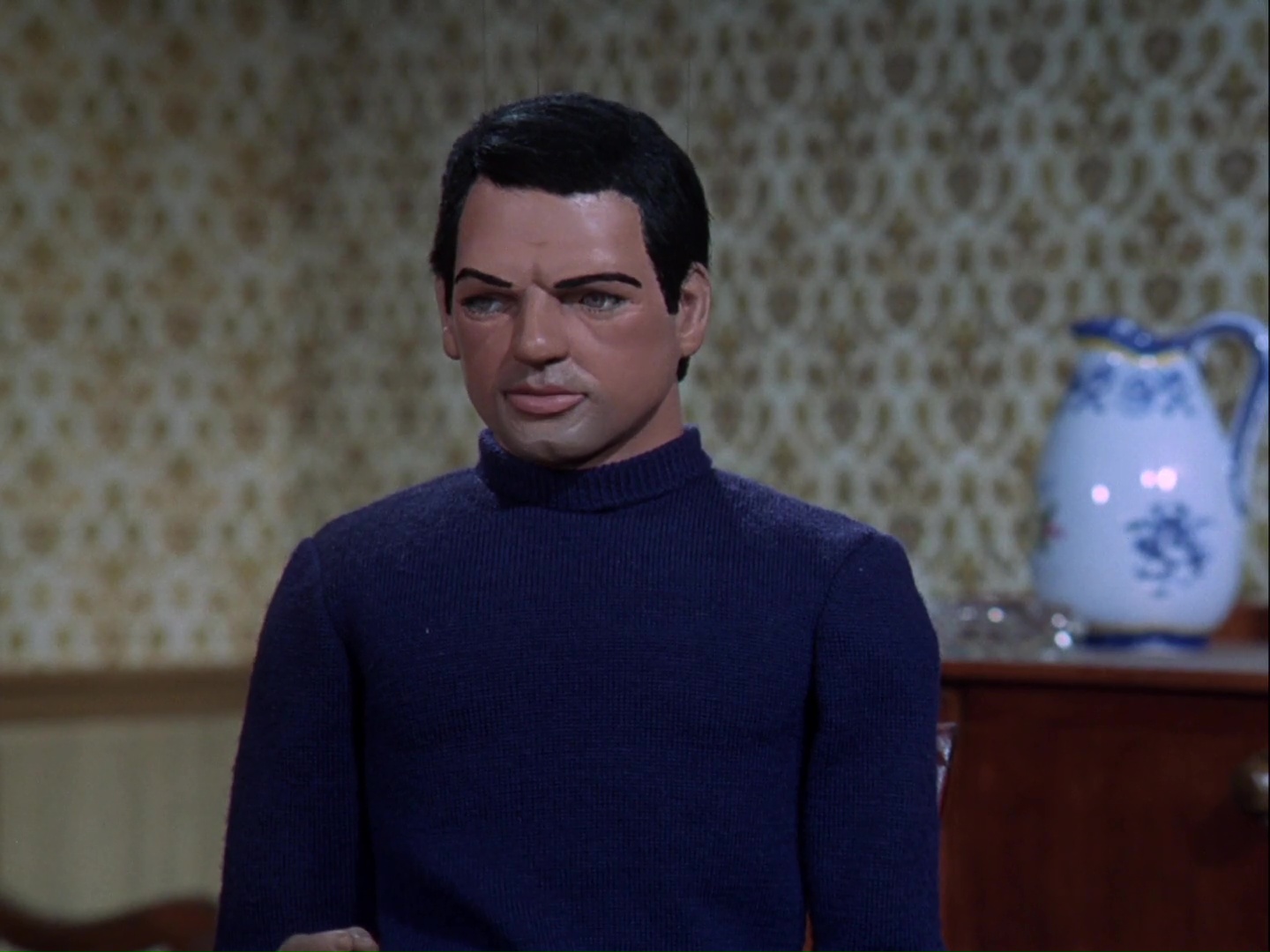
Mullins has presumably been in the house for quite some time now yet he still has his anorak on and done up tight. Spiker certainly has a wicked and scheming side to him, but the question is whether he actually has the brains to back it up. I suspect not. Mullins seems to be the only player in this game who isn’t ruled by greed. He’s able to handle Spiker’s suggestion of a 50/50 split quite coolly. Mullins might just be the smartest of the bunch which is probably why he comes across as slightly less interesting compared to the other morons.
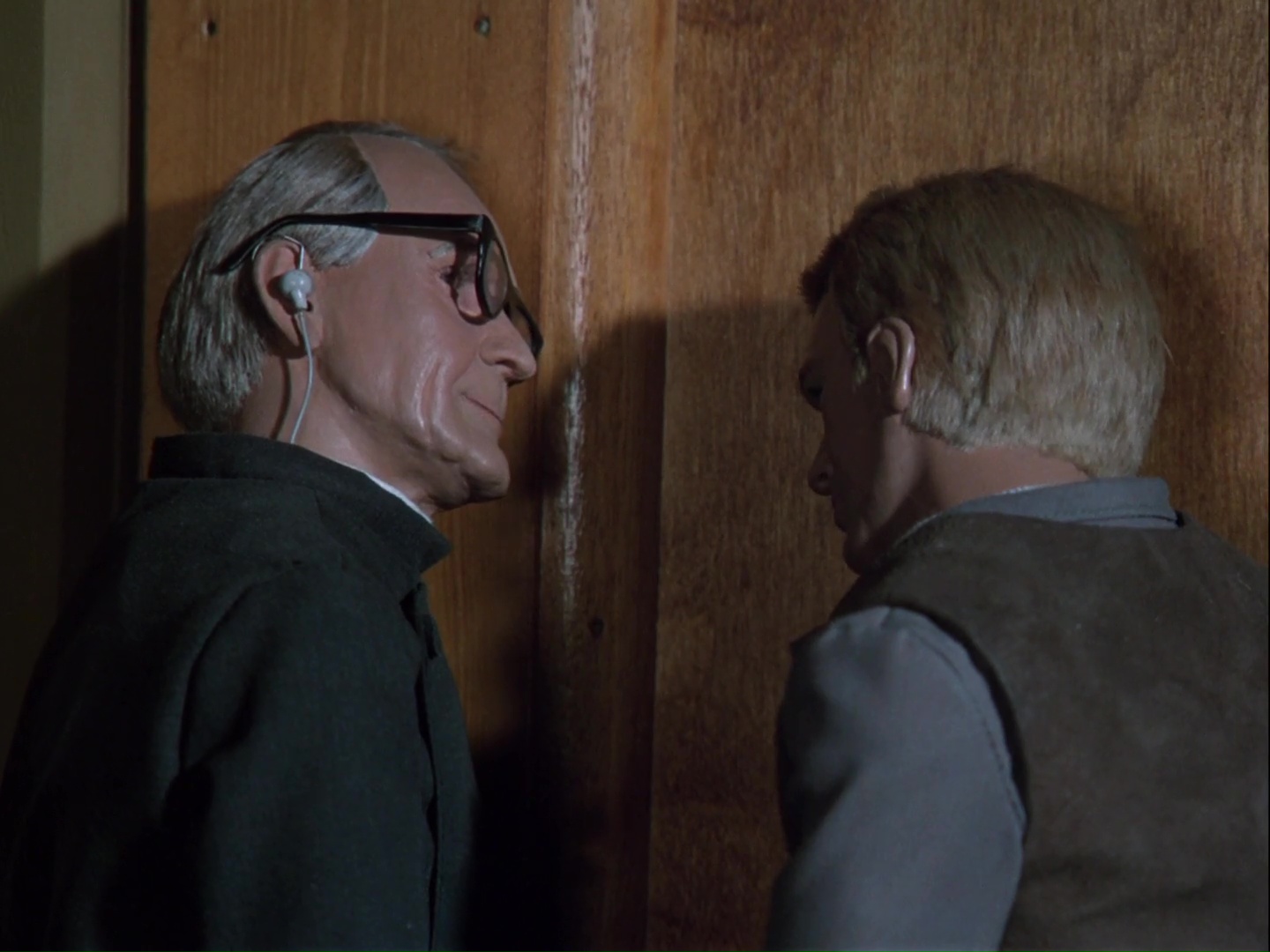

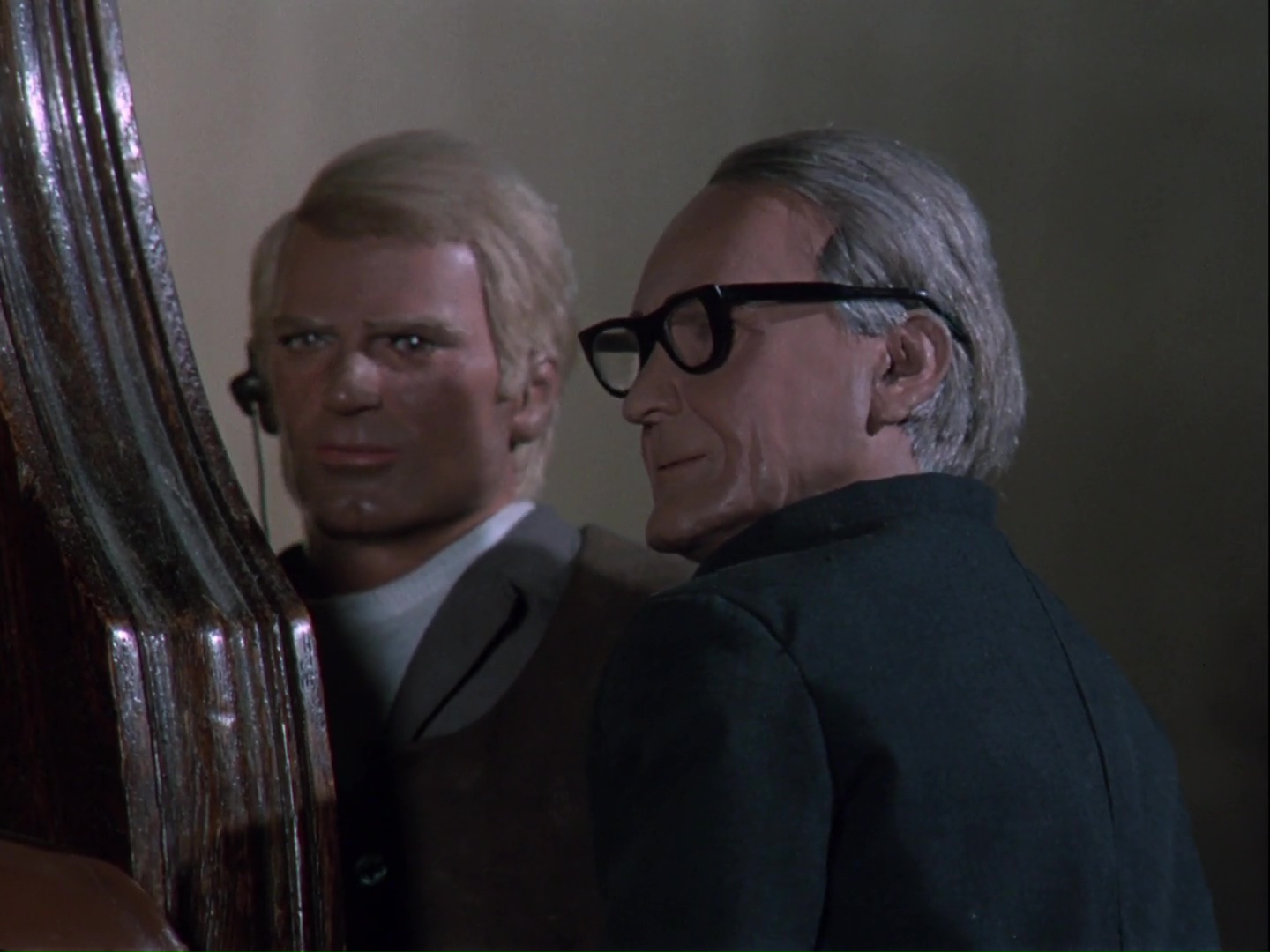
Matthew and Unwin charge down the corridor to avoid getting caught. These shots are quite clearly achieved using the under-control puppets rather than the standard marionettes suspended from above. The way Unwin’s head tilts as he rounds the corner is an incredibly nuanced bit of movement and goes to show how skilled the puppeteers had become with this relatively new method of operating for Century 21.
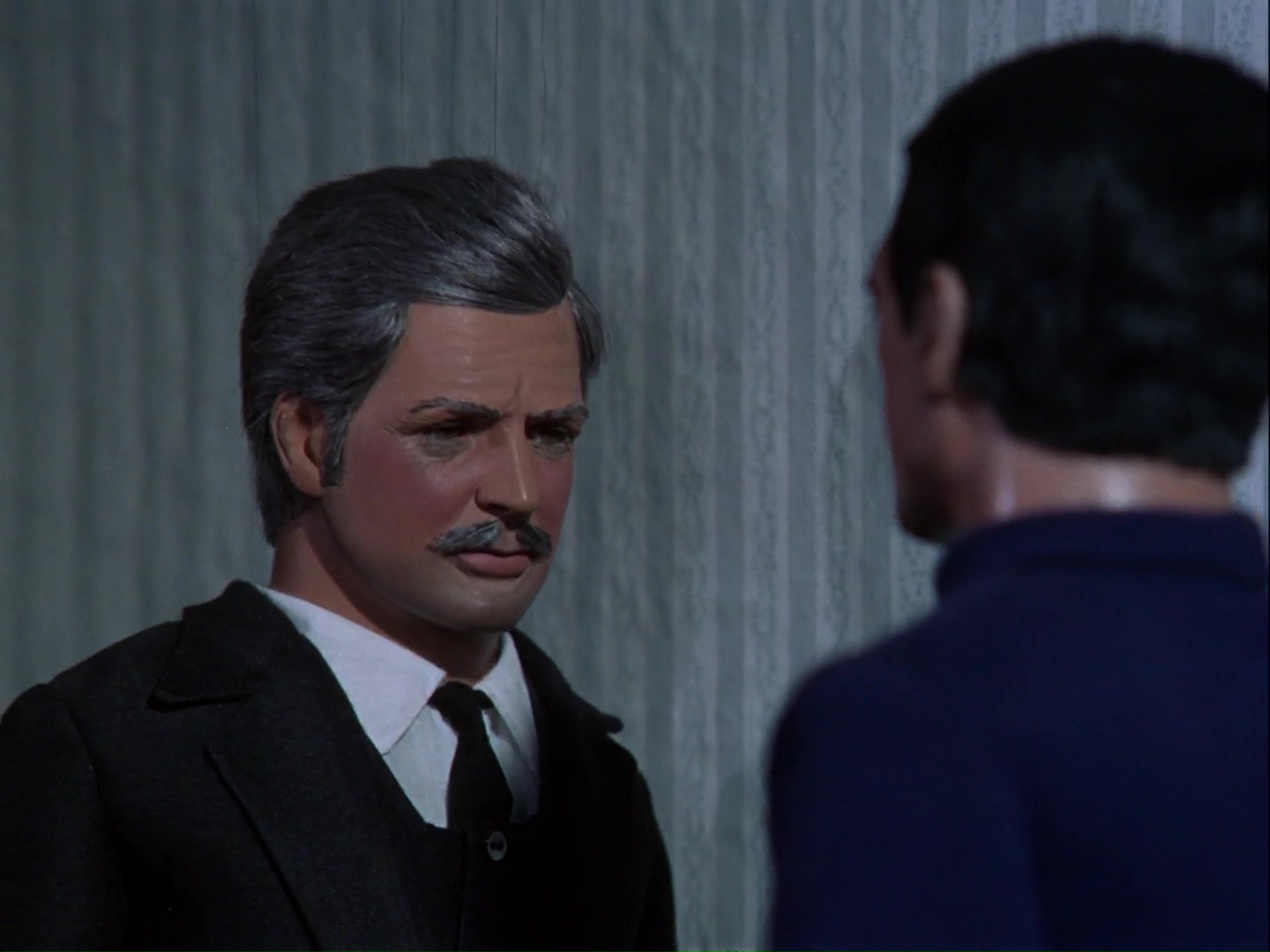
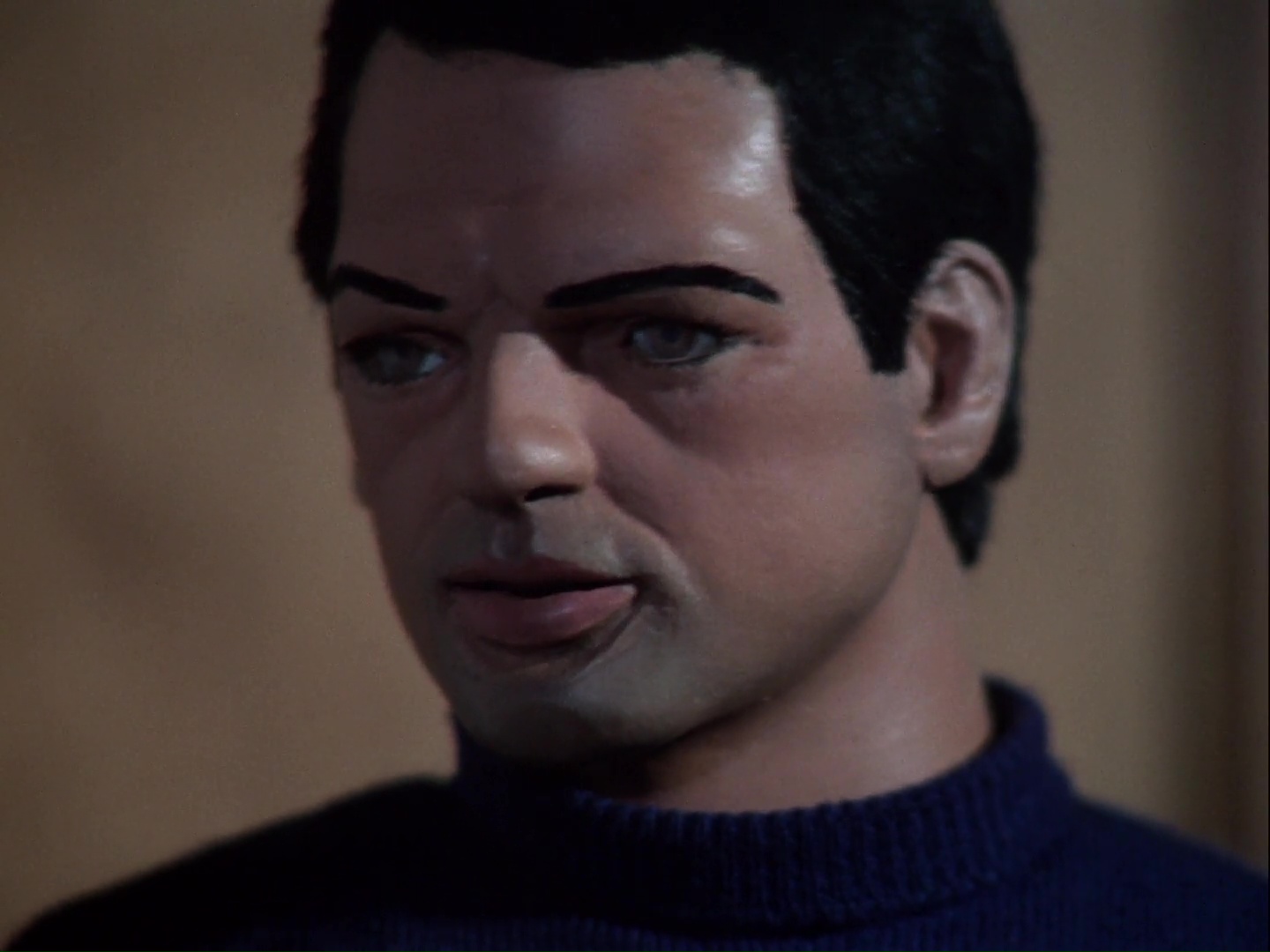

One more dodgy bit of dealing going on now. This time, it’s a triple cross as Lord Hazelwell joins up with Spiker to extract the information from Mullins and divide the cash between the two of them. It’s another gorgeous bit of character work as Edward suggests a 60/40 split in an attempt to maintain the upper hand. Spiker being Spiker can’t control his emotions and blurts out his anger for all to hear, prompting his lordship to begrudgingly make it an even 50/50 split. With this simple exchange, we learn that Spiker is careless and emotional, and Edward always has to be the one gaining the most from any situation because he views himself as better than everyone else. With these simple driving principles behind their personalities, we’ll see later that Tony Barwick can really push these characters to some ludicrous extremes in a way which still feels totally fitting for them.
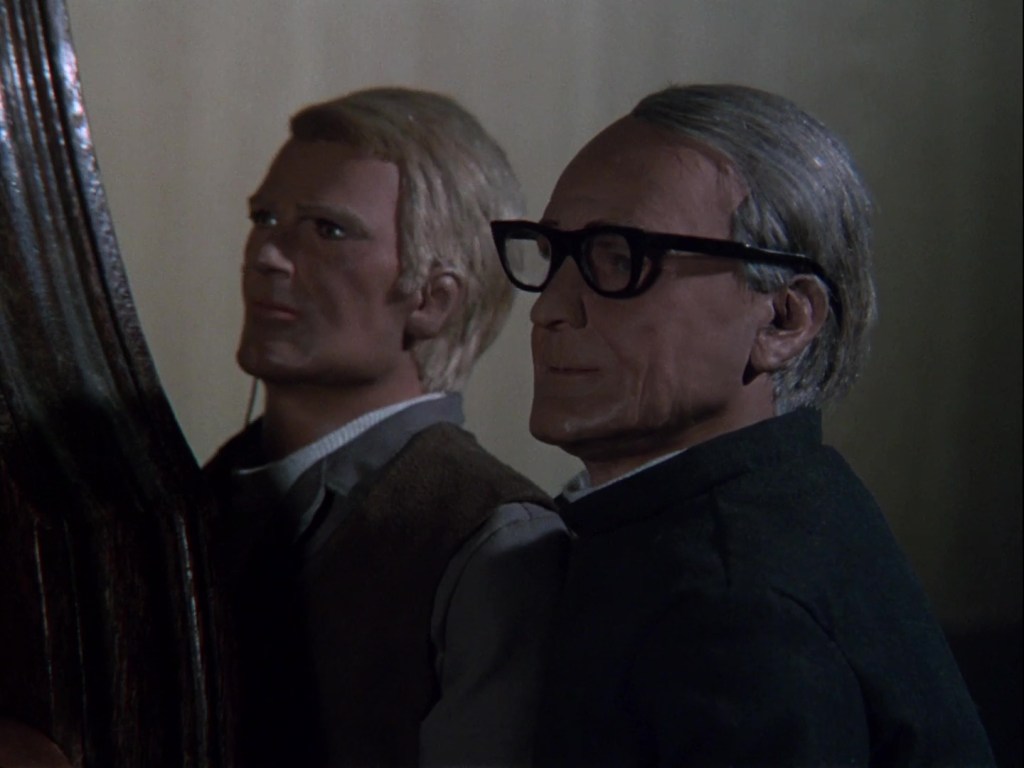
Still unable to actually act upon anything they’ve heard, Unwin plans for he and Matthew to sleep in shifts and then listen in tomorrow to Mullins’ interrogation. Spiker doesn’t actually mention that he’ll be taking Mullins to the dungeon for a spot of torture, but Unwin has managed to gain that nugget of information from nowhere – which suggests that maybe some of the conversation was cut out of the original script.
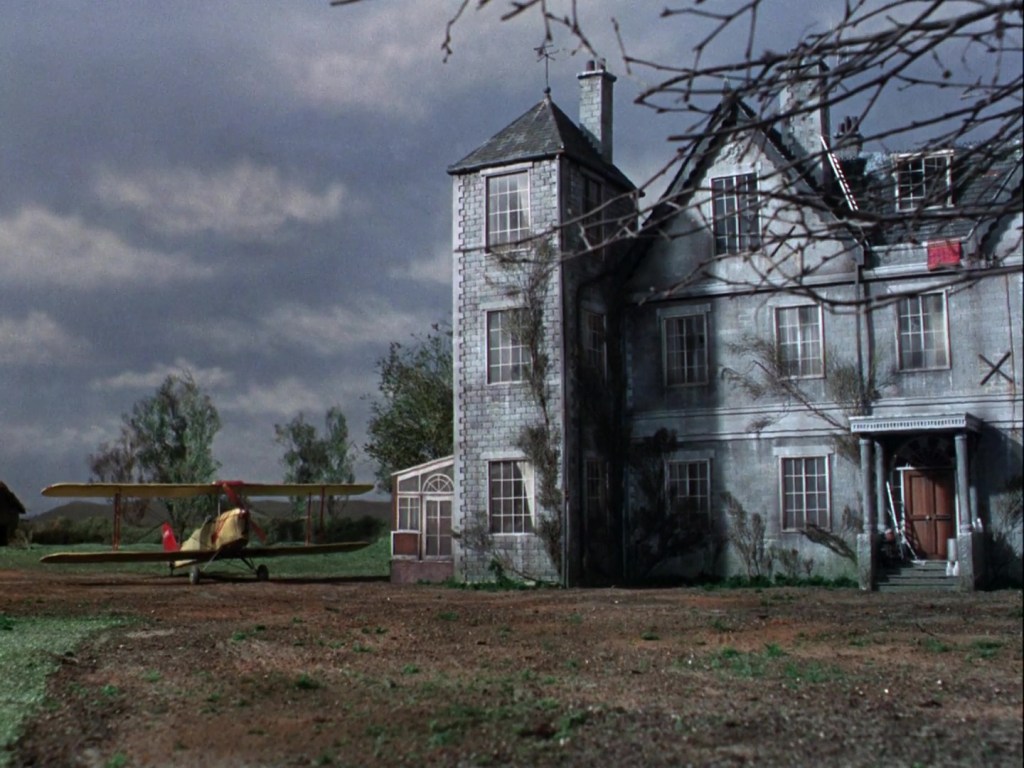
Morning’s here. I promise we will get to the Tiger Moth later.
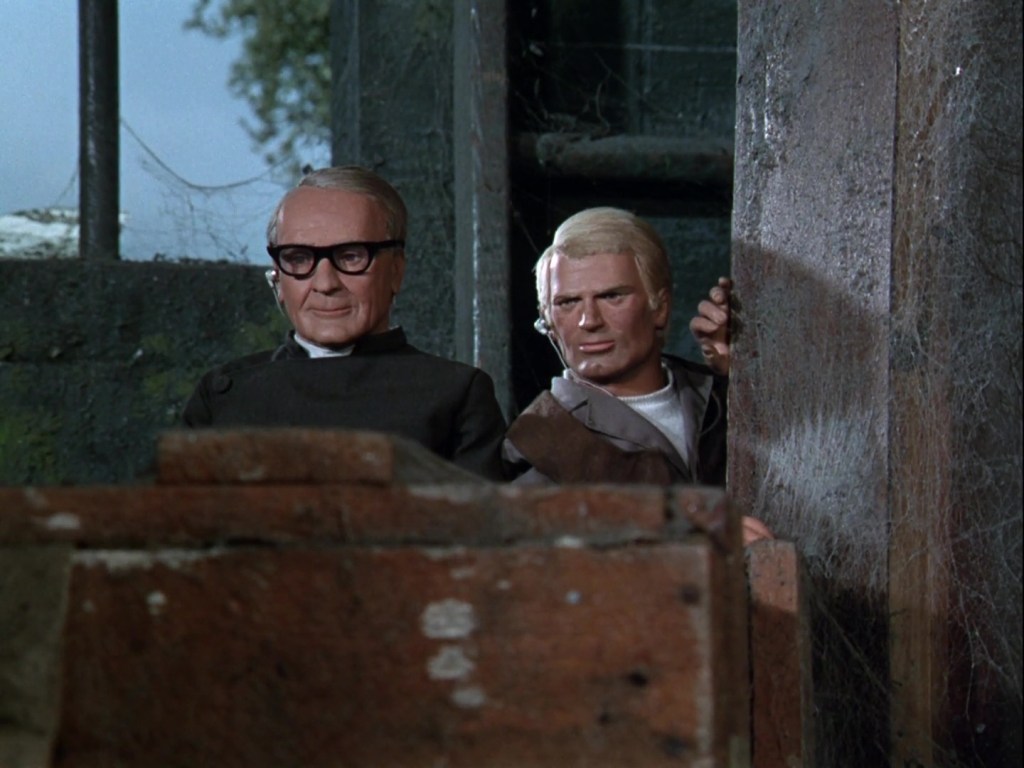
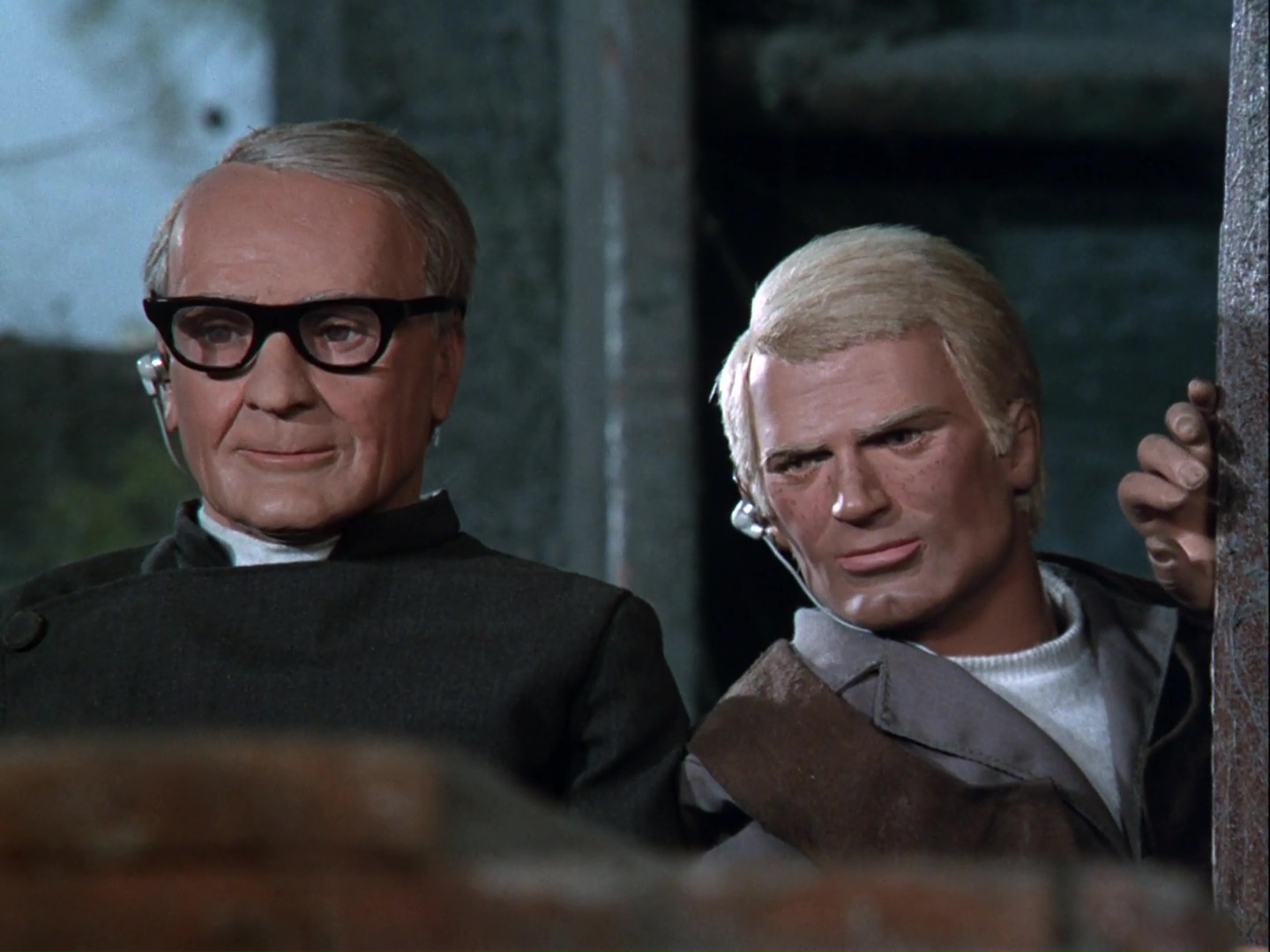
Unwin and Matthew watch in stunned silence from the corner of the dungeon…
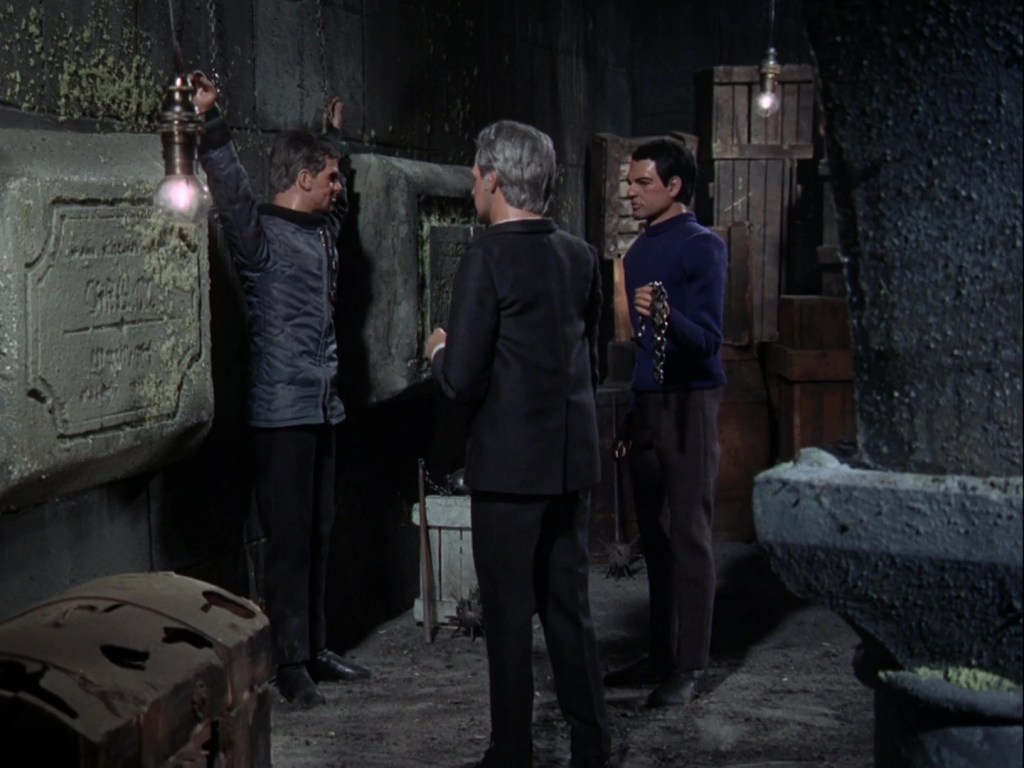
Yes, it would appear that Mullins has been drafted into the kinky games. I dread to think what Edward and Martha get up to in that dungeon after a game of snap on a cold Wednesday evening. It’s particularly disturbing if you think that those stones on the wall on either side of the whipping station mark the final resting places of their beloved parents in the family crypt…
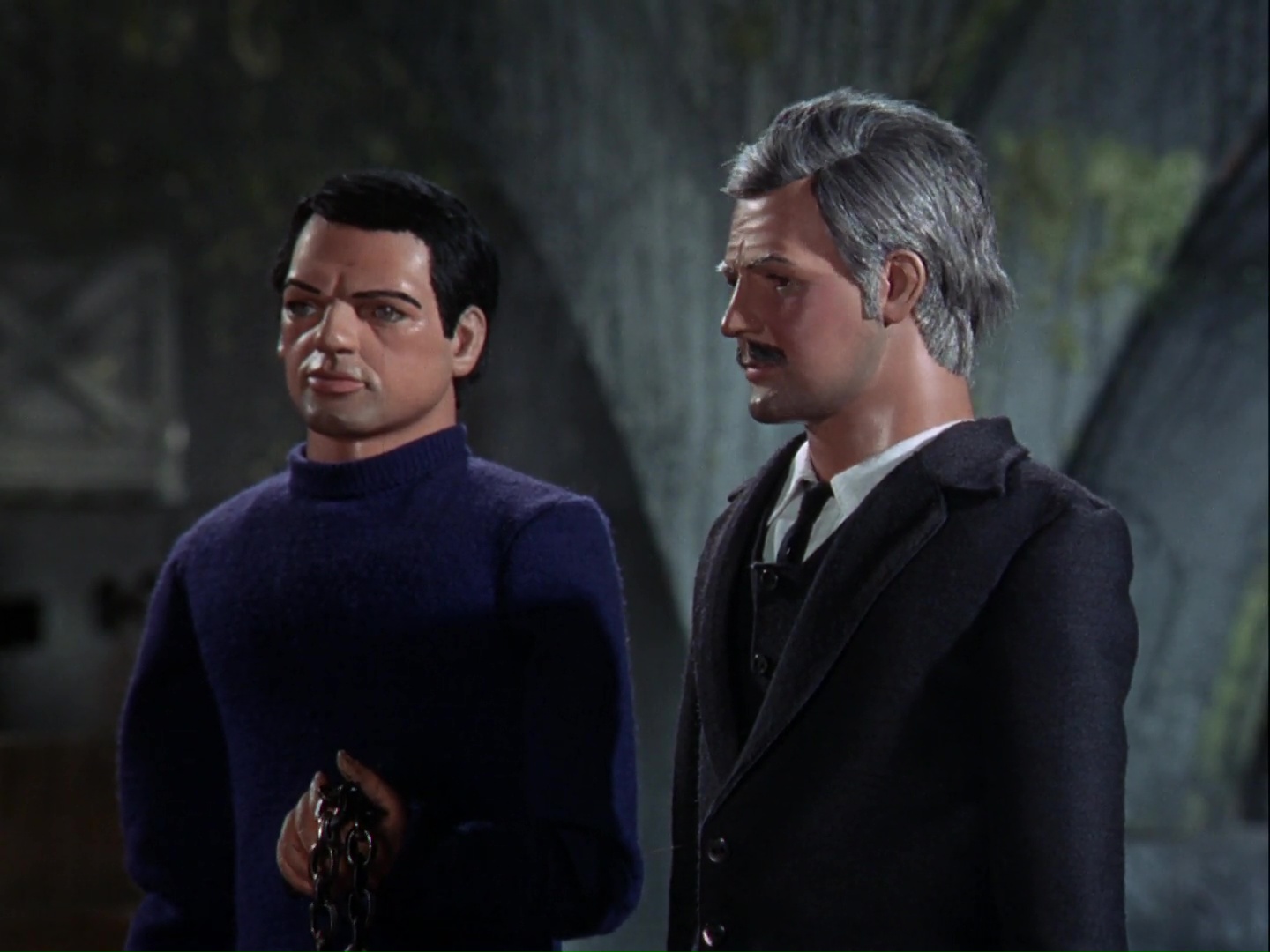
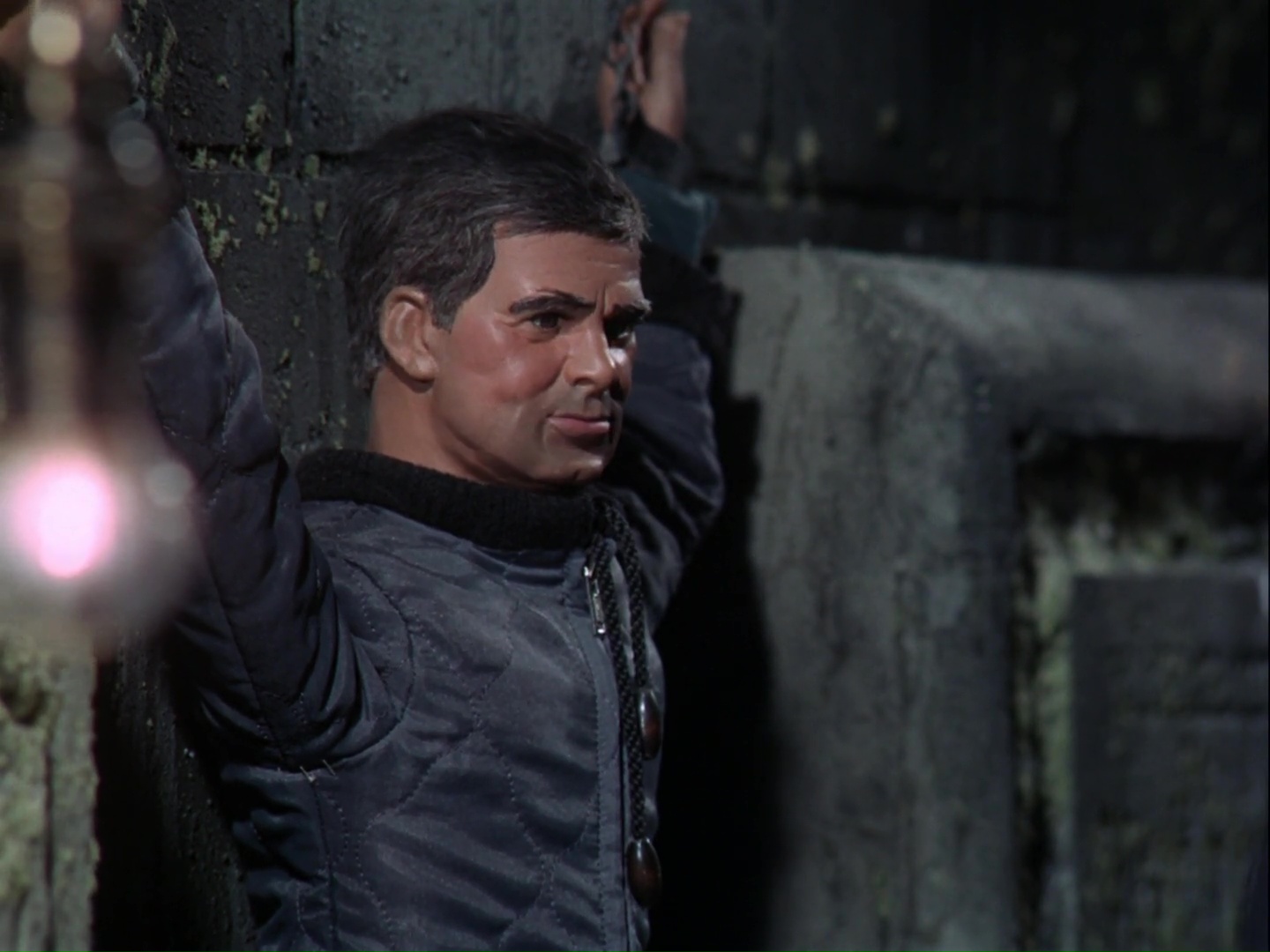
Terrified of where Spiker plans to stick those chains, Mullins gives in and reveals that the plate is hidden in a barn on Greenacre farm outside Eastford. For the geographically curious amongst you, Eastford isn’t a real place in the UK. Luckily, this is a work of fiction so that doesn’t matter. Unwin and Matthew have the information they need to finally do something productive.

But now things are about to get really messy. Armed with a musket and the ferocity of a wild grizzly bear, Lady Martha is ready to take on the lot of them. It’s another extremely satisfying twist for the episode. It’s been clear from the outset that Martha’s role in all this was being suppressed to the bare minimum because she’s a woman. Now she’s sticking two fingers up to the patriarchy and getting stuck in while attempting to remain poised and in-control. Over the course of the episode we’ll see that poise and control deteriorate because greed remains her primary instinct, and therefore makes her a comedy character whose own worst enemy is herself.

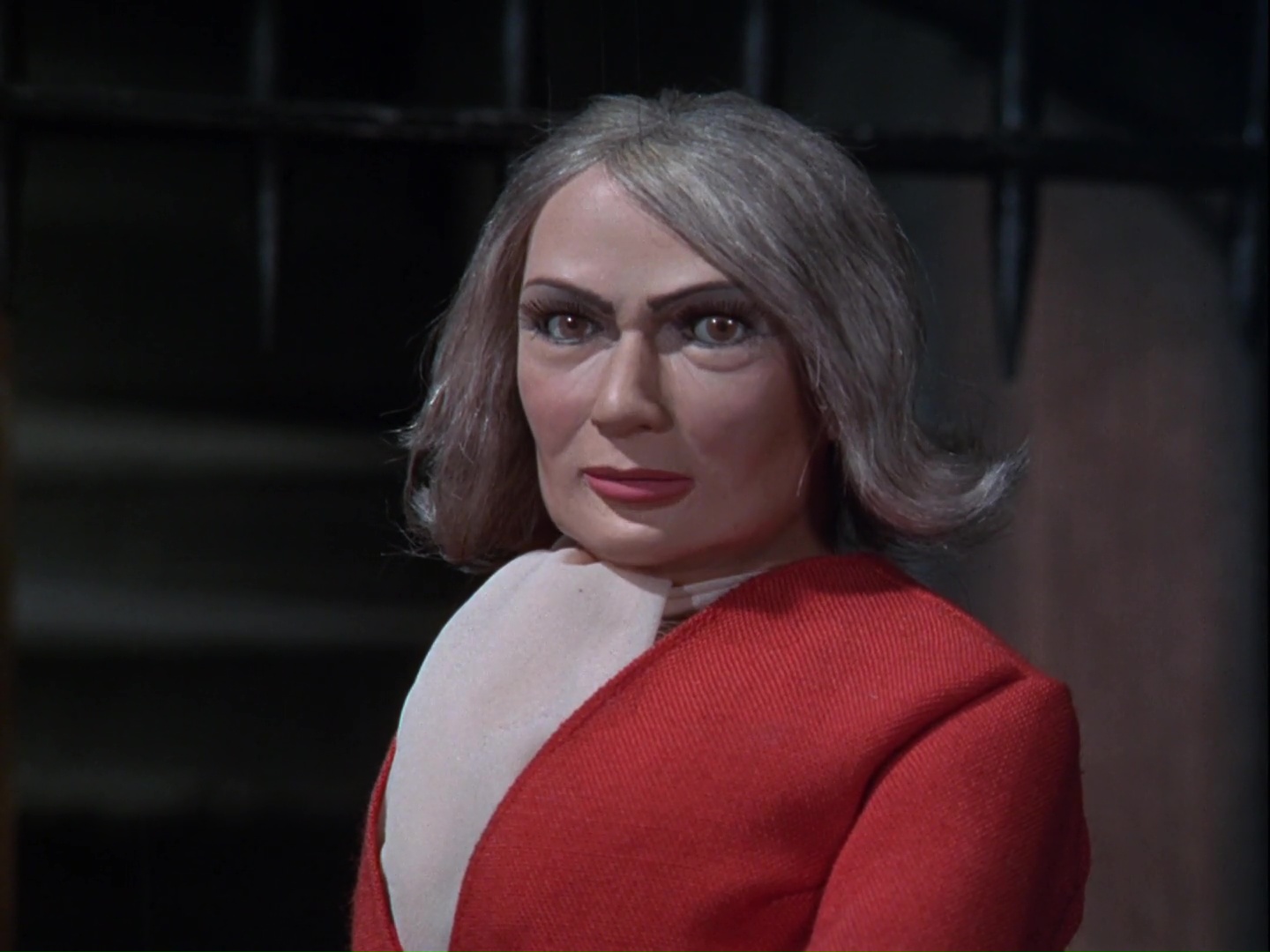

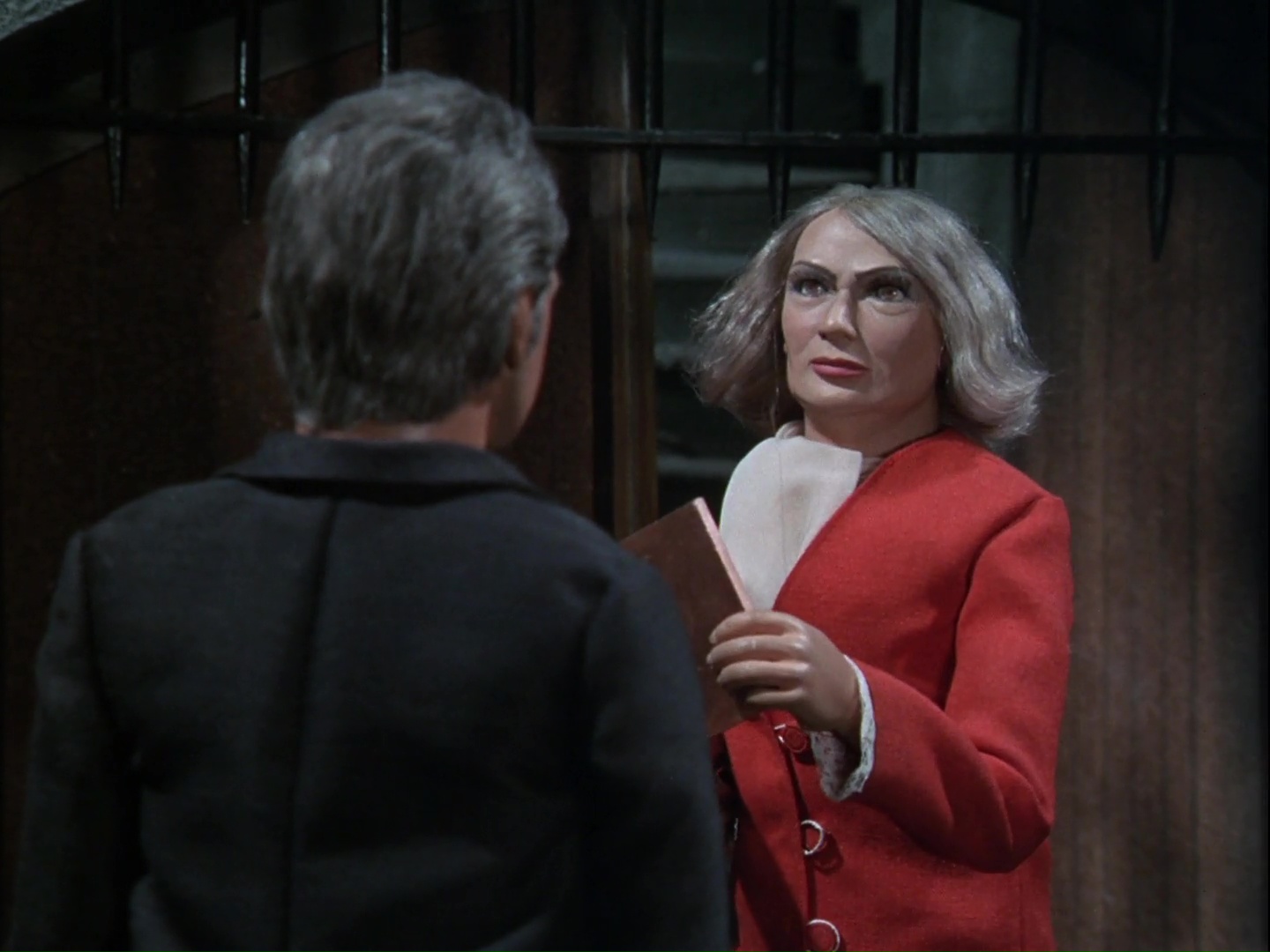
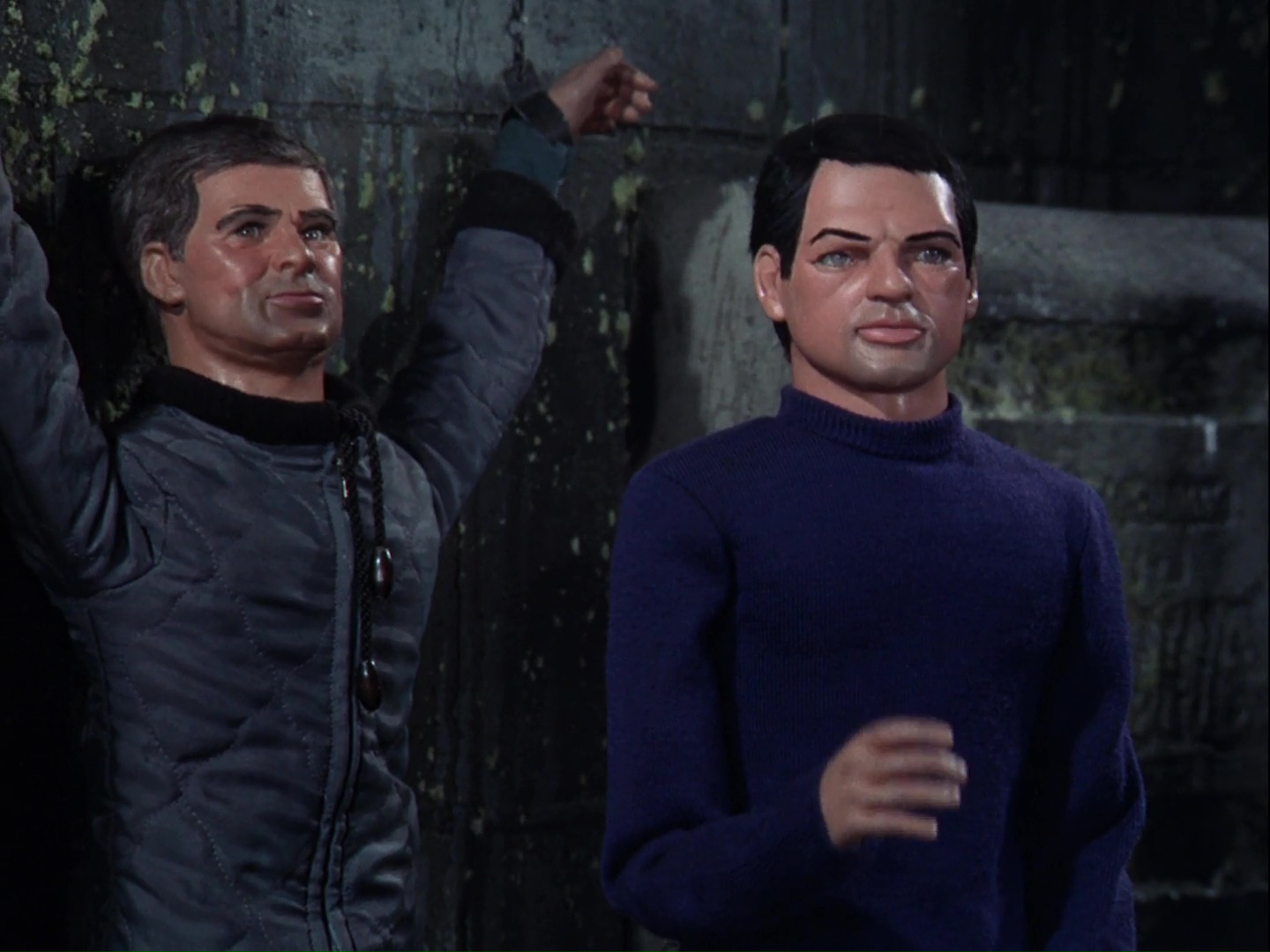
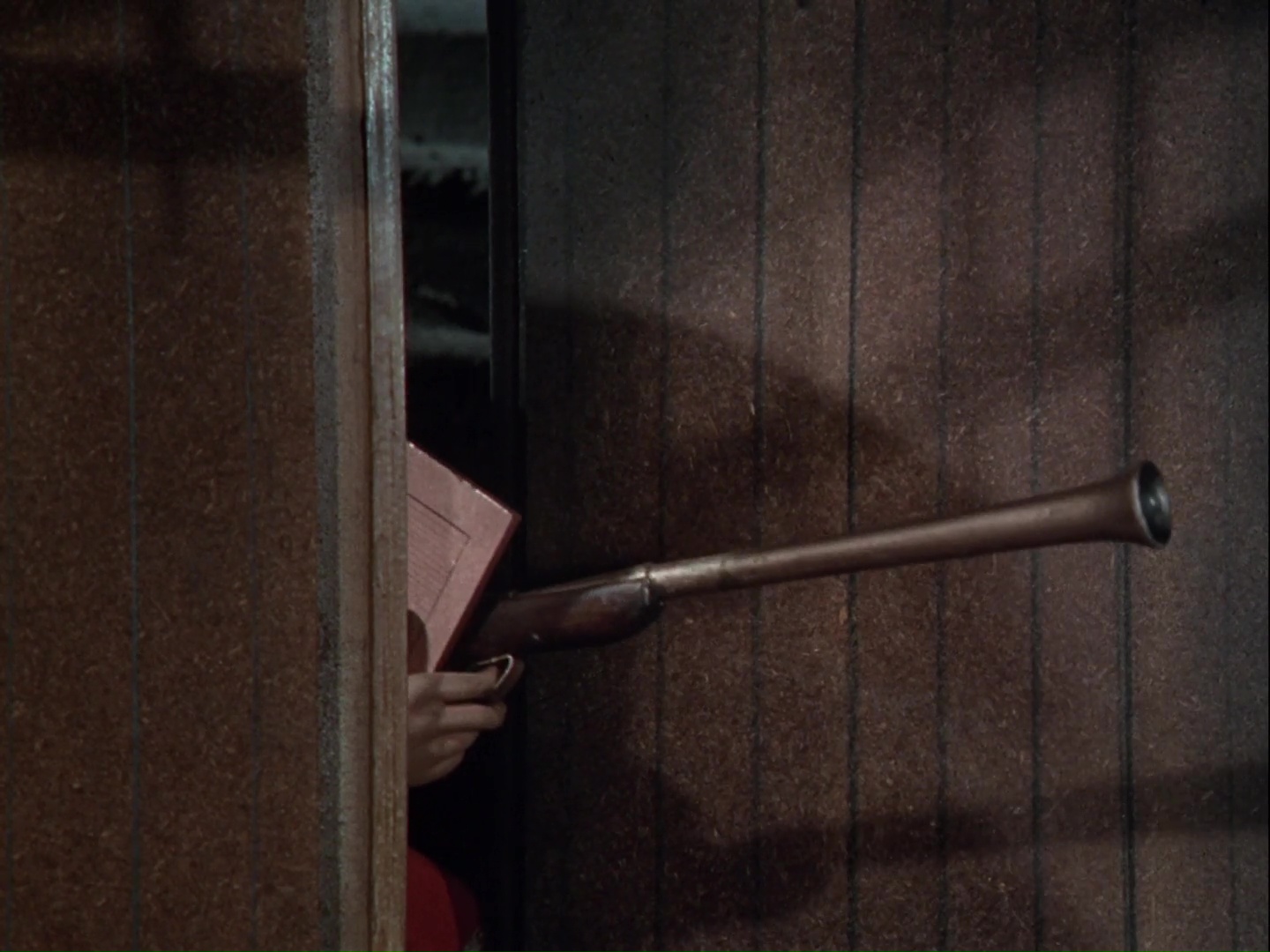
The negotiations are swift but delicious. It’s evident that Edward was not prepared for this eventuality and has vastly under-estimated his sister’s loyalty. We learn from Martha that he was a despicable child which absolutely rings true. I can very much see this as Martha releasing her pent-up rage at her brother’s manipulative bullying that’s been building up ever since childhood. It’s strange to say this of puppets with static facial expressions, but you can really see all the malice and history on these character’s faces. That’s how well they’ve been written and performed.


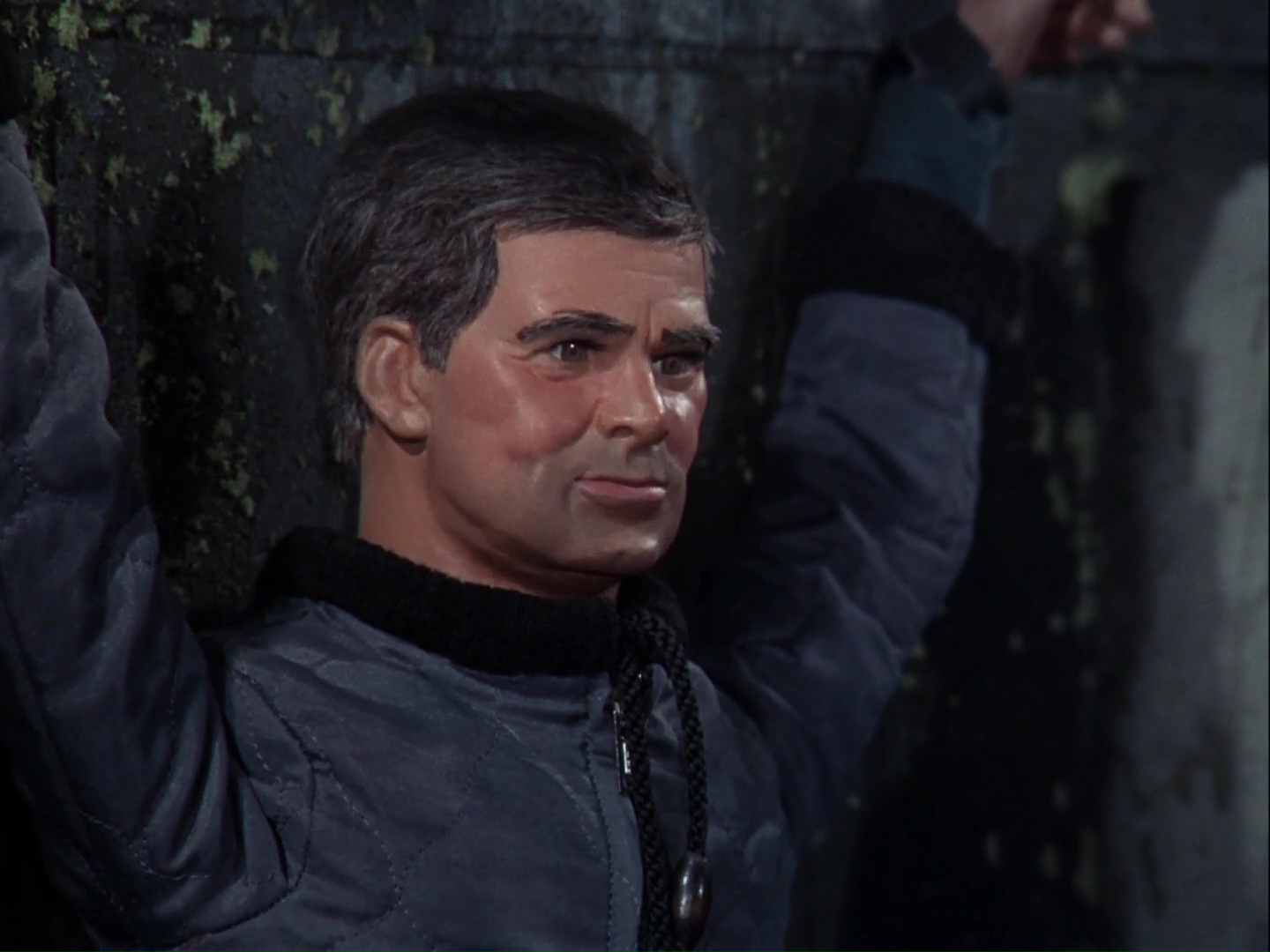
Edward stands alone, abandoned by the one person he actually trusted in this mad scheme. Suddenly, he doesn’t have the upper hand any more and that leaves him exposed and at the mercy of his colleagues. Meanwhile, Spiker is reduced to panicking and stating the bleedin’ obvious that they need to get out of the dungeon ASAP – again, showing us his raw, emotional side with very little intelligence to go with it. Mullins, being the smartest one in the room, has an idea to get them out…
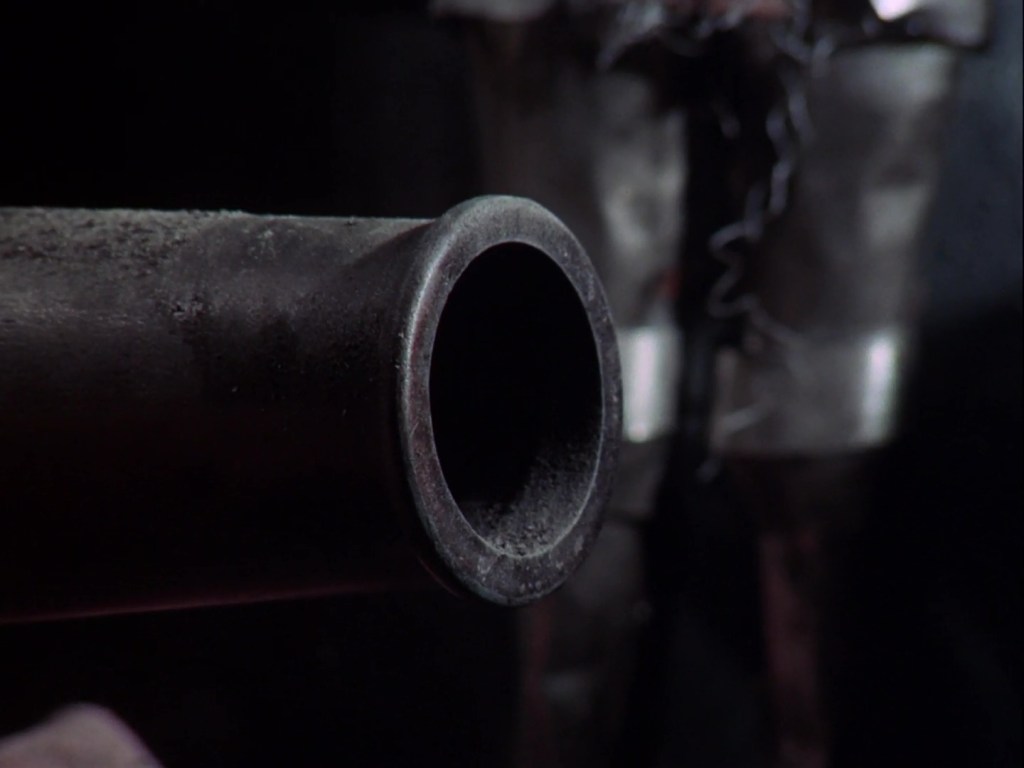
A cannon. Hey, I said he was the smartest one in the room, I didn’t say he was actually smart.

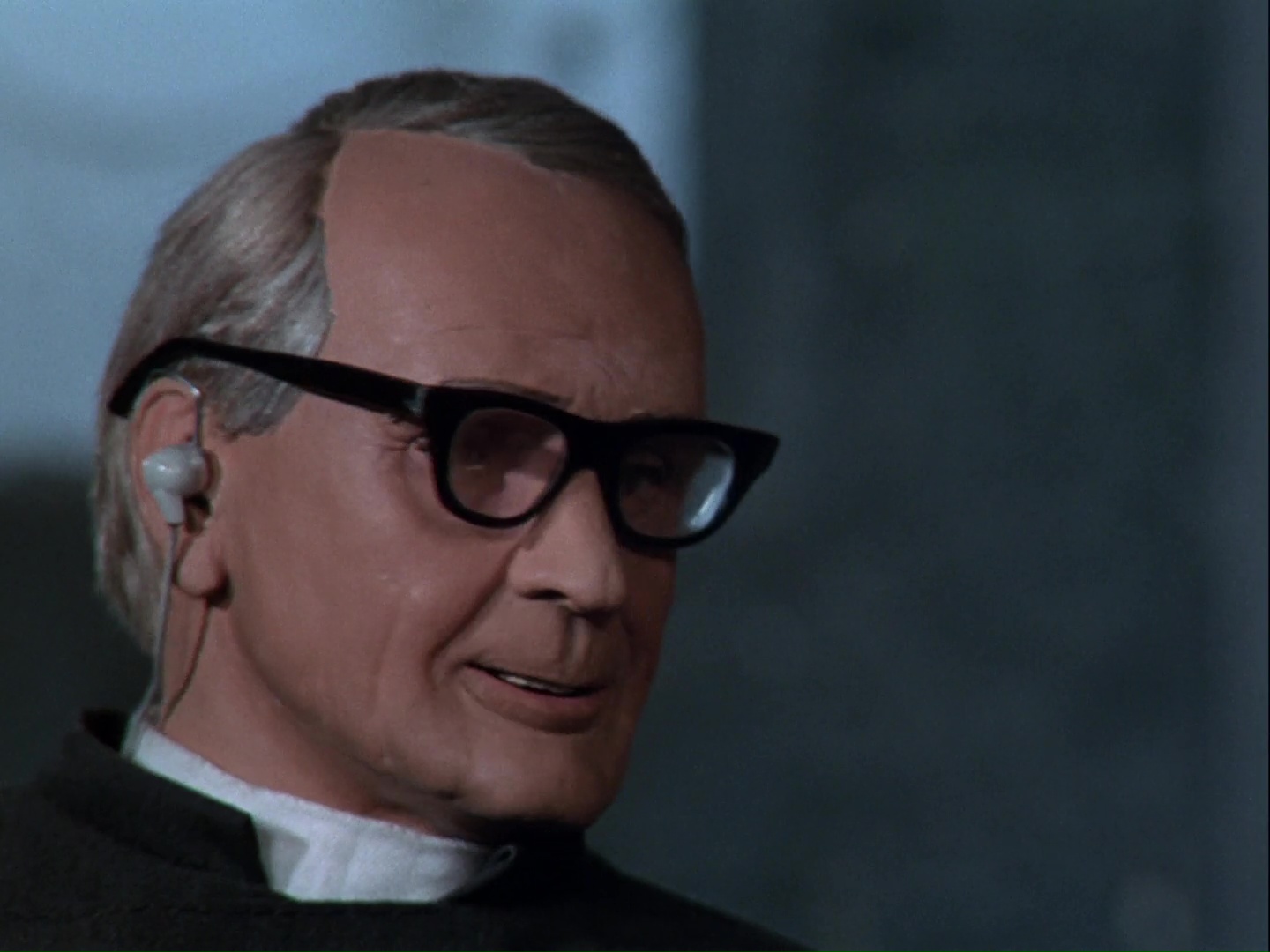
So while the thicky-triplets prepare to blow themselves up, Matthew and Unwin set off to find the missing plate before Lady Martha does. With all this crazy character drama going on, it’s easy to forget that our heroes are actually there with a mission to carry out. Their role in the story has been so passive so far that they’ve managed to stumble upon everything they need quite by accident. The only thing they have to do now is get from A to B. From Unwin and Matthew’s perspective, this episode is probably the simplest of the lot.
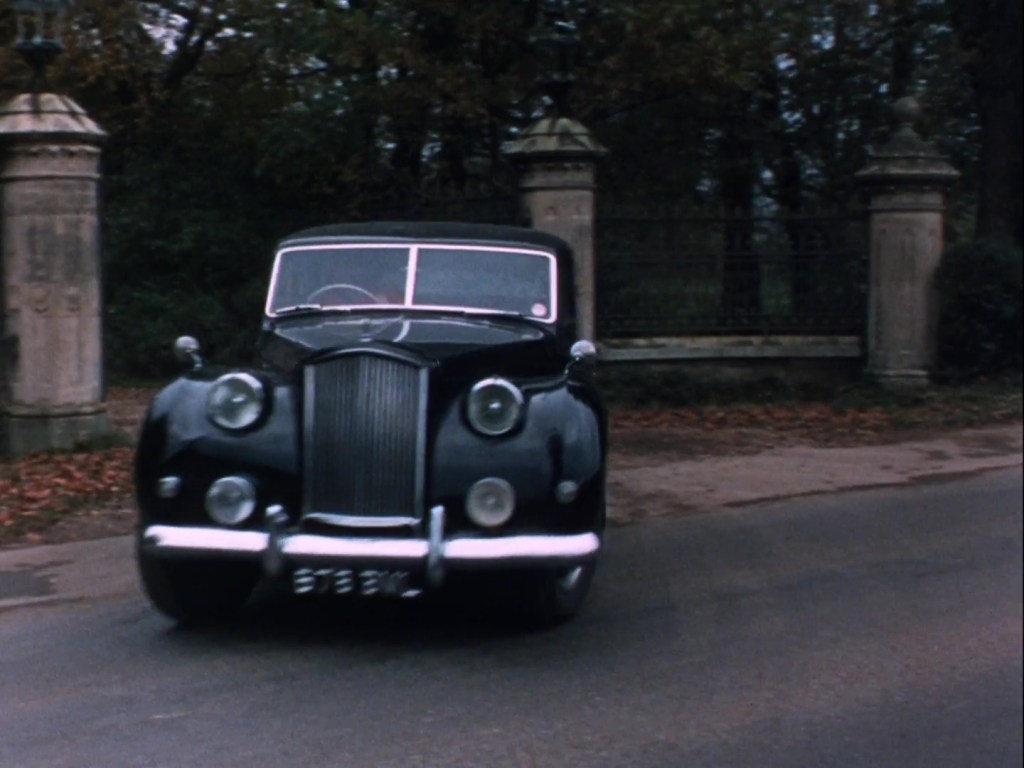
Lady Martha rushes through the main gate at Oakley Court in the same Austin Princess that the assassins used last week to gun down Joe in May-Day, May-Day!. It’s time for the location unit to shine as they put all of their stunt-driving practice from the previous few months into action one more time.
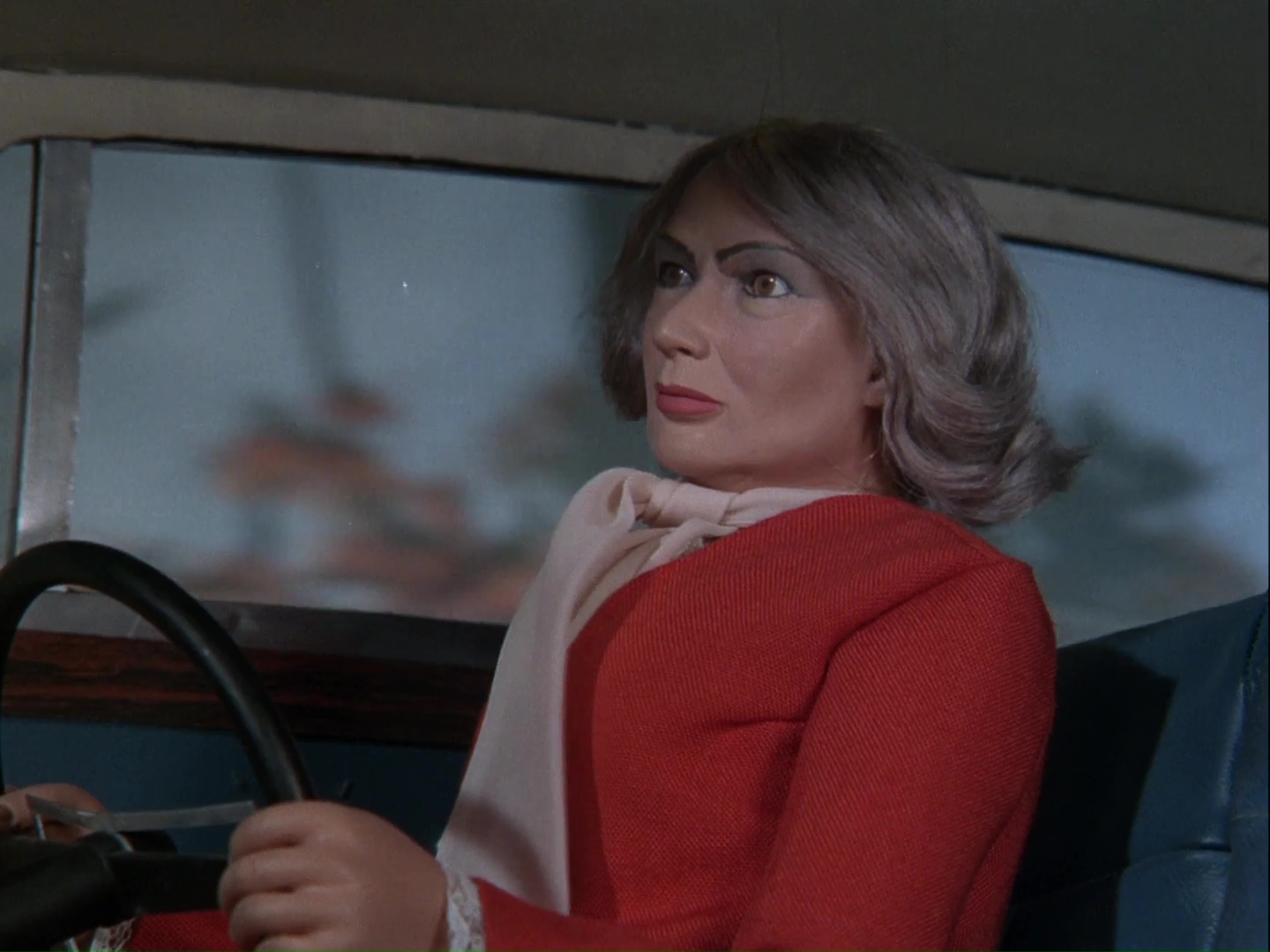
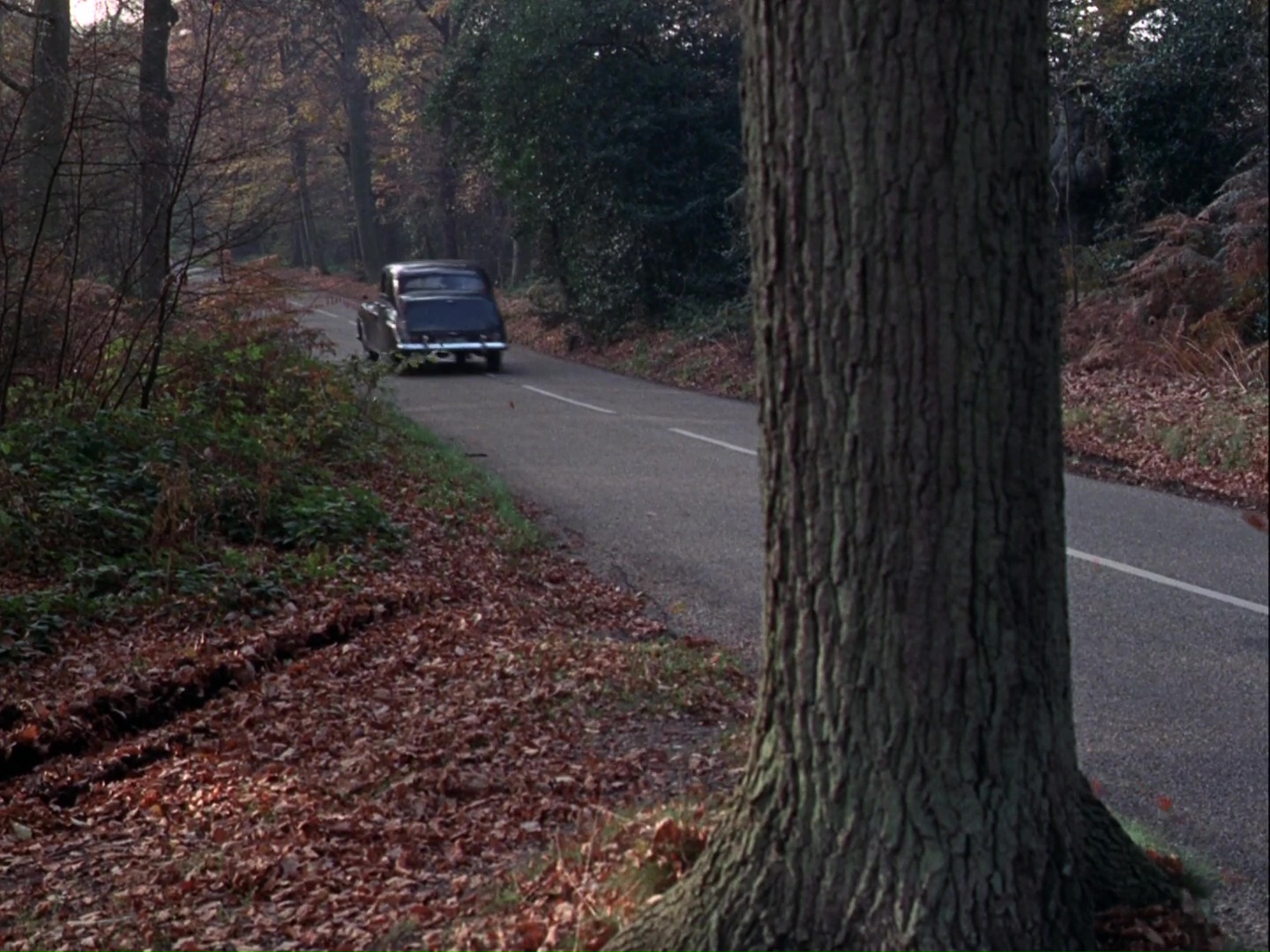
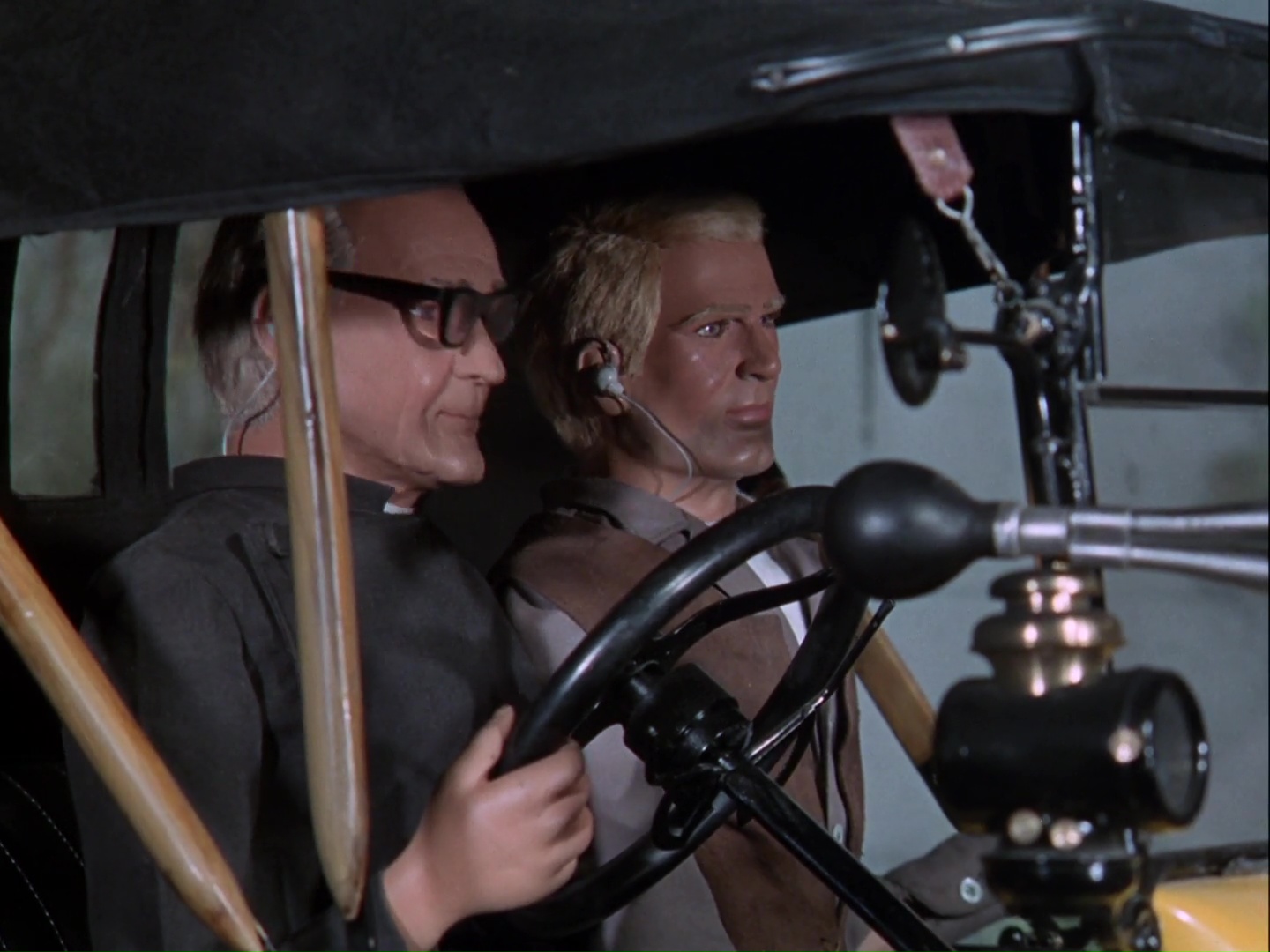
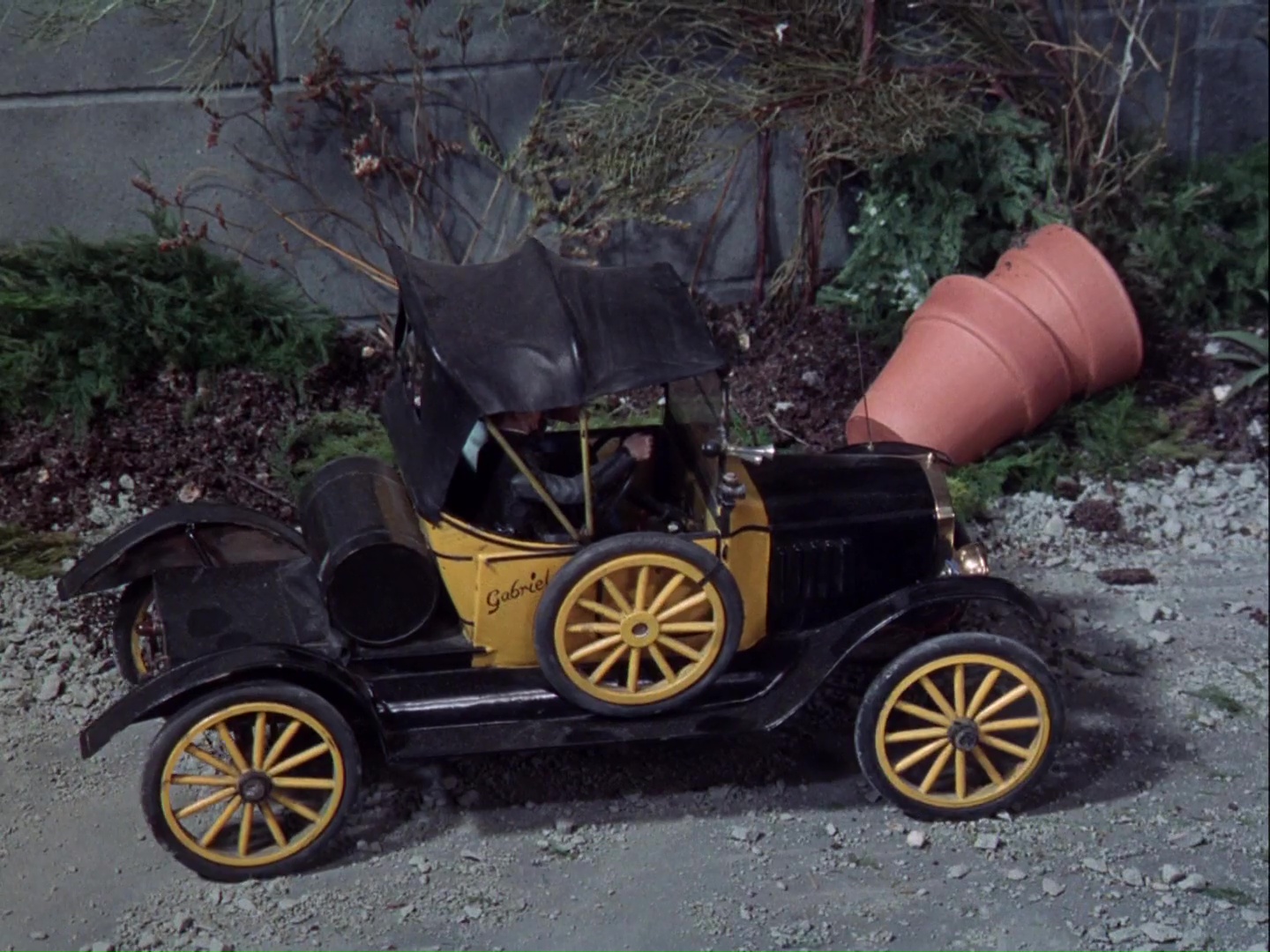
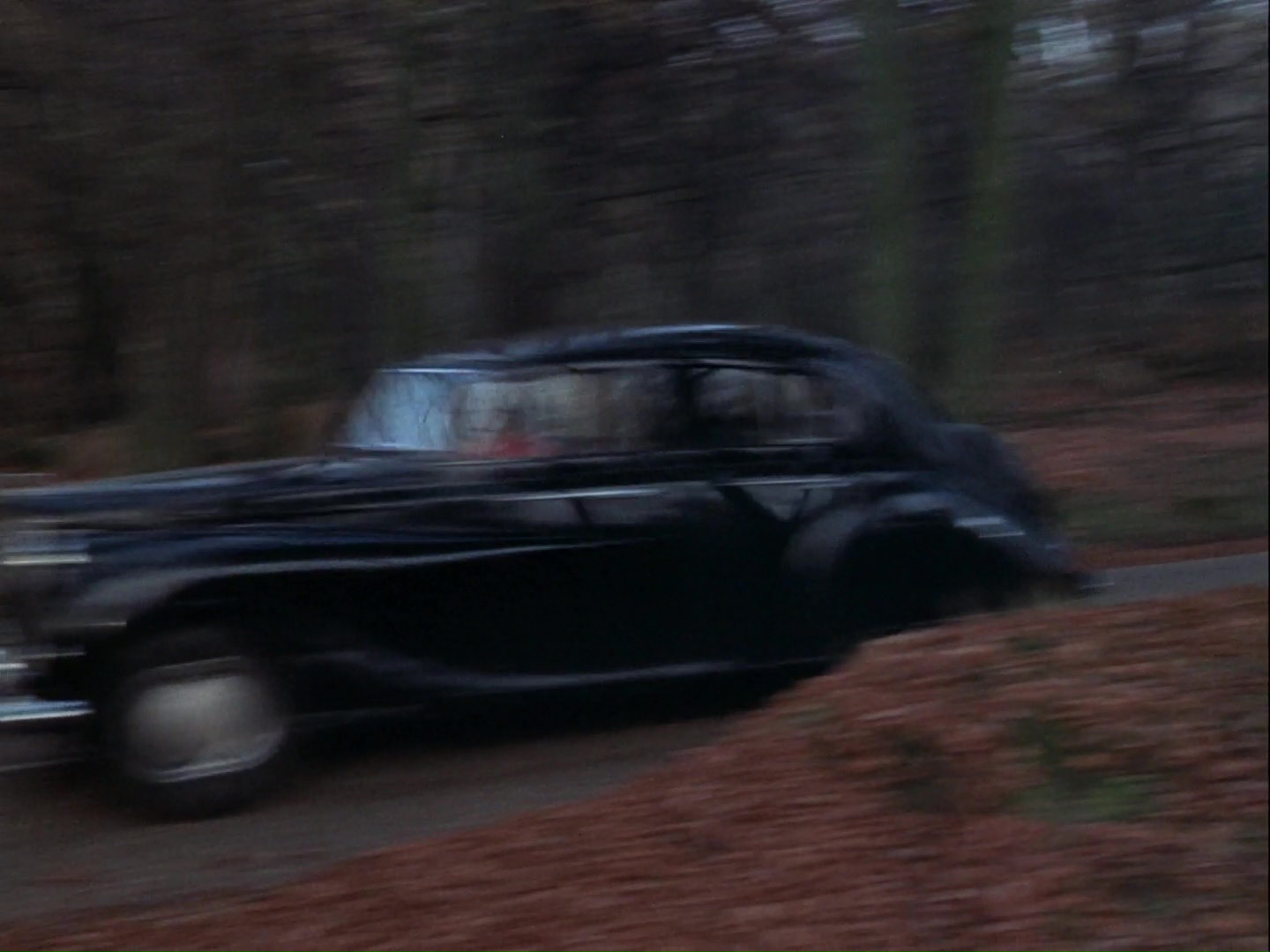
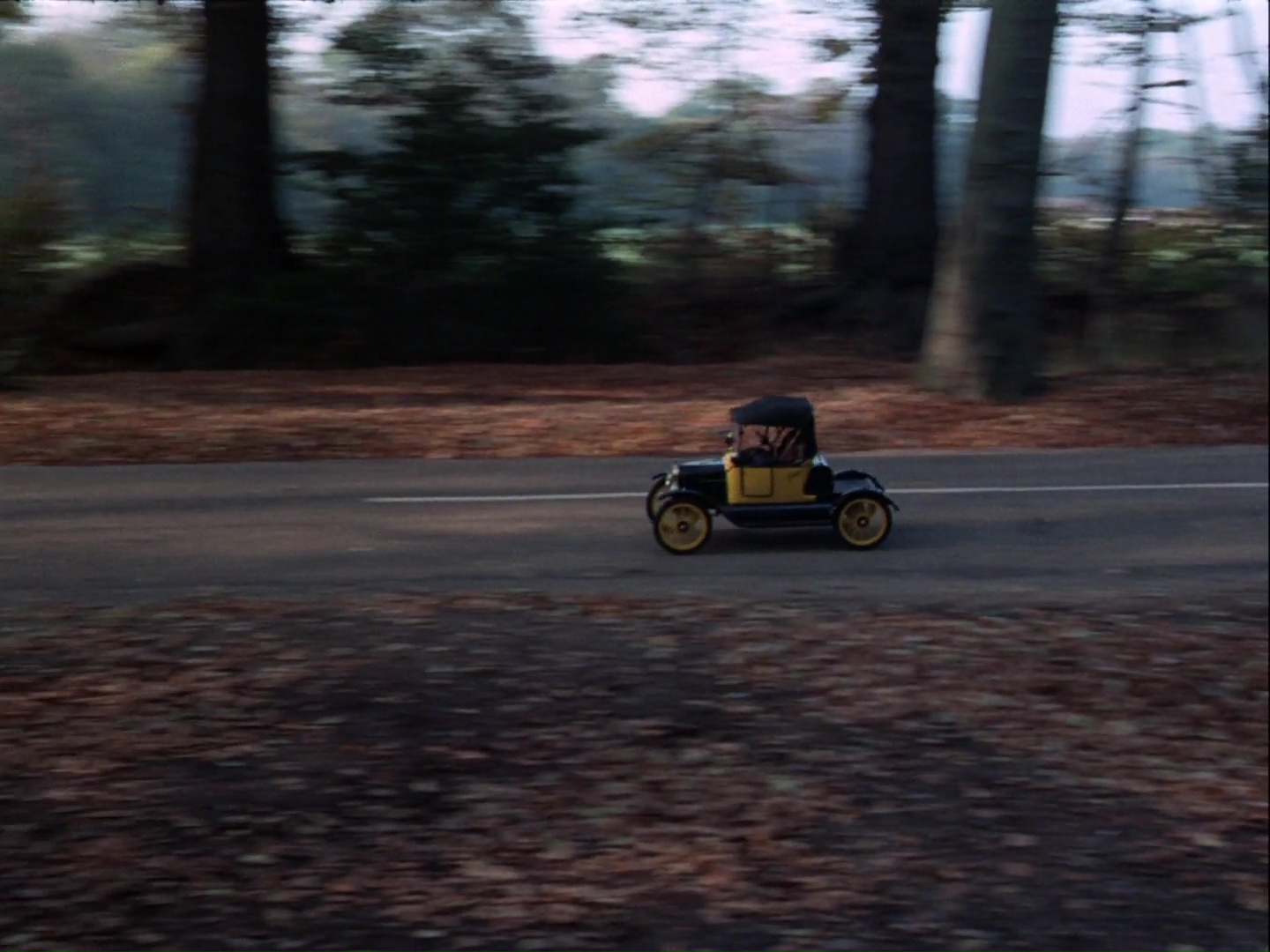
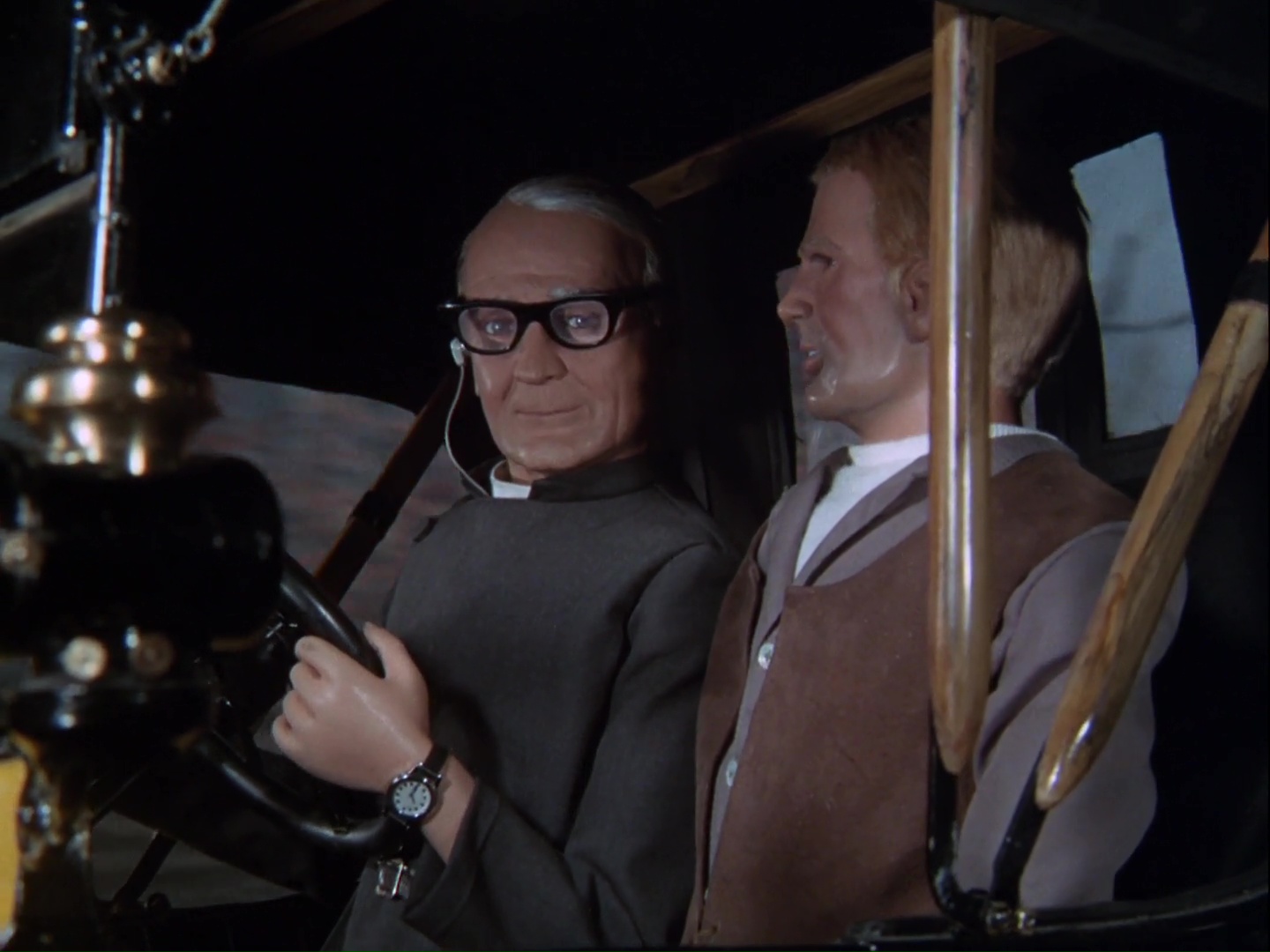
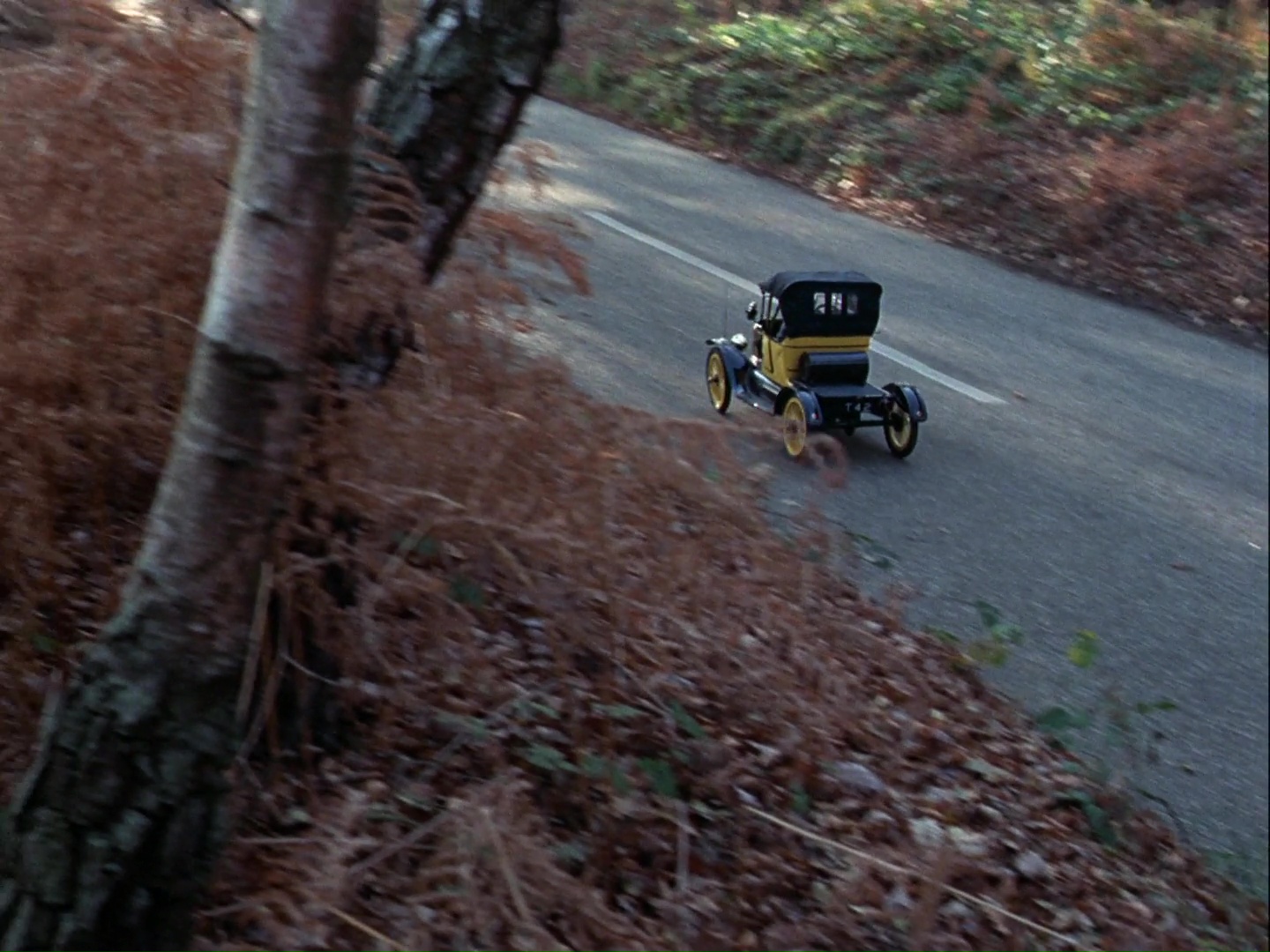
The pace gets cranked right up as we head towards the commercial break, promising perhaps a more action-packed second half to the episode. Speed, speed, speed is the theme here and it’s brilliant.
For a moment, let’s compare this sequence to the car chase from the climax of the opening episode, A Case For The Bishop. A diplomat wants to get his stolen computer back from Father Unwin so chases down his full-sized Model T in a police car. A gunfight ensues between the Ambassador’s Aide and a miniaturised Matthew. It’s all played completely straight. The one humorous reference to a stunned farmer’s reaction was cut out.
Here, we have an eccentric aristocrat dressed in bright red wielding a musket racing off in an Austin Princess stolen from her own brother and pursued by a tiny version of Unwin, Matthew and their car. It’s much more unhinged. It’s obviously played more for laughs, but there’s also something much more intriguing and thrilling about it than the chase from A Case For The Bishop. Don’t get me wrong, that chase from A Case For The Bishop is still a highlight of the whole series, and a terrific demonstration of what the location unit were capable of pulling off in the leafy lanes of Buckinghamshire. But because the characters are so much better defined in More Haste Less Speed, it’s therefore so much easier for viewers to be invested in the action – even if they’re laughing at it. There’s also a sense that the production team are laughing along with the viewers. Look at how ludicrous this all is. We’re not supposed to take this seriously, so the crew certainly aren’t trying to.

After the commercial break, things are obviously going extremely well back at the house. The cannon is in position and Edward is getting ready to set fire to his fingers.

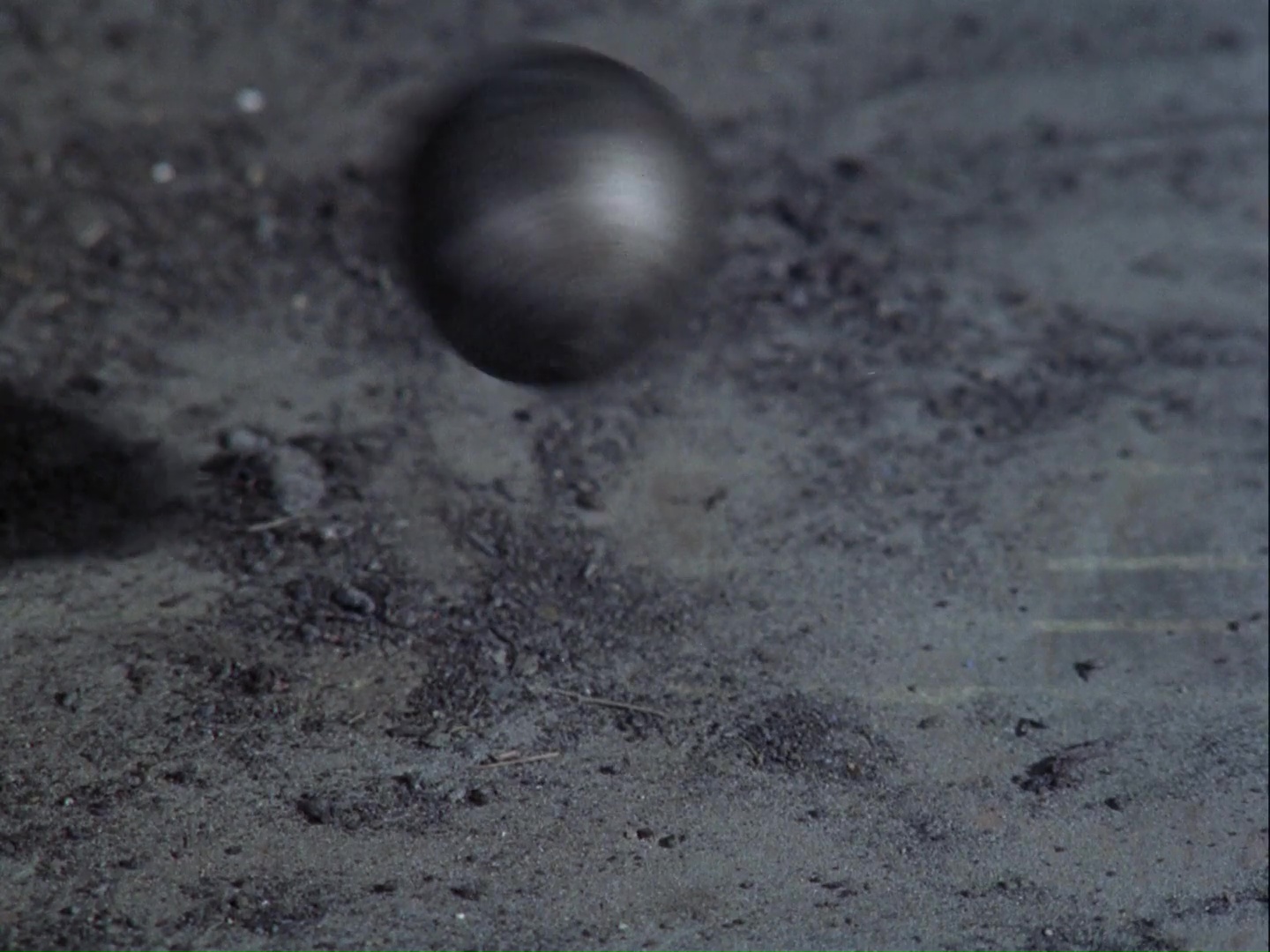
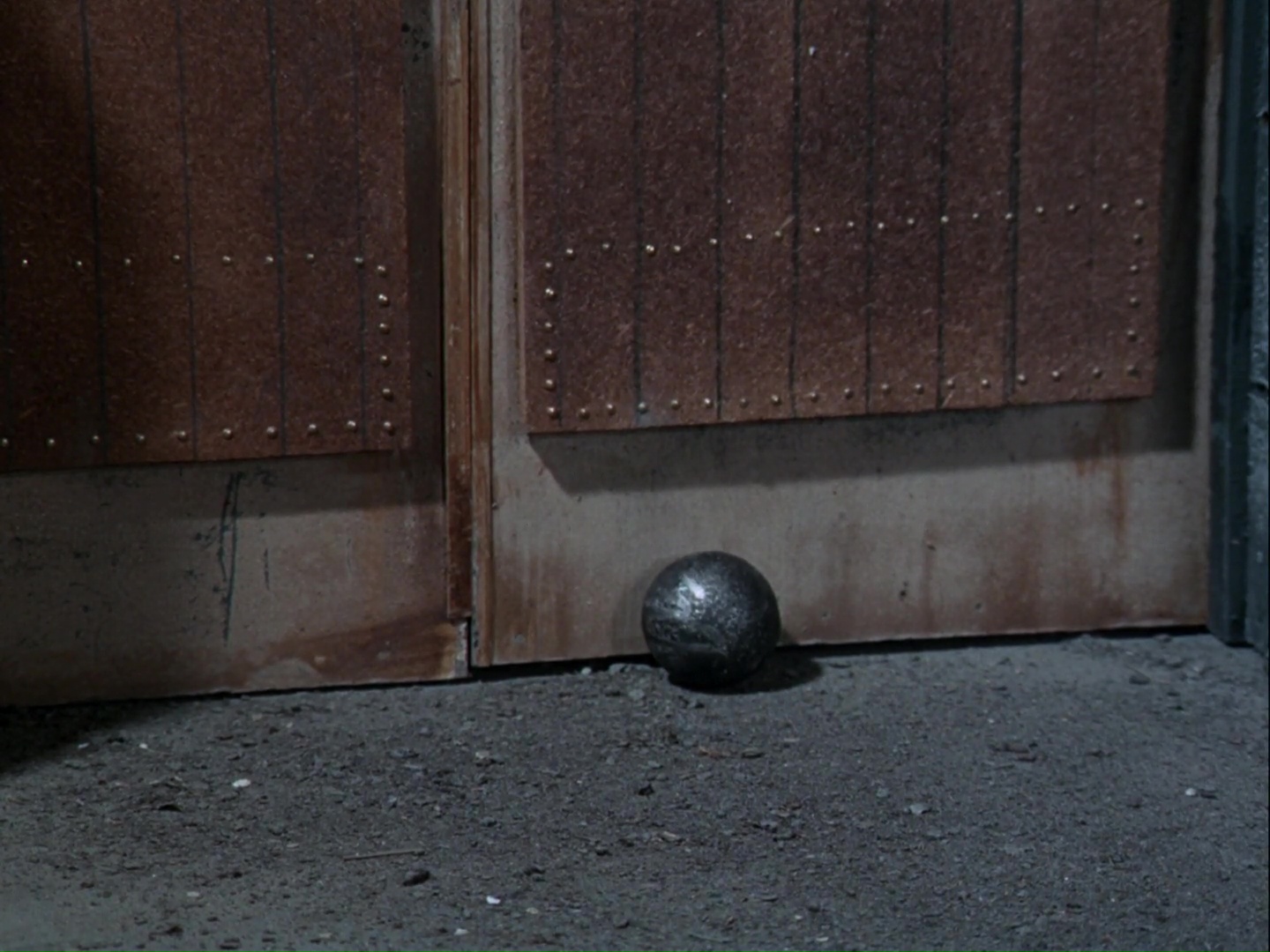
Yup. It’s going to be that sort of a day.

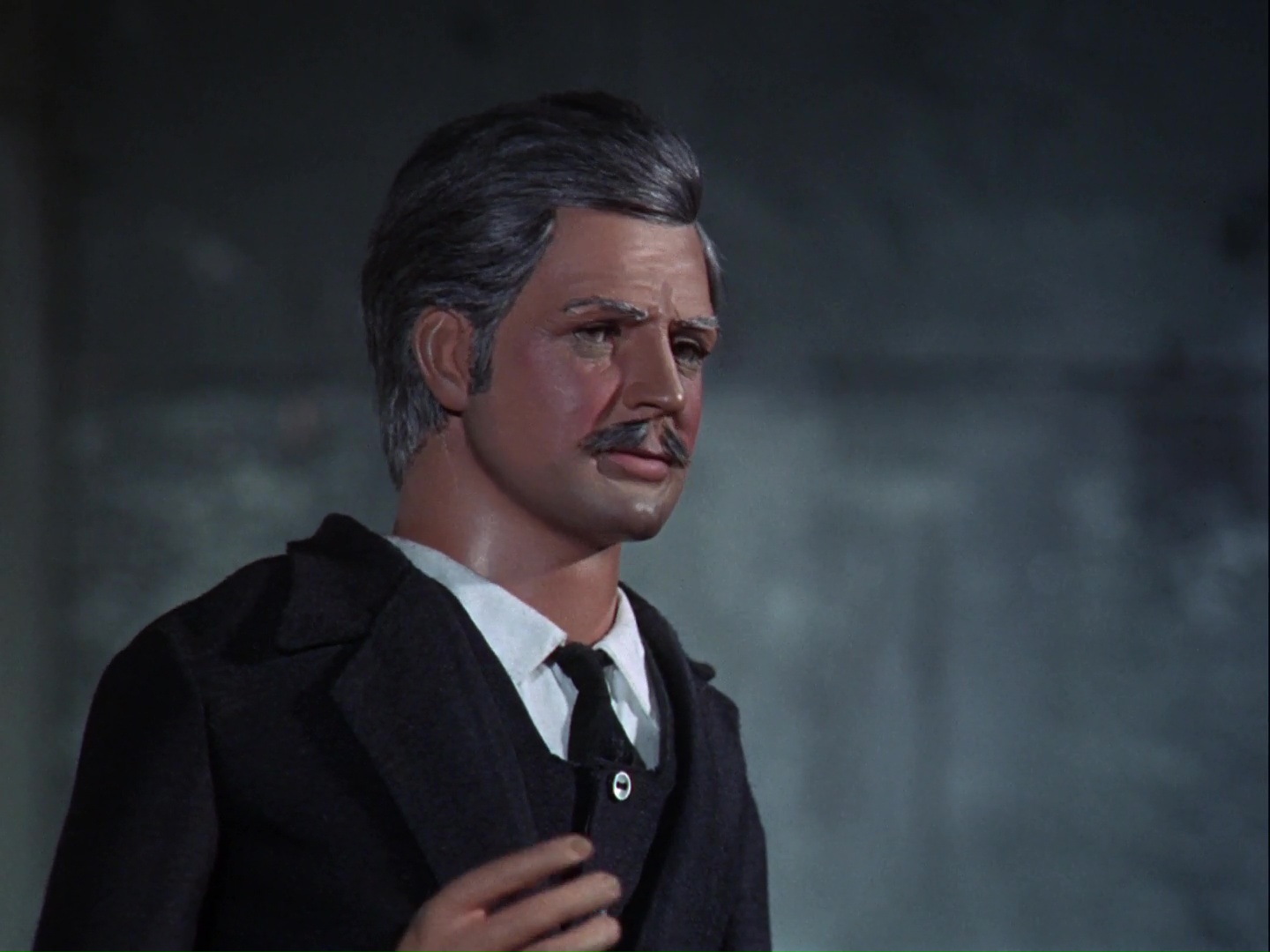
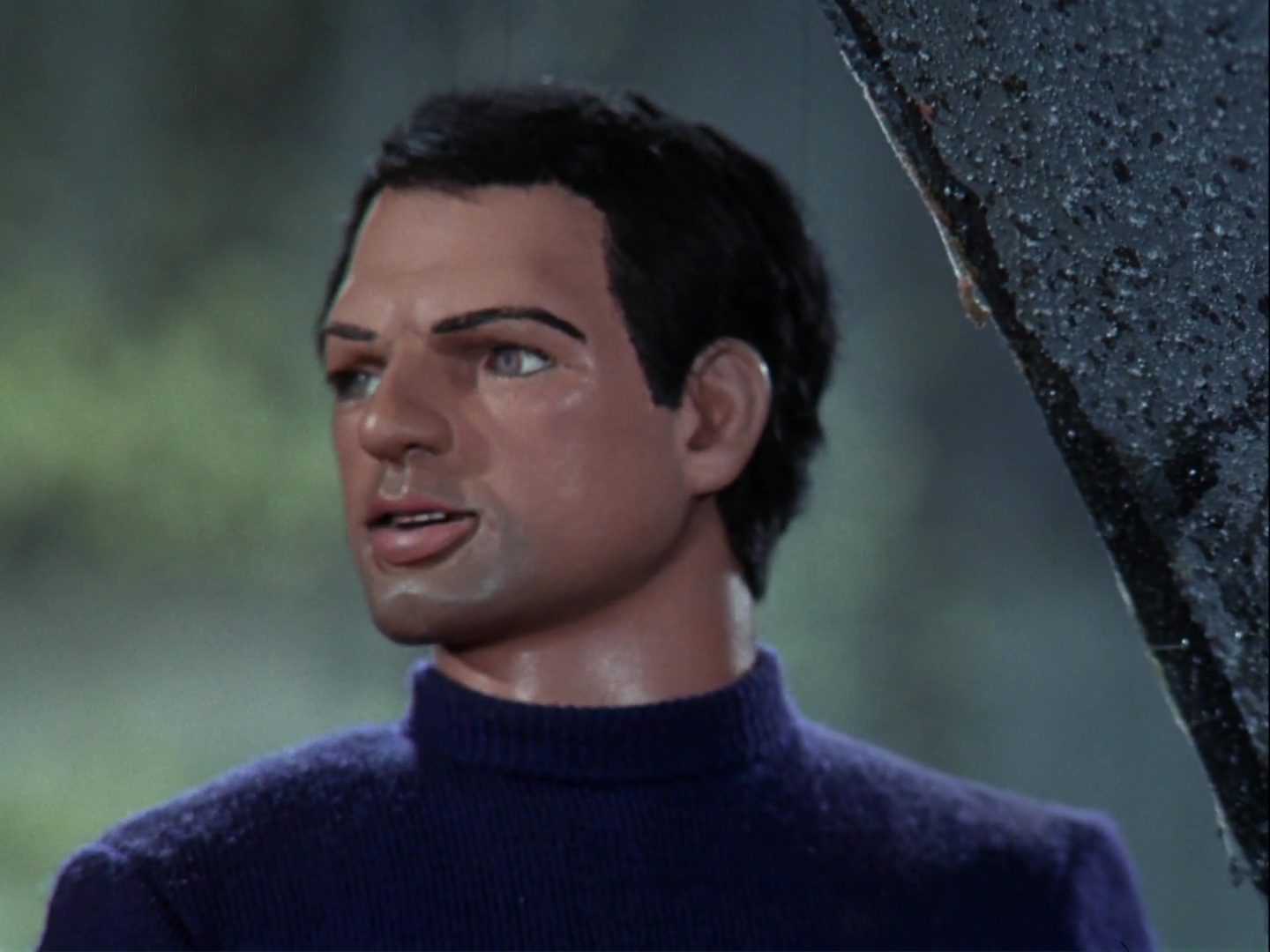
Mullins can’t resist being the smart-arse and points out the cannon wasn’t loaded properly, while Edward’s greed drives him towards trying again, and Spiker whines and wails with fear for their safety. At this level of tension, the characters are running on their basic instincts and boy do they all clash beautifully.
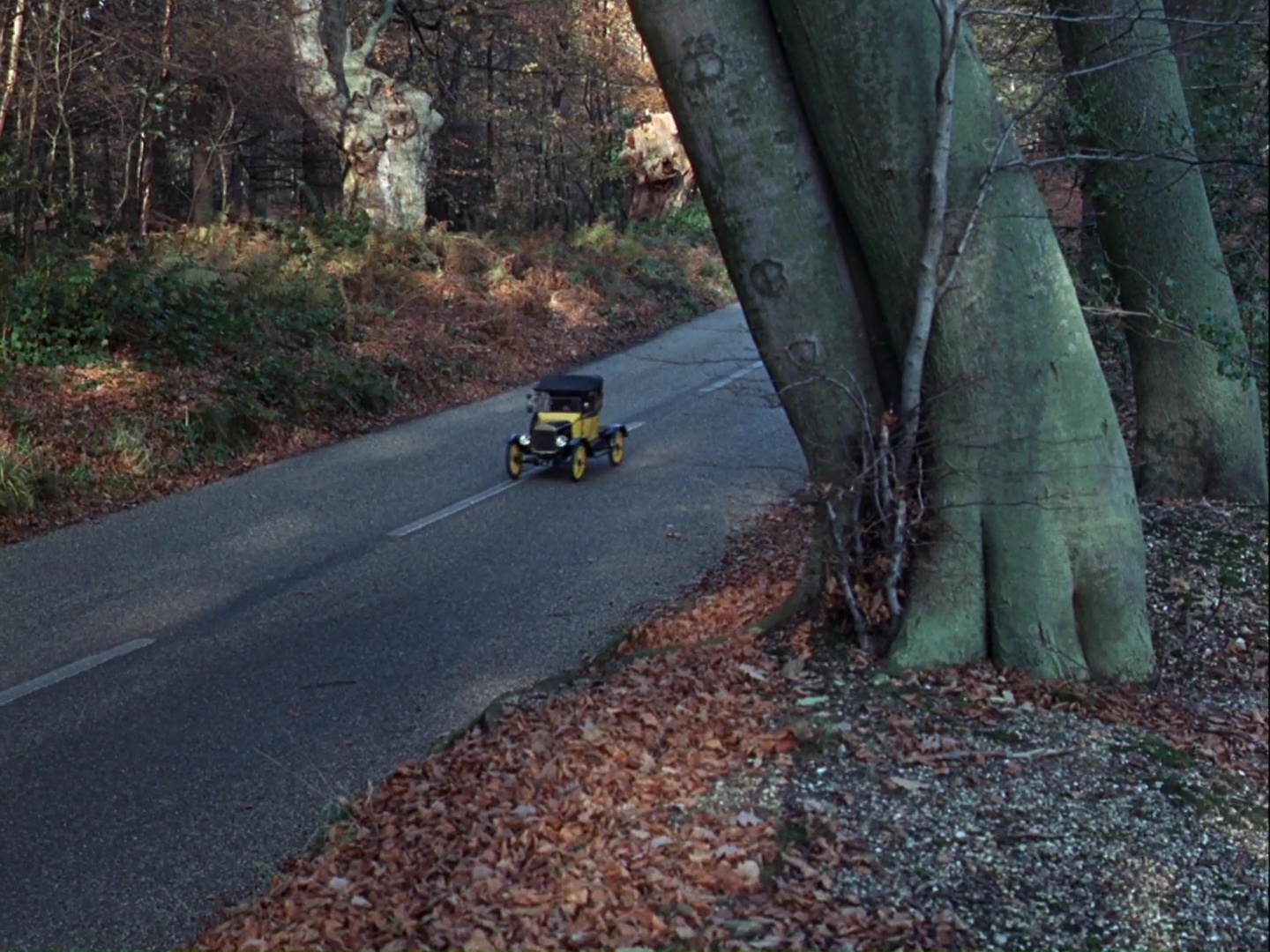
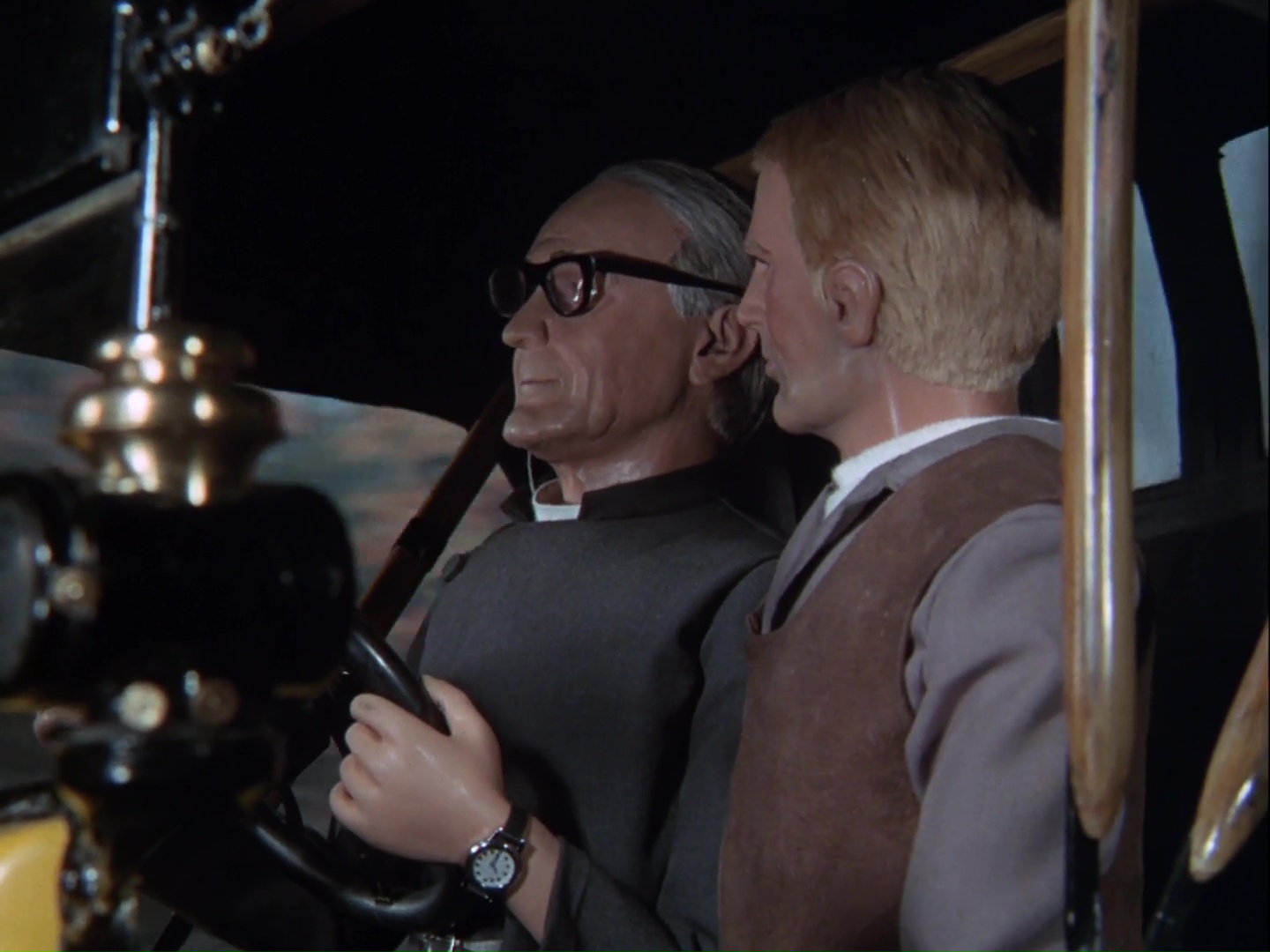
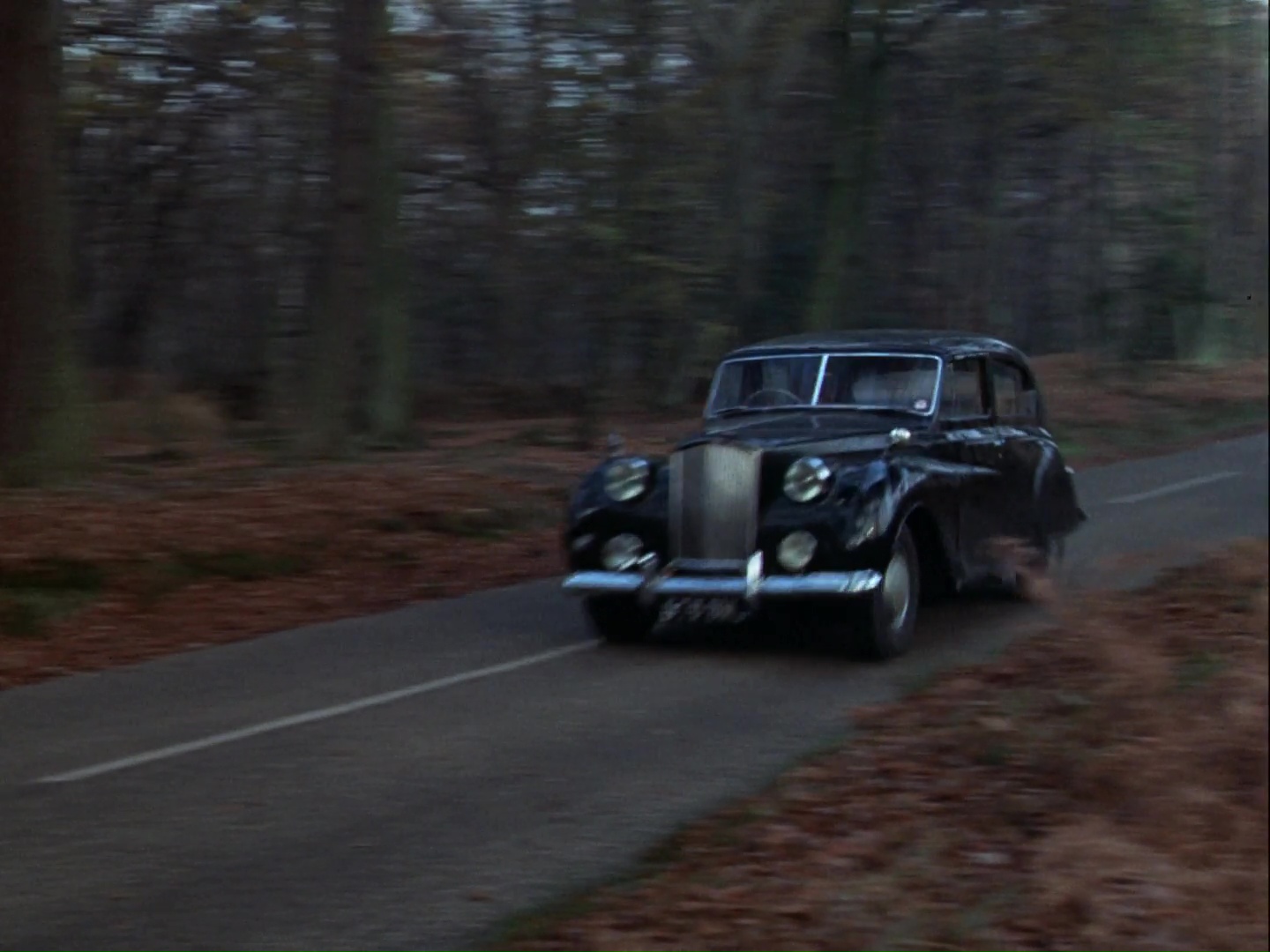
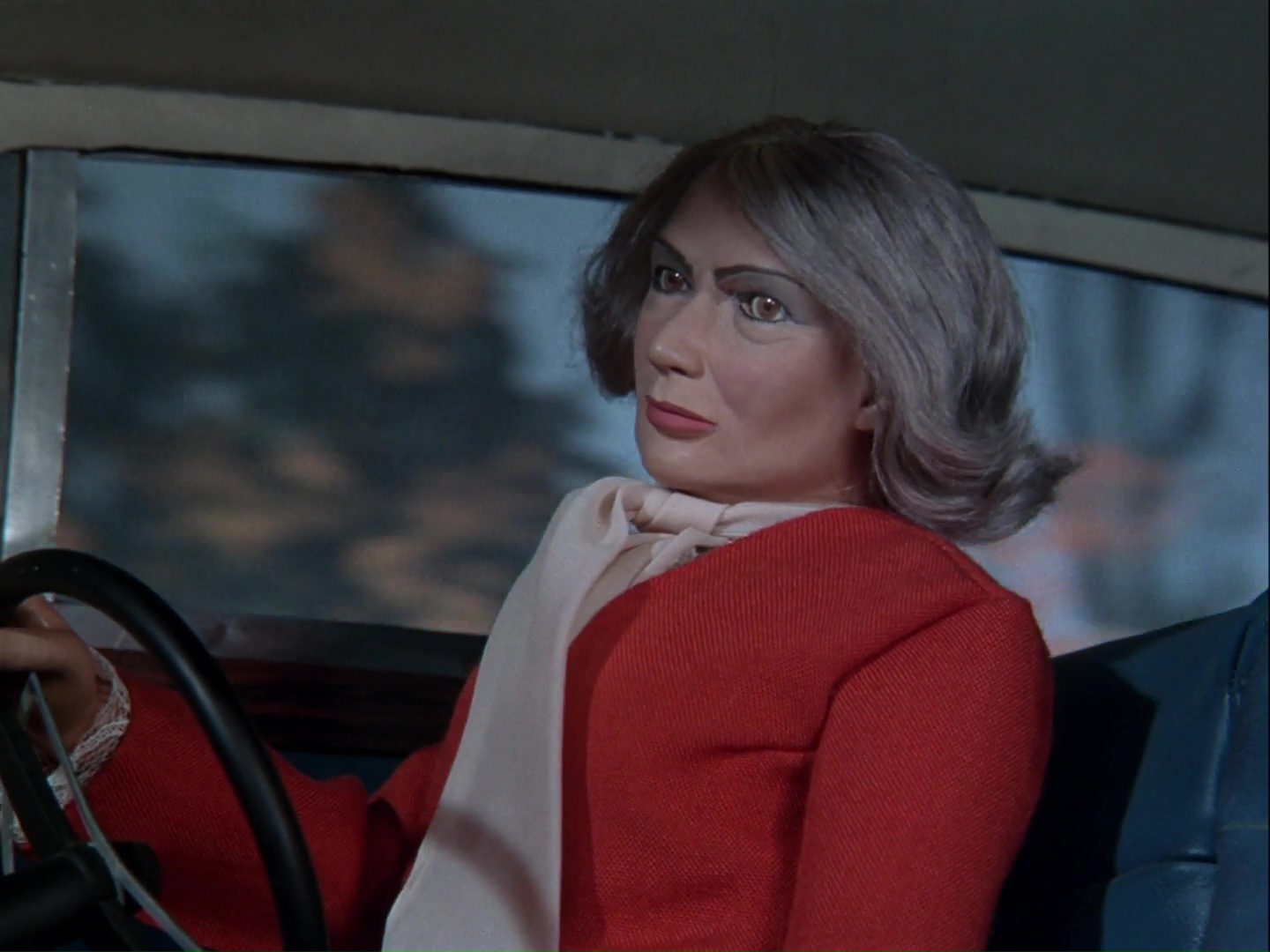
Back on the road, Unwin’s cheerful optimism is destined to ensure victory for our heroes. The pairing of Matthew and Unwin is now functioning much more like a Batman and Robin type of setup, with Unwin in command as Batman, and Matthew fretting about things and asking questions like Robin. In the earliest episodes of the series, Unwin was more of an Alfred figure – there to help but in quite a remote, passive way… although I know naff-all about comic book superheroes so I could have that assessment completely wrong.
Meanwhile, Lady Martha is like a pig in mud. She’s not only racing towards glorious riches, but there’s a sense that this is the first time she’s ever done anything based on her own instinct. Speeding down the road, Martha looks like a free spirit after years of bullying and manipulation from her brother. I think it’s fair to say that out of all these crooks, she’s the one that the audience is rooting for because she’s been the underdog up until now.
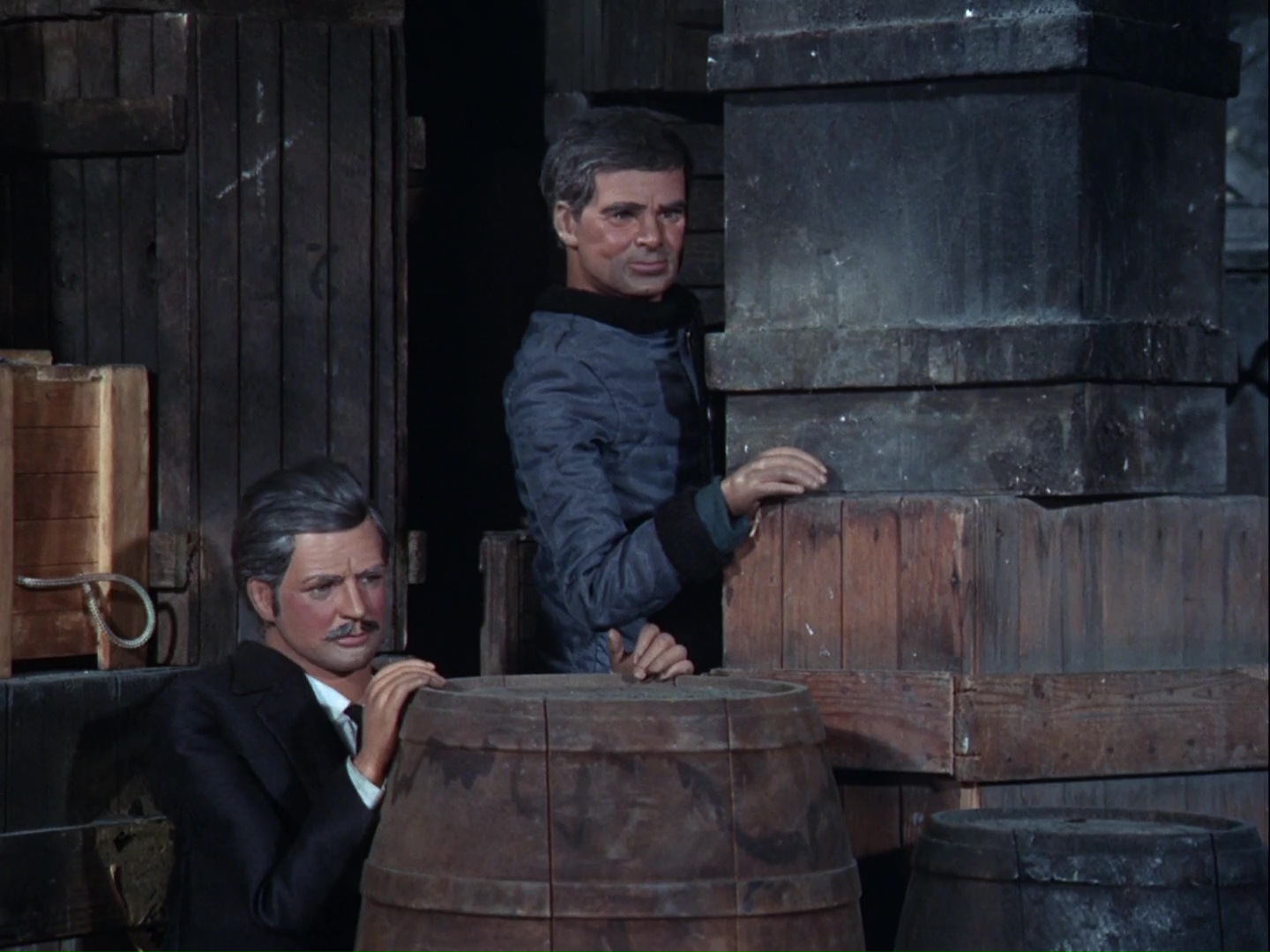
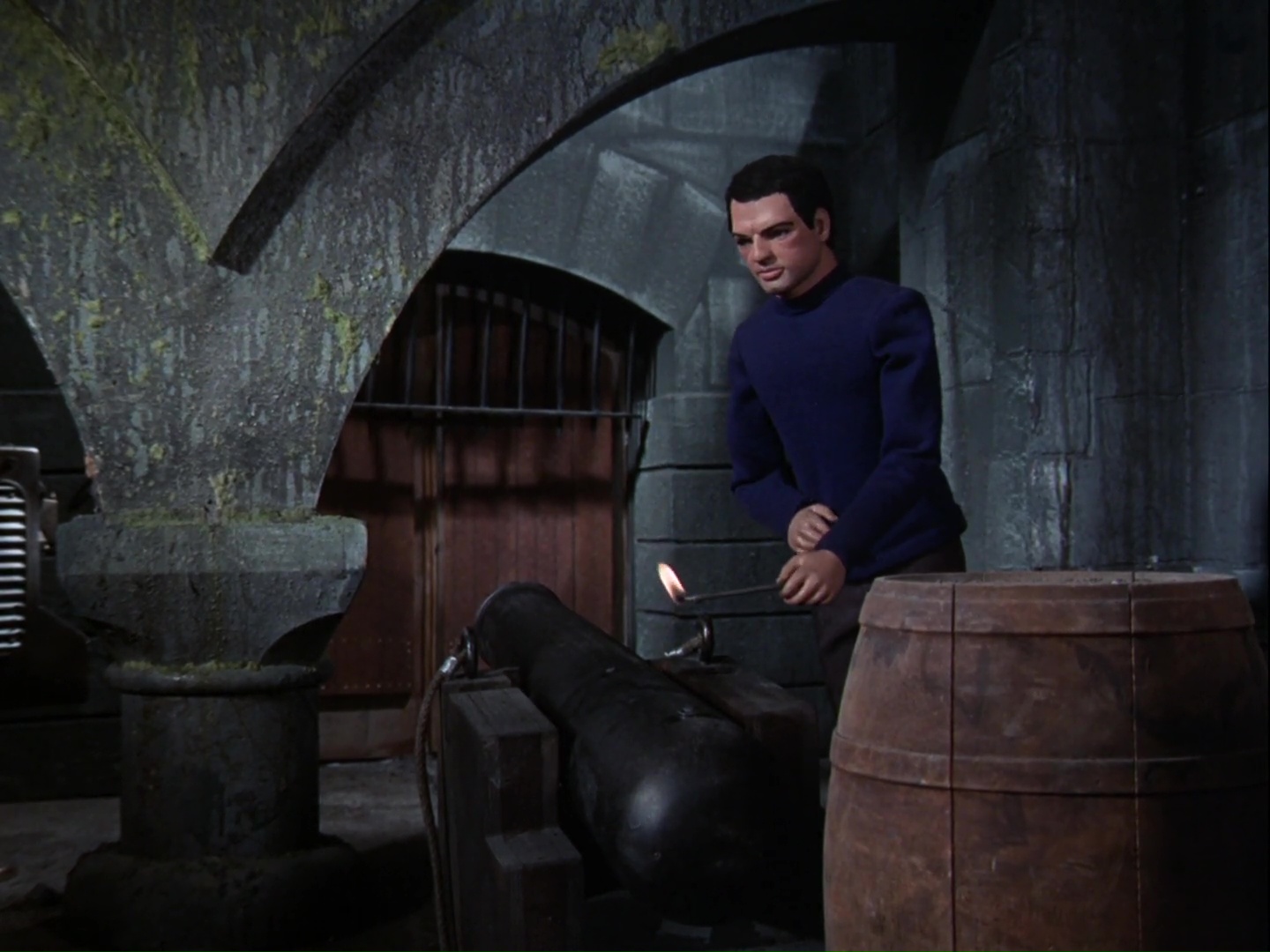
Back in the dungeon, Lord Hazelwell has taken to bullying Spiker now that Martha isn’t around, calling him a coward and forcing him to do the very dangerous job of lighting the cannon.
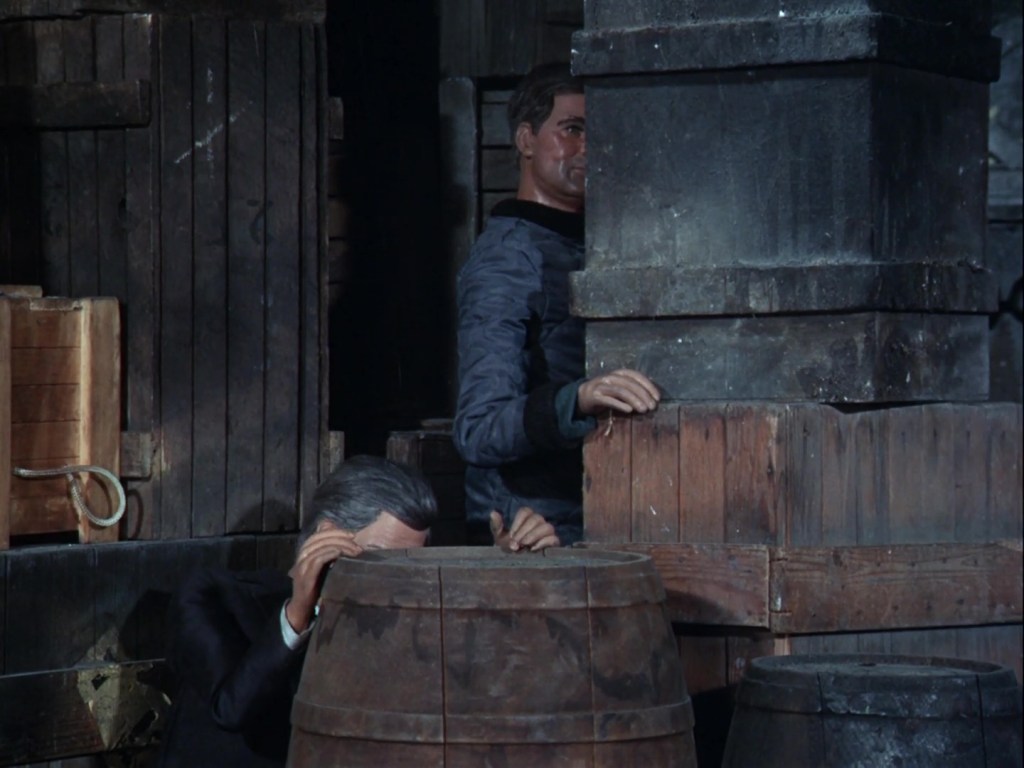
Clearly, they have every confidence in Spiker’s success.

Thrown back against a crate, the poor lad doesn’t fare too well. He has, in a sense, become another underdog in this game that we’re compelled to root for. Now that Edward has started to inflict his cruelty on Spiker, we start to want Spiker to get the better of him. The shifting power dynamics in this episode are part of what keeps it exciting. That and the string of bloomin’ mad stunts one after another.

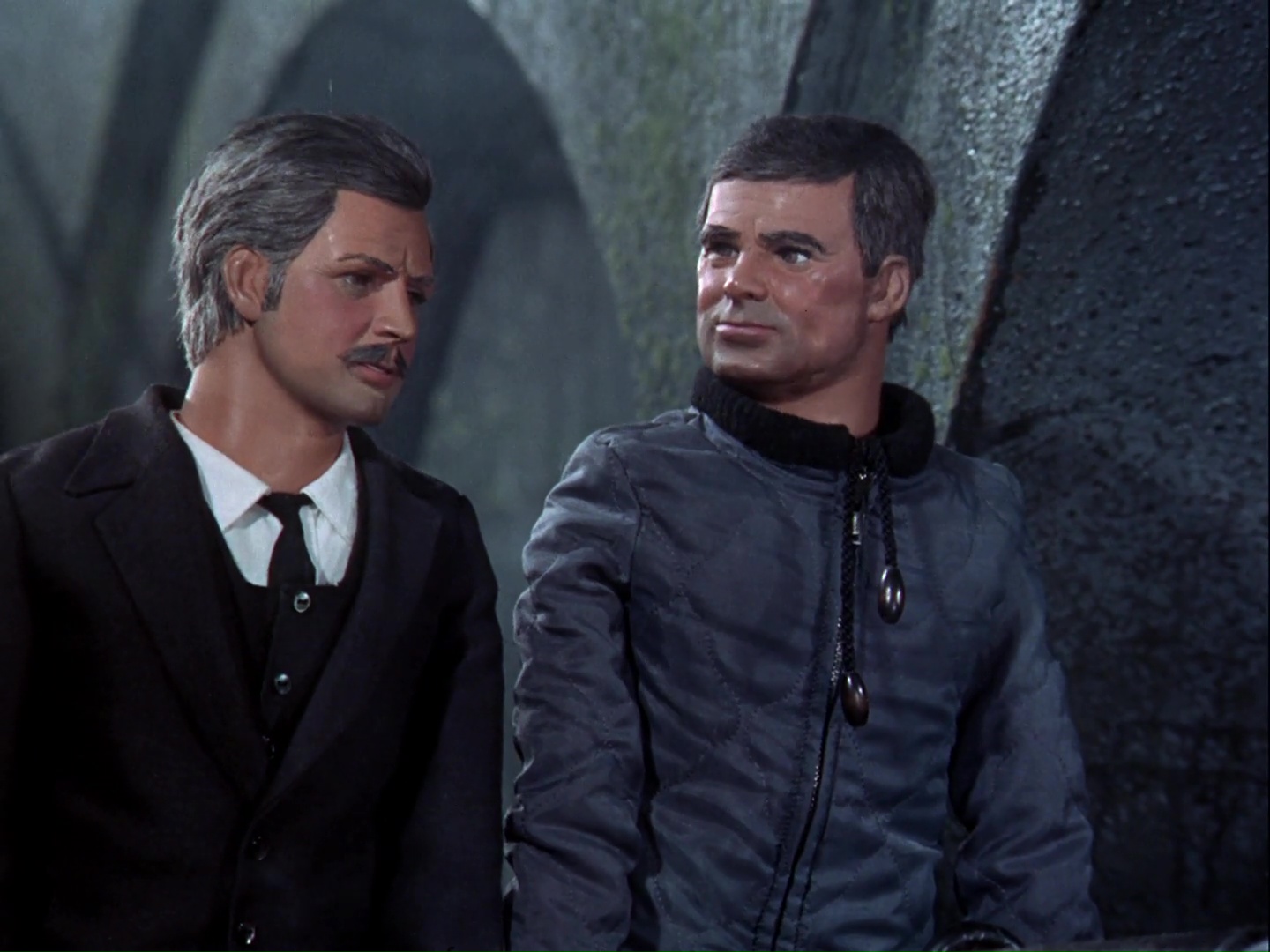
Spiker gets no sympathy from his accomplices for injuring his arm. Of course, the gunpowder-blackened face in this scenario is a comedy classic. It would have been rude for the production team not to do it. Mullins, ever the practical fellow, wants to know how they’ll get the plates back without a car. Edward, ever the rich twerp, is ready to show off one of his toys.
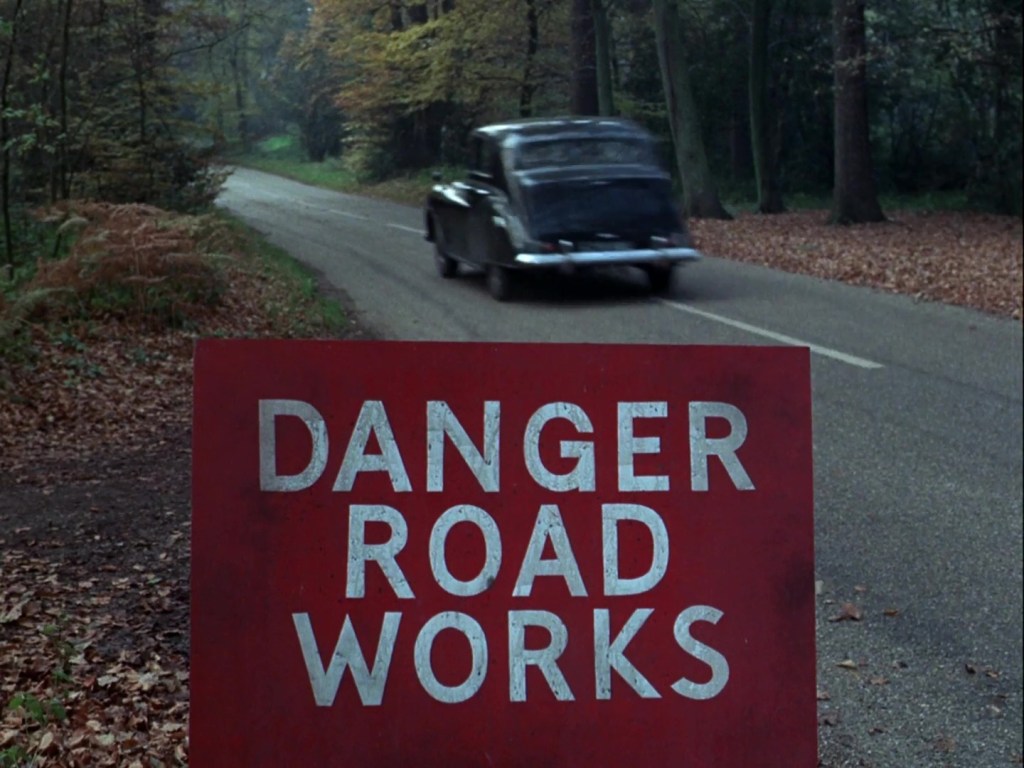
How dangerous can road works in the Burnham Beeches area possibly be? The chances of driving straight off a cliff are rather remote.
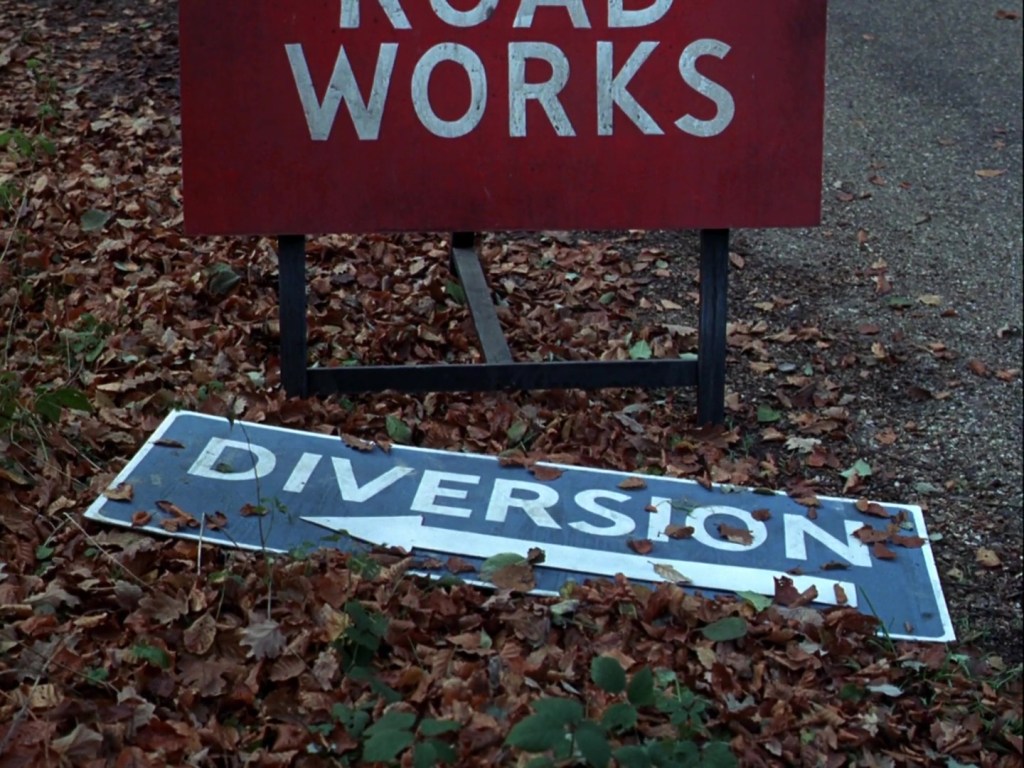
Well someone at the council ought to lose their job over this.
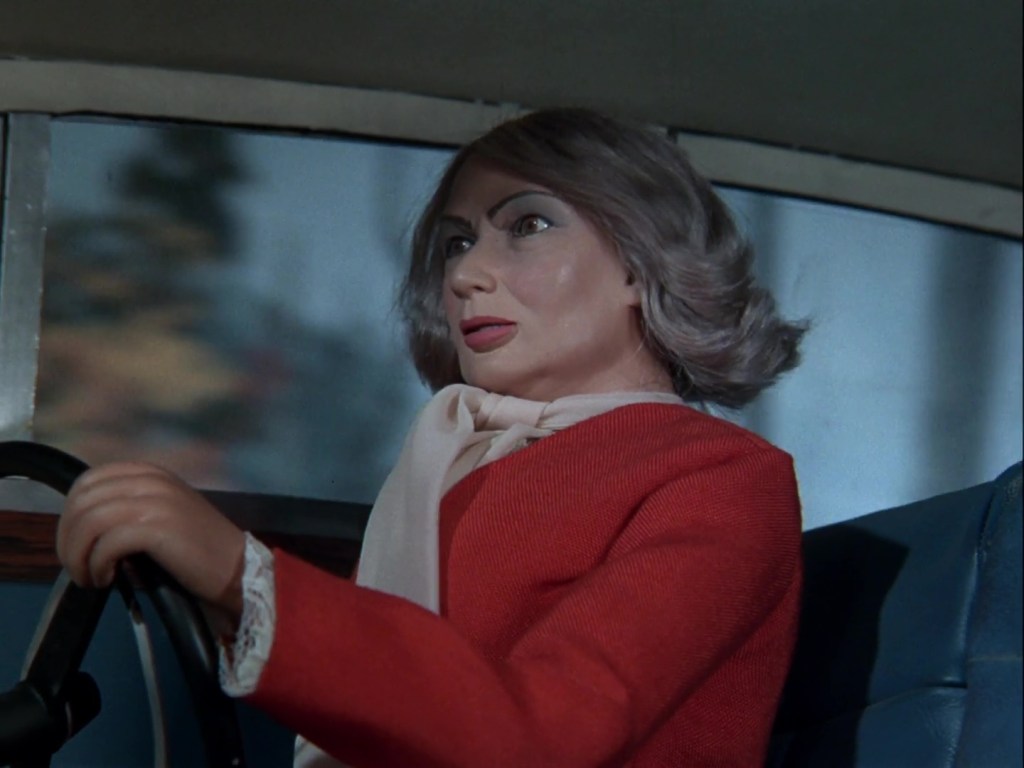
Lady Martha bursts into song with joy and blissful ignorance. Of course she does. Fancy singing along? Go on then, here are the lyrics to The Open Road by William C. Braithwaite:
THE OPEN ROAD
William C. Braithwaite, Red Letter Days; a Verse Calendar (1907)
‘Tis the open road for me,
Where I wander fancy-free
Up to the purple hills
Or away to the dancing sea.
Far over the moor it bends,
Down the smiling vale descends,
And all whom I pass I greet
For every face is a friend’s.
The fresh glad morn is at prime;
My heart is a-lilt with rhyme;
The song wells up as I go,
And my feet to the tune keep time.
Come along with, I pray,
And banish your care away,
For here is the open road
And this is God’s new-made day.
Enjoy that? No? Tough.
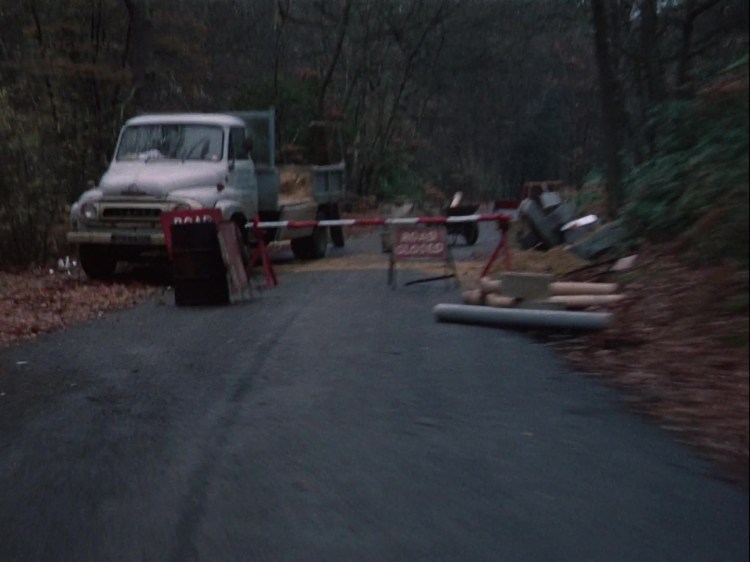
This very dramatic POV shot is used to demonstrate Lady Martha’s careless driving. Now I’d rather not assume that this is yet another 1960s dig at female drivers in an Anderson show, but it would be naive of me to rule that out. Also, just look at how dull and dismal the weather is in this shot. Filming this stuff in late-December during some of the shortest days of the year must have been atrocious for Ken Turner and the location unit.

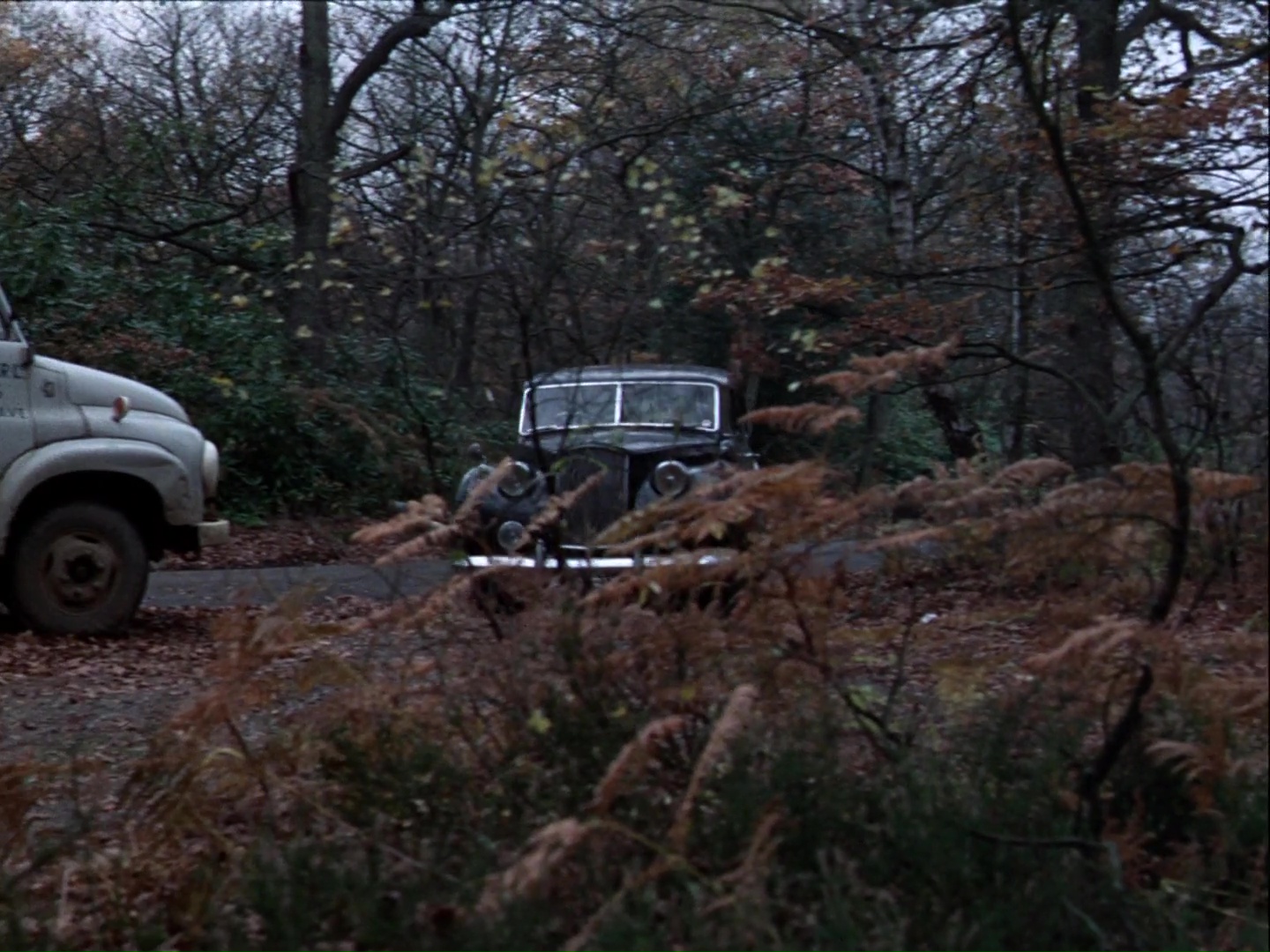
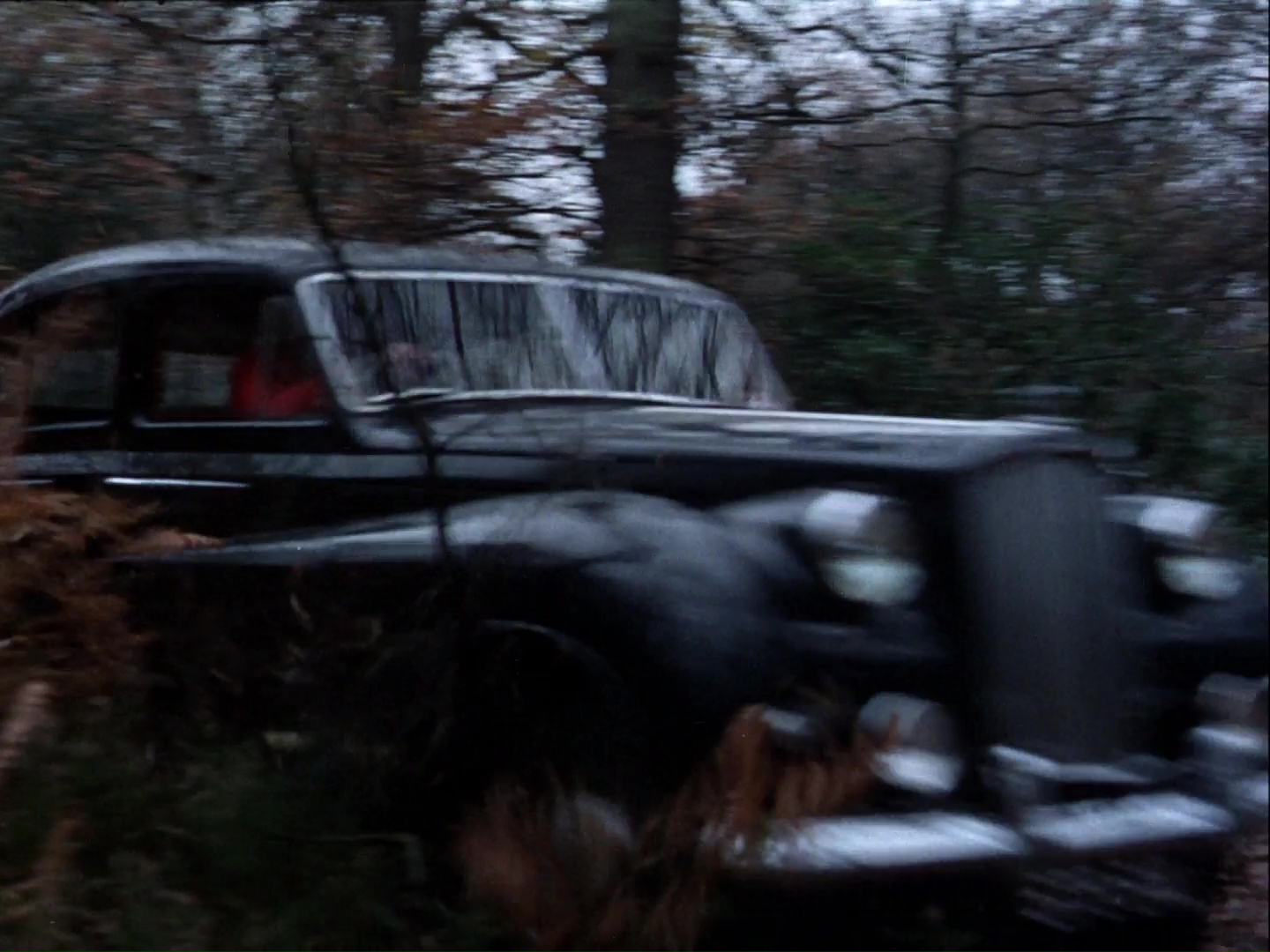

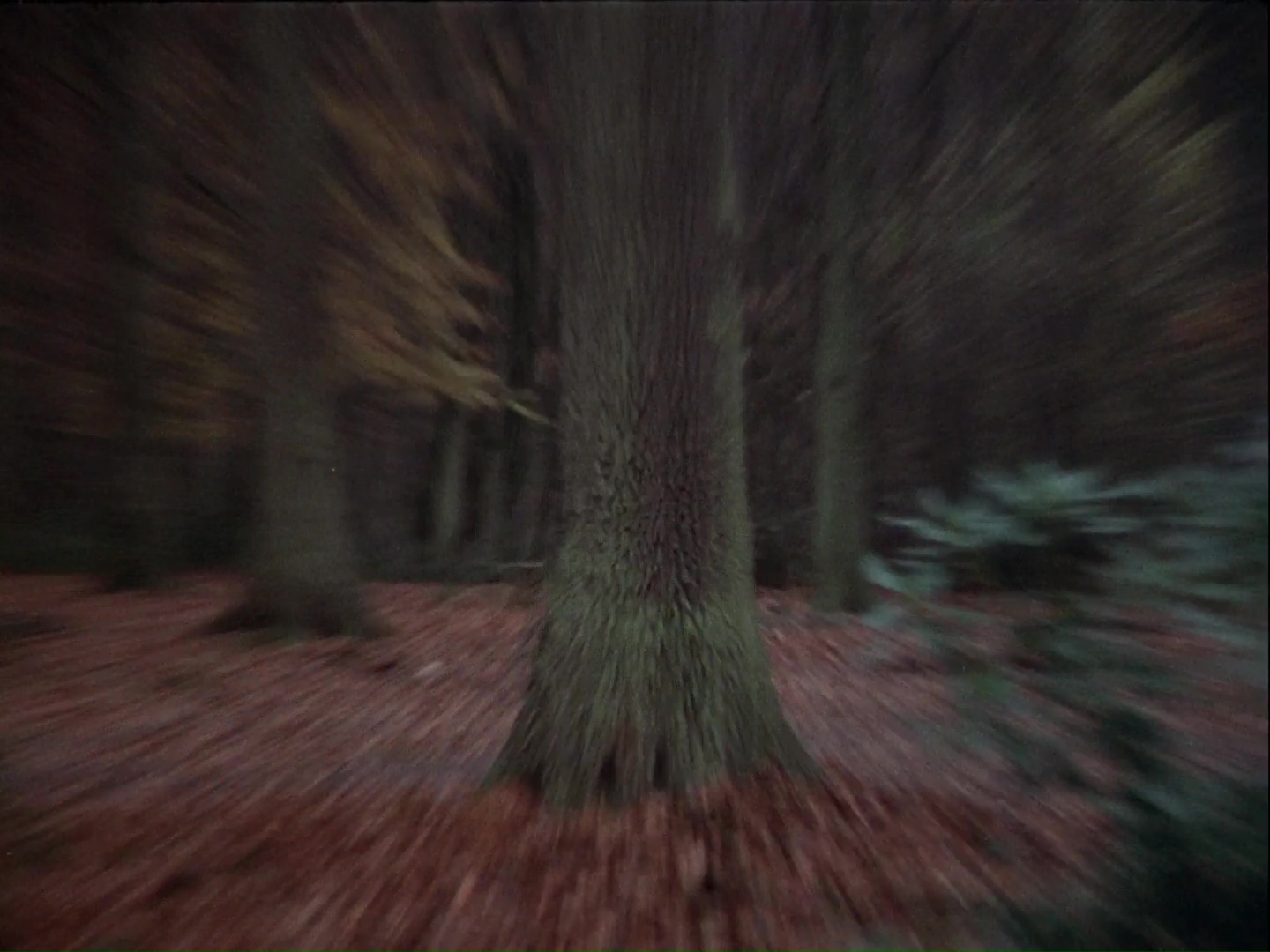
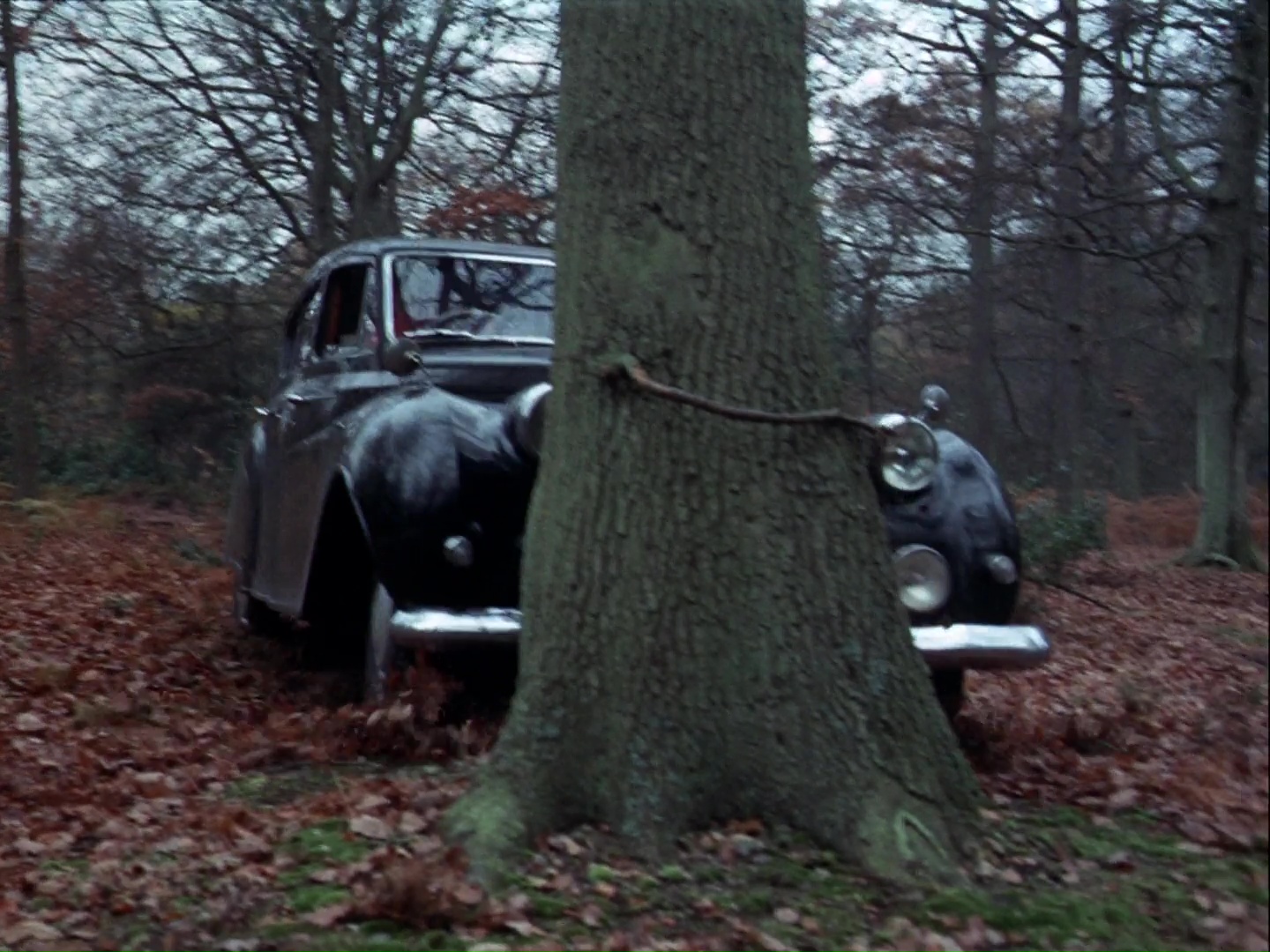

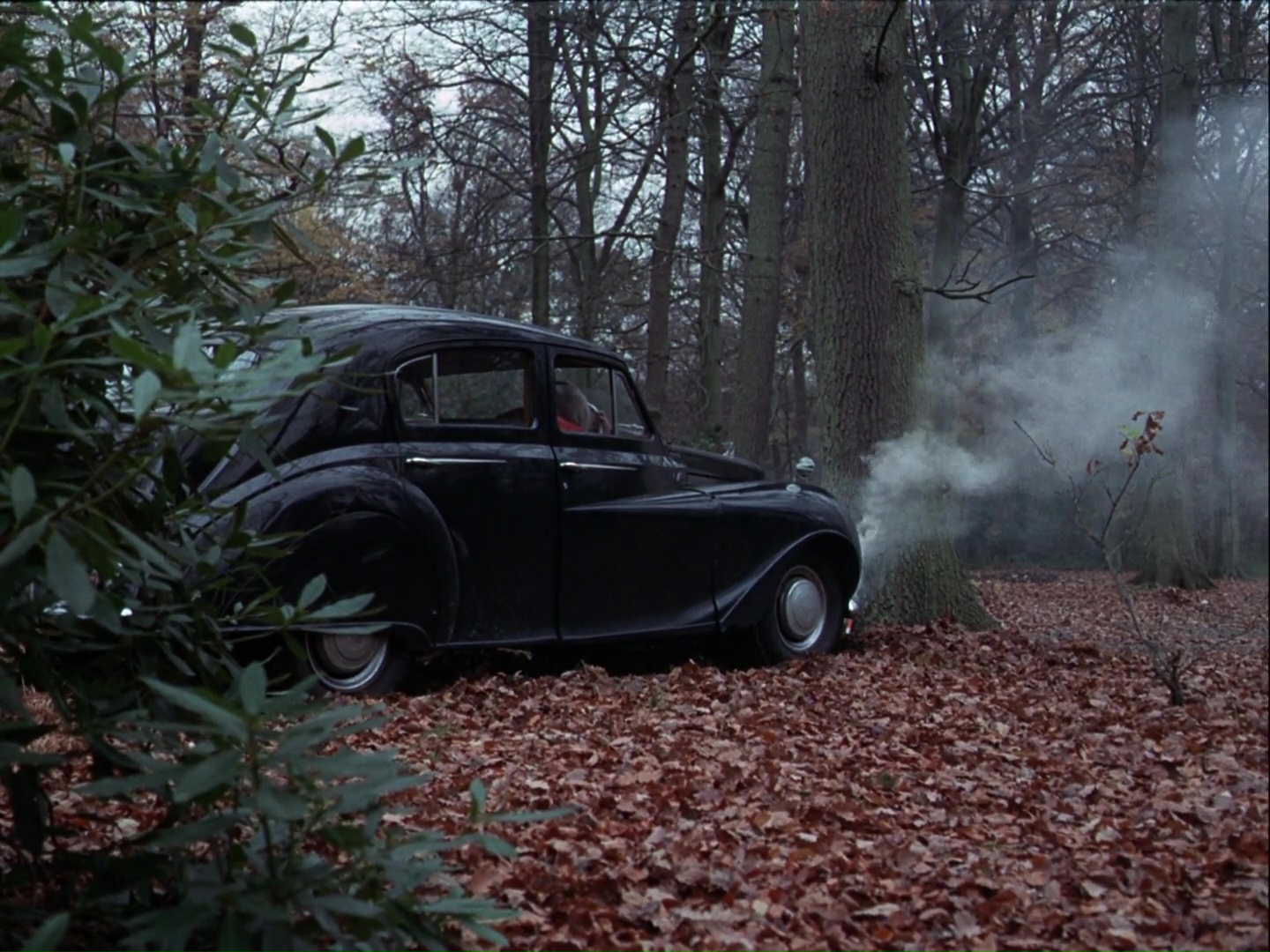
If you’ve ever wondered how to crash a car without actually crashing a car… maybe seek advice elsewhere. It’s rather silly how unconvincing this stunt is. The Austin Princess is clearly nowhere near that tree, so Ken Turner uses every trope in the book to try and sell the action to us. Wild, dramatic, handheld, shaky close-ups of Lady Martha which have been flipped to make them look even more bizarre. A big fat crash-zoom on the tree… of DOOM! Martha getting thrown out of shot and suddenly becoming very static. Smoke pouring from the radiator even though there quite clearly isn’t any damage at all to the car itself.
I’m really not entirely sure why this sequence wasn’t handed over to the special effects stage. Yes, the continuity would have been appalling but at least the crash would have been more convincing. Fortunately, the silliness of the story is basically on-par with the silliness of the episode’s slightly rubbish stunts, so it’s more charming than it is irritating. Contemporary viewers might not have seen it that way, but I can certainly see that this is supposed to be intentionally funny… and if it wasn’t intended to look a bit twee and rubbish then at least no cars were harmed in the making of this programme.
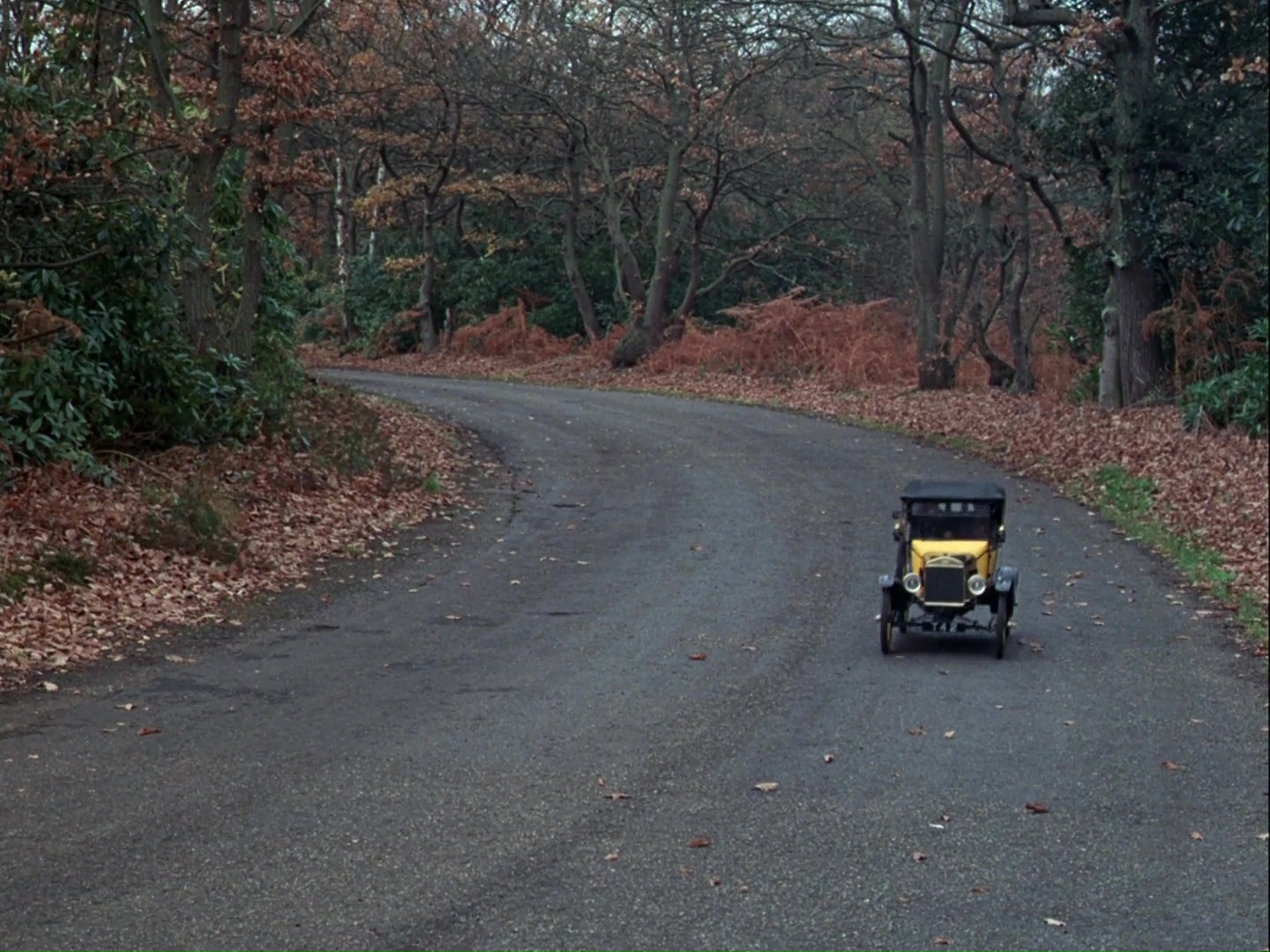
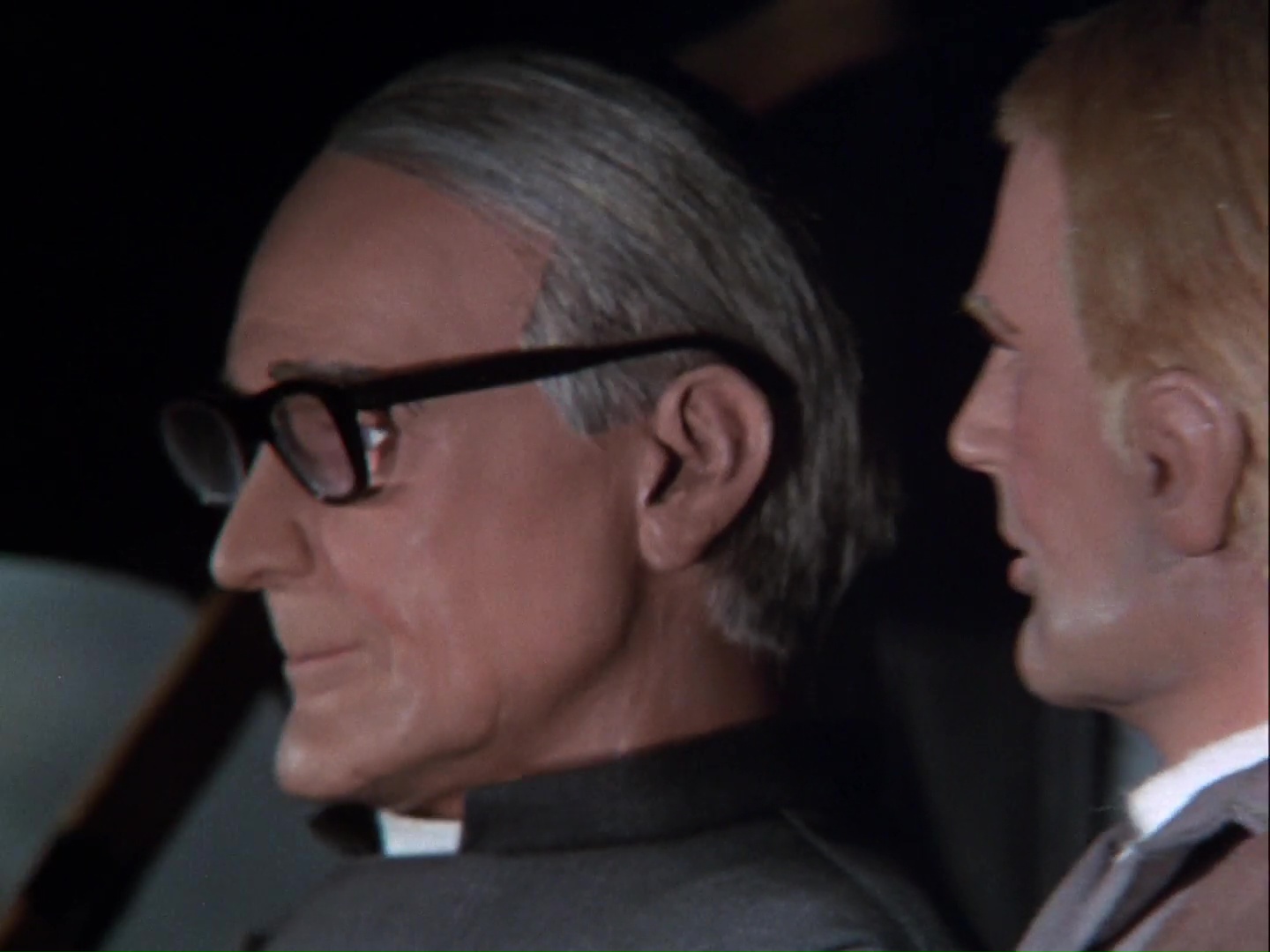
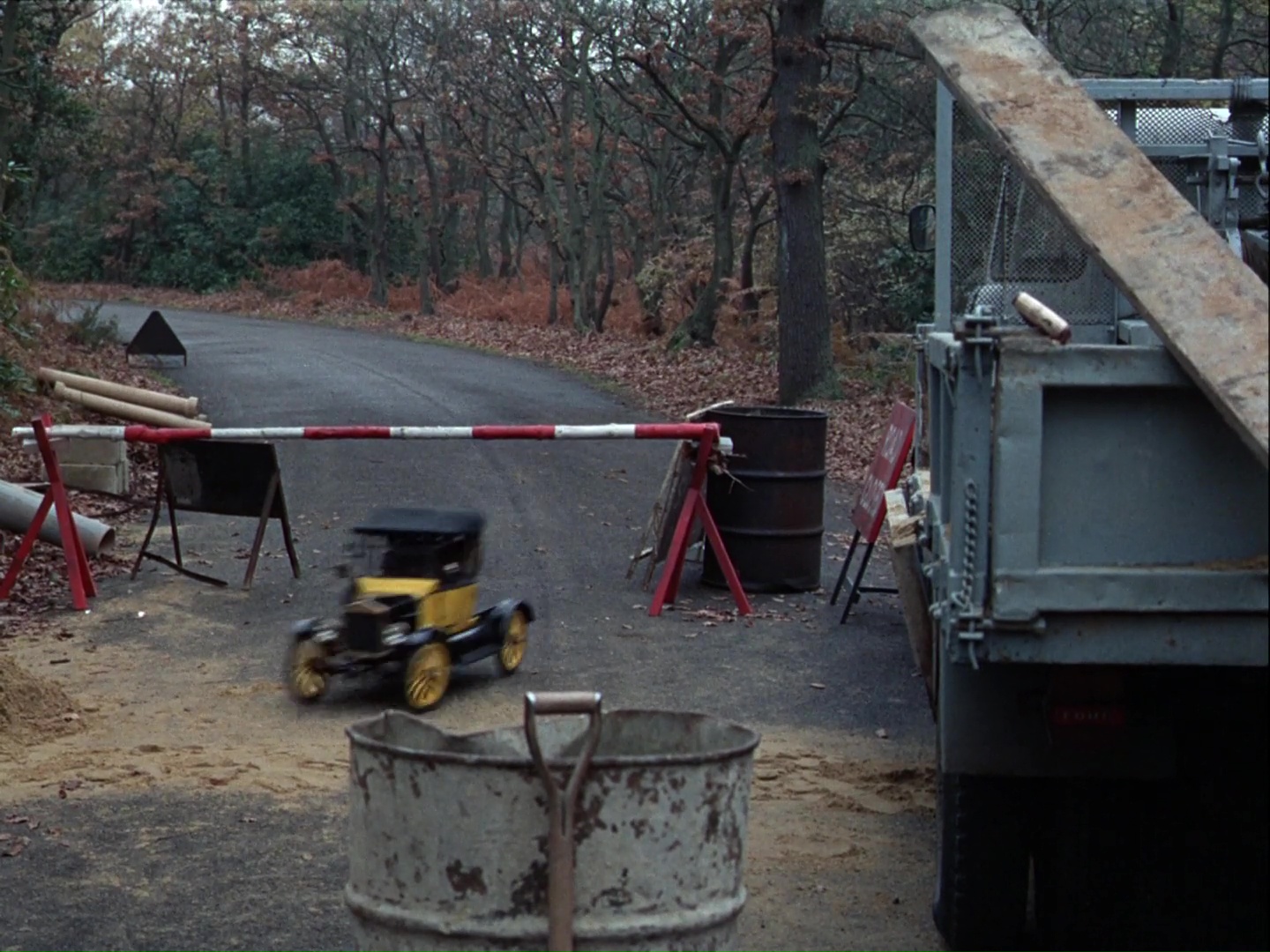
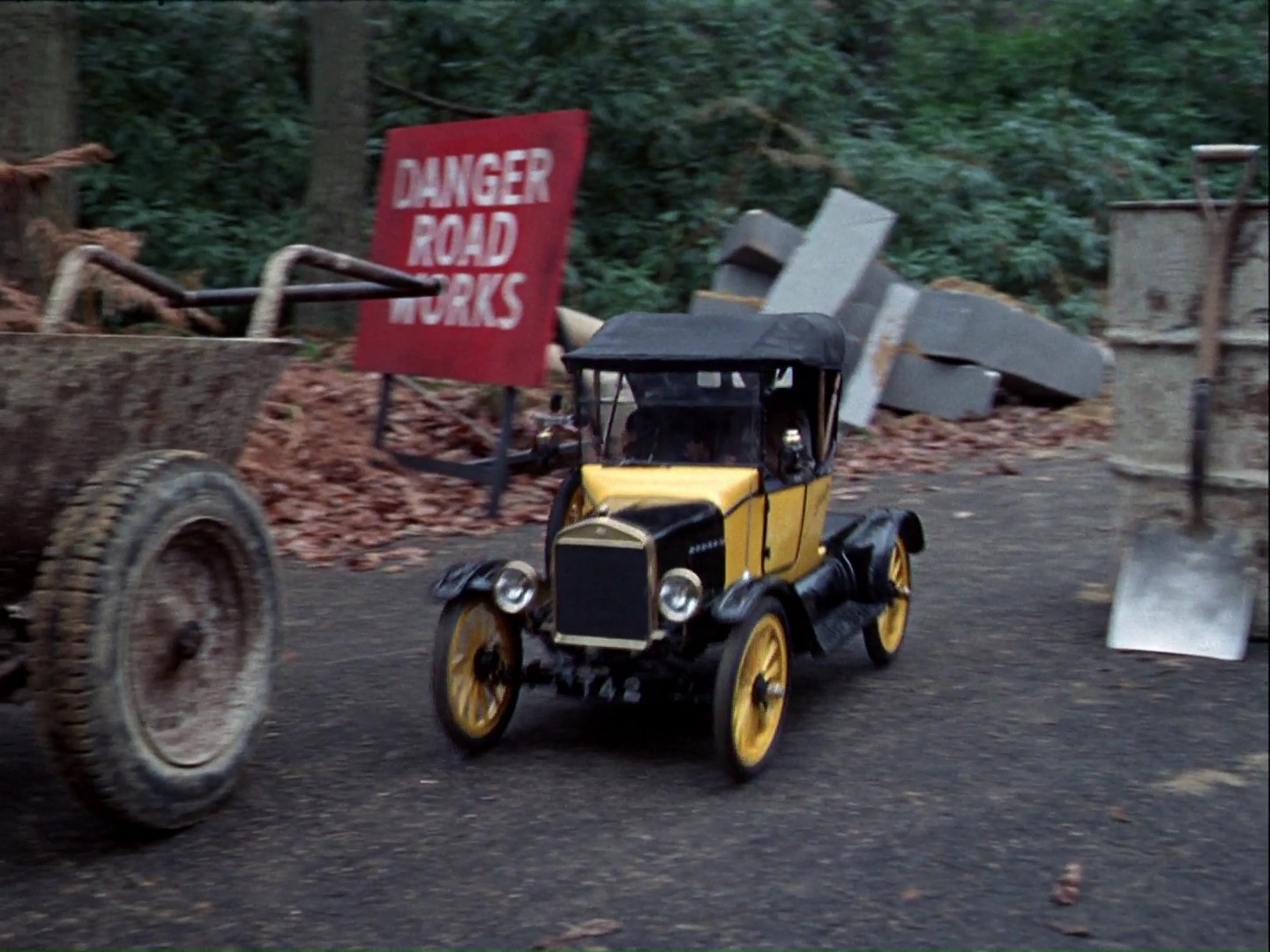
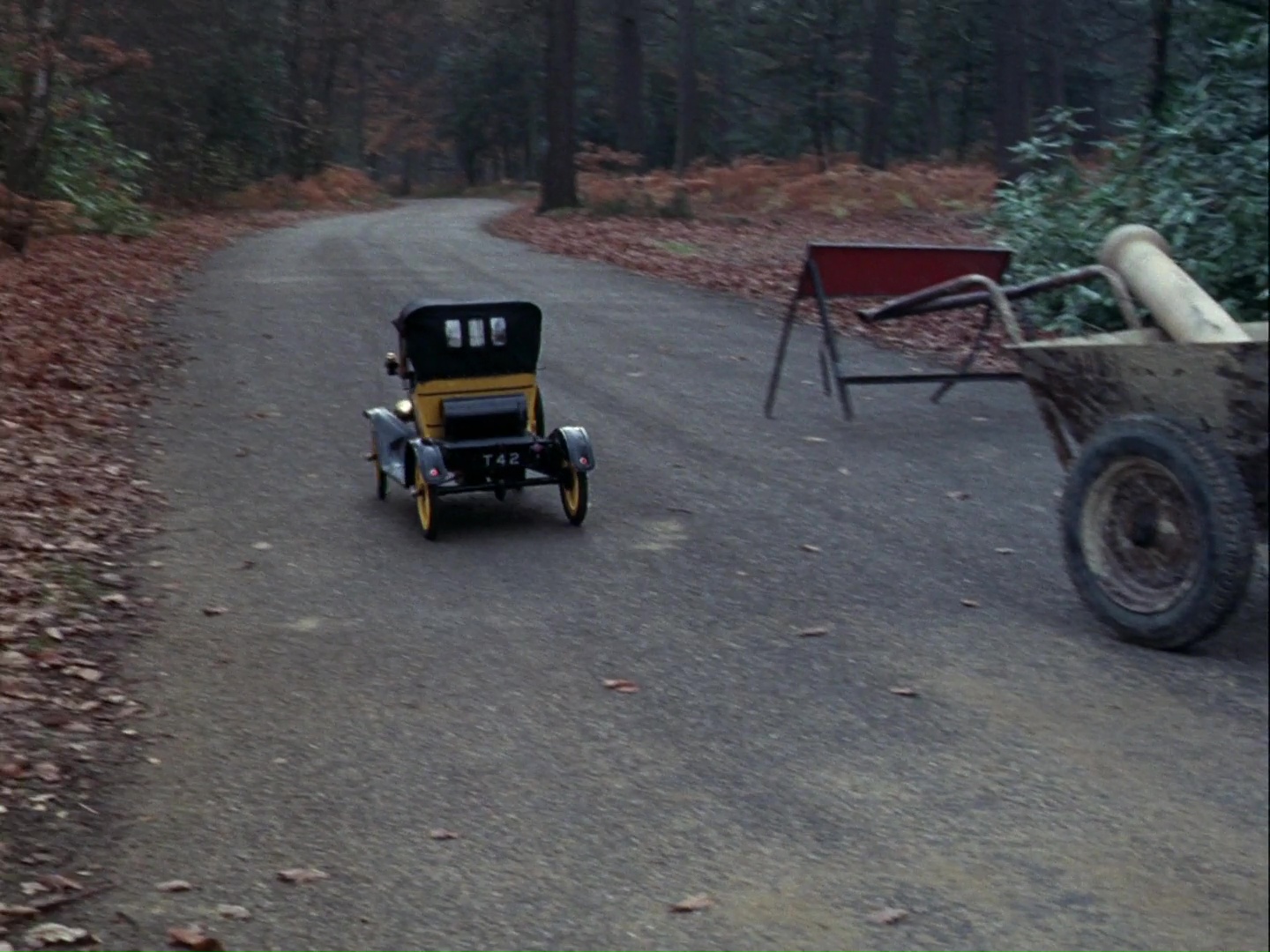
More high-octane stunts now as Unwin and Matthew steer through the perils of the road works. There’s probably some sped up footage at play here but it fits in well enough that I can’t be certain. Look, I’ll level with you, I’m not convinced when I see the radio controlled Gabriel driving down the road. I don’t buy into the fact it’s supposed to be little Unwin driving it. All I see is a radio-controlled car. It’s a gorgeous, gorgeous model and it seems to move like a dream. But, much like all the live-action inserts for the series, it’s too much of a stretch to imagine the puppet interior of the car being filmed indoors at the studio occupying the same space as the exterior model zipping around on location. But again, I think we’ve all made peace with the fact the illusion doesn’t work and can just enjoy it for what it is – a nifty bit of kit.

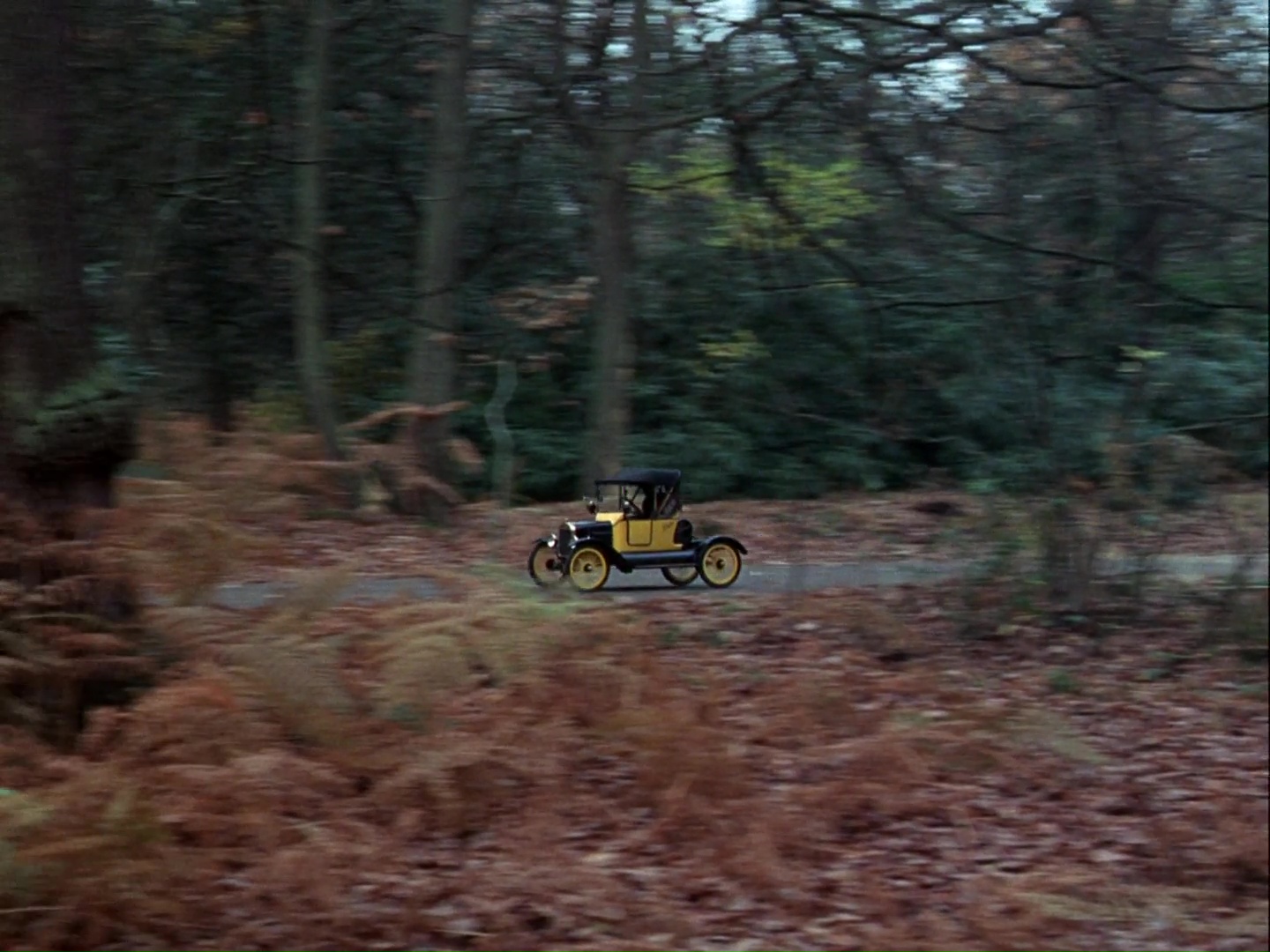
And just in case Tony Barwick wasn’t quite done taking the mick out of his own show, he has Lady Martha wake up from her minor car accident and assume that the obviously radio-controlled model of Gabriel is actually a circus contraption driven by “midgets.” As far as comedy goes, Barwick just does not give a hoot anymore about forcing viewers to take this show seriously.

Oh wait, there’s more. The lads are now planning to FLY to the farm in the plane which has conveniently been parked outside this entire time. And of course, all the Anderson fans in the crowd will recognise the model and puppet set for the Tiger Moth immediately as the titular Thunderbird 6 from the 1968 feature film. Thunderbird 6 had finished shooting almost 12 months prior to the filming of More Haste Less Speed and I bet the Century 21 team were quite surprised to be bringing the Tiger Moth out of storage so soon. It certainly doesn’t look as pristine as it did on the big screen but that could be intentional weathering from the art department, or leftover “oil” from the movie’s climax.

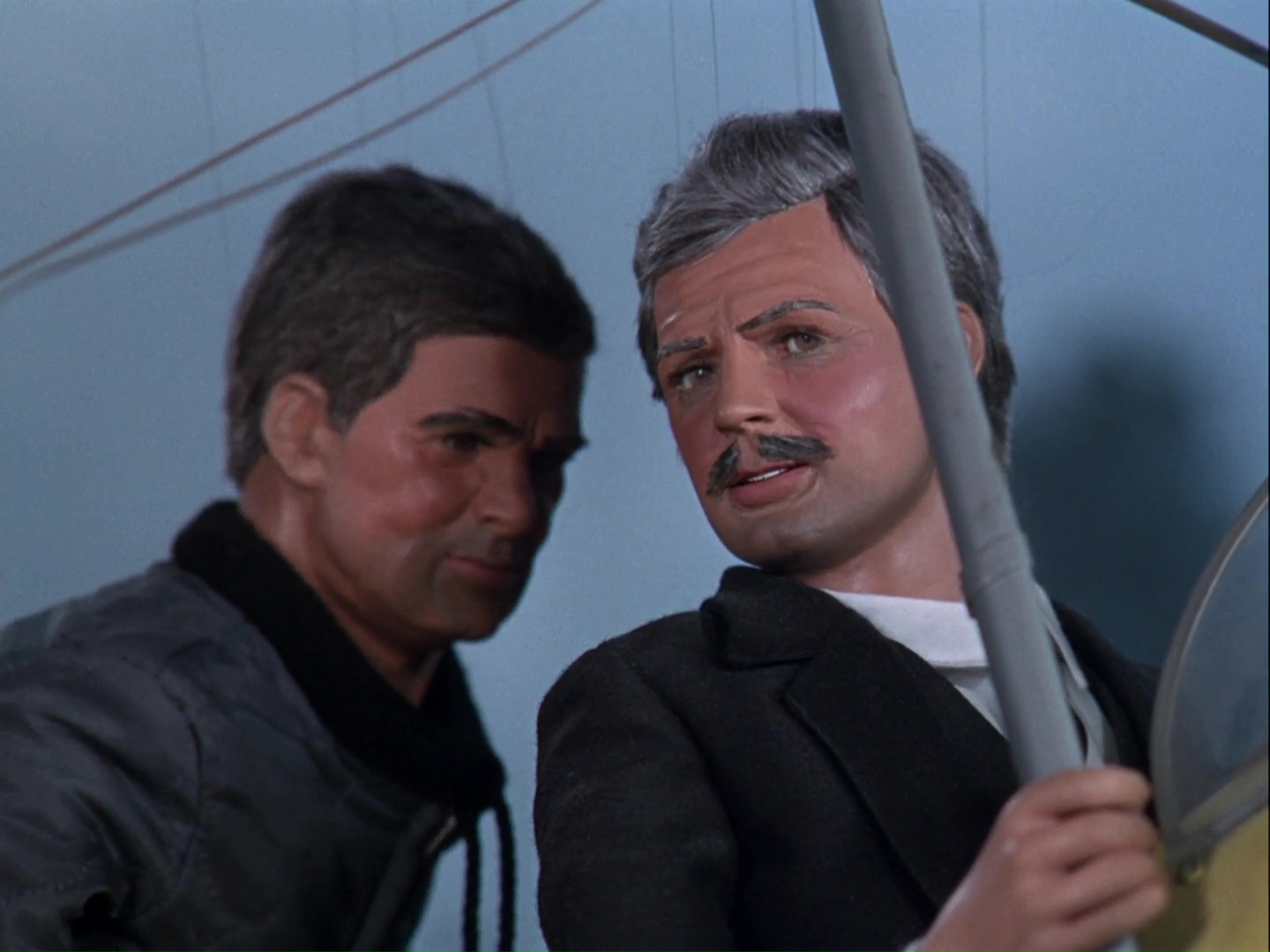
Poor Spiker really is having a tough time now. After coming across all grumpy and macho in the episode’s opening scene, he’s now a pathetic whimpering victim of Lord Hazelwell’s cruelty. It’s time for him to be put out of his misery and left behind by the episode’s most intelligent pairing… which isn’t saying much.
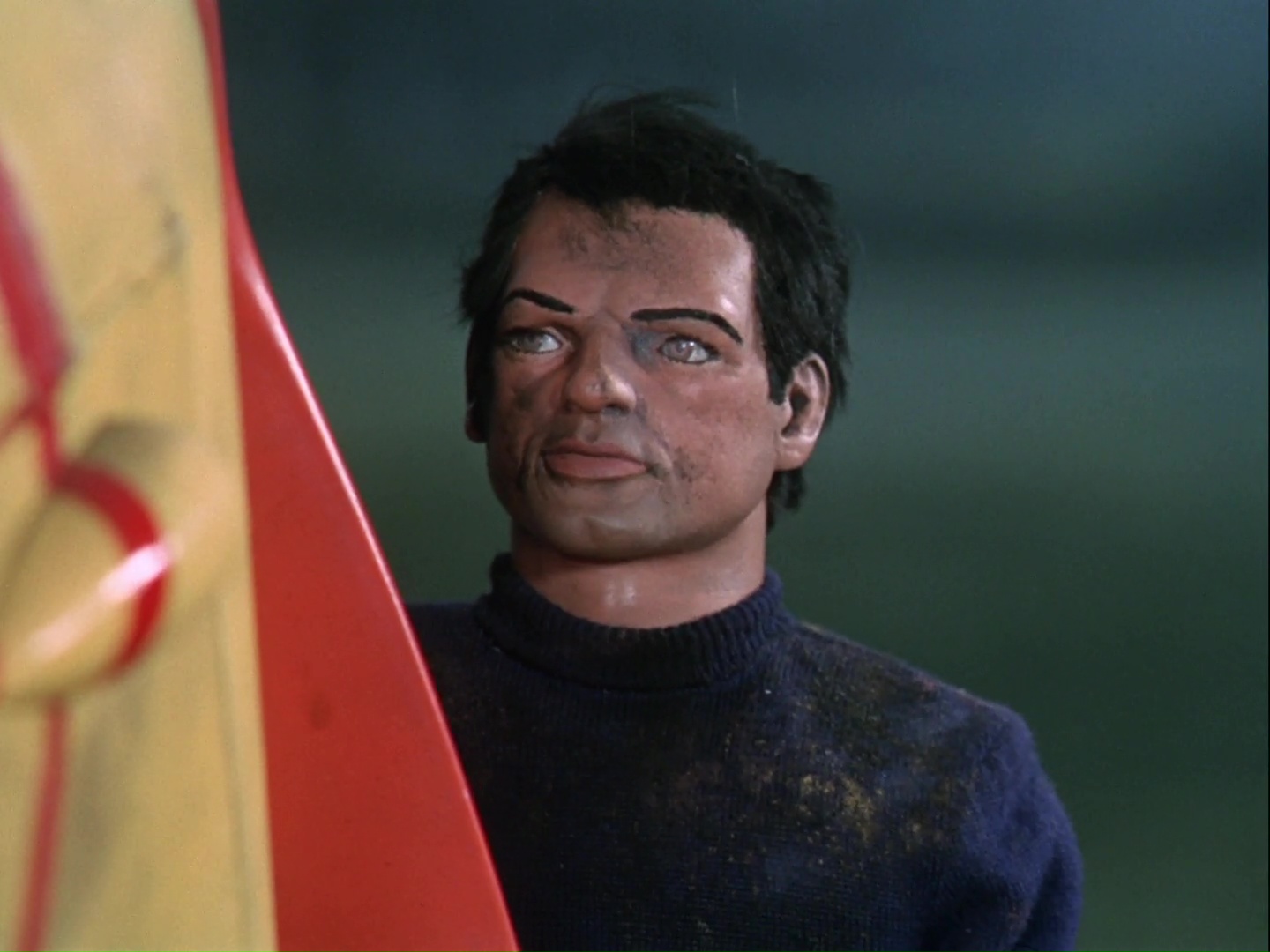
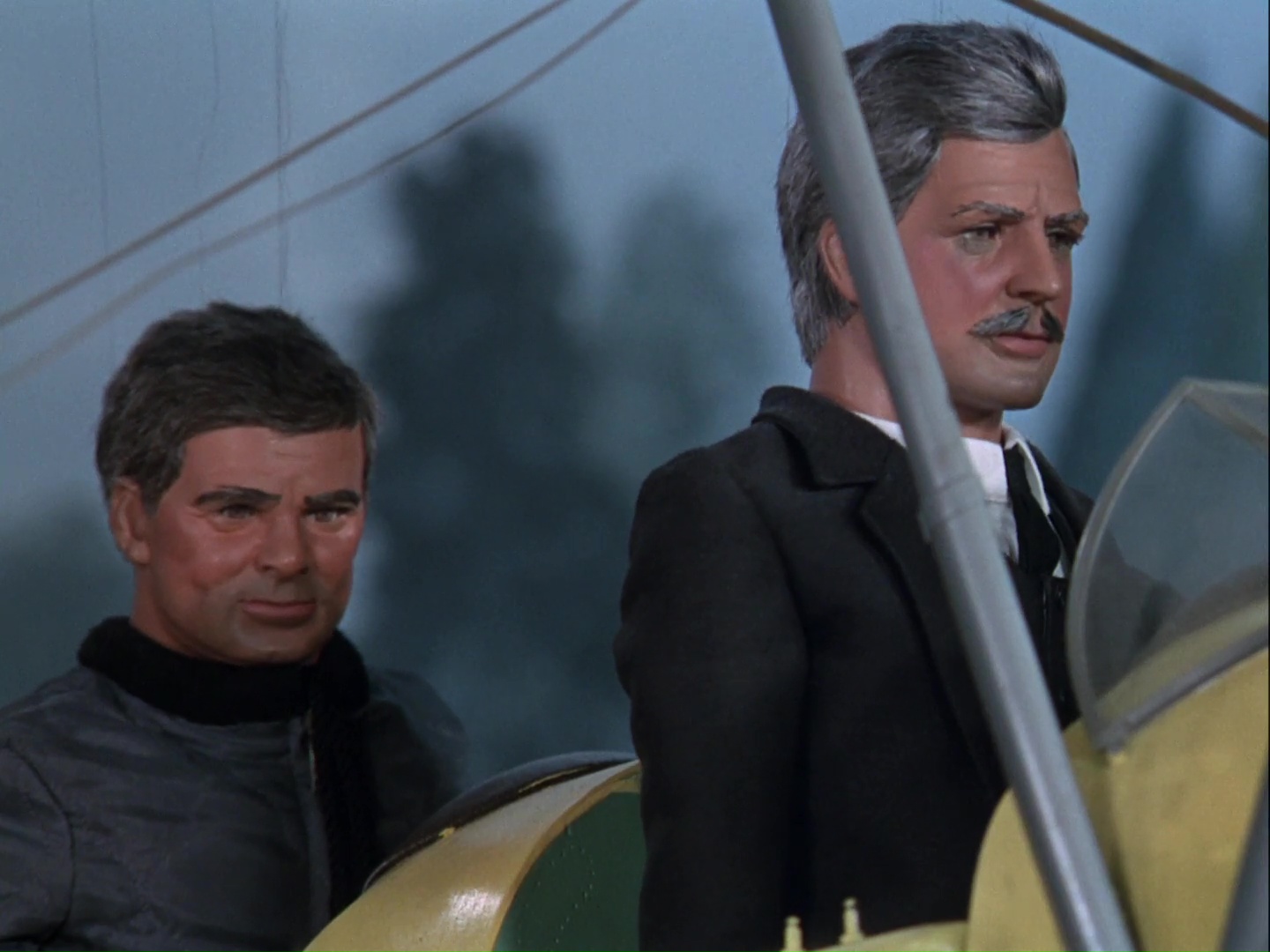
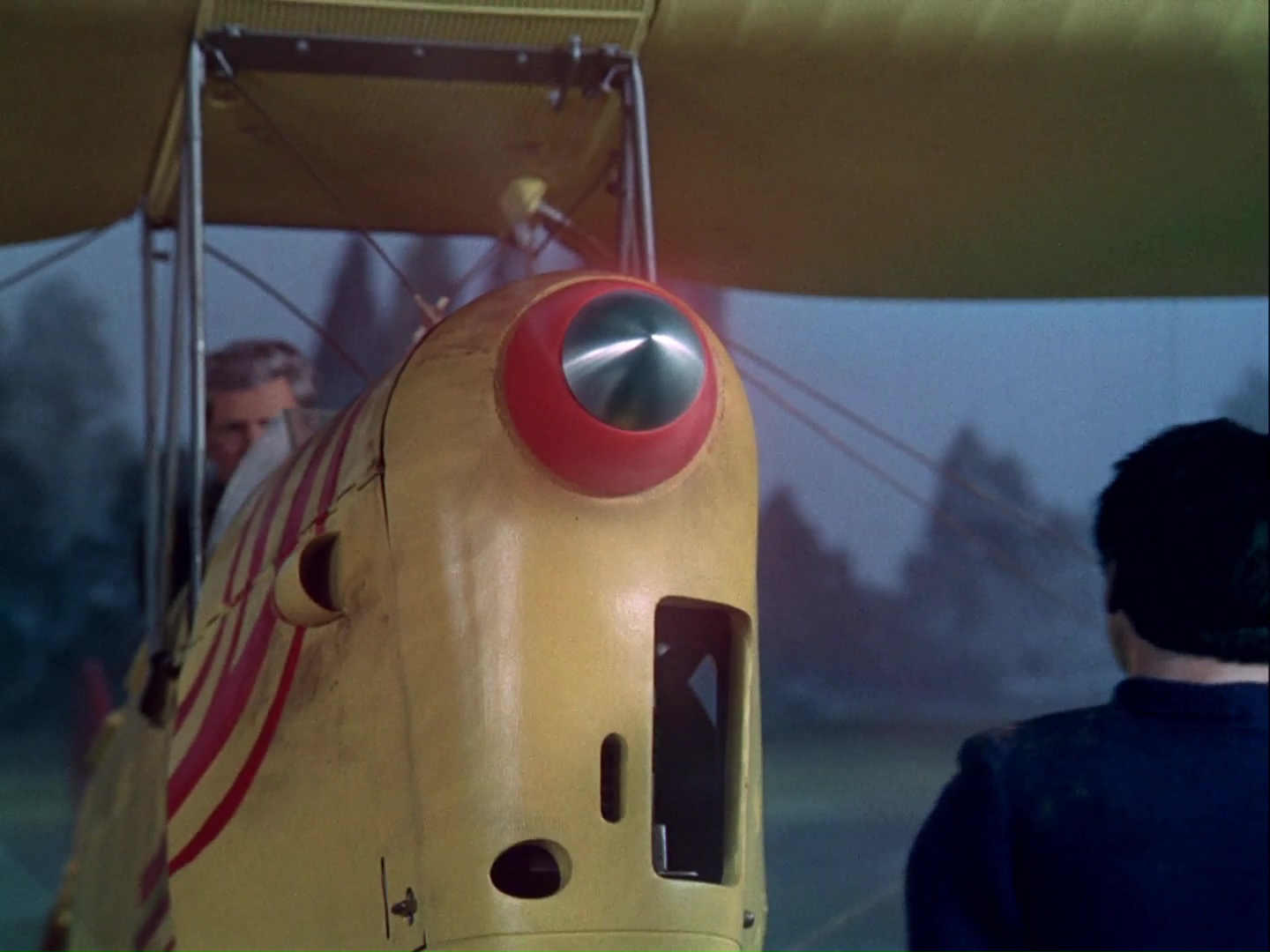
After a firm tug at the propeller, the antiquated plane springs into life. Yes, this really is going to happen. They’re really going to race Lady Martha and a miniaturised priest using an old biplane. Love it.
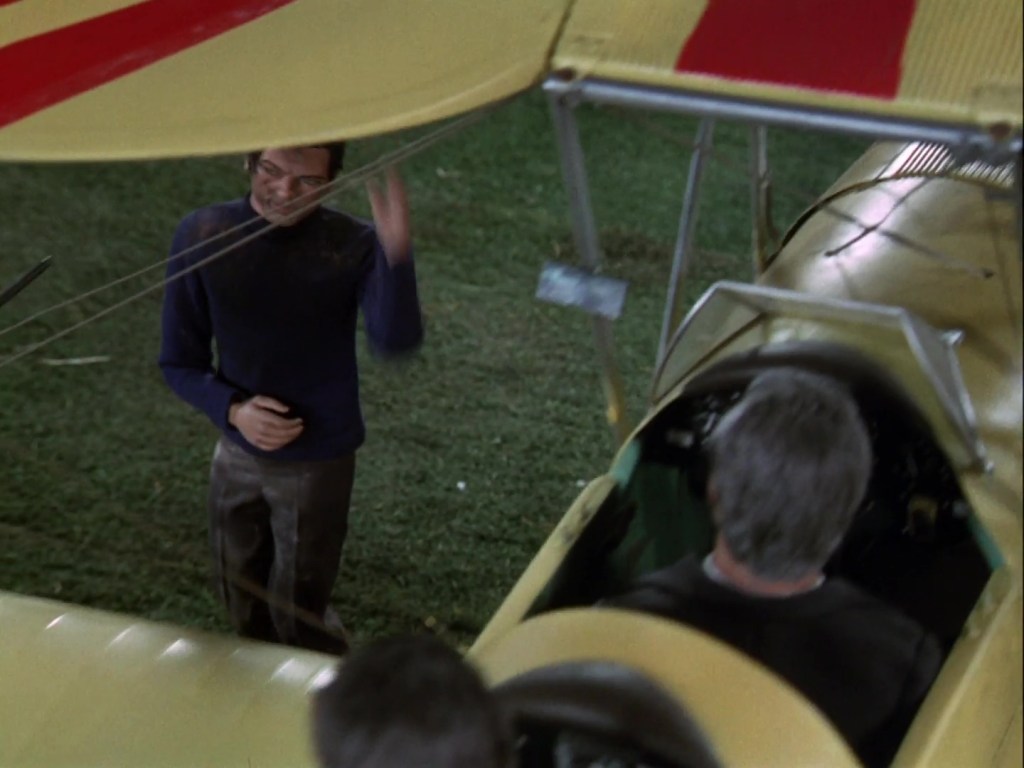
You might want to step aside, mate…

Yeah no surprises there. Spiker getting run over by the wing is a really remarkable bit of puppetry. The coordination between the crew moving the plane through shot, the camera operator, and the puppeteers above must have been extraordinary. If only the grass didn’t have an obvious seam running across it this would be a perfect shot.
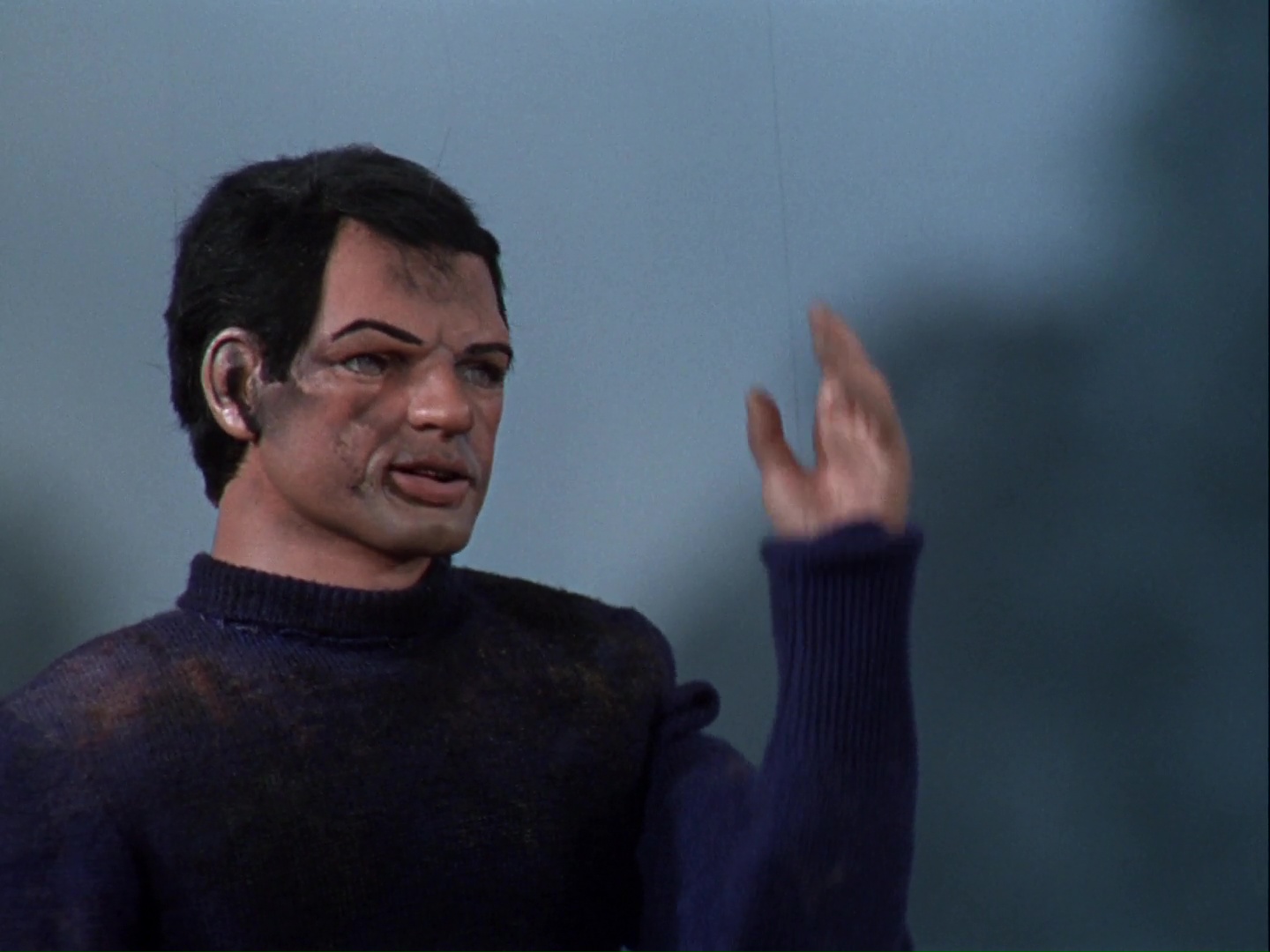


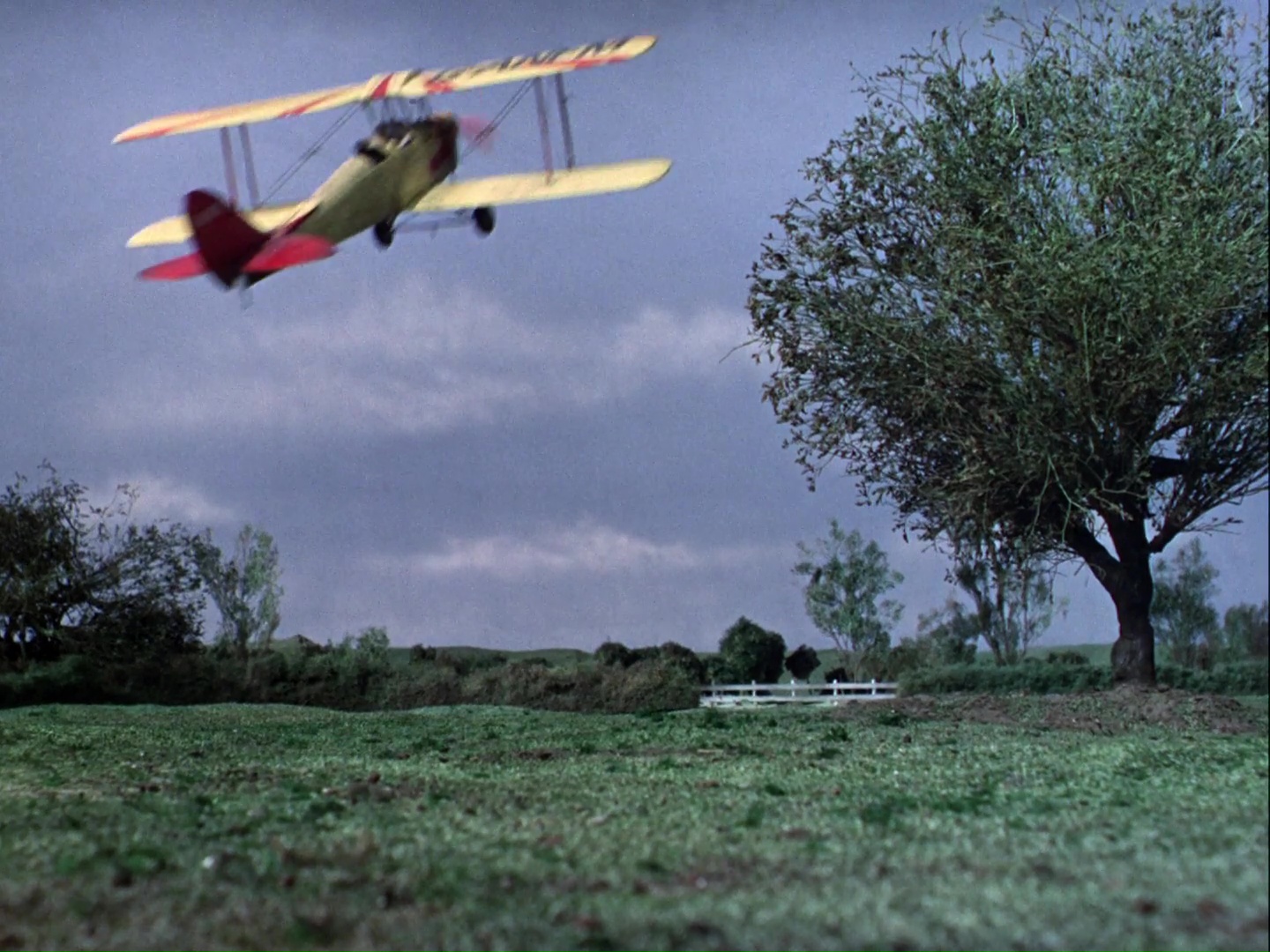
Keen-eyed viewers might notice that the aircraft’s livery has changed ever so slightly compared with how it appeared in Thunderbird 6. It’s time for us to say goodbye to the crumbling wreck of the Hazelwells’ house. I hope firing a cannon in the dungeon did enough damage to the foundation to bring the whole lot down on them.

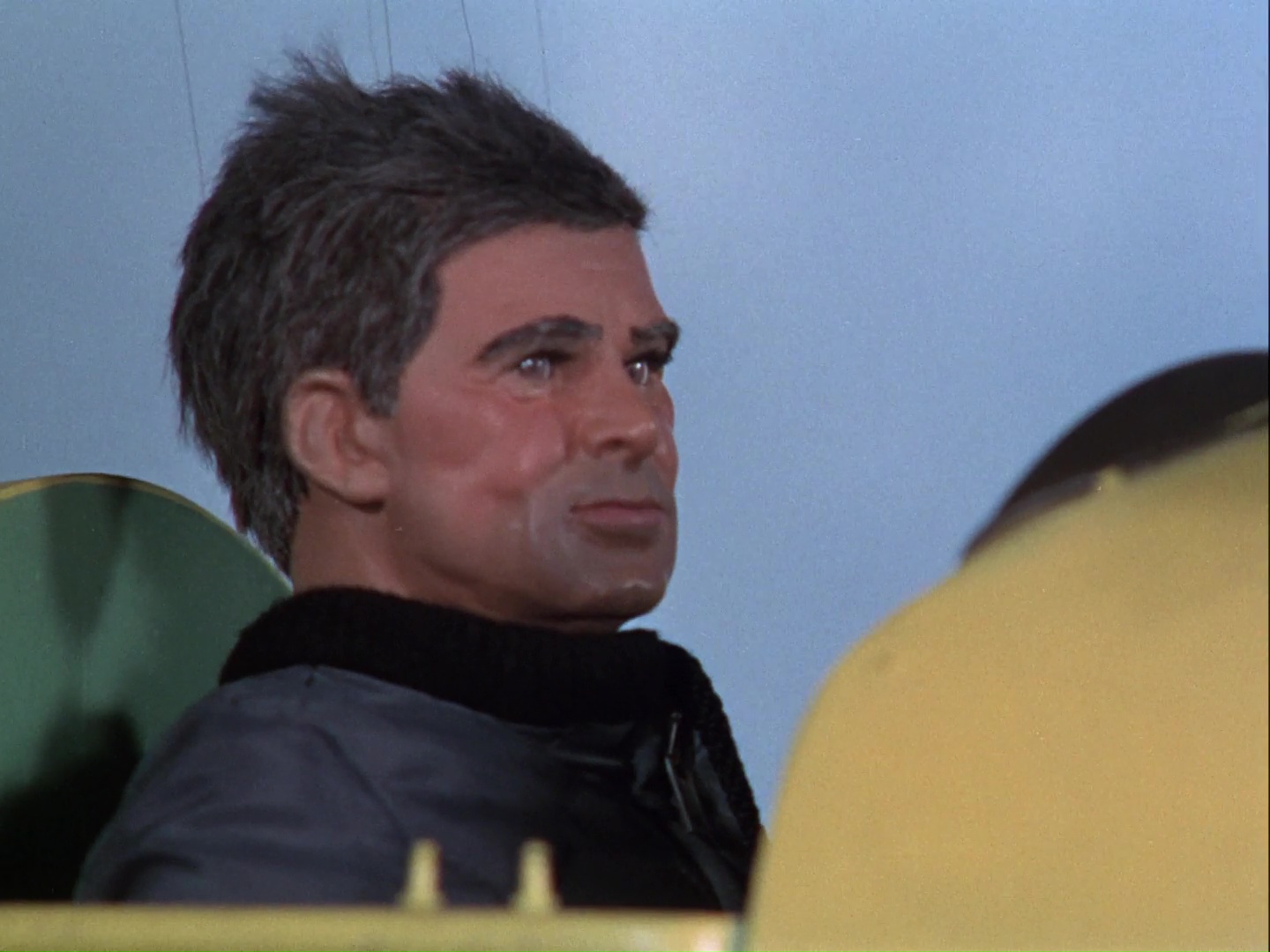

Somehow, don’t ask me how, Mullins and Lord Hazelwell managed to get the plane off the ground with neither of them actually realising which one of them was the pilot. Yes, it’s that classic, side-splitting mix-up about the pilot being the one sitting in the back of the plane even though it’s kind of weird for a plane to be built that way. It has something to do with weight distribution and the front seat having a better view for military officers being chauffeured around. And of course Lord Hazelwell would automatically assume he’s going to be chauffeured around by the working class guy. But oh dear, neither of them actually know how to fly a plane. Well this should be fun. The music editor doesn’t even bother to slip in one of Barry Gray’s trademark “wah-wah” motifs to punctuate this spectacular blunder.
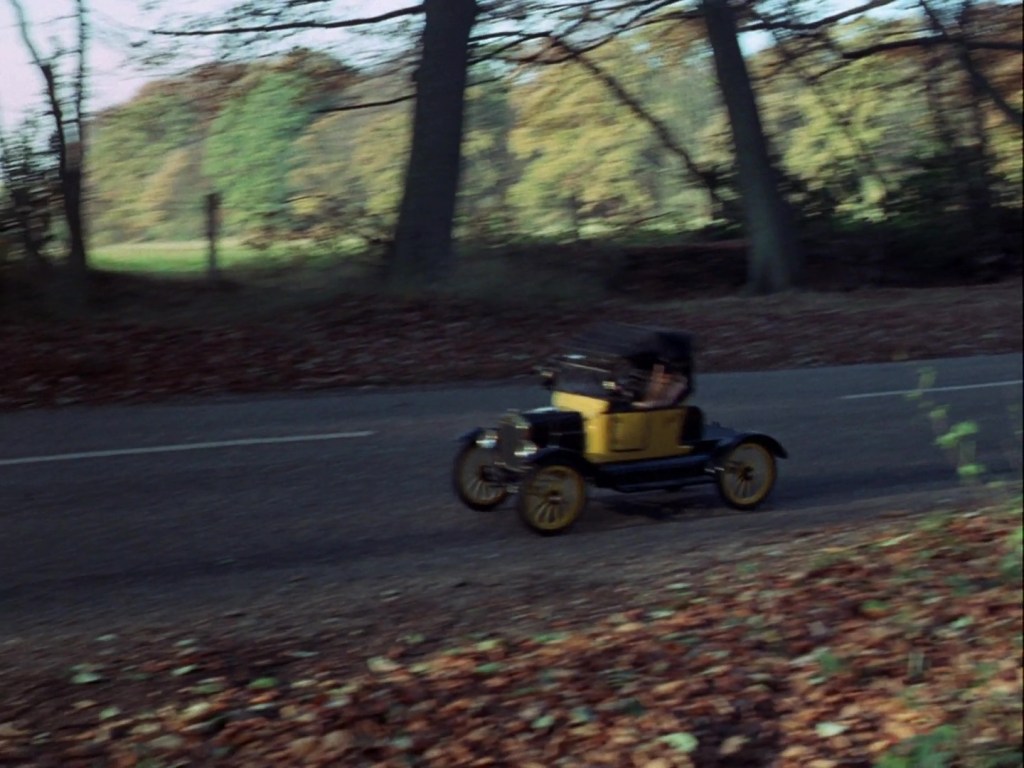
Back in Burnham Beeches, the sun’s come out – it’s safe to say that this shot was probably taken early in the morning.
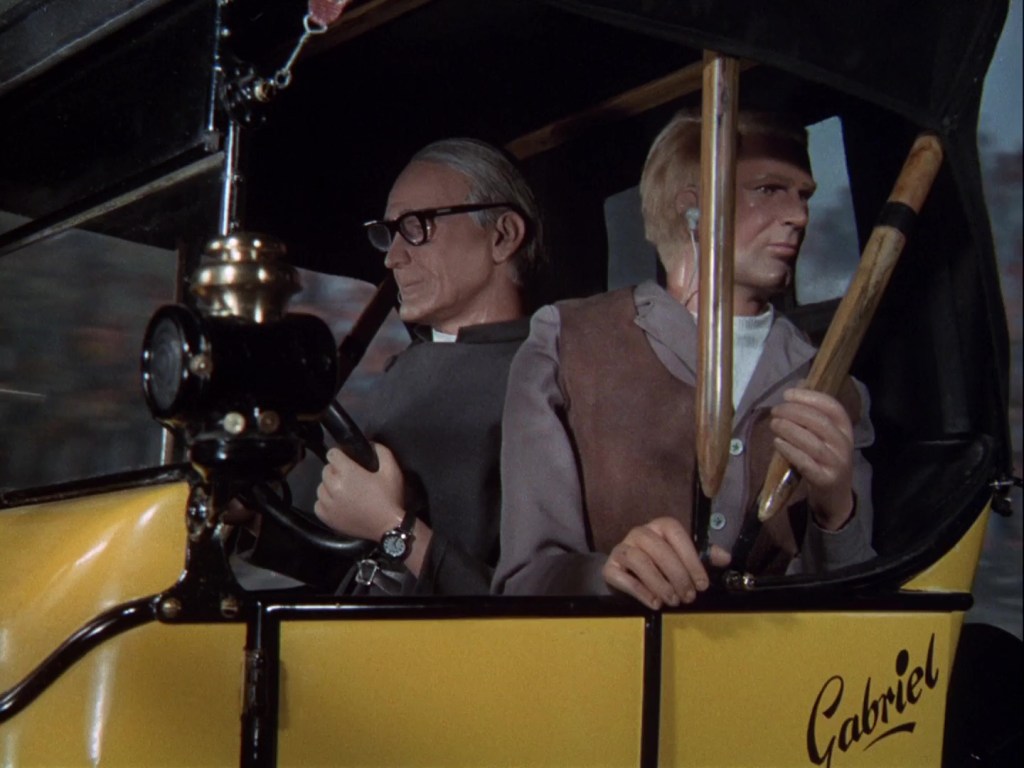
At last, Matthew has stopped complaining and feels confident that they’re ahead of “the opposition.” But now Unwin is advising caution because the villains are such a devious bunch… or a bunch of deviants depending on how you look at it. Apparently Lady Martha is the most devious of them all… not quite sure I believe that but she certainly seems to be the most desperate and fired up out of the lot. Speaking of which…
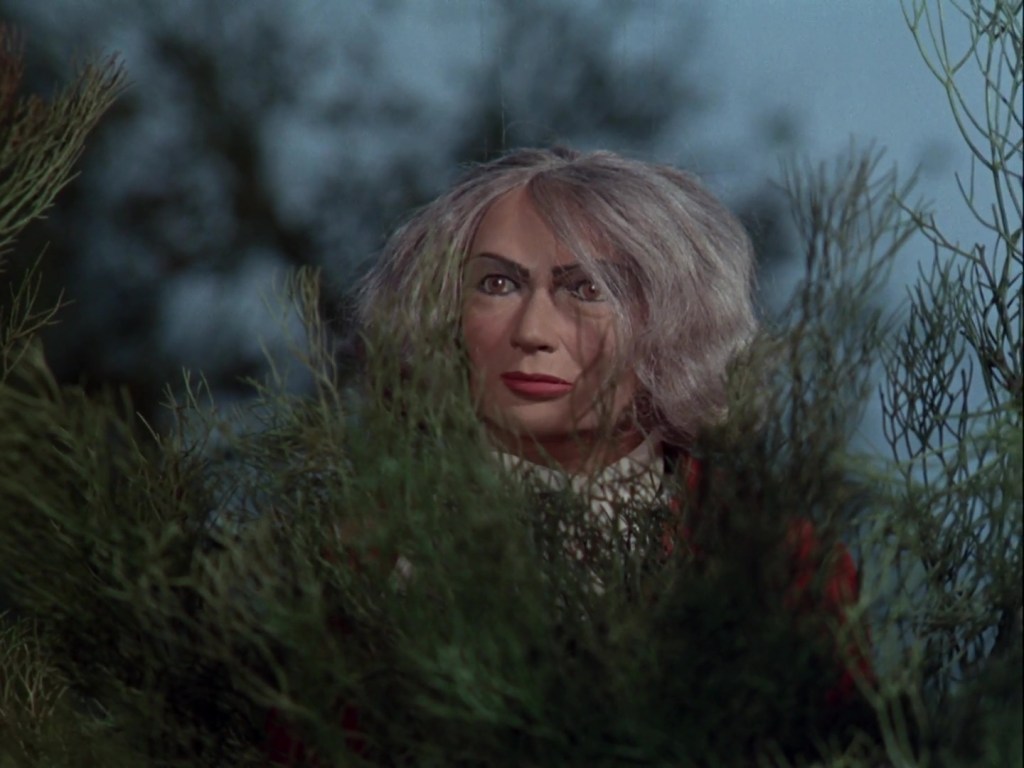
Yes, it’s that scene.
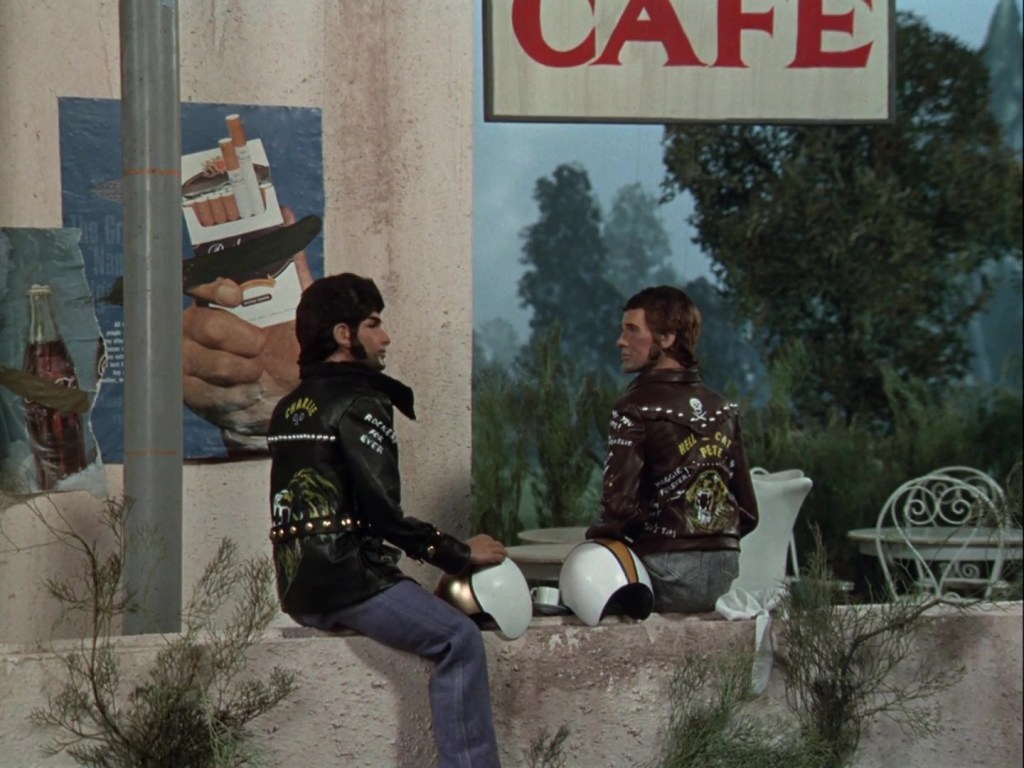
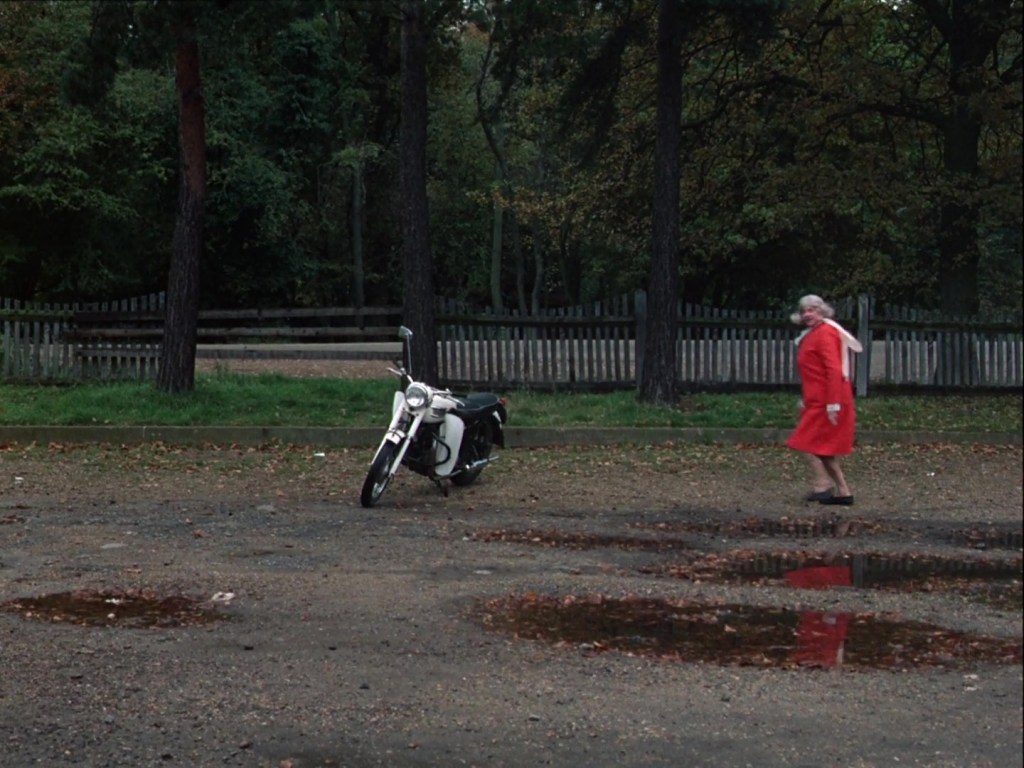
Where to begin? Captain Magenta of all people has been cast in the role of a rocker named Charlie, complete with the stereotypical haircut and jacket. His buddy Pete, previously seen as the hapless Major Clooney in the Joe 90 episode The Race, has bought himself a new bike recently. The two are chatting away about it in a casual manner which you can tell Gary Files and David Graham are enjoying immensely. On the radio, that wonderful pop tune from the Captain Scarlet episode White As Snow. So far, this isn’t exactly a typical scene for The Secret Service but it’s not too outrageous.
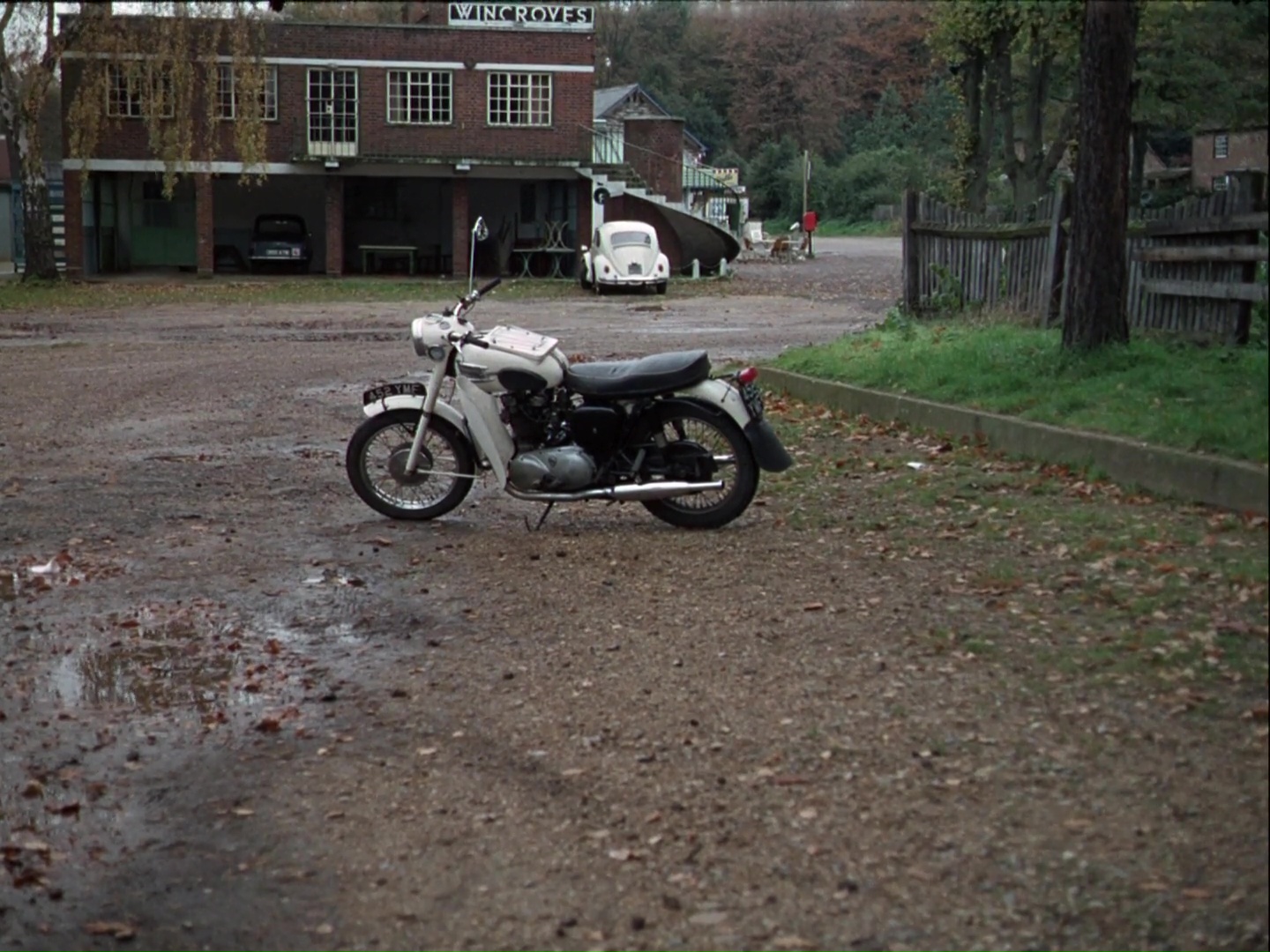
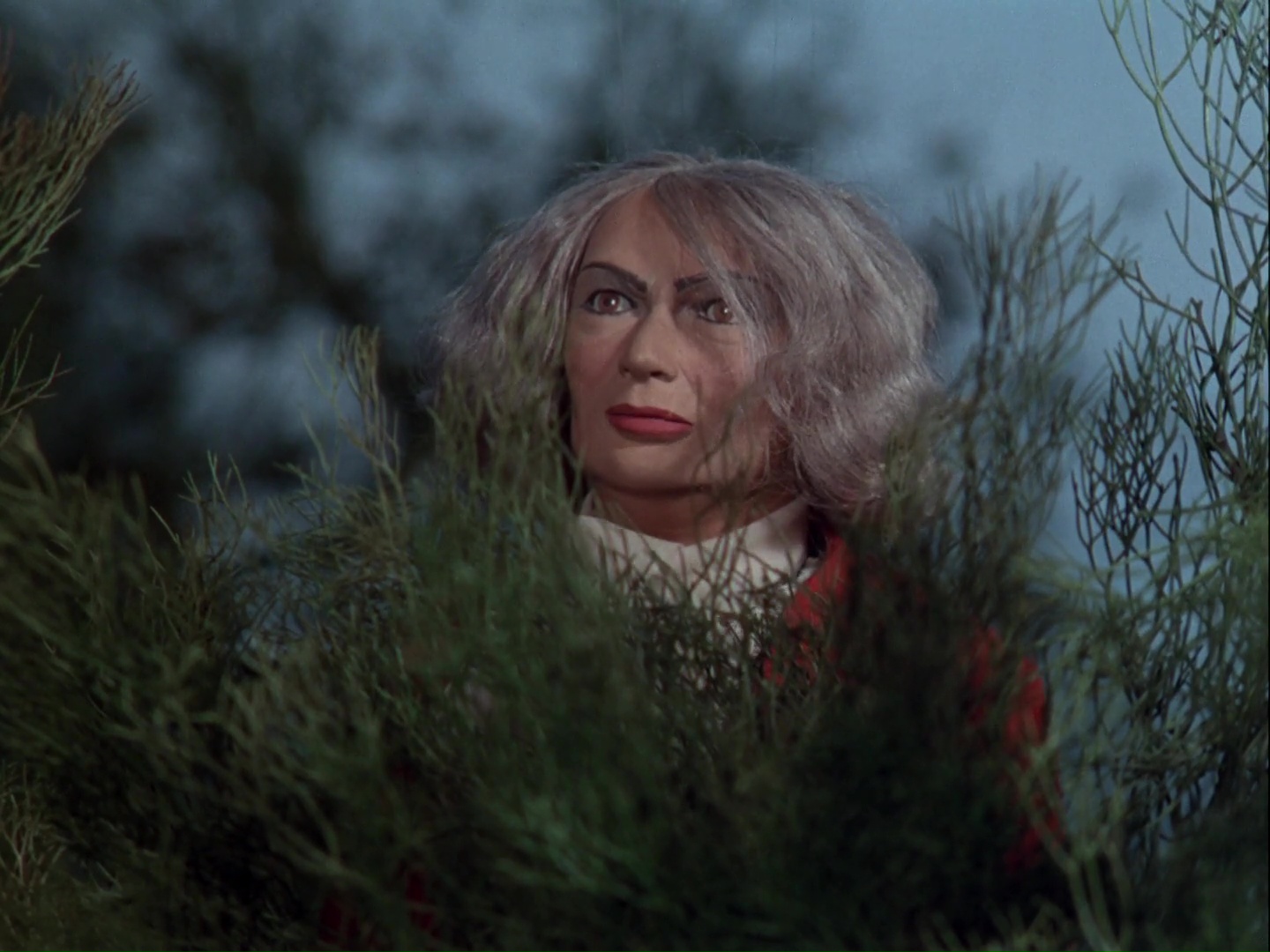
Lady Martha fancies a bit of that Triumph T100 action. This location, if you’re at all interested, has now been built over with the private Nightingale Park cul-de-sac off of Hawthorne Lane in Burnham Beeches. It was formerly the site of an outdoor swimming pool destroyed by fire in 1983. All that’s recognisable from this shot today is the red post box next to the road.
But that’s not what you’re here for, is it? I know what you want. I know what this has all been building to. 13 weeks slaving over these reviews, trying to deconstruct and put back together this crazy, weird, hilarious, charming, back-to-front, forgotten little series, and this is what I have to show for it. I’m not even sure I’m ready for it. I don’t think I have enough audacity in me to try and justify what’s about to happen. I’ve crafted a compelling narrative about how The Secret Service came to know itself as an entity. How it broke free of the shackles put in place by its original creators and the enormous body of work that had gone before it. I span a yarn all about the show learning to laugh at itself and its ludicrous premise and how that made it all better. I did my duty. But was it enough?

…
……
…………

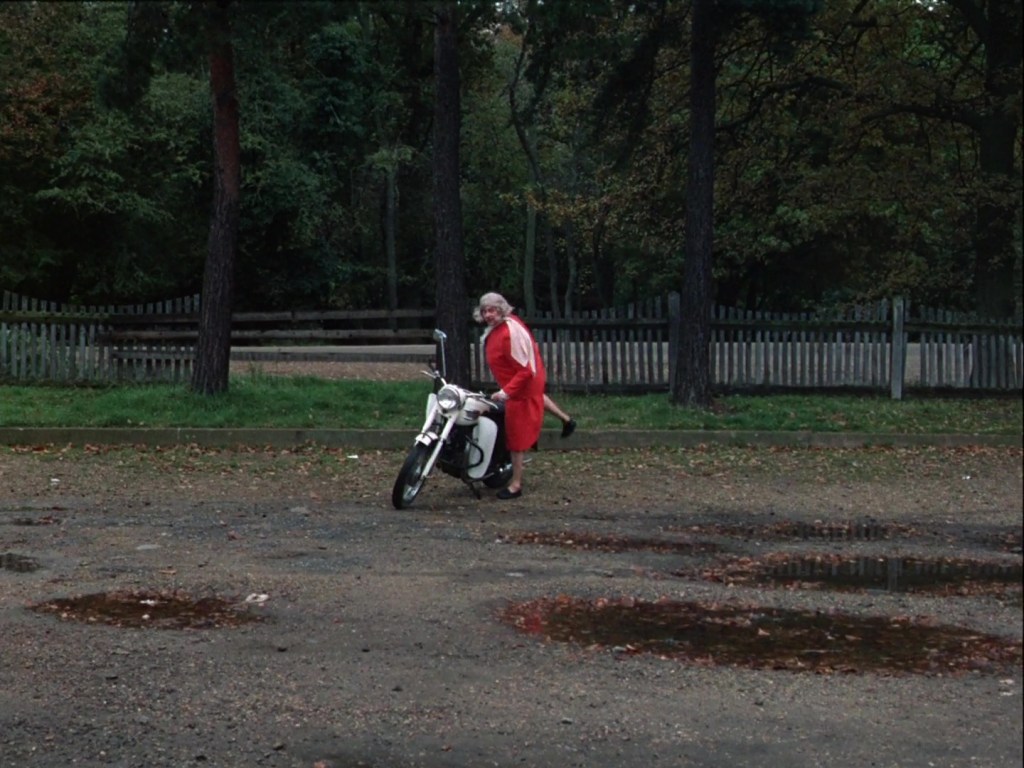
Oh by all means sir, make sure you’ve tucked your nut sack away nice and neatly before you set off.
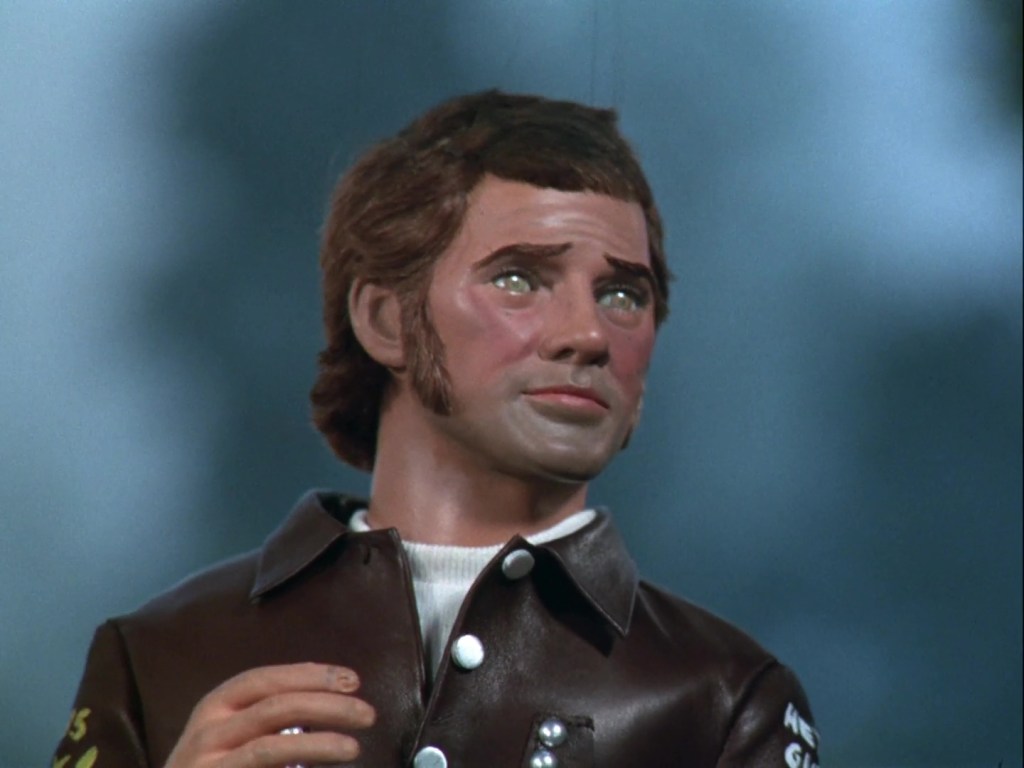
Young Pete can’t believe his eyes.

Obviously I absolutely adore this scene. I hate it. But I love it too. It perfectly encapsulates everything that is both wrong and right about The Secret Service. If you can’t get away with Stanley Unwin walking up to a door, and then cutting to a reverse angle of his puppet doppelganger saying hello, you sure as heck can’t get away with a big strapping lad dressing himself up in a red dress with a manky grey wig and hopping on a bike while visibly gurning directly at the camera and adjusting his private parts. Nothing can save that. It’s a fundamentally flawed way of shooting a film. Even if you had someone who actually looked like the Lady Martha puppet, I still can’t get over the way it’s filmed. The extreme long-shot indicates that the crew are trying really, really, really hard to hide that it isn’t a puppet, which unintentionally draws ALL the attention to the fact that it isn’t a puppet. Then there’s the fact that this is so obviously taking place in a rainy, grotty little car park on a freezing cold winter’s day in Buckinghamshire while everything else is being filmed indoors in a well-lit studio.
If Ken Turner and the rest of the Century 21 team had wanted to make this scene credible or not interrupt the flow of the story, they would not have filmed it like this. After a decade spent making the most sophisticated puppet films in the world, they knew the tricks to cut around someone jumping on a motorcycle and driving off to make it work within the rules of Supermarionation. It might not have been the easiest way of doing things, but they knew how to do it and make it look good. But here’s the critical question – would it have been as entertaining? Not in my books.
I think it was quite intentional to make this moment stick out like a sore thumb that’s been stepped on by a 6-foot-tall bloke. The story steps to one side for a moment. We’re introduced to two simple guest characters – Pete and Charlie – purely for the sake of this scene. It’s an isolated joke. No extra music beyond the ambient radio. No special editing techniques to sell it for a big dramatic moment. No observations from any of the other regular characters or prominent guest characters. It’s just a burly man playing the part of an elderly lady jumping on a bike and being painfully visible while doing so. It’s a joke, and the crew are in on it. They’ve specifically constructed the scene to be this way because the intention was, for this short scene, to break down all the pretence and illusion and laugh at how ridiculous it all is.
You might not believe any of that waffle, of course. You might think that the team made an ill-judged mistake because they were fed up of the show they were making, knew they were going to be done with it soon anyway, and just shoved a man in a dress and put him on a bike because it was the laziest, easiest way to get the shot that the script called for. That could be the case. But I’d like to think that over the last 13 weeks I’ve proven that The Secret Service was made with enough love and care that what we’re actually seeing here is an ingenious, risky, format-shattering comedy moment that plays exactly the way it was intended. Essay over.
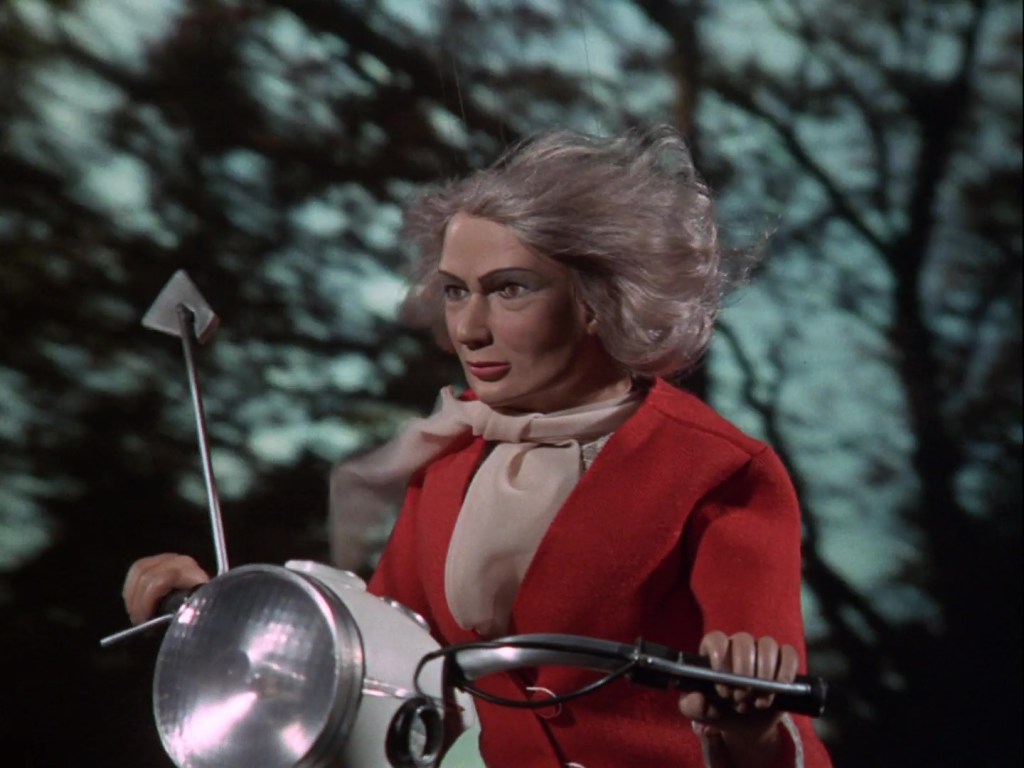
Filmed against a back projection screen for close-ups, the puppet of Lady Martha sits upon a gorgeous miniature replica of the T100… or at least part of one – I doubt they made the whole thing just for these shots.

Once the bike is moving nice and quick, the live-action material doesn’t stick out nearly as much and we can return to the thrust of the story which is our epic chase sequence.
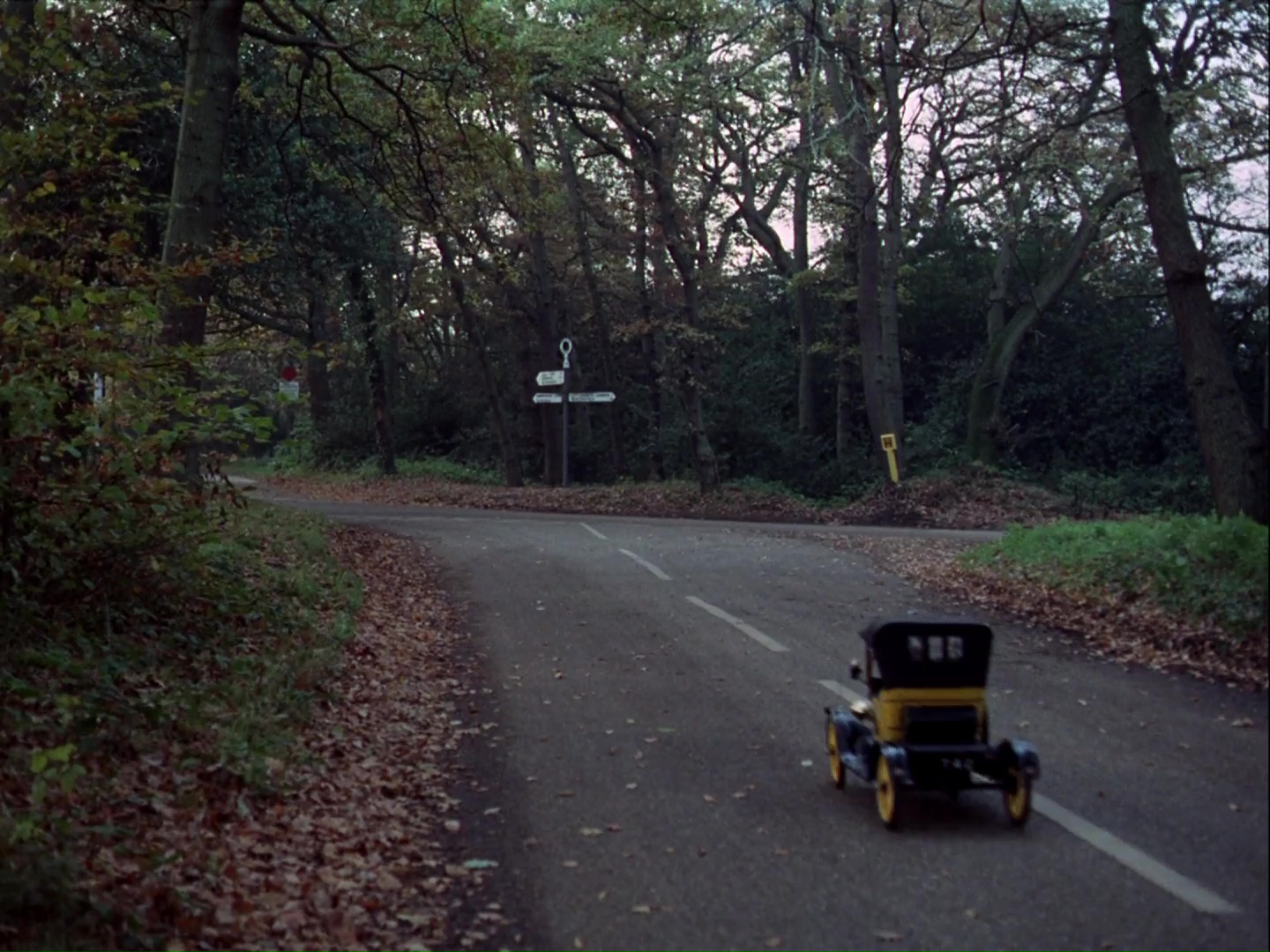
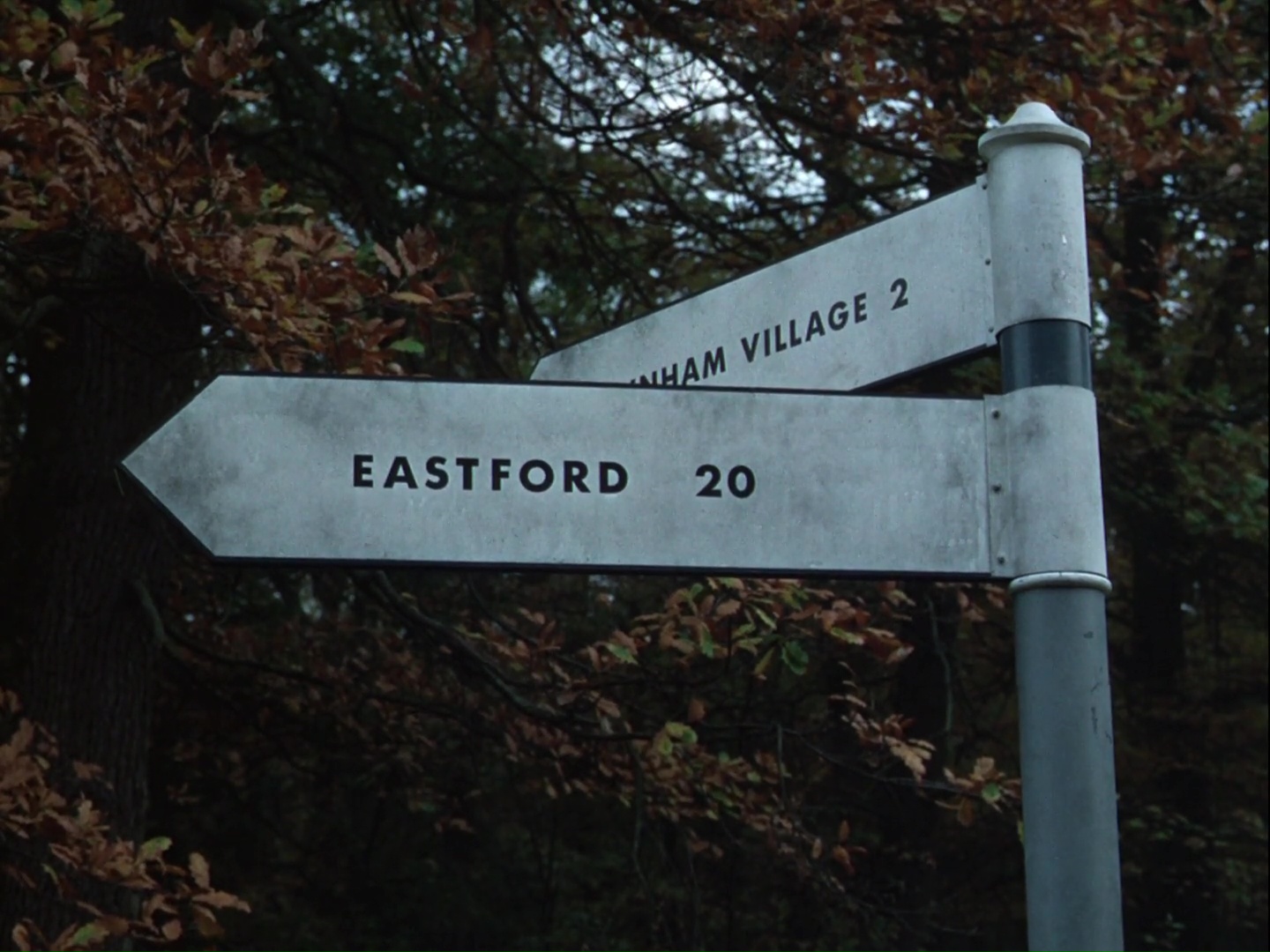
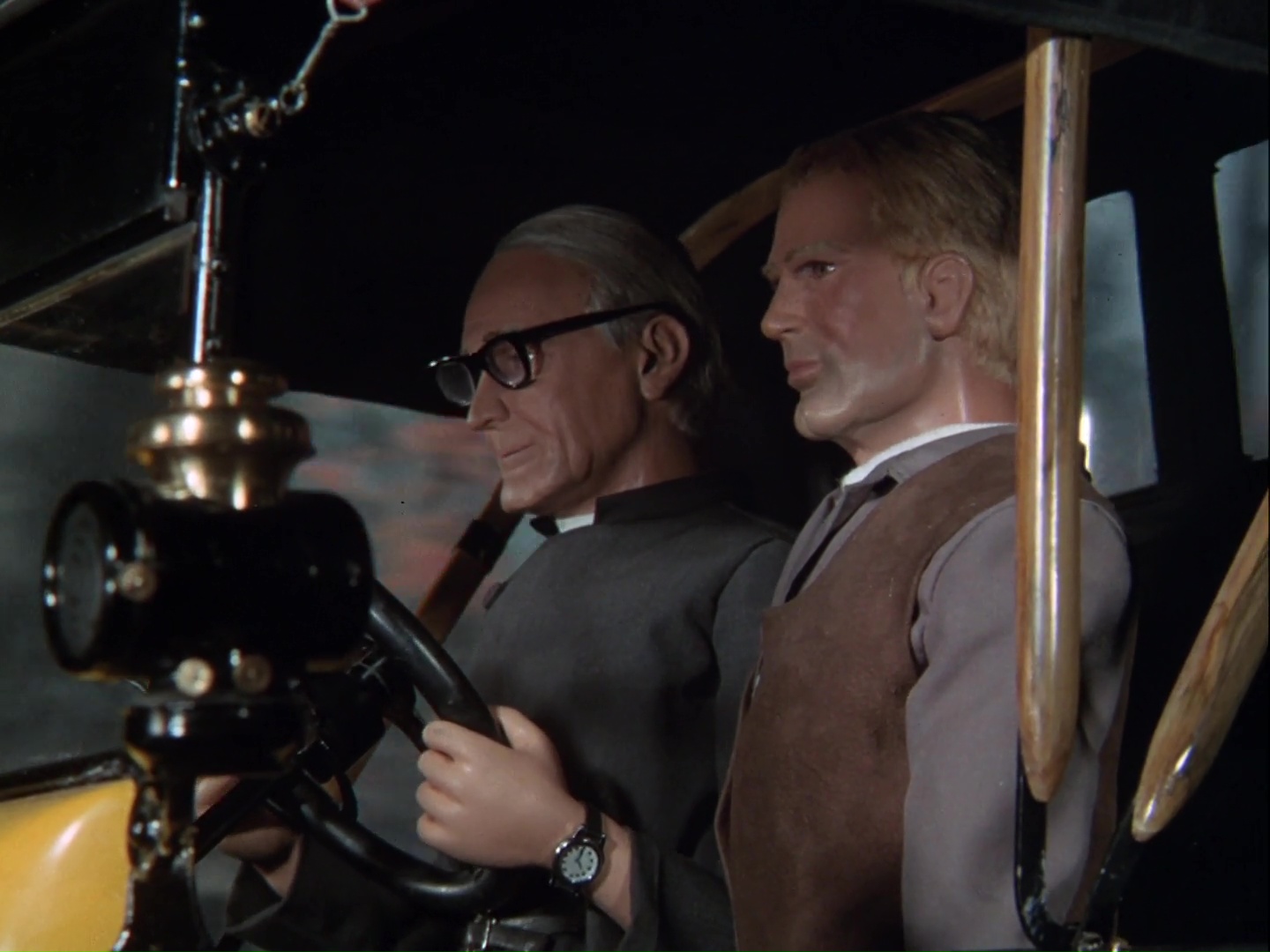
Unwin and Matthew approach a road sign informing them they are 20 miles from Eastford. Of course, that’s a fake road sign erected by the production team because there’s no such place in England and because the real road sign shown in the long shot doesn’t match the one shown in the close-up at all.
The location used for the shot of Gabriel approaching the junction is taken from Park Lane as it joins Curriers Lane… in Burnham Beeches, of course. I recognised some of the trees while surveying the area in Google Street View… genuinely don’t know what I’m going to do with my life when I get to the end of writing this article.
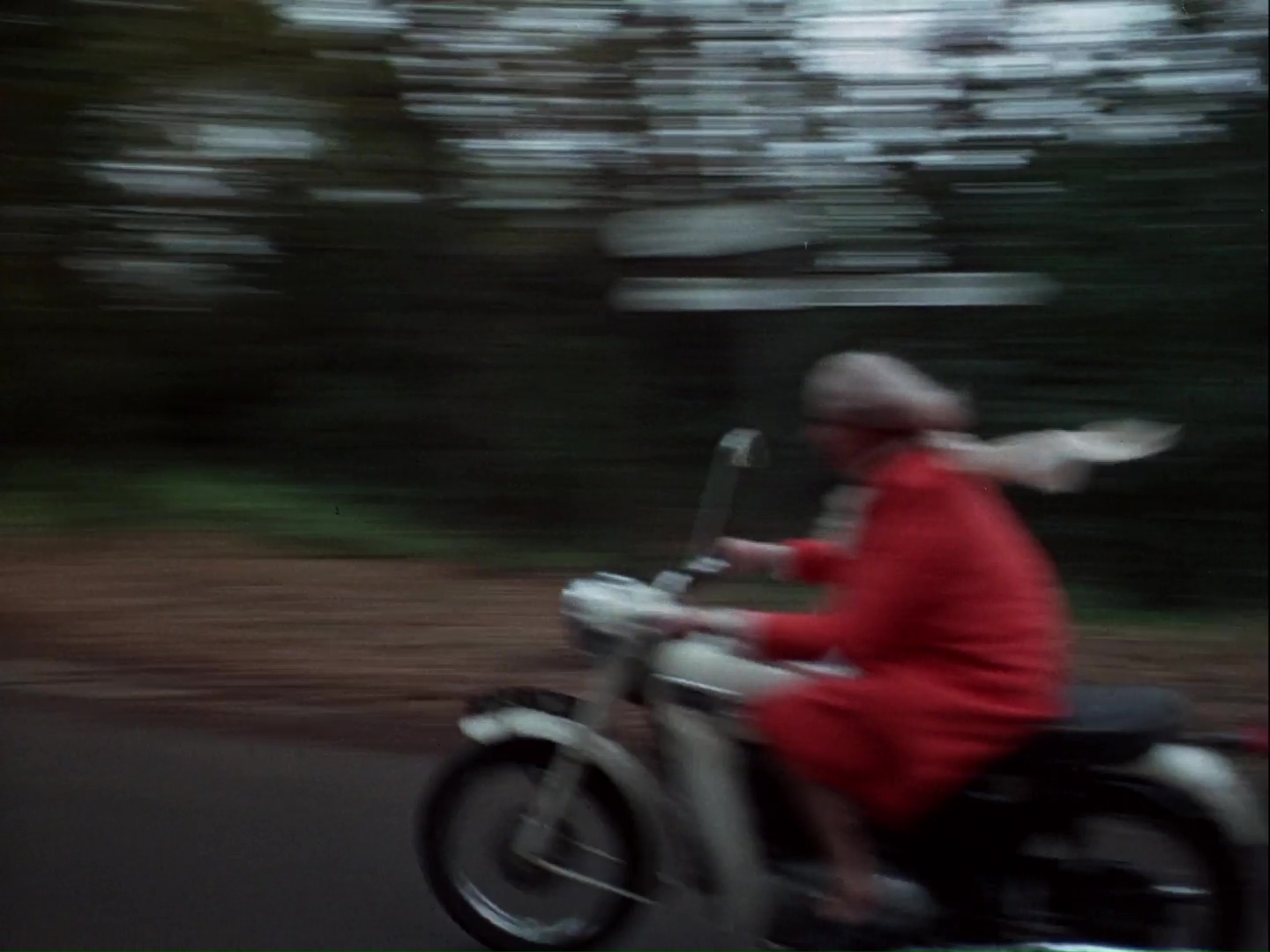
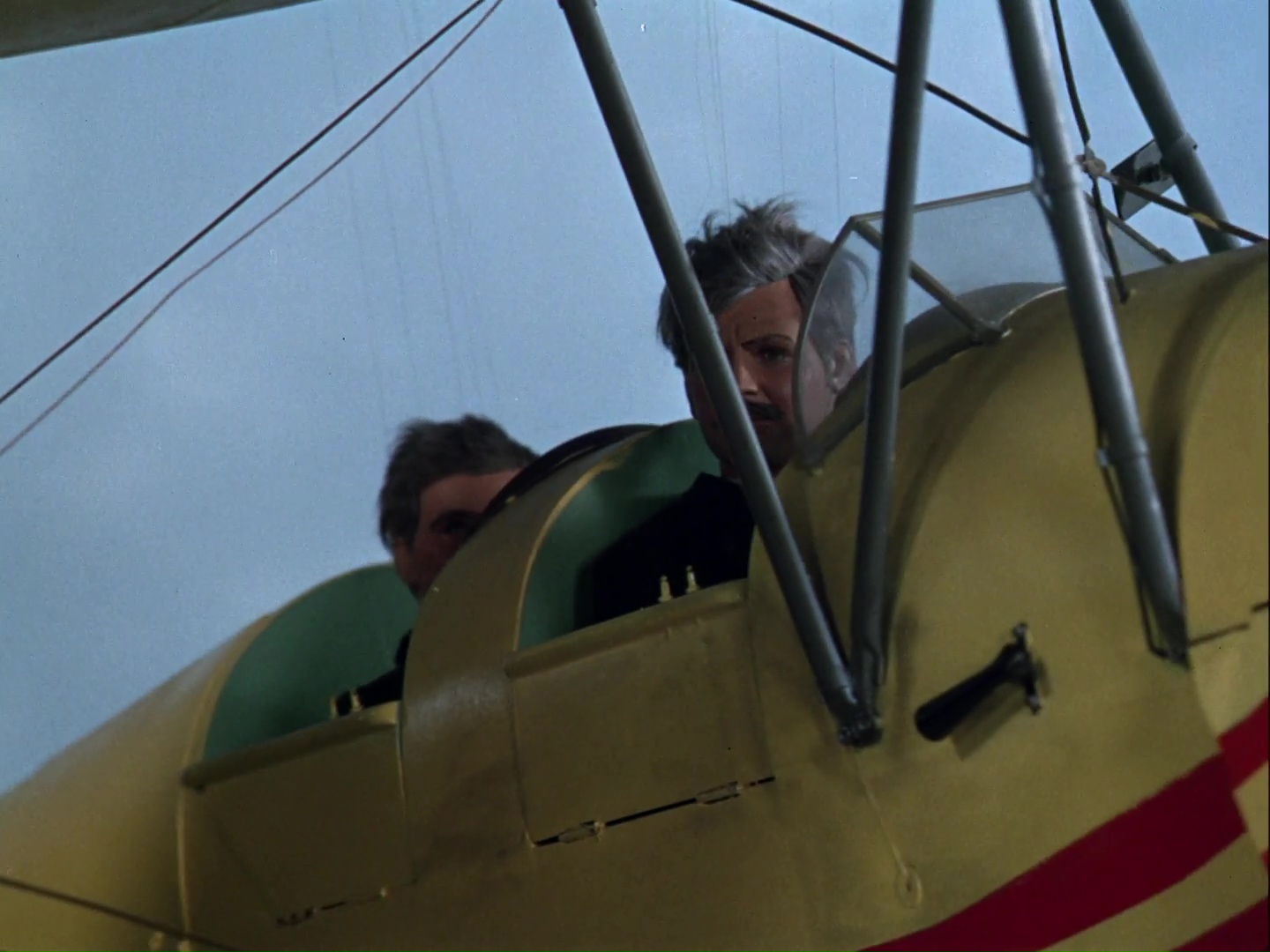
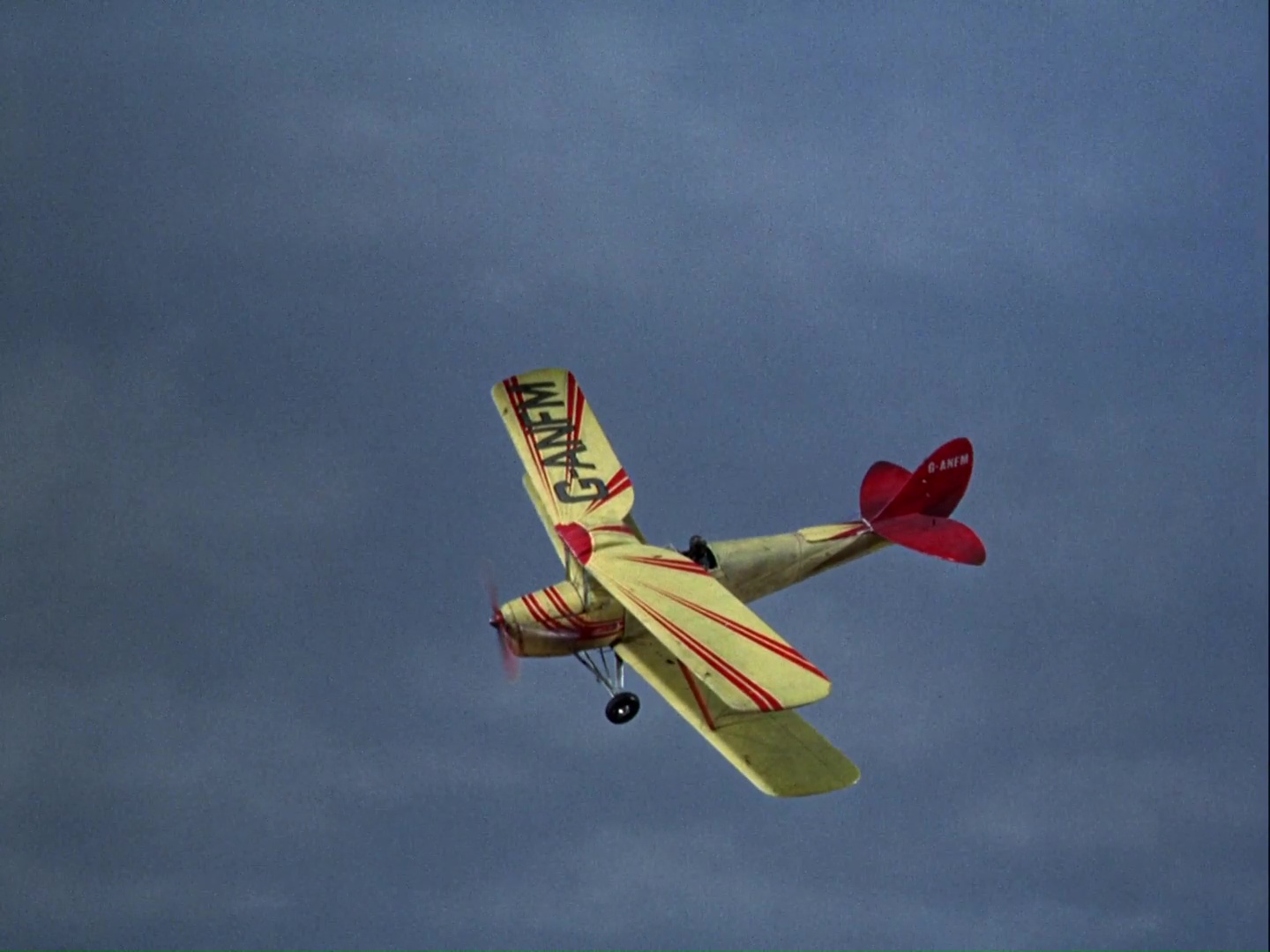
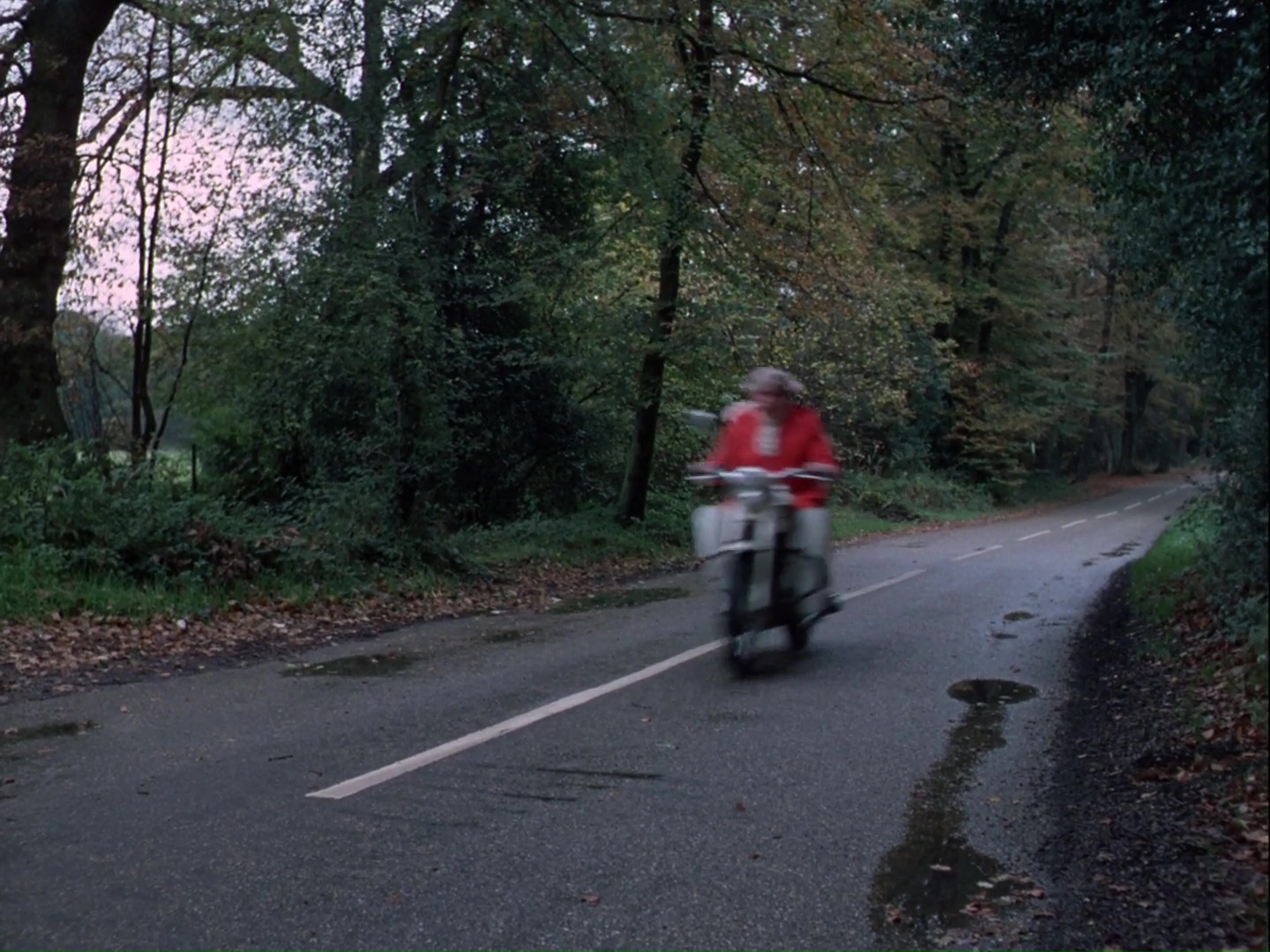

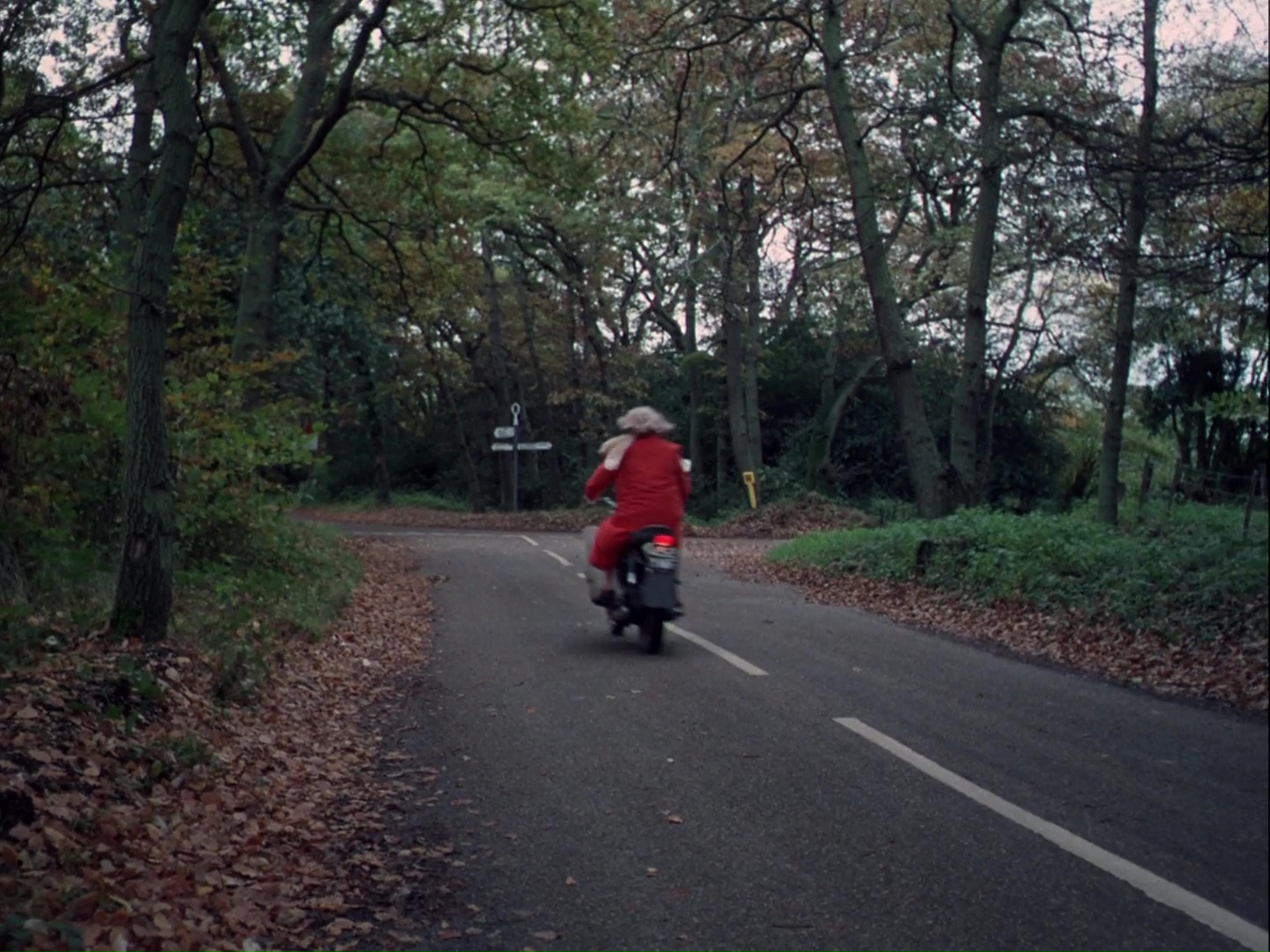
While the music strikes up for this great action montage of the bike going really, really fast and the plane zipping all over the place in the air, I have a couple more comments about Lady Martha’s live-action stunt double. Consider that the live-action material for The Secret Service was usually the first thing to be shot for each episode according to Ken Turner’s accounts of working on the series. For argument’s sake, let’s also put it out there that for whatever reason the production felt that the only person they could find to dress up and ride the bike for filming was going to quite obviously look like a man in drag. So, stuck with a man being incredibly visible throughout all of the material filmed on location, the puppet department are left to figure out the best way of creating a marionette which reflects the character described in the script and stands a fighting chance of matching the double used for the pre-filmed location footage. It therefore makes a certain amount of sense to do exactly what the live-action crew did, and start with a man and dress it up to look like Lady Martha – hence the choice of a male puppet head for the basis of the character instead of a female. Of course, most people wouldn’t notice or care that the Lady Martha puppet head was previously used to play male characters – it’s just interesting to explore how the order things were filmed in might have affected the decisions made. If the location material was filmed first, maybe the goal was to make the puppet match the live-action double, rather than trying (and failing) to match the double to the puppet.
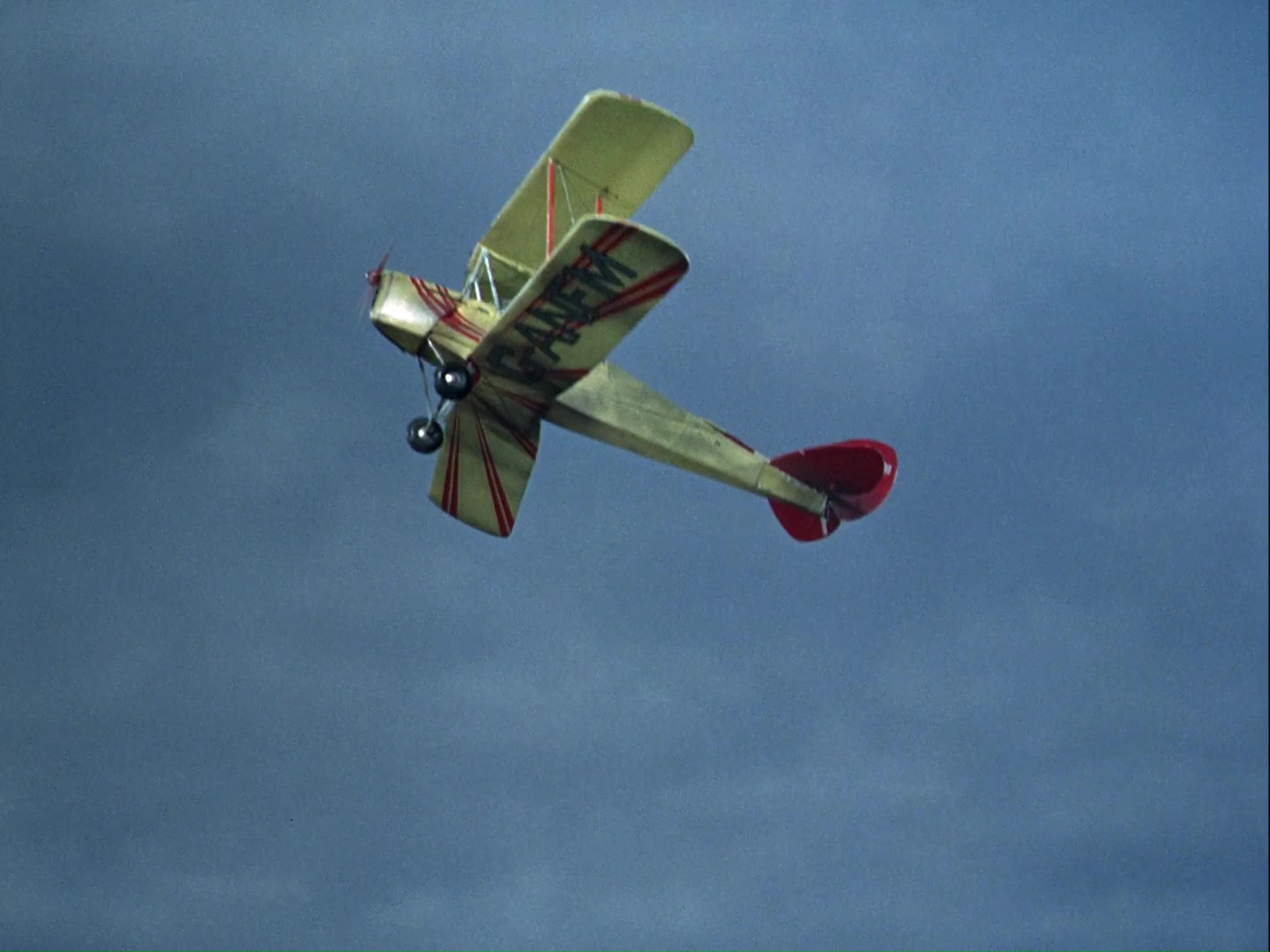
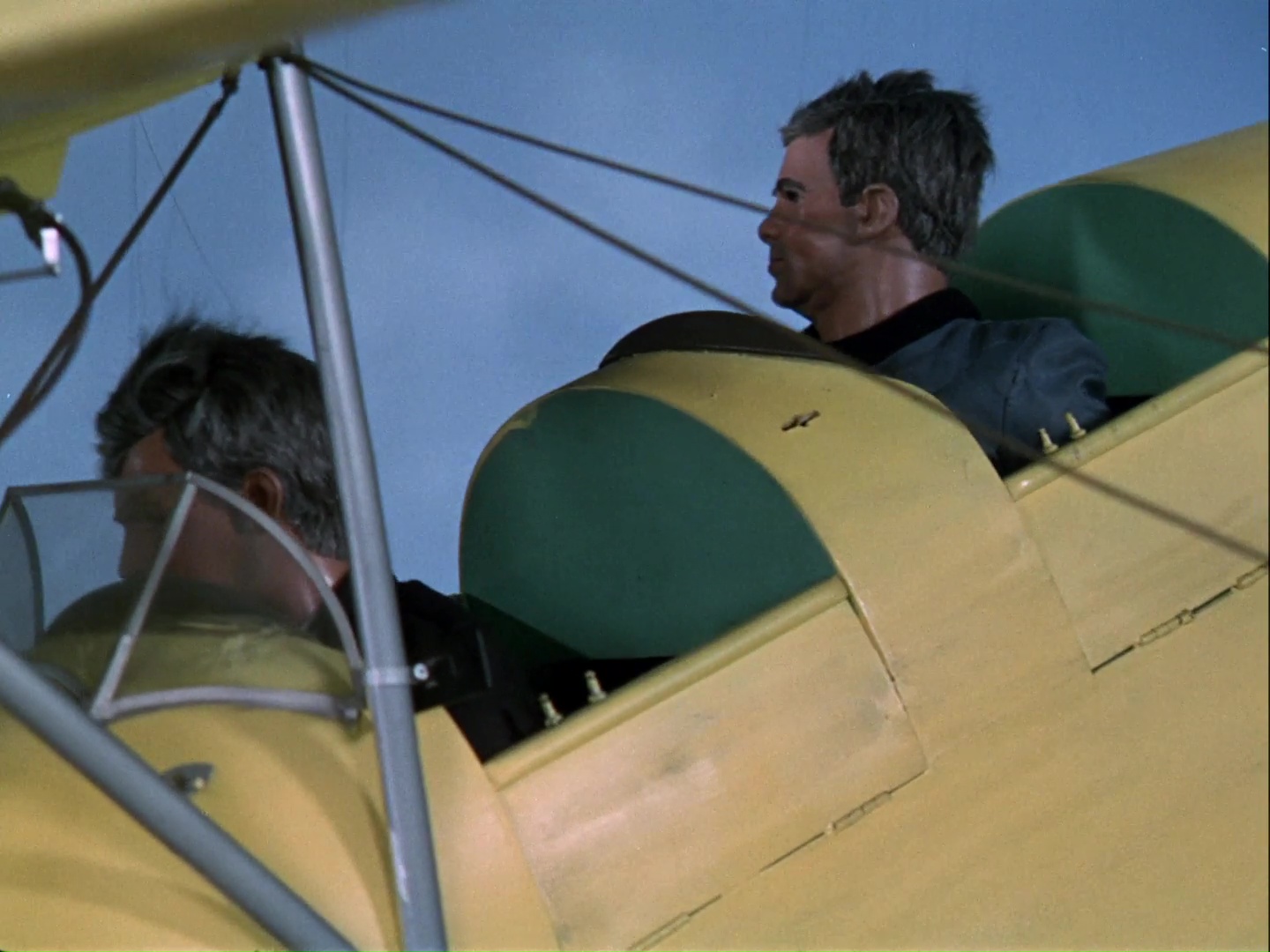
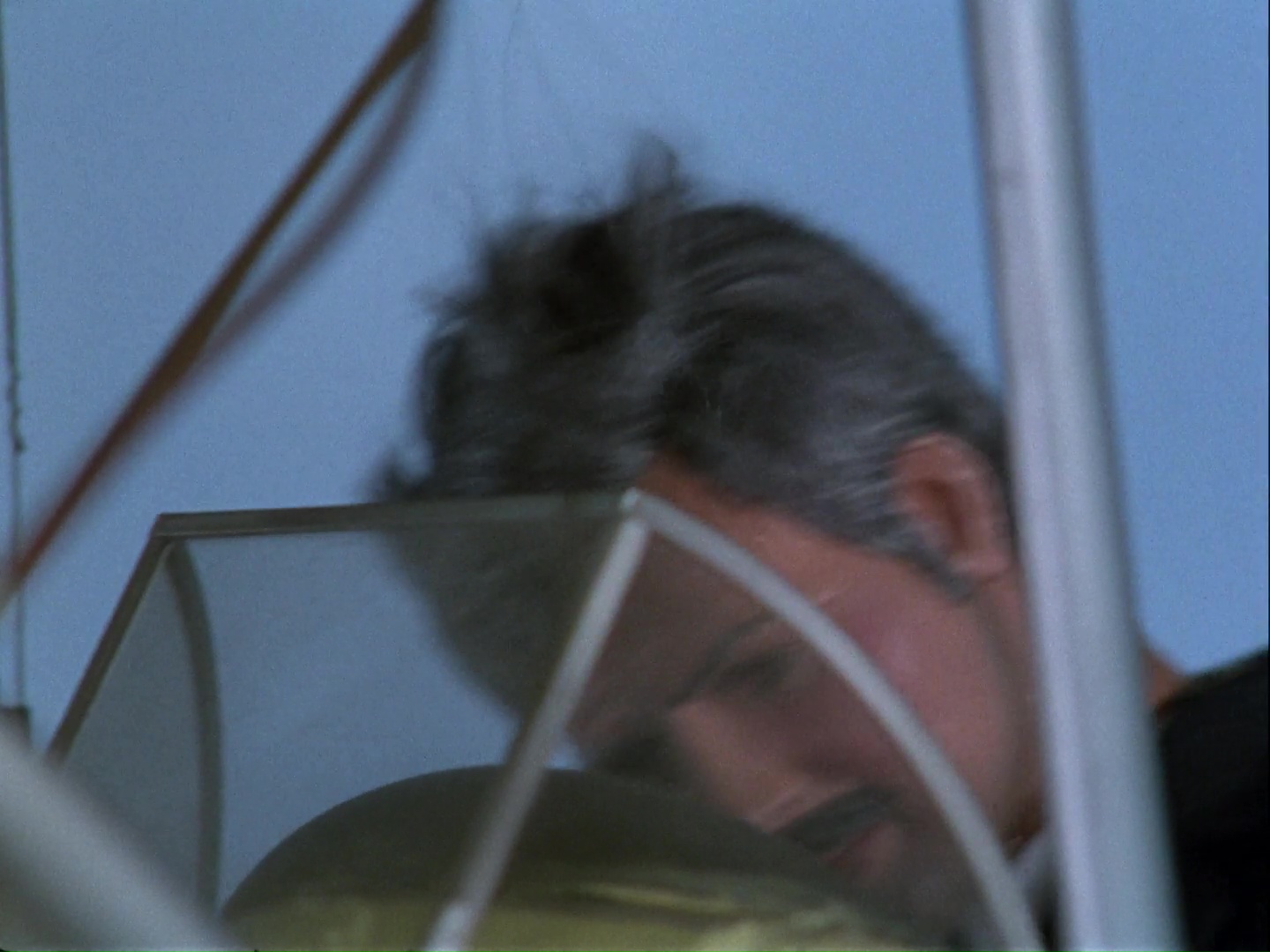
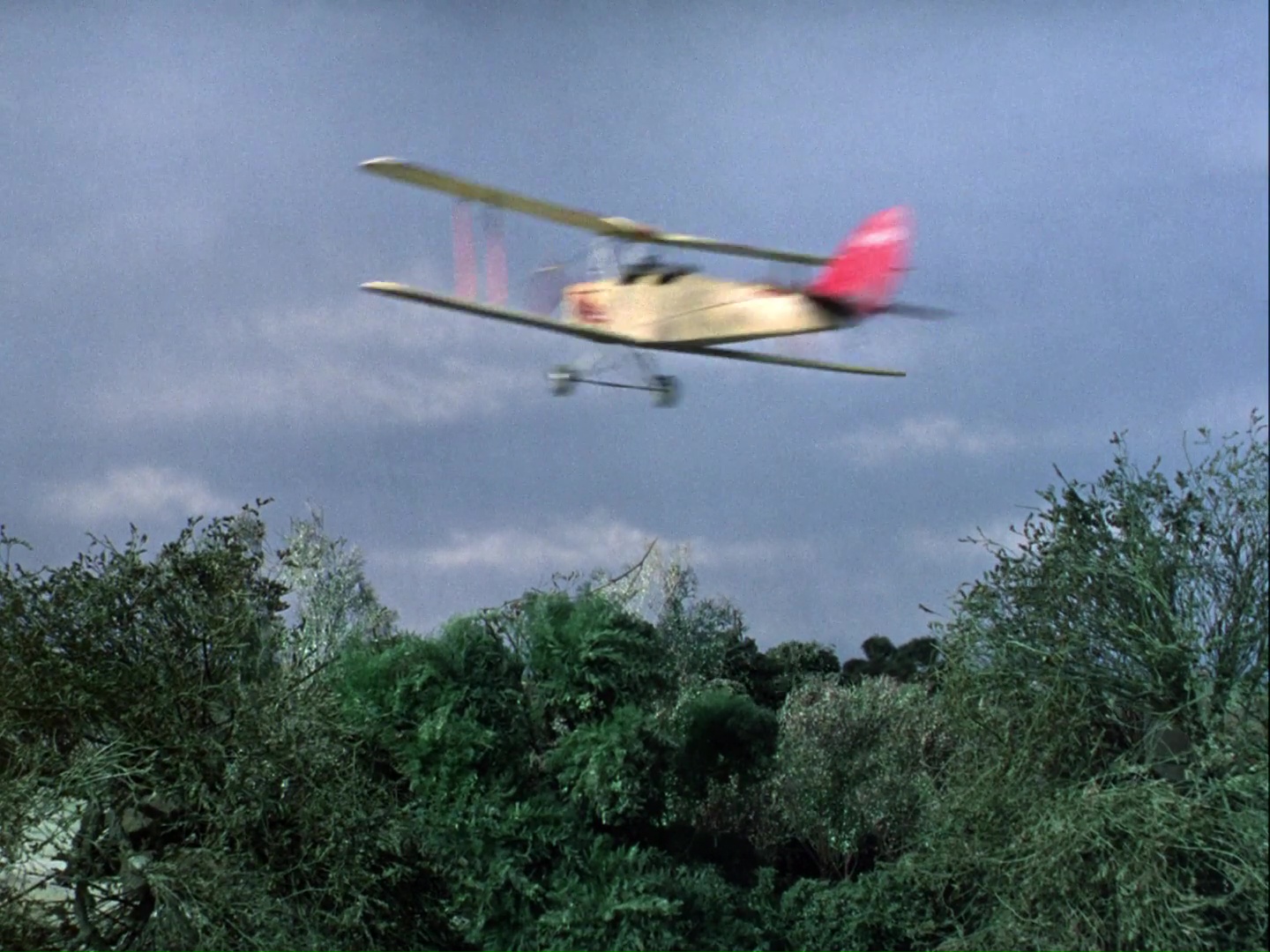
Up in the sky, Mullins and Edward are having a right old time trying to get the Tiger Moth to fly in a straight line. As ever, Lord Hazelwell is only really thinking about himself as he whines and complains about Mullins’ bumpy flying. They narrowly miss some trees which immediately puts me in mind of Parker’s unfortunate incident during the climax of Thunderbird 6.
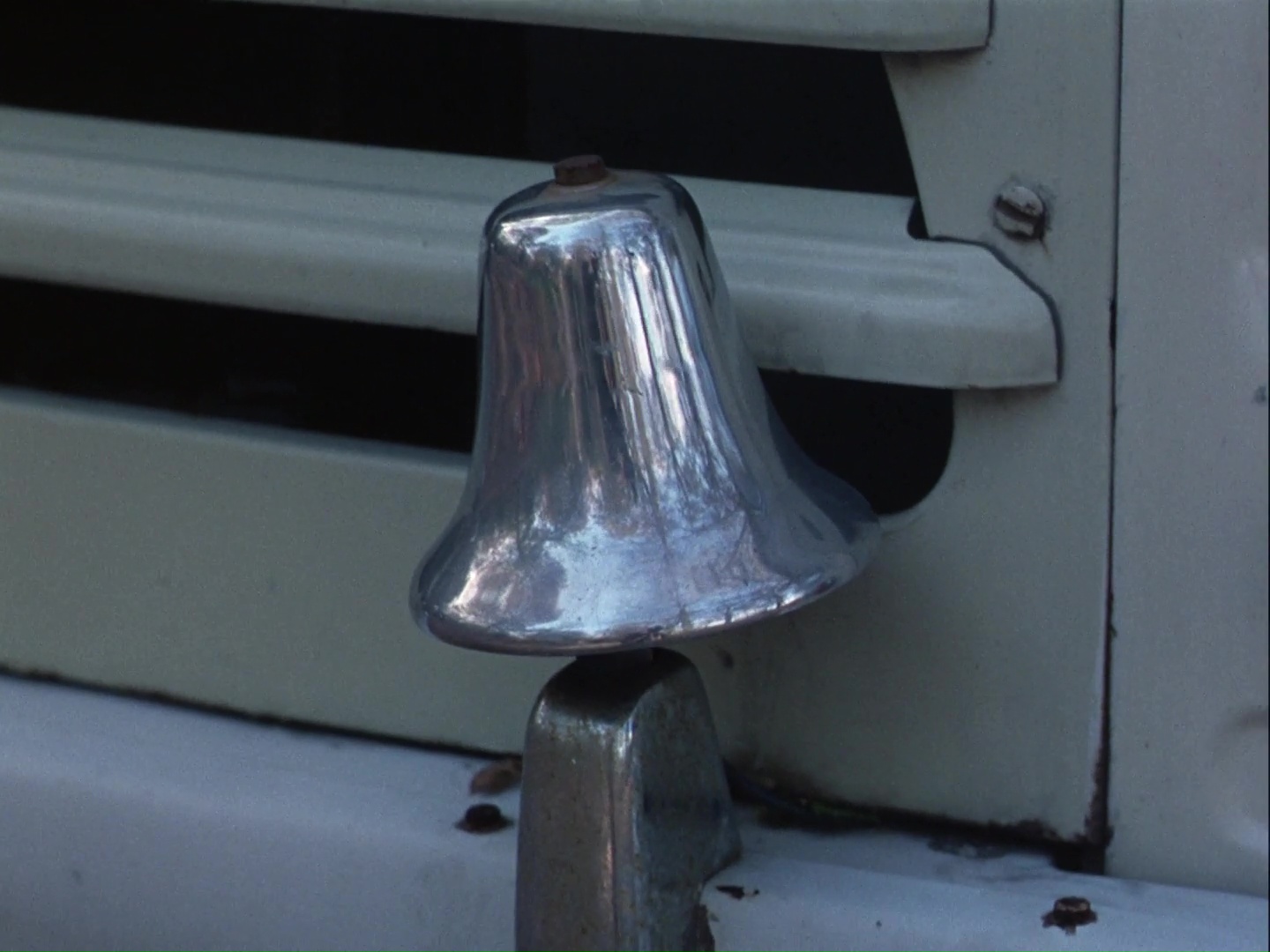
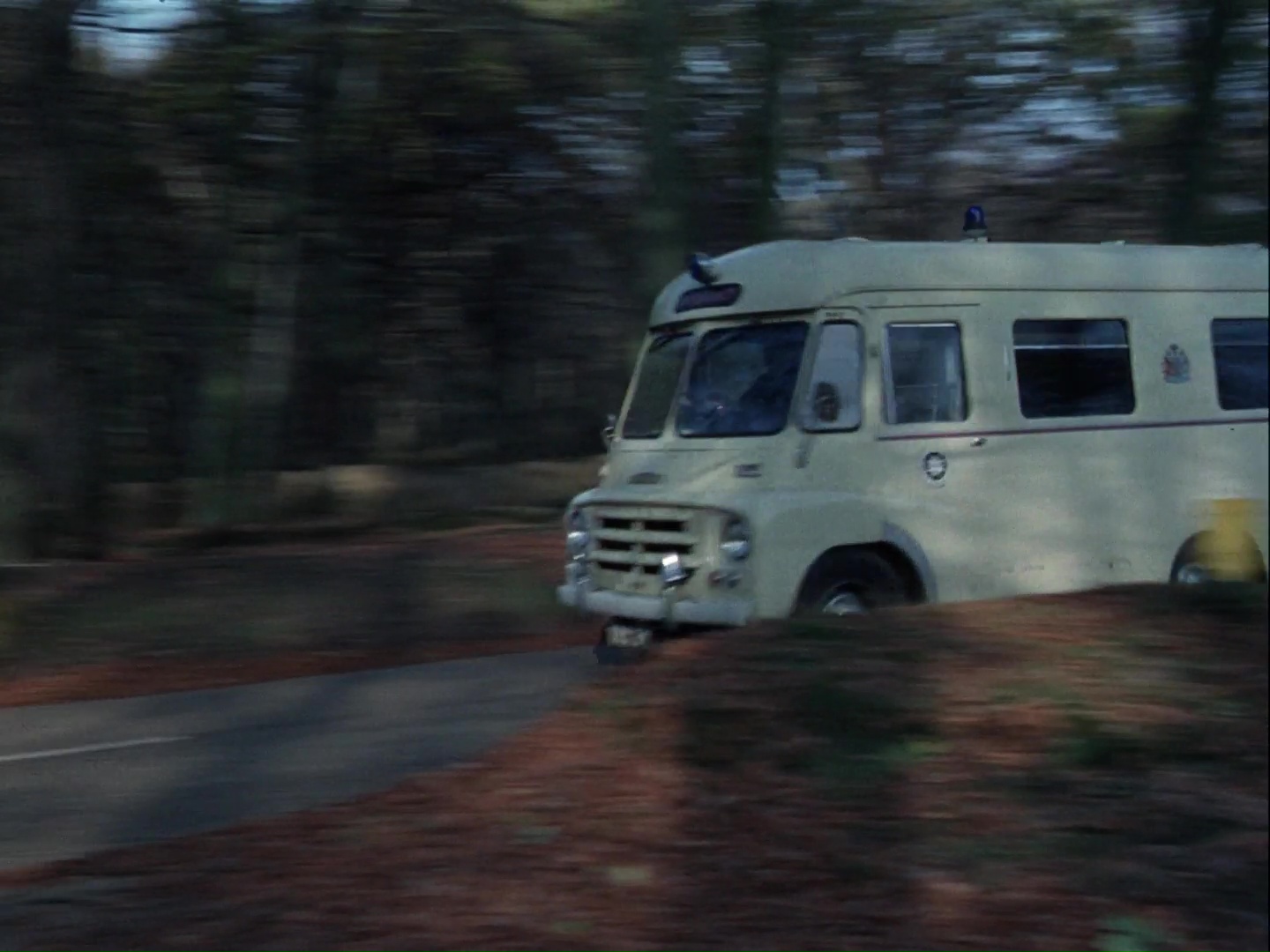

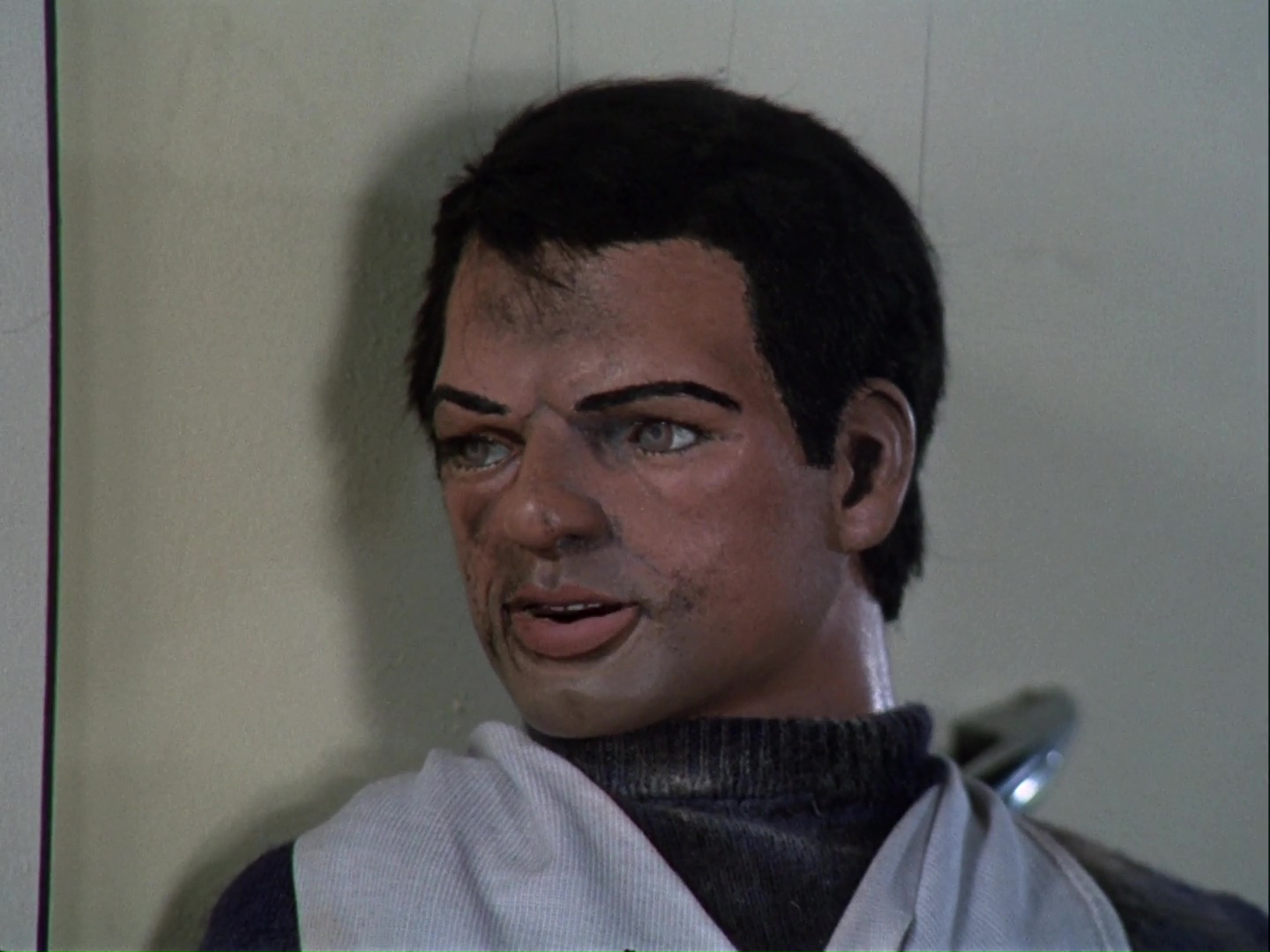
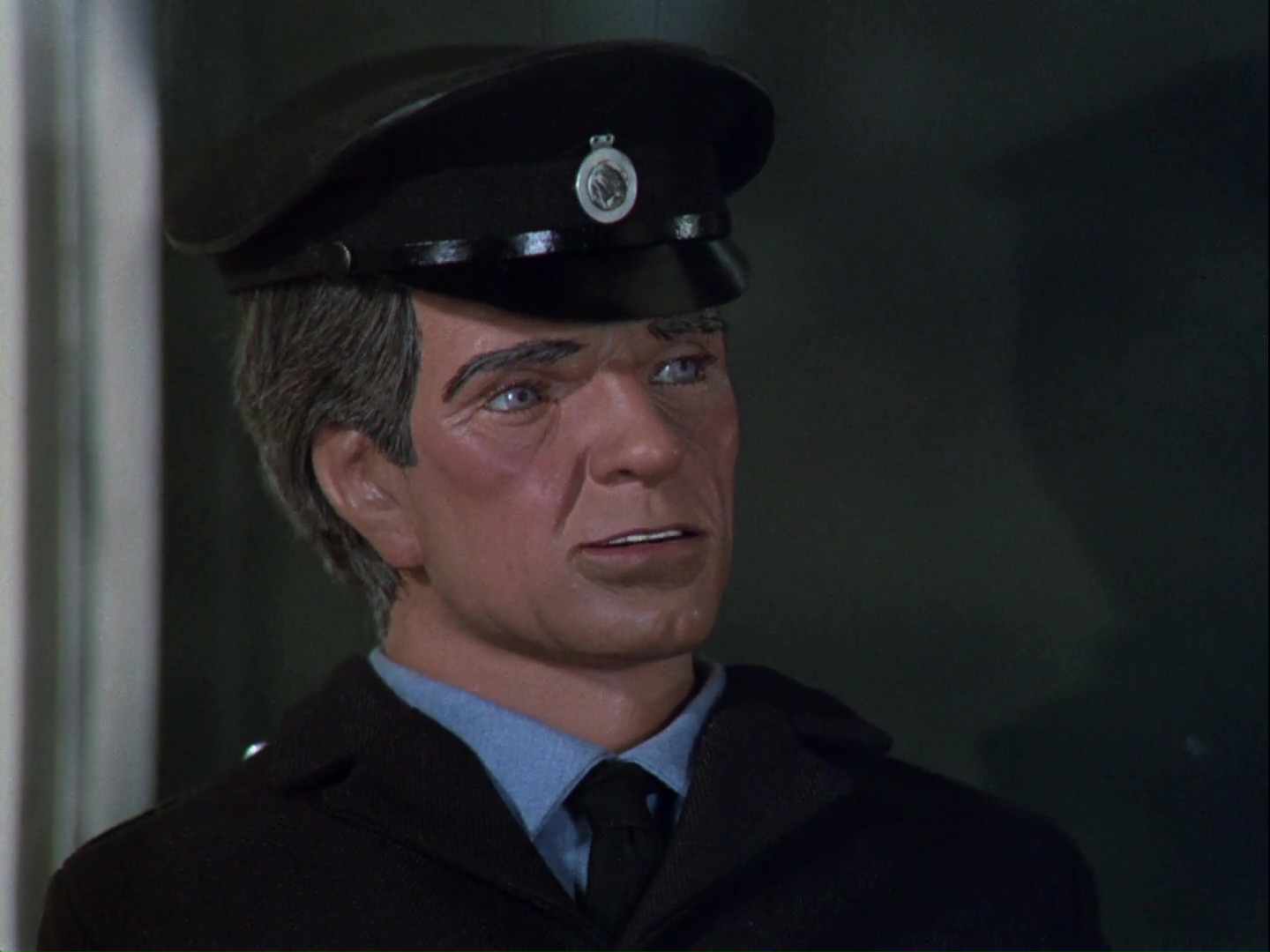
Time for another comic interlude. A bemused paramedic is giving Spiker a lift to Eastford having patched up his broken arm. Gary Files, playing both parts, performs it superbly. Spiker’s puffed up and frantic state contrasted with the attendant’s softly spoken bewilderment is pure gold. It’s another moment for the audience to step back and laugh at how utterly ridiculous all this is. The attendant is essentially giving the audience a cheeky wink and saying “yes, this really is unbelievable nonsense isn’t it?” The Secret Service thrives on having its tongue planted so firmly in its cheek.

Just look at that lovely old ambulance. What a beauty.
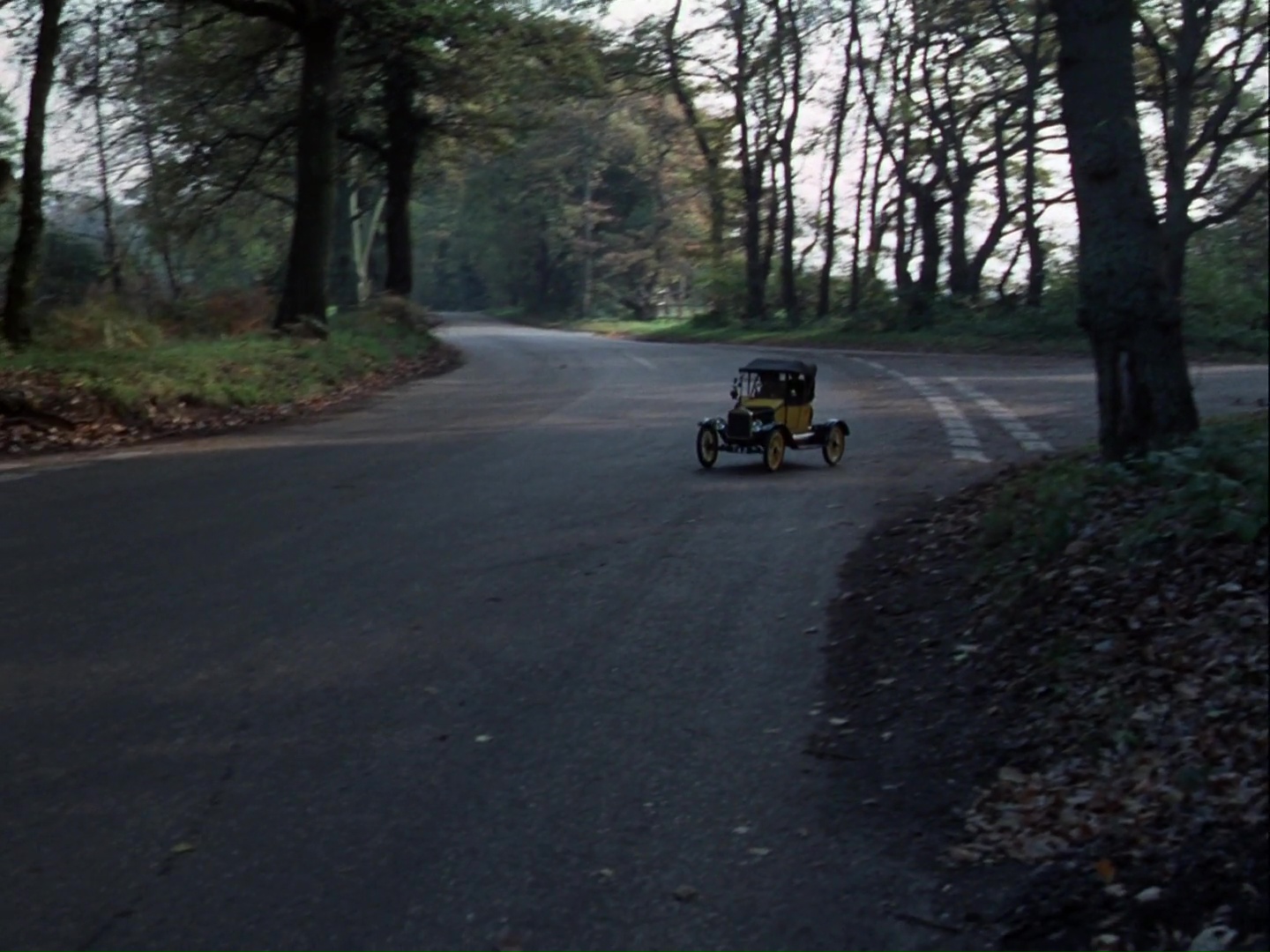
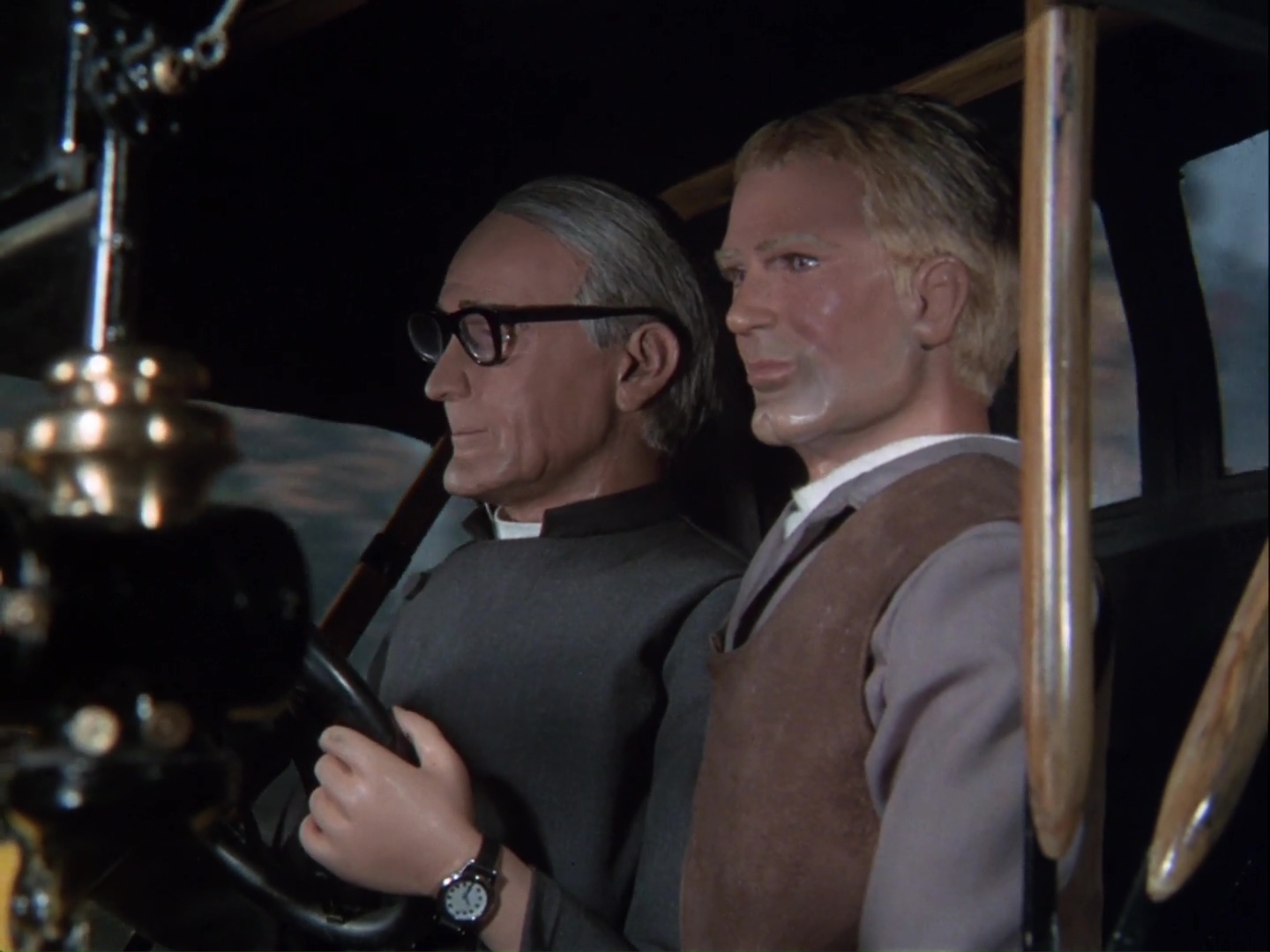
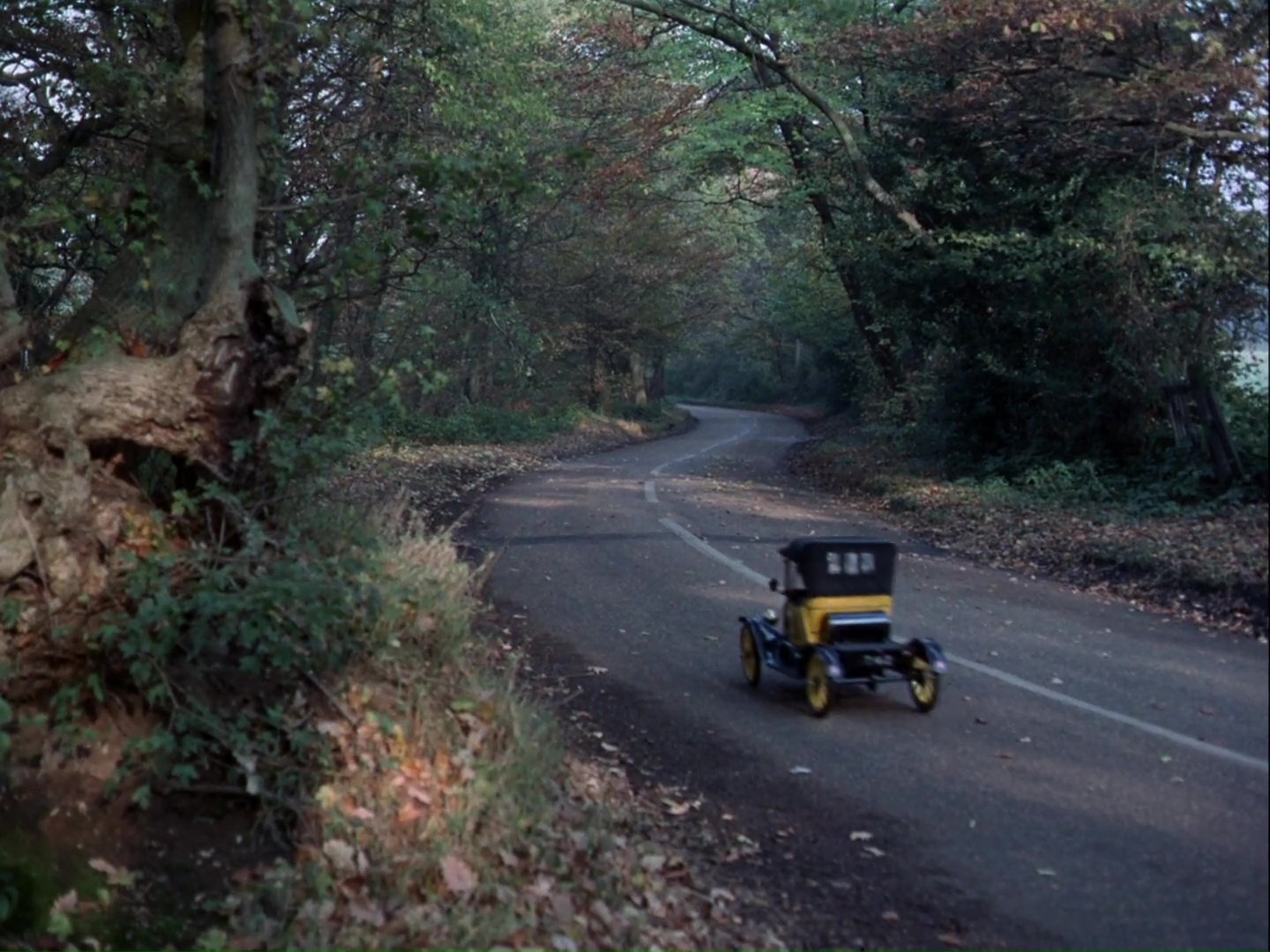
Elsewhere in the general Burnham Beeches area, Gabriel seems to be having a hard time driving in a straight line. I’ve mentioned previously how the radio-controlled model often had been driven blind by the operator so that they couldn’t be seen by the camera, so they can be forgiven for occasionally drifting off course.
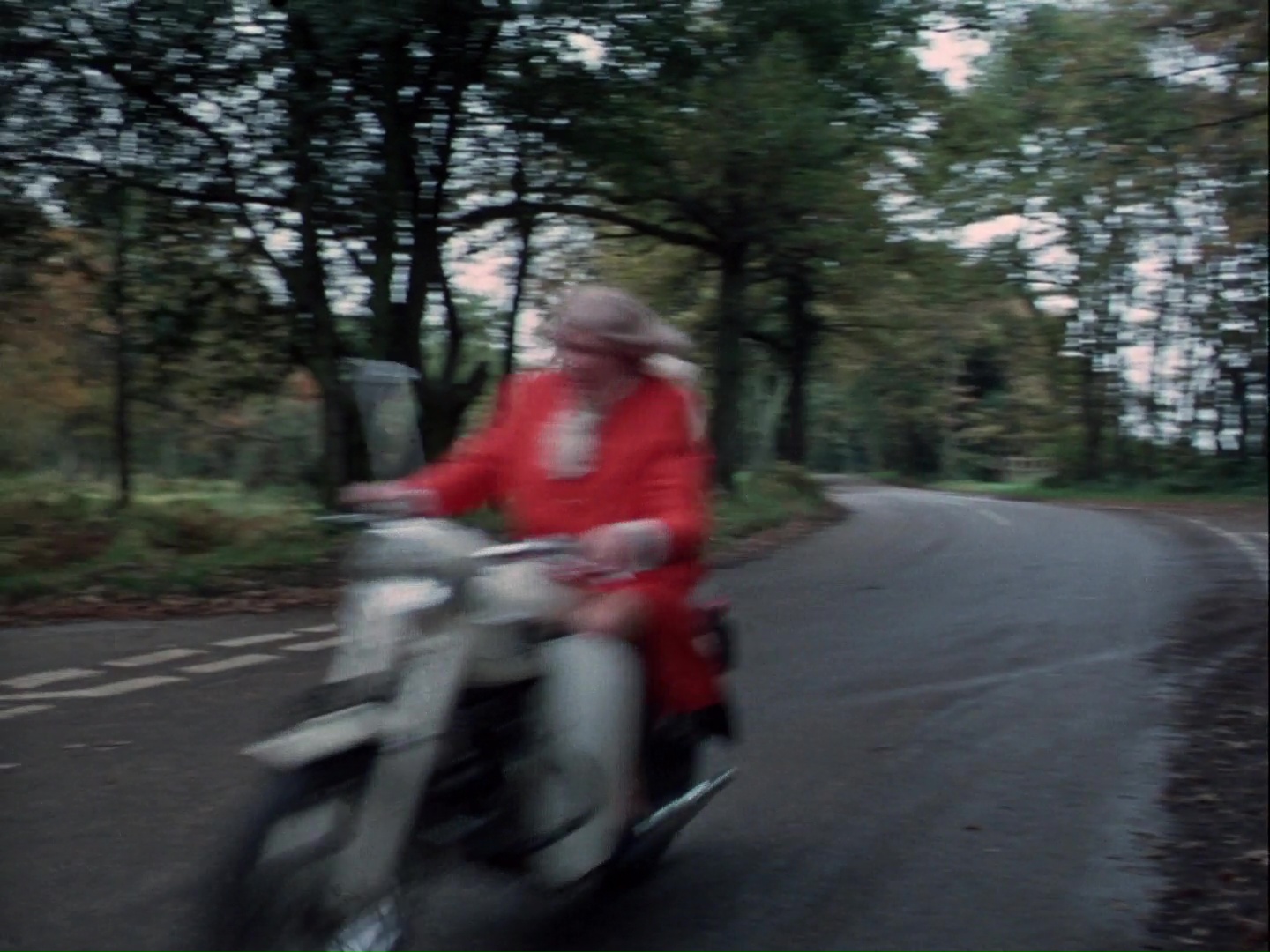
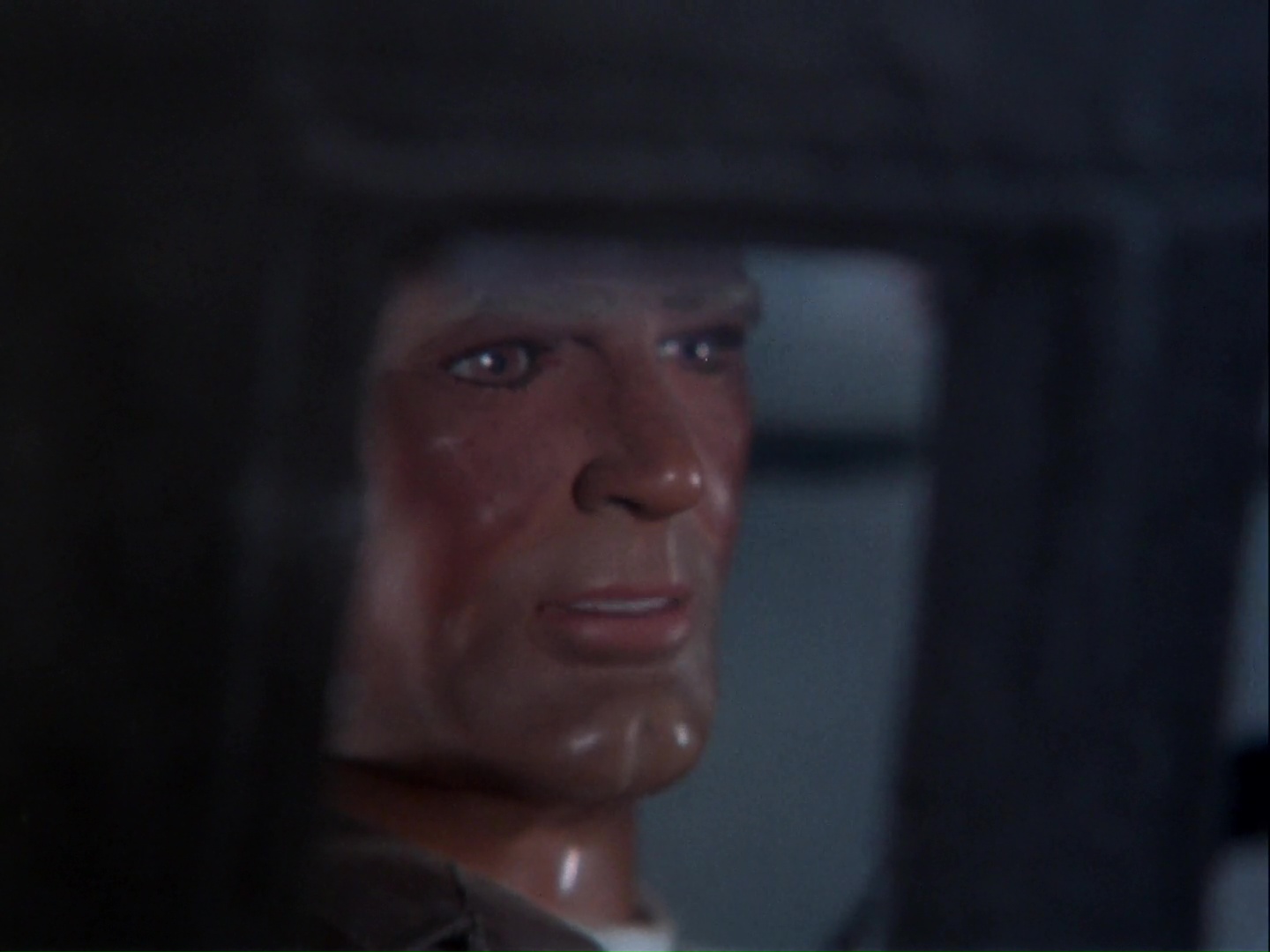
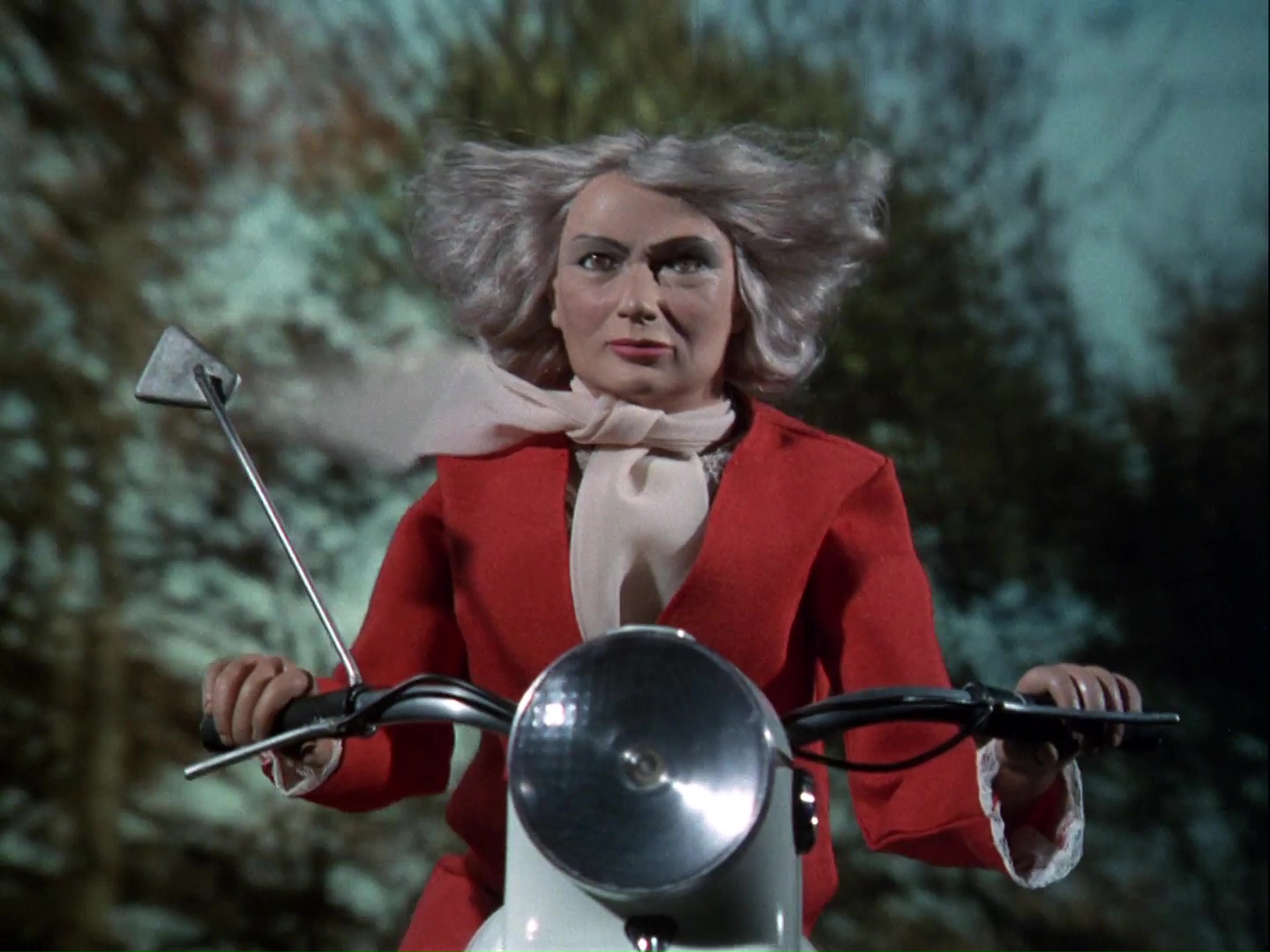
Matthew is stunned by the sight which greets him in the rear-view mirror. There’s only one word I can use for it – magnificent.
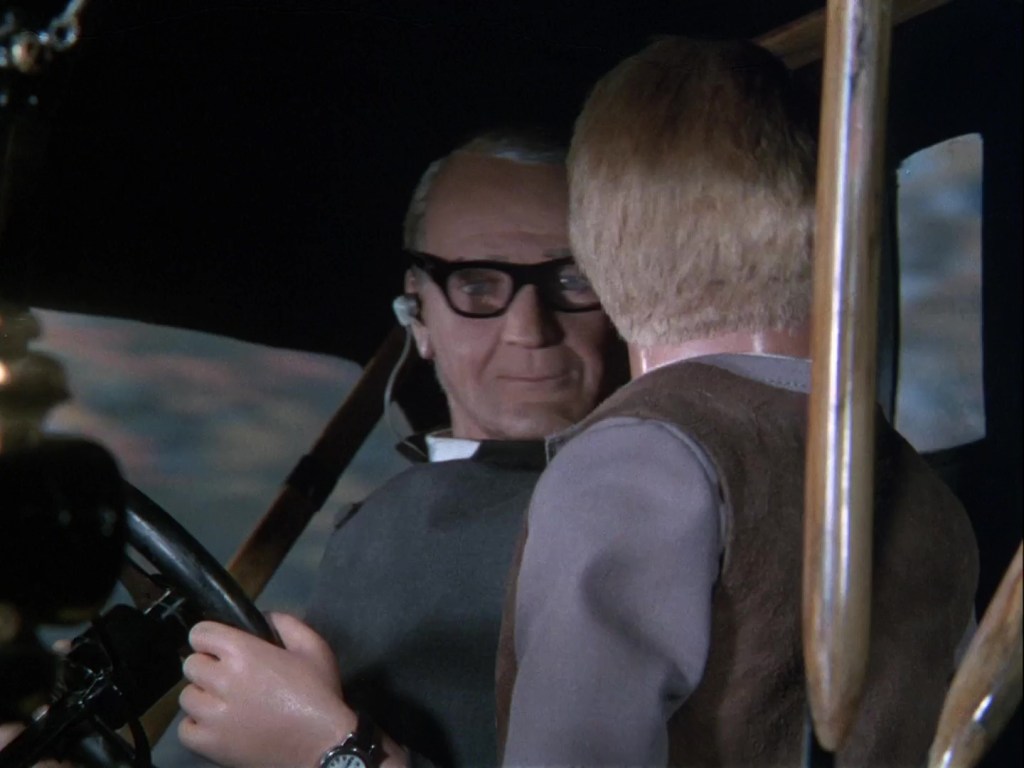
For a brief moment, Father Unwin loses faith in his beloved Gabriel, admitting the little car cannot possibly match the motorcycle’s speed. It’s a little bit heartbreaking really.

Serious question… is Lady Martha flipping off Gabriel?
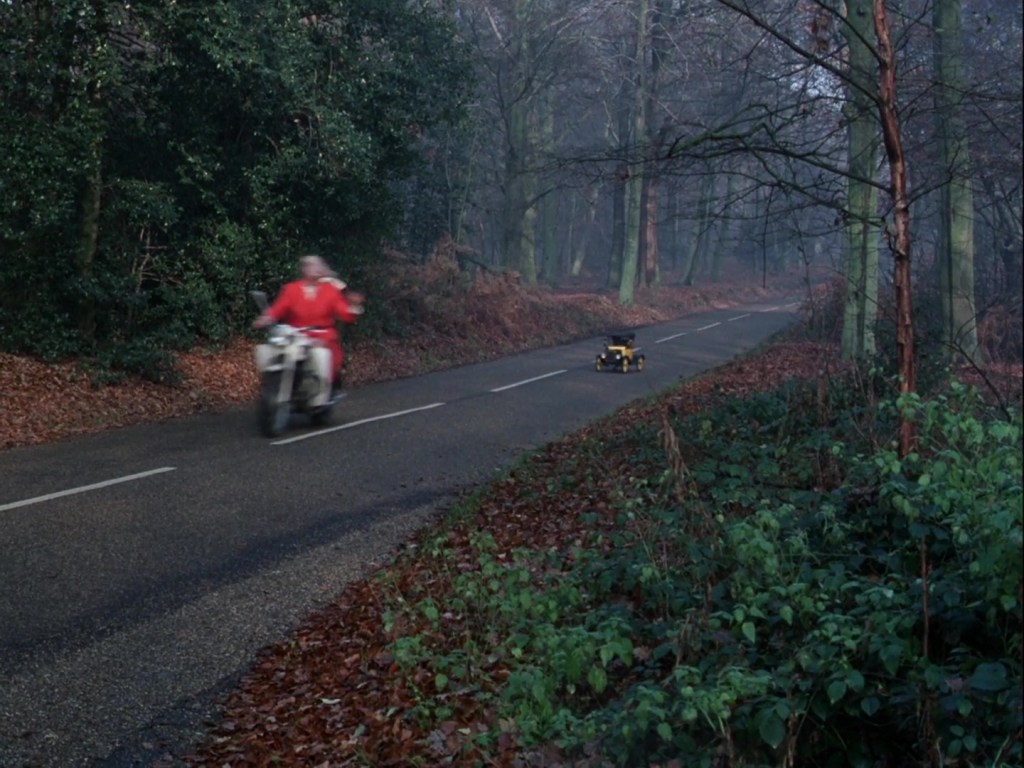
What about here? Any potential middle fingers here d’you think?
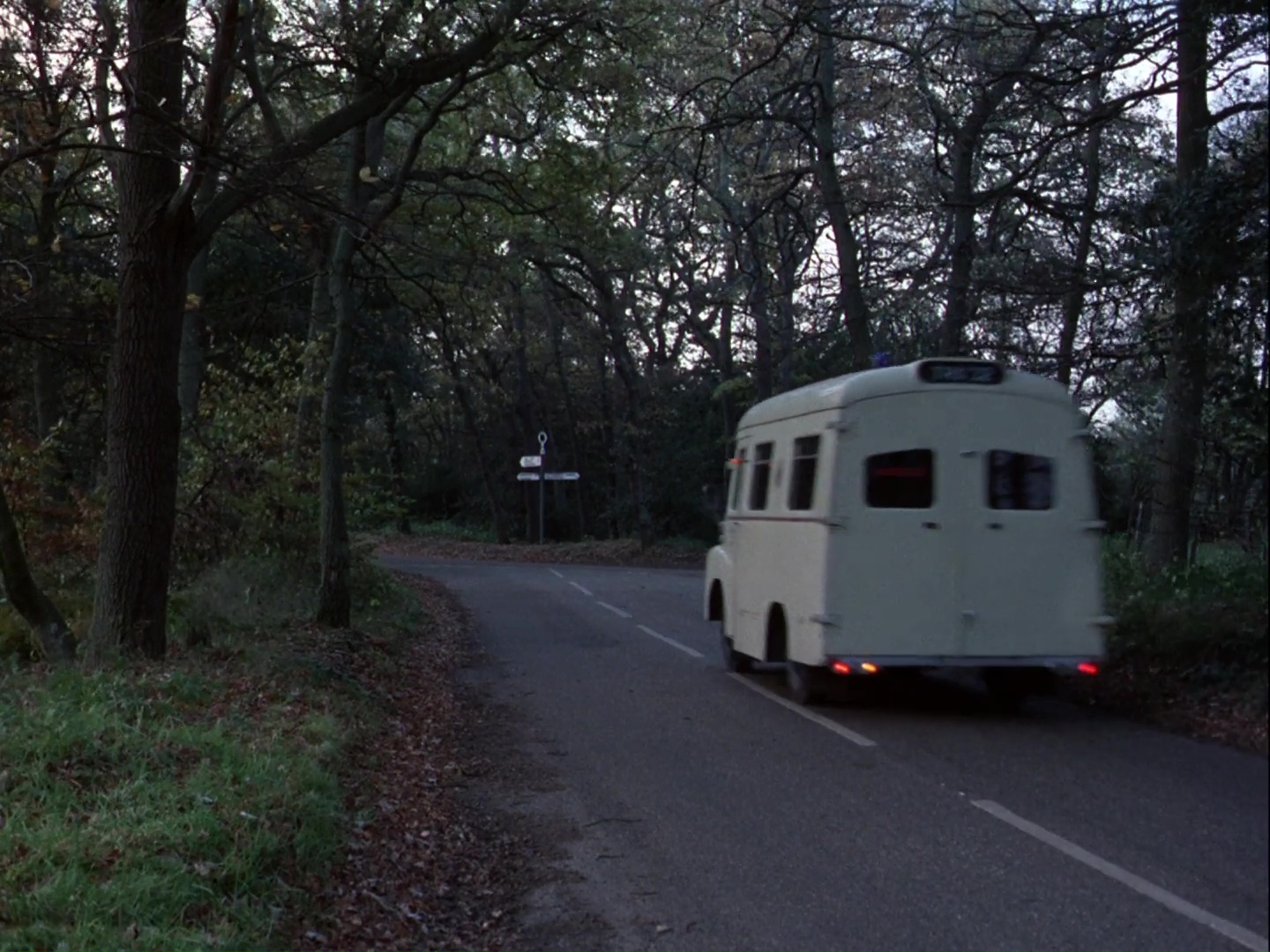
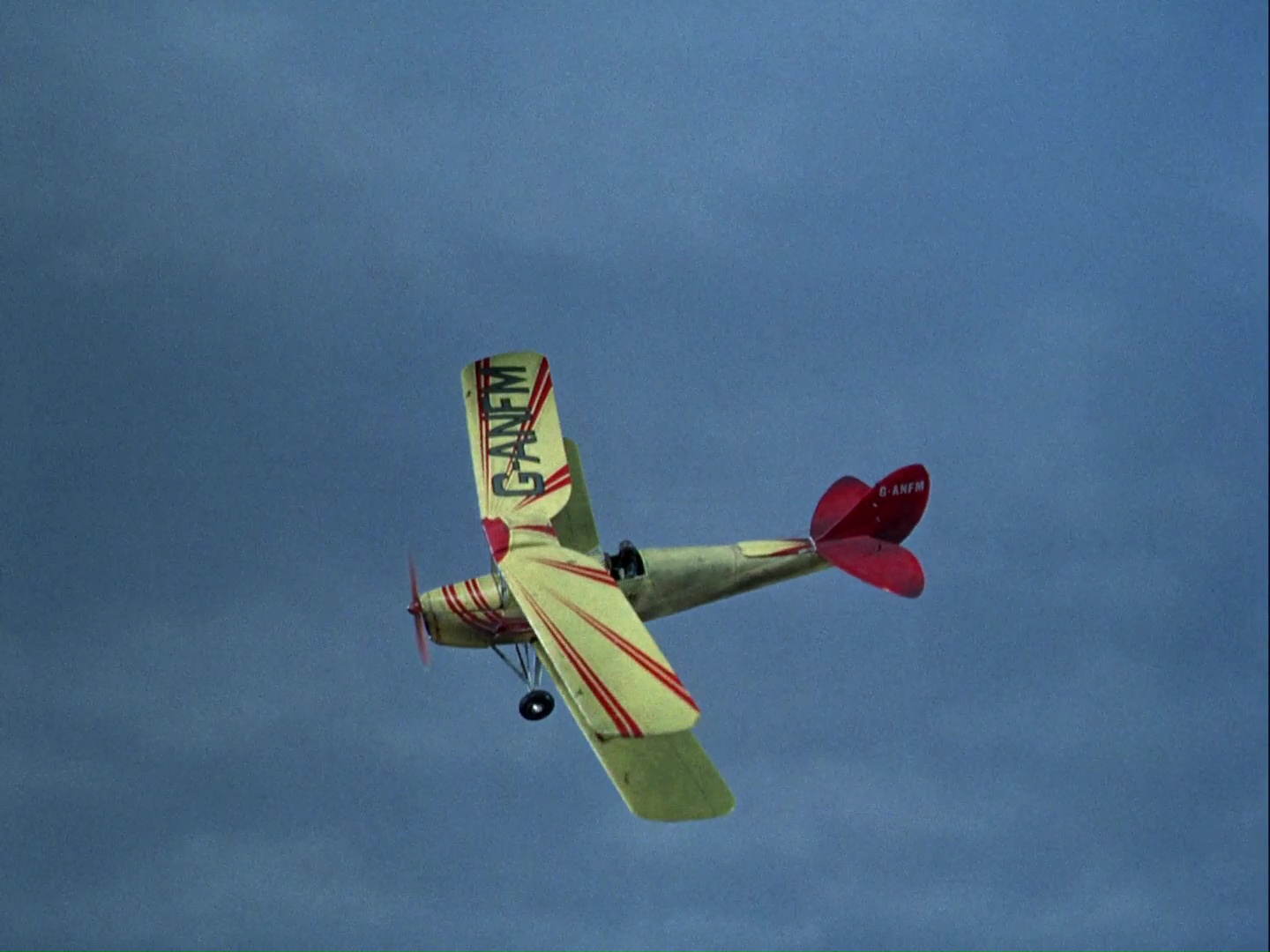
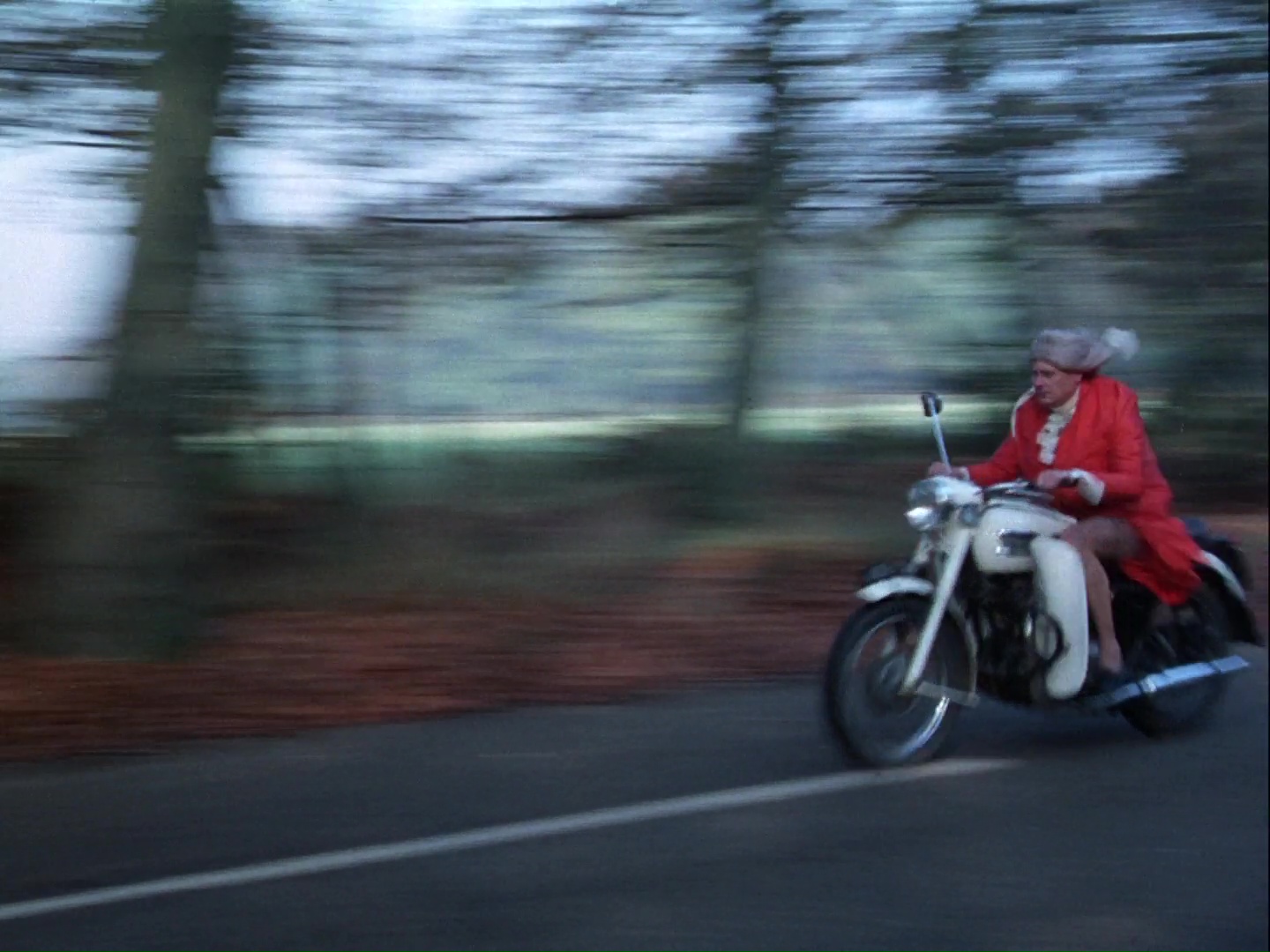
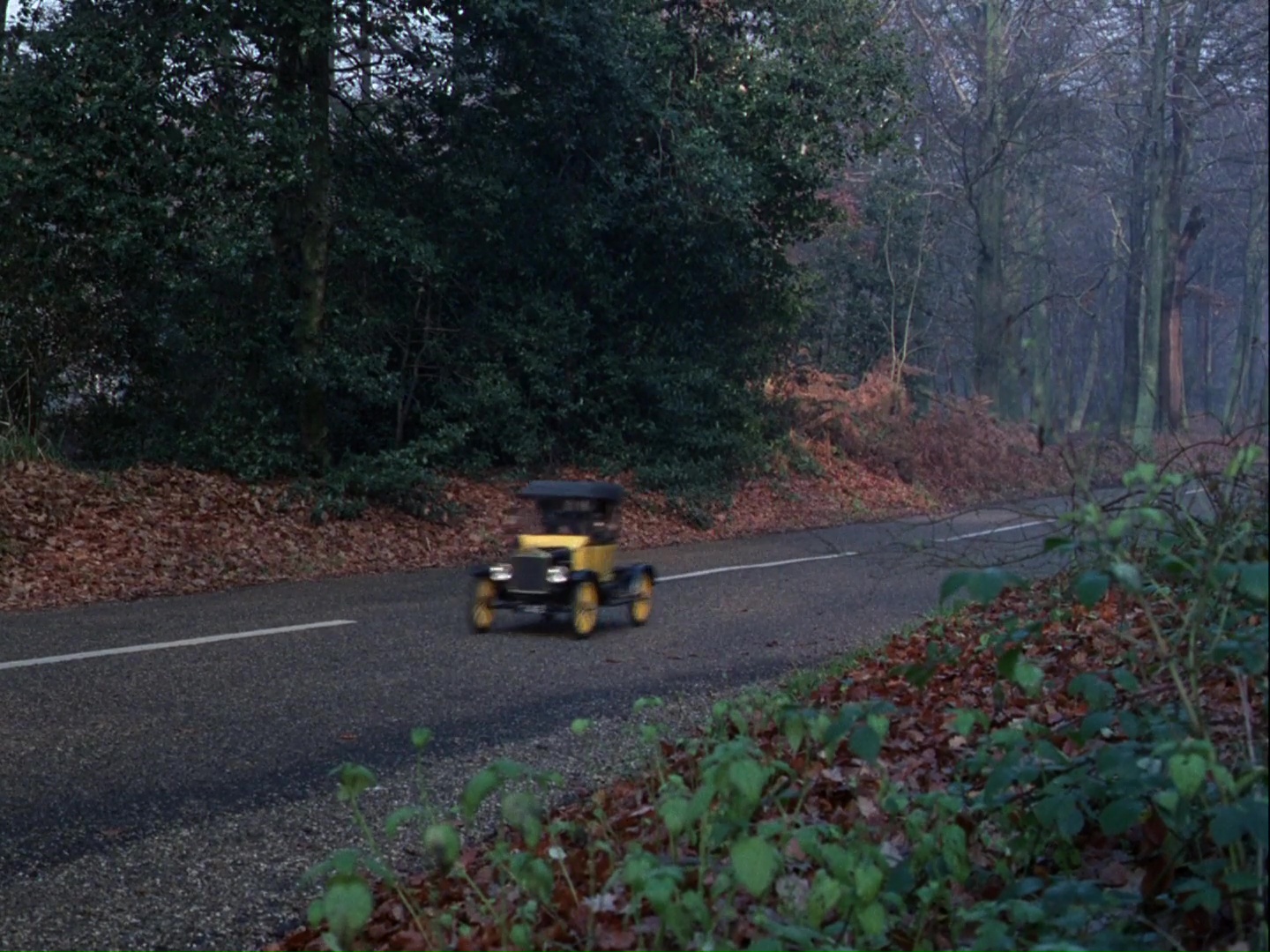
Now that Lady Martha has the lead, the chase is really hotting up. Just a reminder, the competitors in this race are a posh lady who’s never ridden a motorcycle before (and who’s being played by a man in a bad wig), a priest and his gardener in a 1917 bright yellow Model T Ford (which is actually a radio-controlled car), a yellow biplane being flown by two people who don’t know how to fly a plane (which is actually a model being filmed inside a studio), and an ambulance (which is just an ambulance).
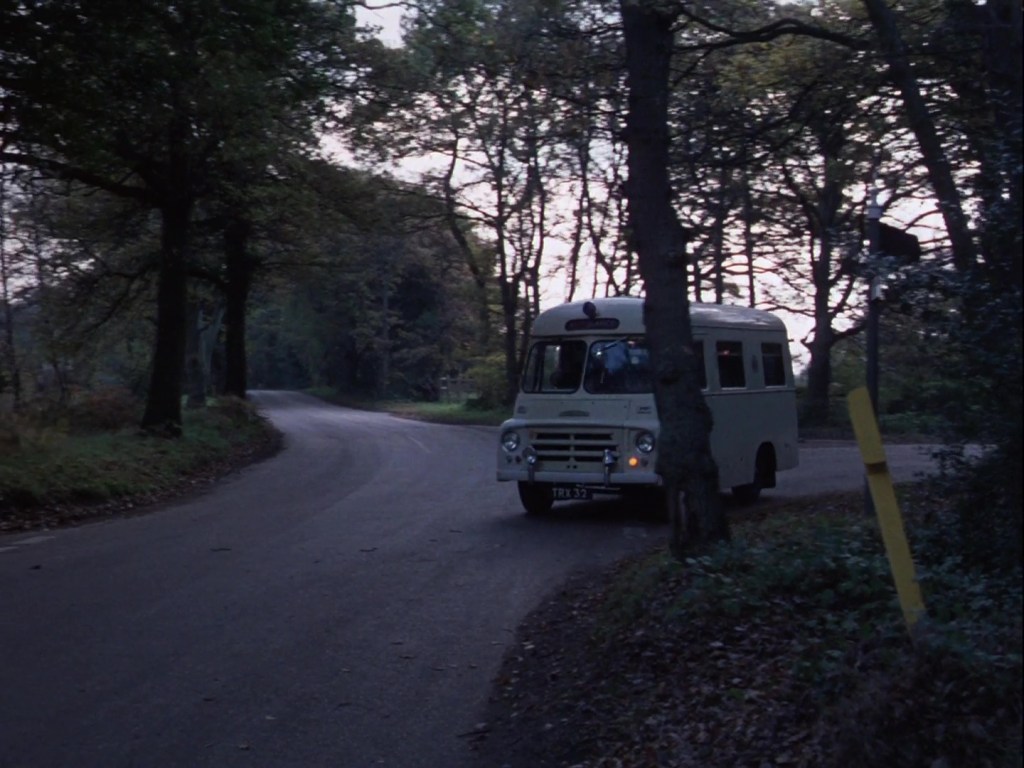
Cor, the location unit are clearly struggling against the low lighting conditions of the winter’s day in this shot.
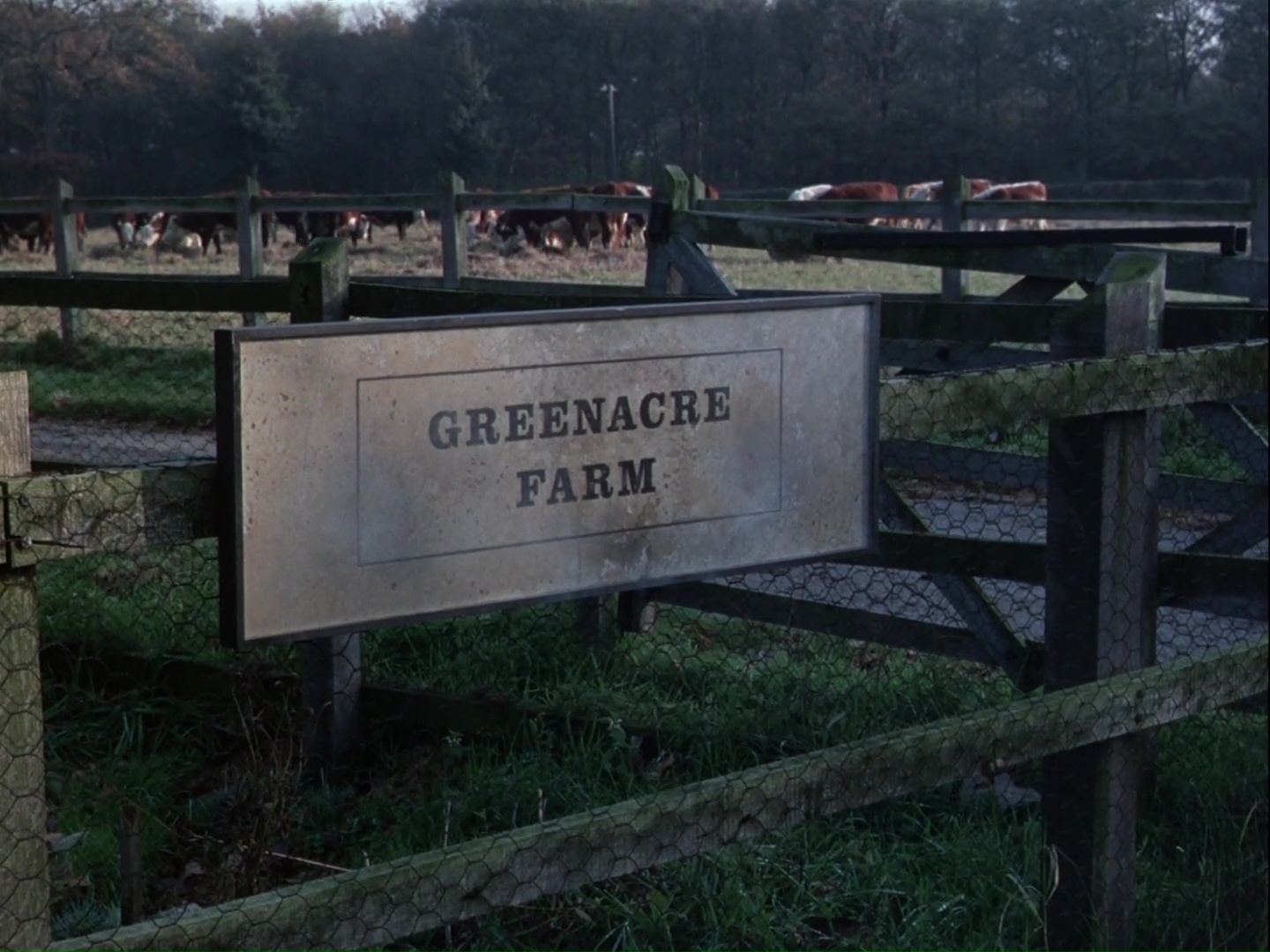
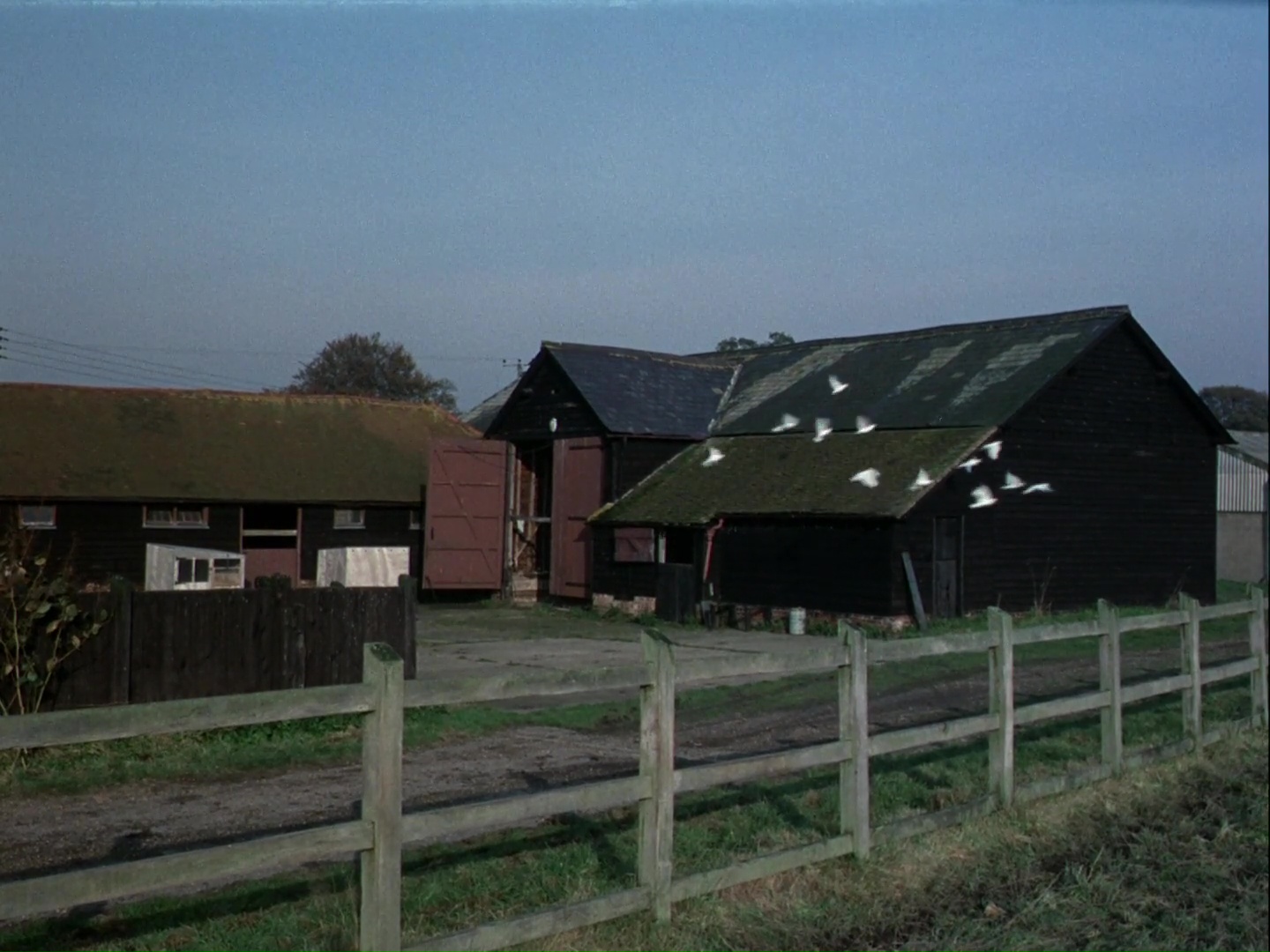
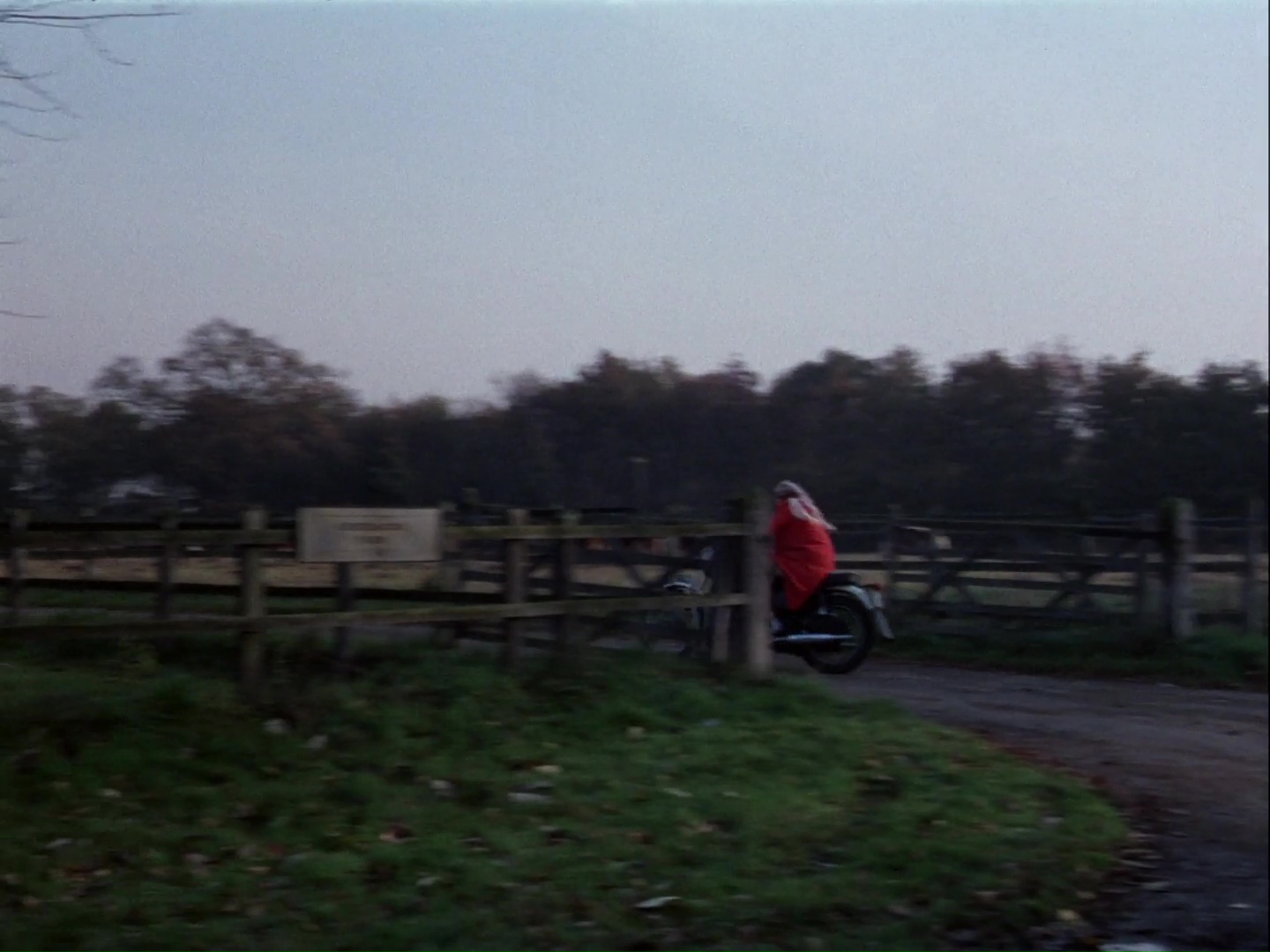
At last, we have reached Greenacre Farm. Lady Martha is the first to arrive. The location is Abbey Park Farm on Abbey Park Lane to the north west of Burnham Beeches. Surprisingly, it hasn’t changed all that much in recent years. Again limited winter daylight is proving to be a real problem in these shots.
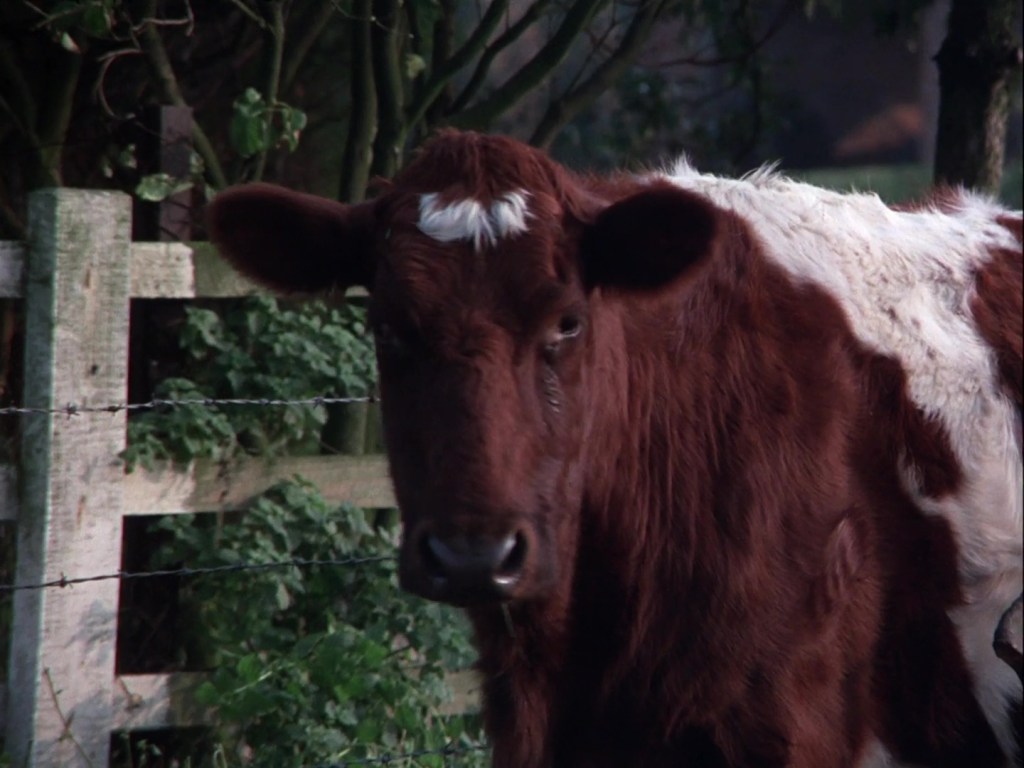
Anyone who remembers my original review of The Investigator will be aware of my fondness for shots of animals reacting to vehicles arriving in places. This cow steals the show.
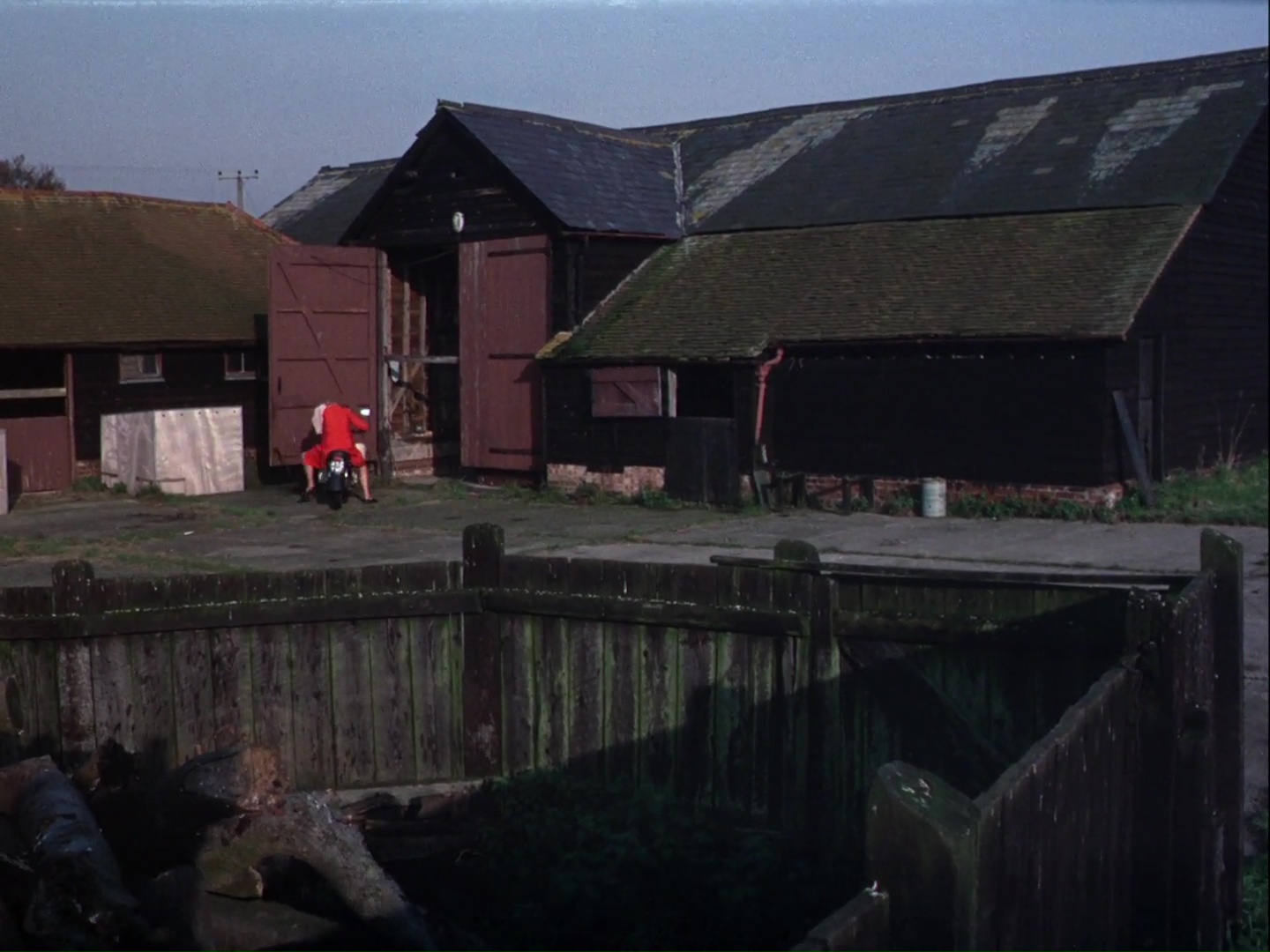
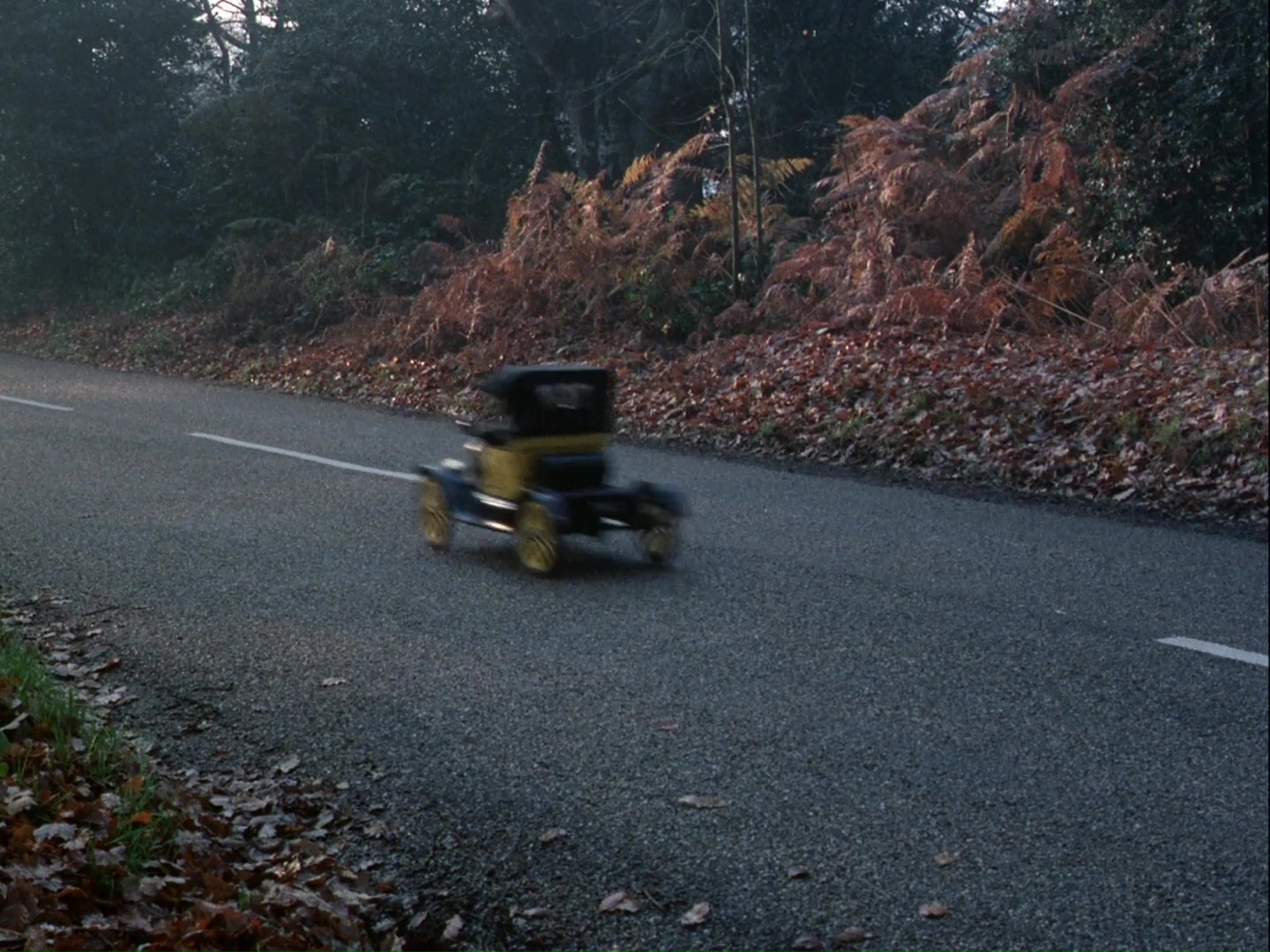
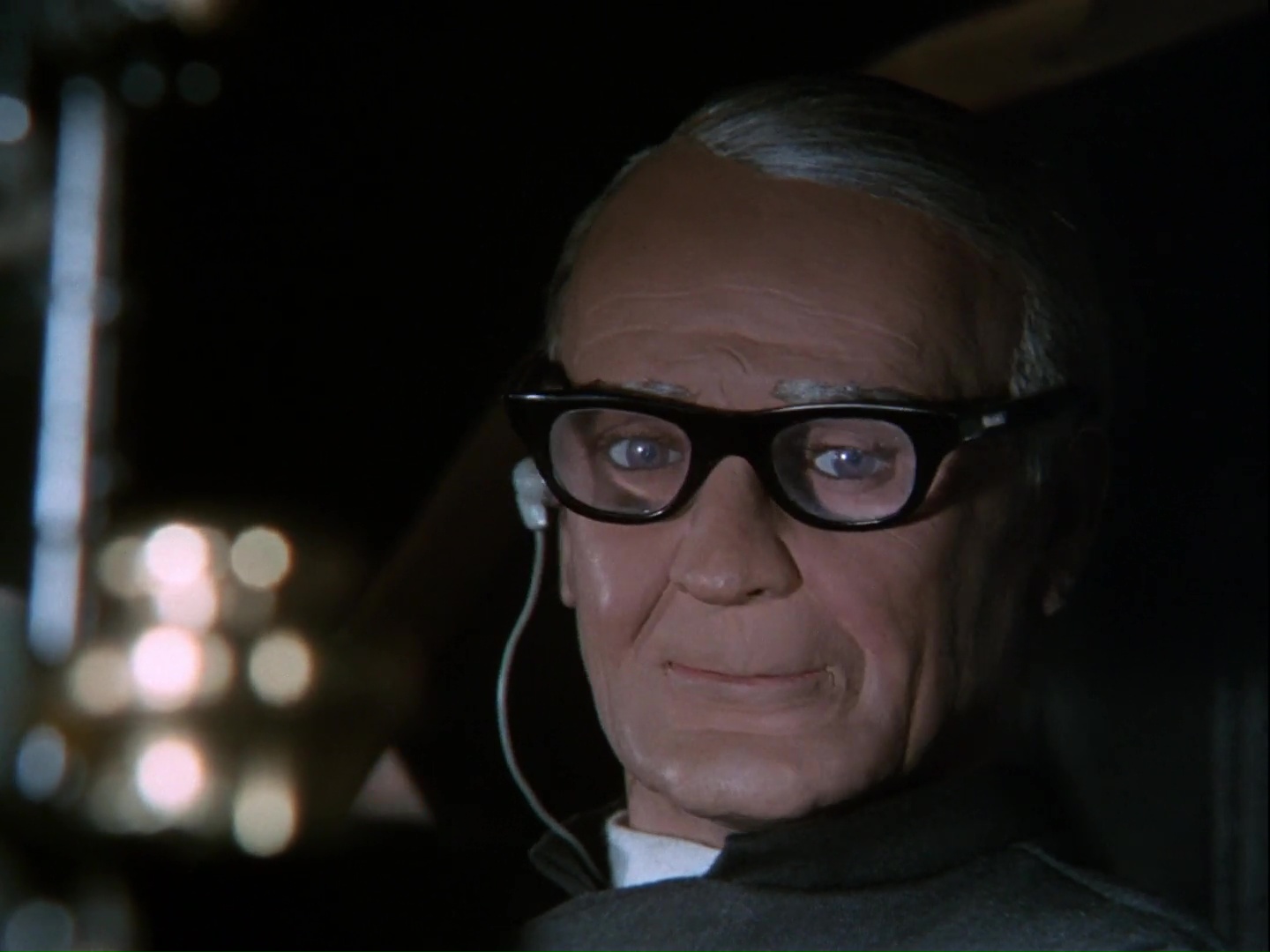
As Lady Martha works out how to stop the machine between her big hairy legs, Unwin is delighted to announce that they’re nearly at the farm. Phew, it’s about time you had some sort of impact on this plot boys.
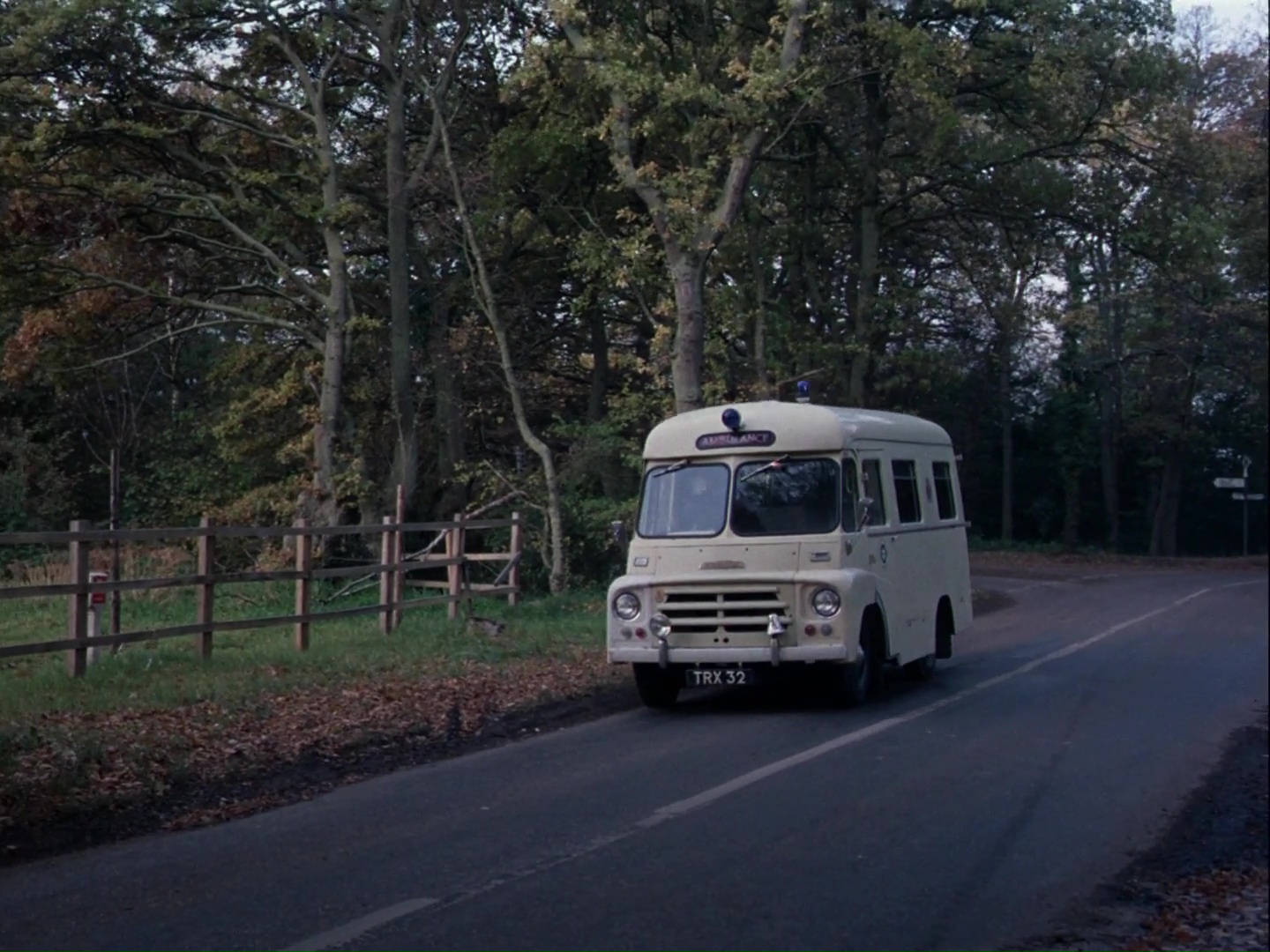
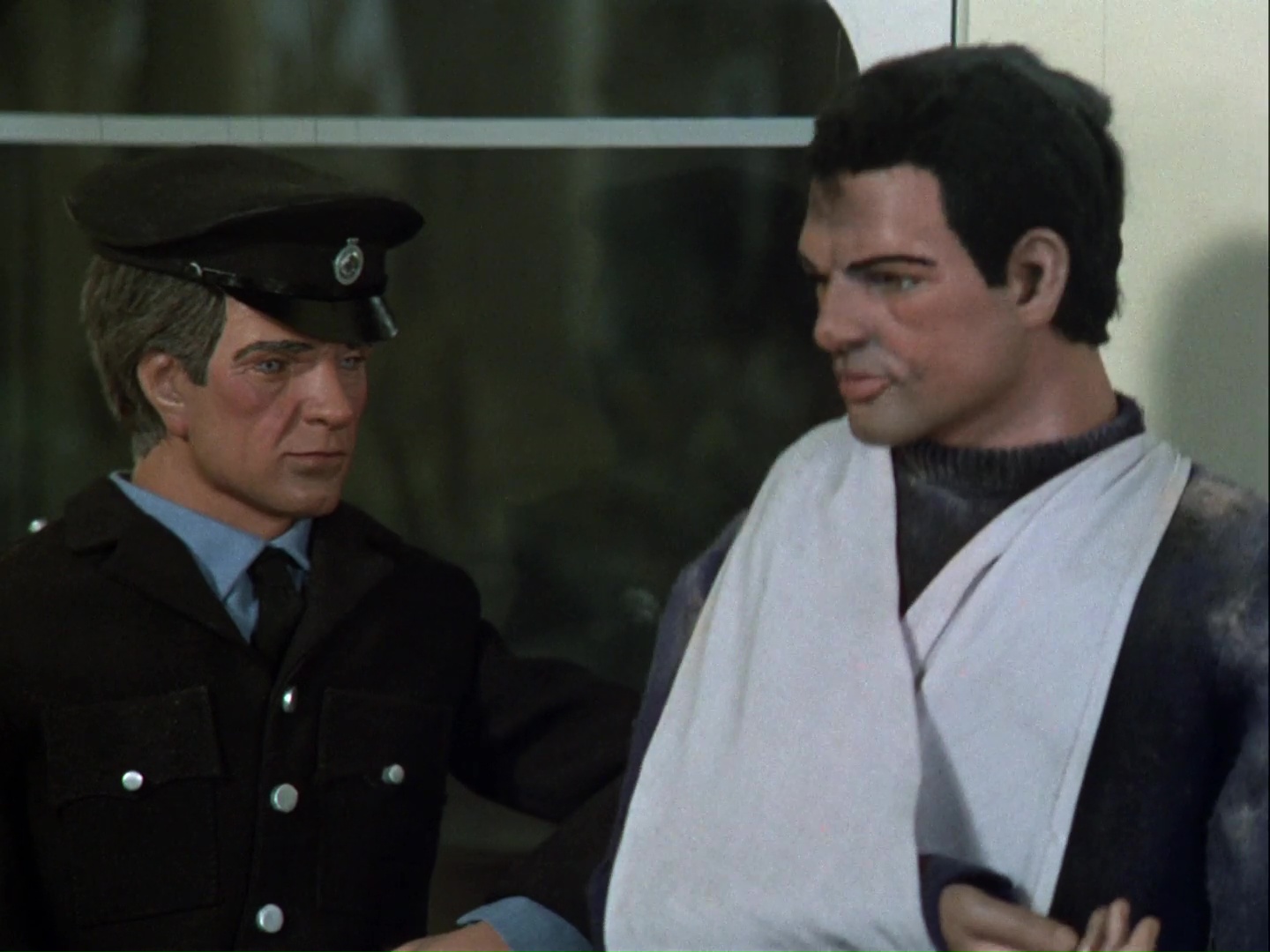
The ambulance parks up at the side of the road. Clearly, the paramedic is fed up with Spiker using them like a taxi service and kindly sends the poor fella on his way.
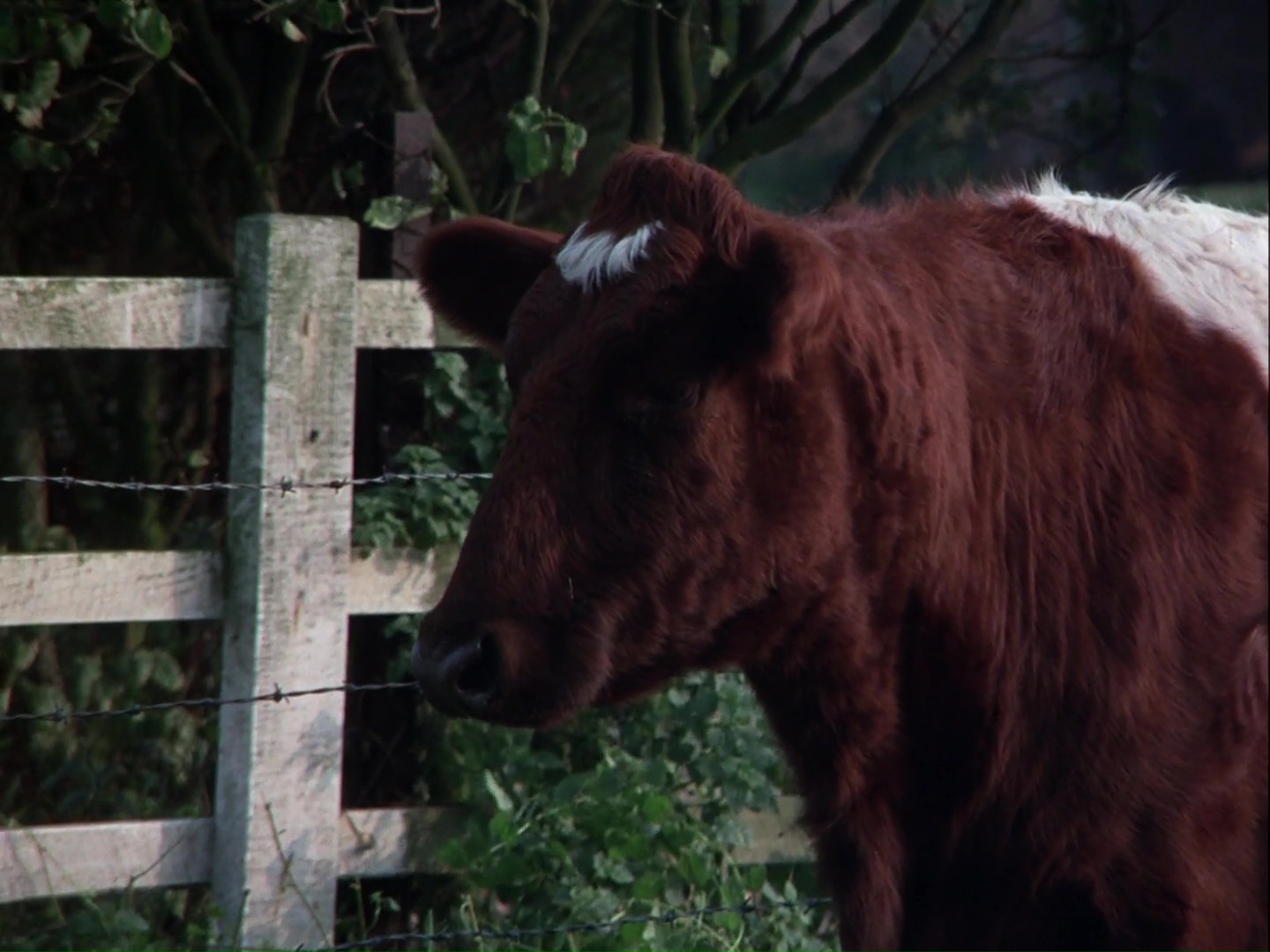
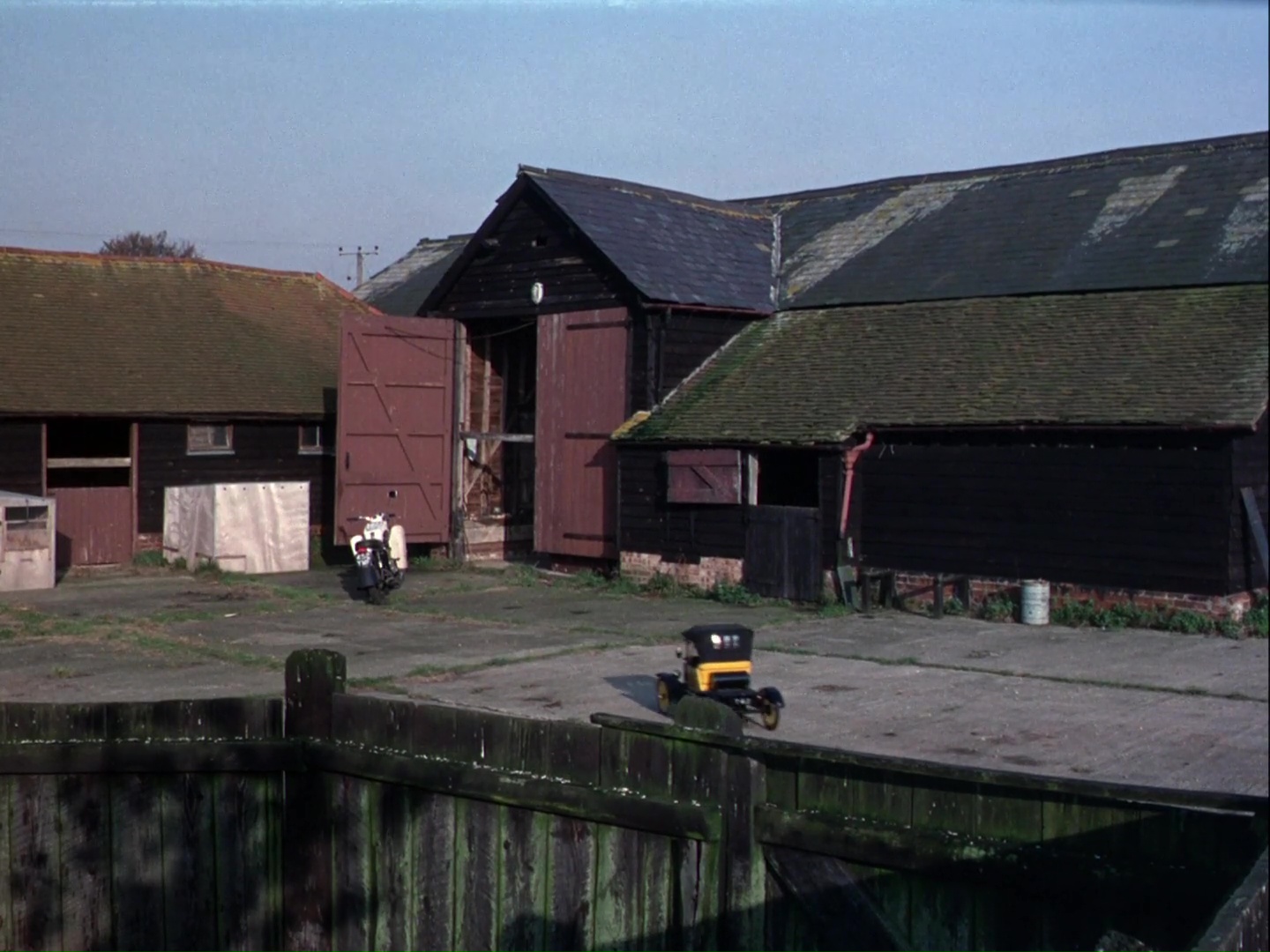
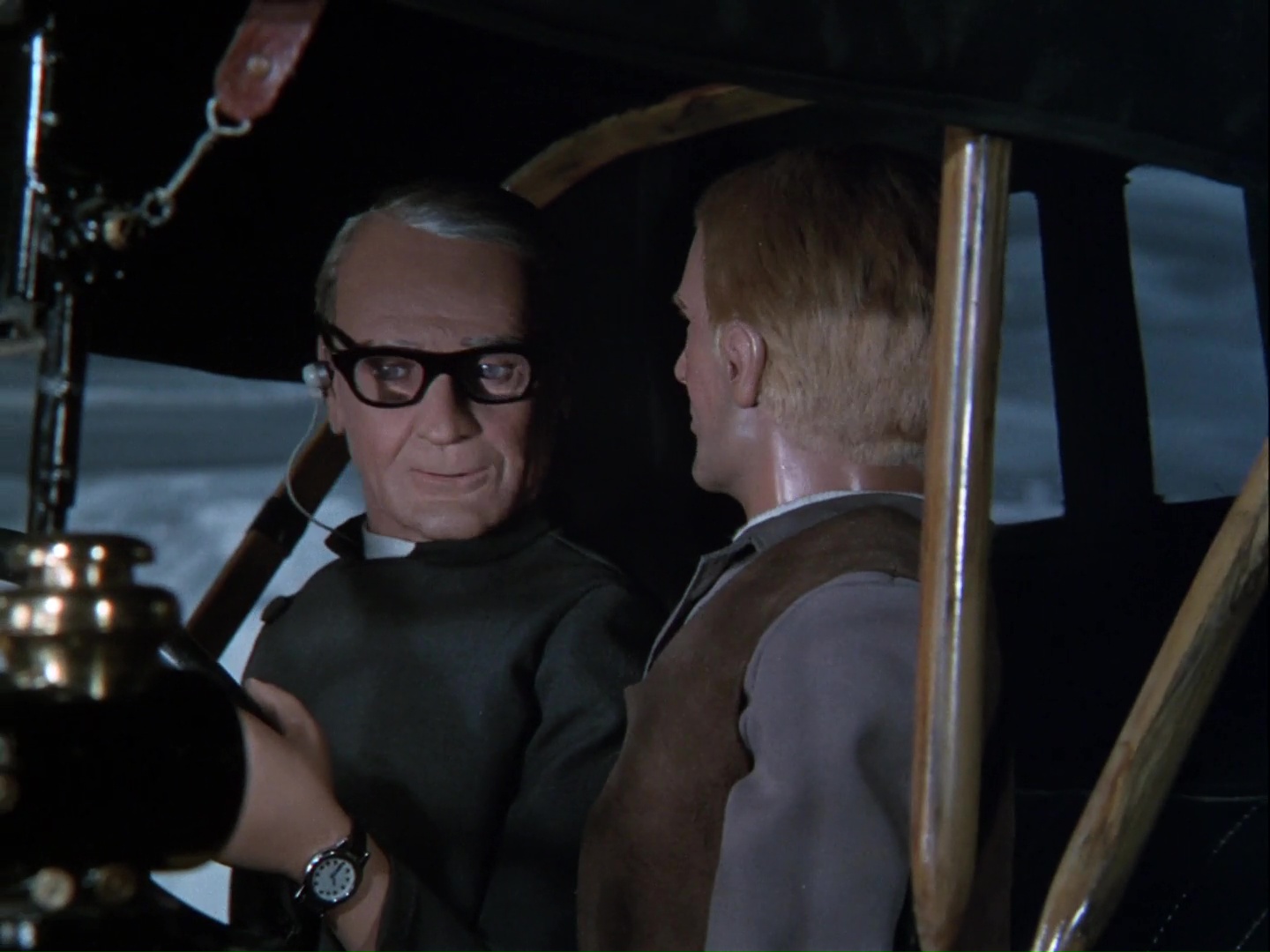
The cow reacts again to the arrival of Gabriel. Probably sees this sort of thing going on around the barn all the time.
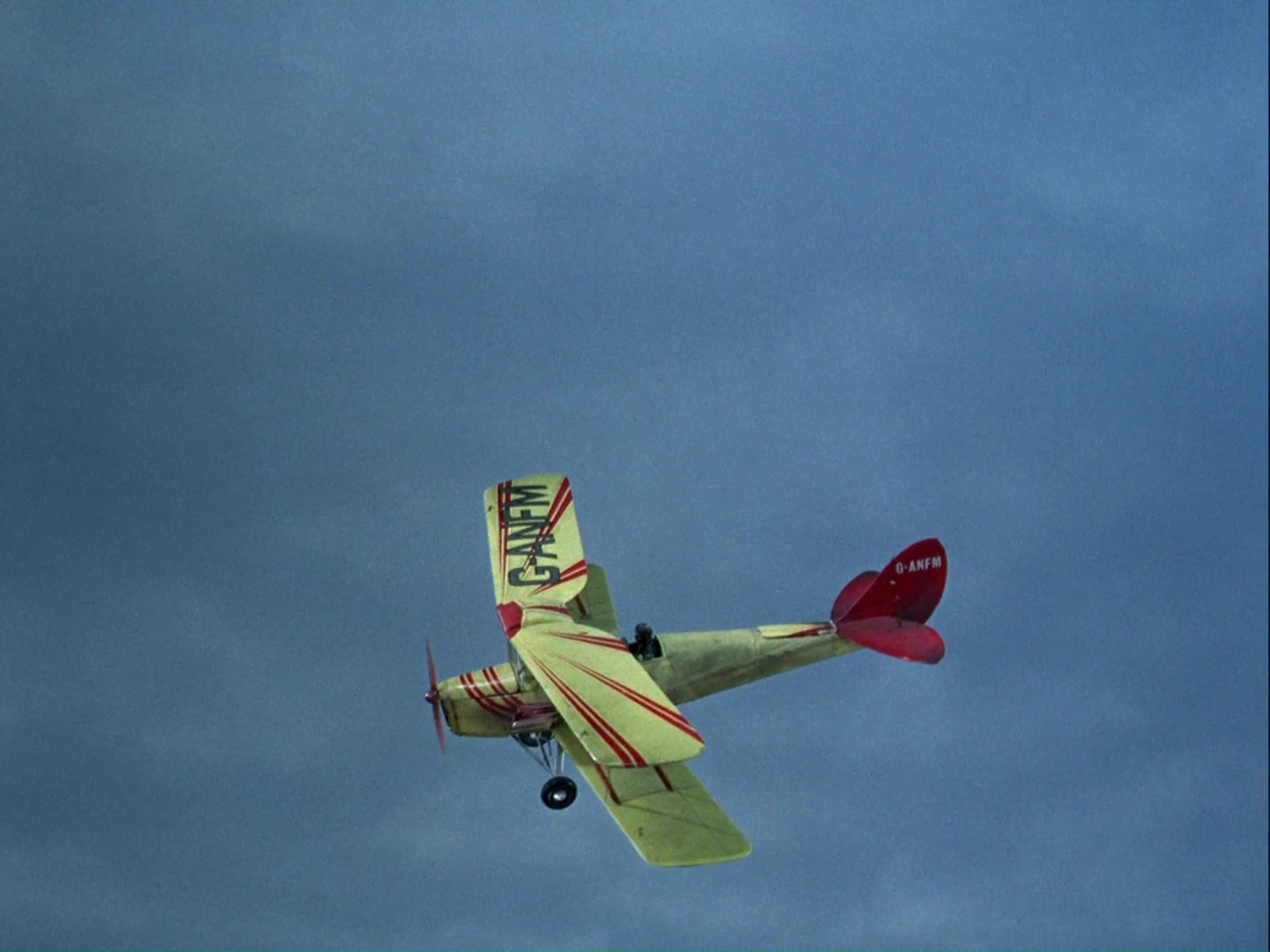
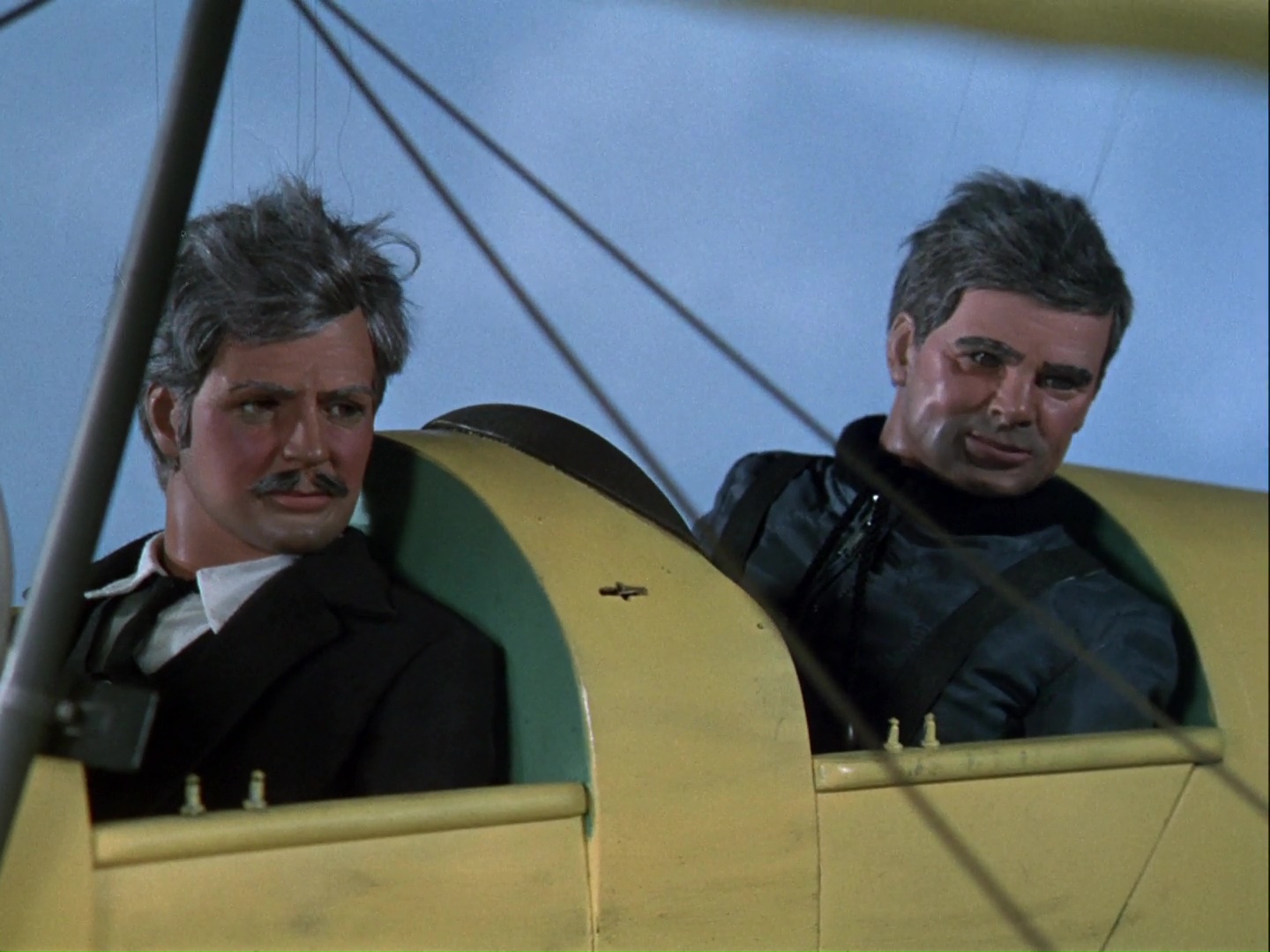
Meanwhile, Mullins and Lord Hazelwell are flying over the farm with not a clue how to get down there. As expected, Edward is absolutely no help at all.

As the plane flips over, take a close look at the top left corner of the frame. A face of one of the crew has popped up in the shot, clear as day. I hope he gets royalties. This shatters the illusion that the plane is spinning since I doubt any member of the Century 21 team could defy the laws of gravity. The camera is presumably the thing doing all the tilting.
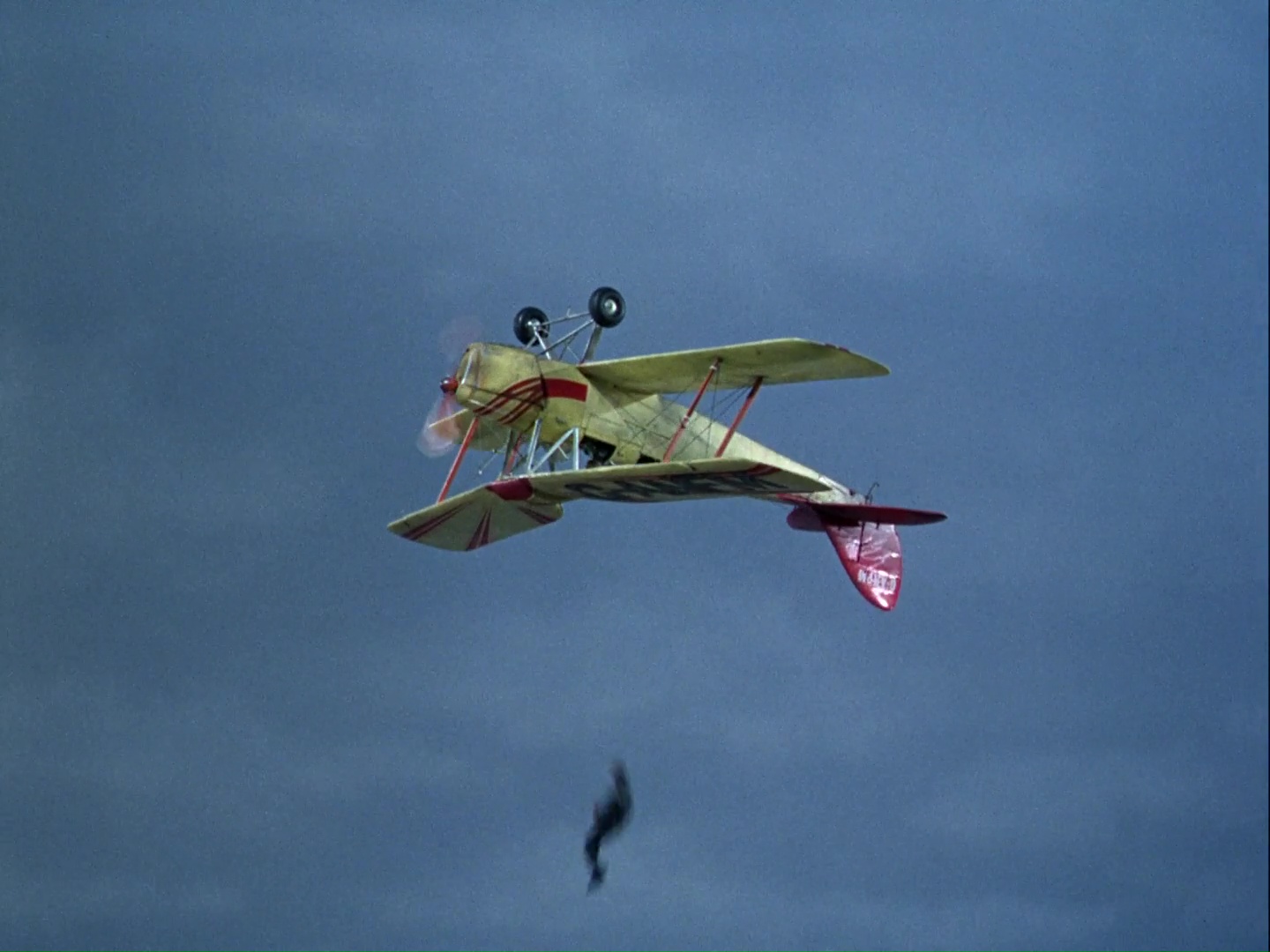

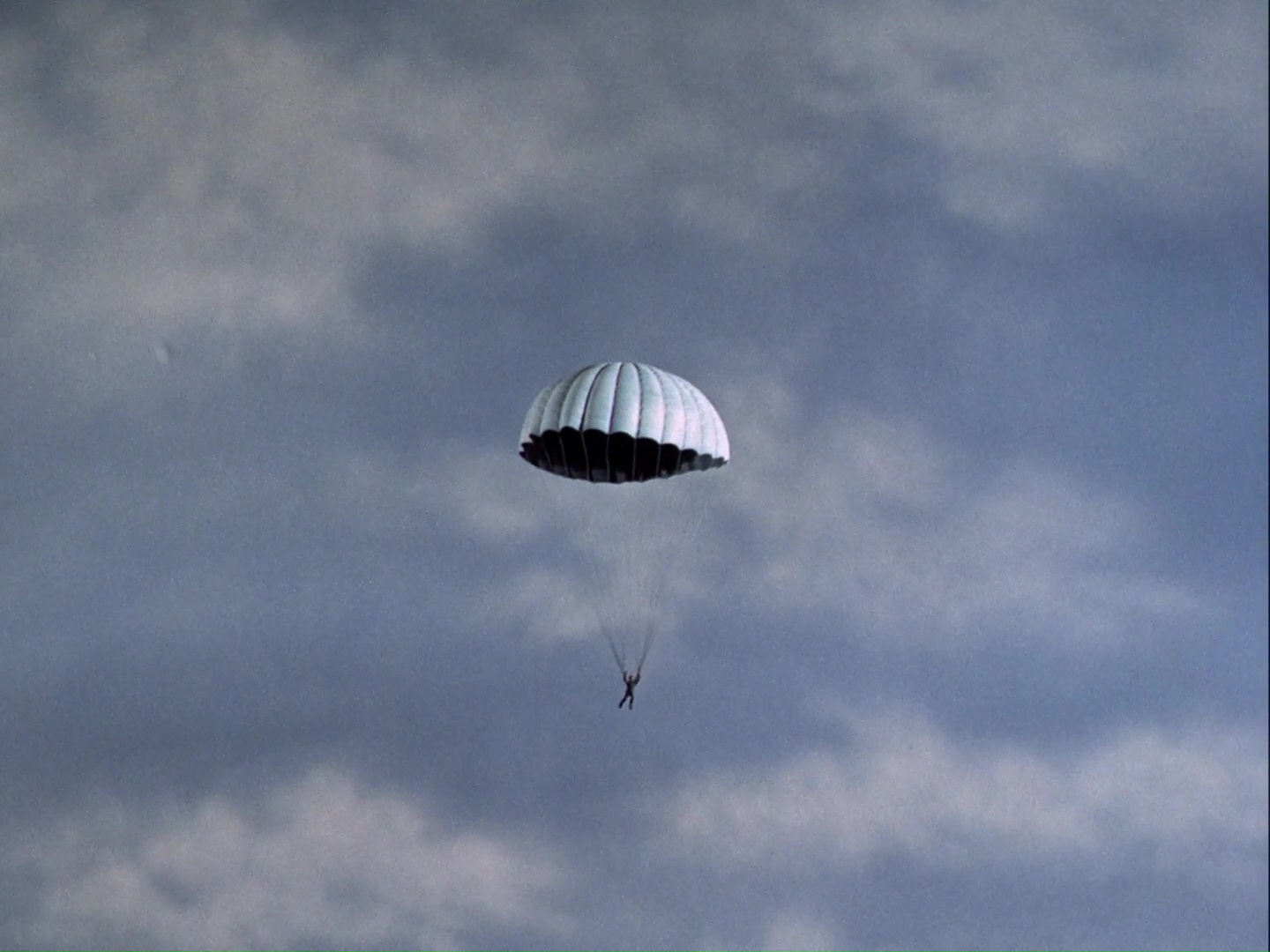
Then, to add to the lunacy of it all, Mullins falls out of the plane. It’s unclear whether he’s done this deliberately but he does have a parachute so I’m going to assume it might have been an intentional move to make contact with the ground as fast and efficiently as possible. After all, Mullins seems like a fan of the no-nonsense approach. Edward being Edward curses the fact that his associate isn’t currently plunging to his death. In fact he’s more concerned about that than the unmanned aircraft he’s suddenly found himself flying in.
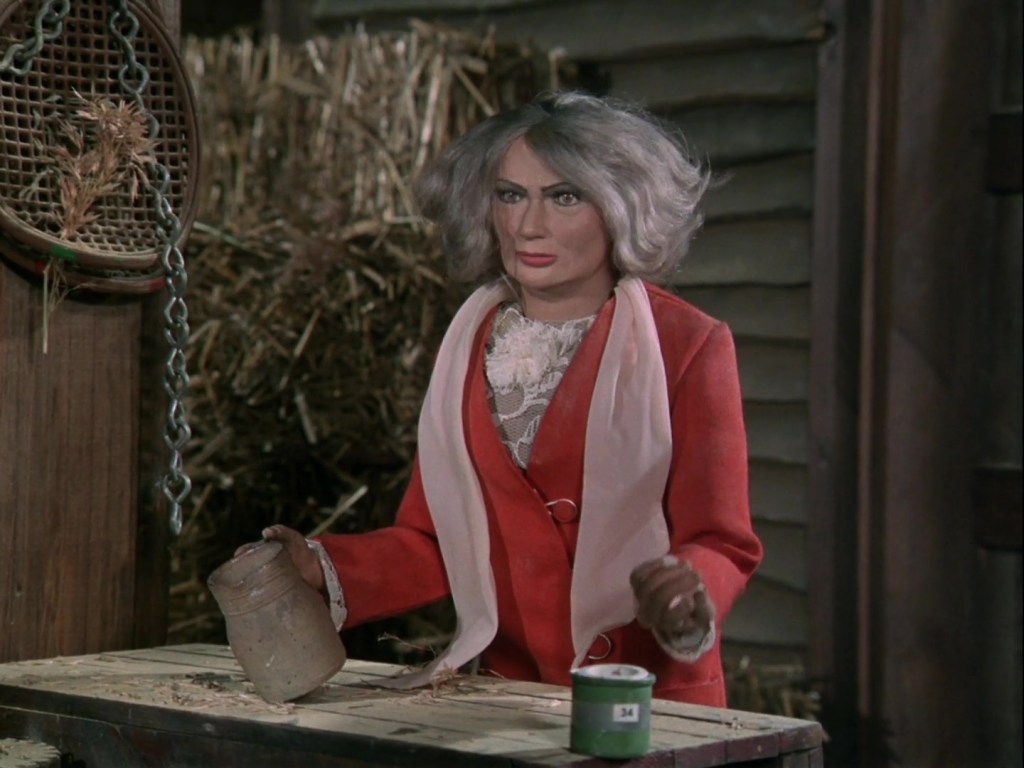
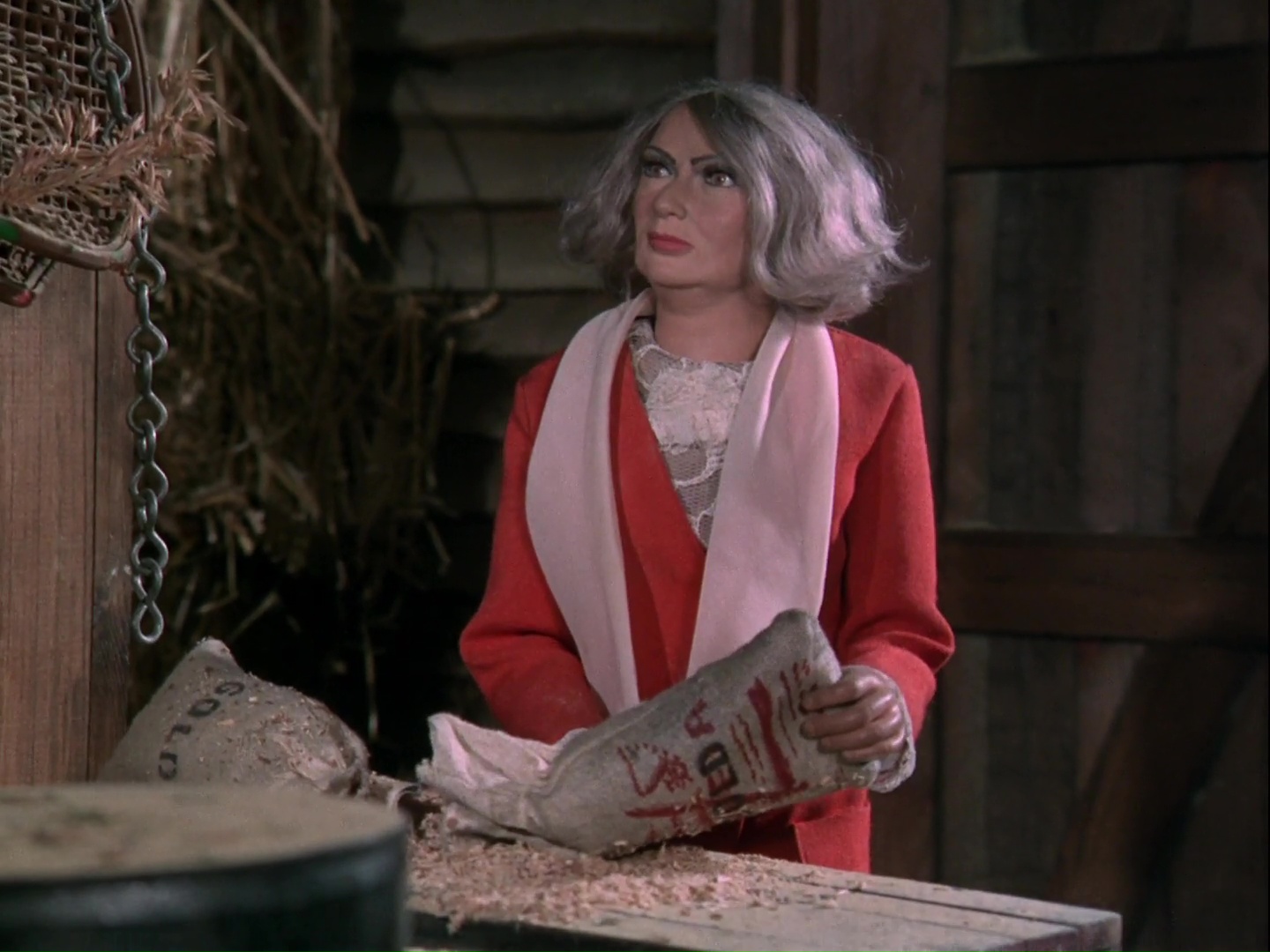
Without batting an eyelid, Lady Martha manages to break her left wrist while throwing stuff all over the barn… or the puppet’s arm got twisted around and they couldn’t be bothered to film it again.

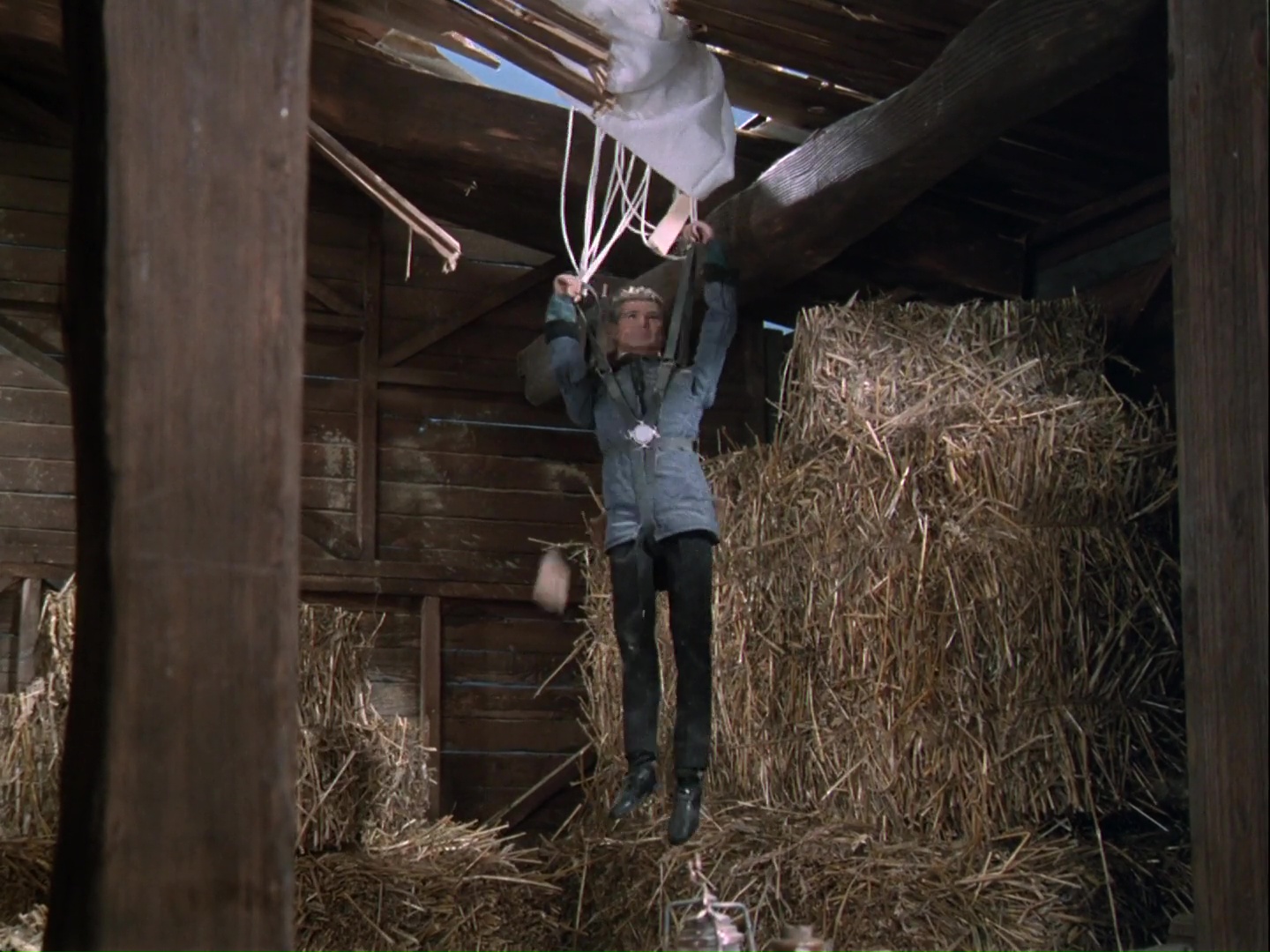
Mullins’ unconventional arrival through the roof of the barn is another glorious moment, expertly puppeteered. It’s funny to think that in the days of Captain Scarlet, the crew were afraid to even show one of the realistically-proportioned puppets walking for fear of it looking silly. Now look at what they can do!
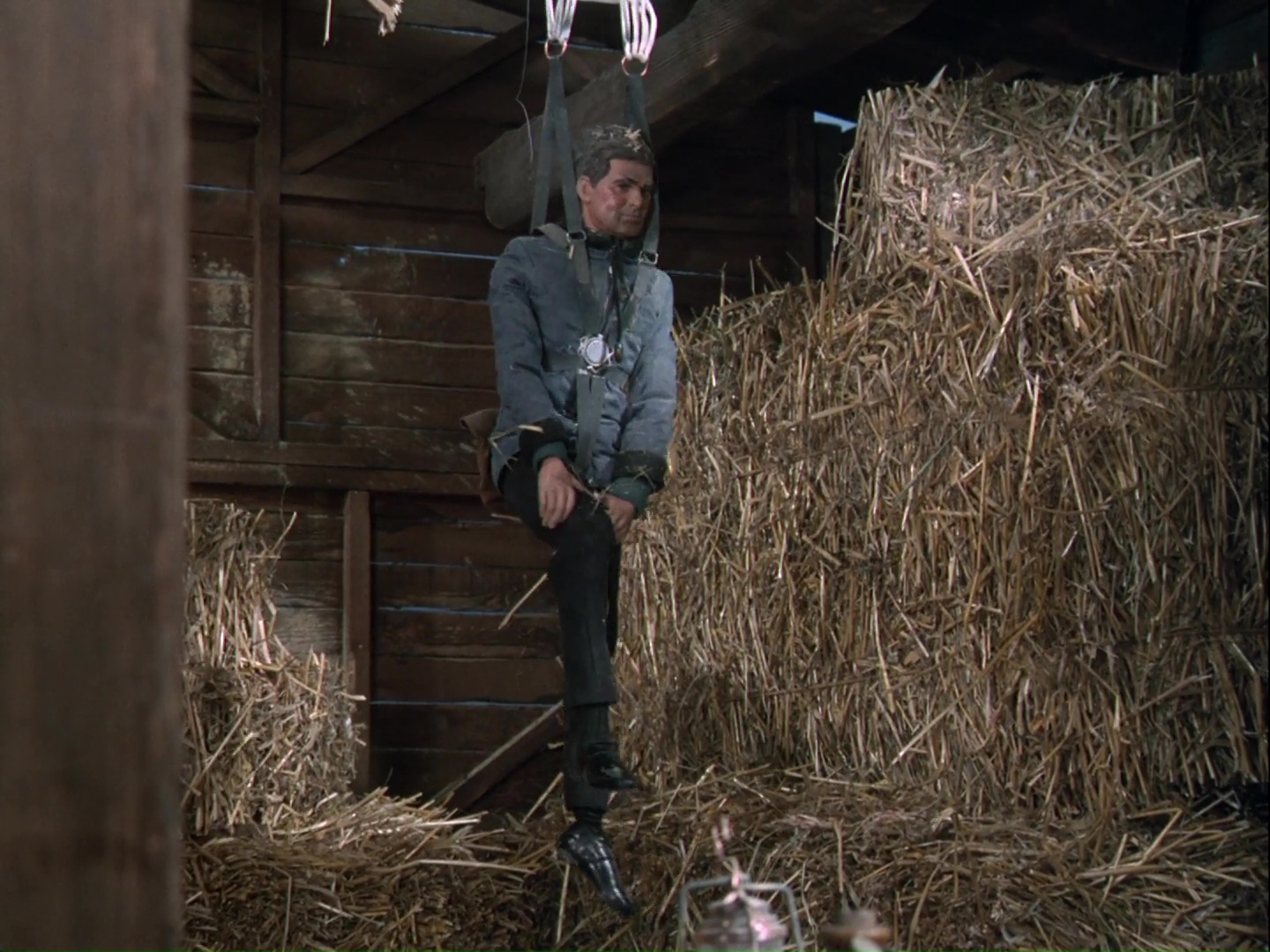
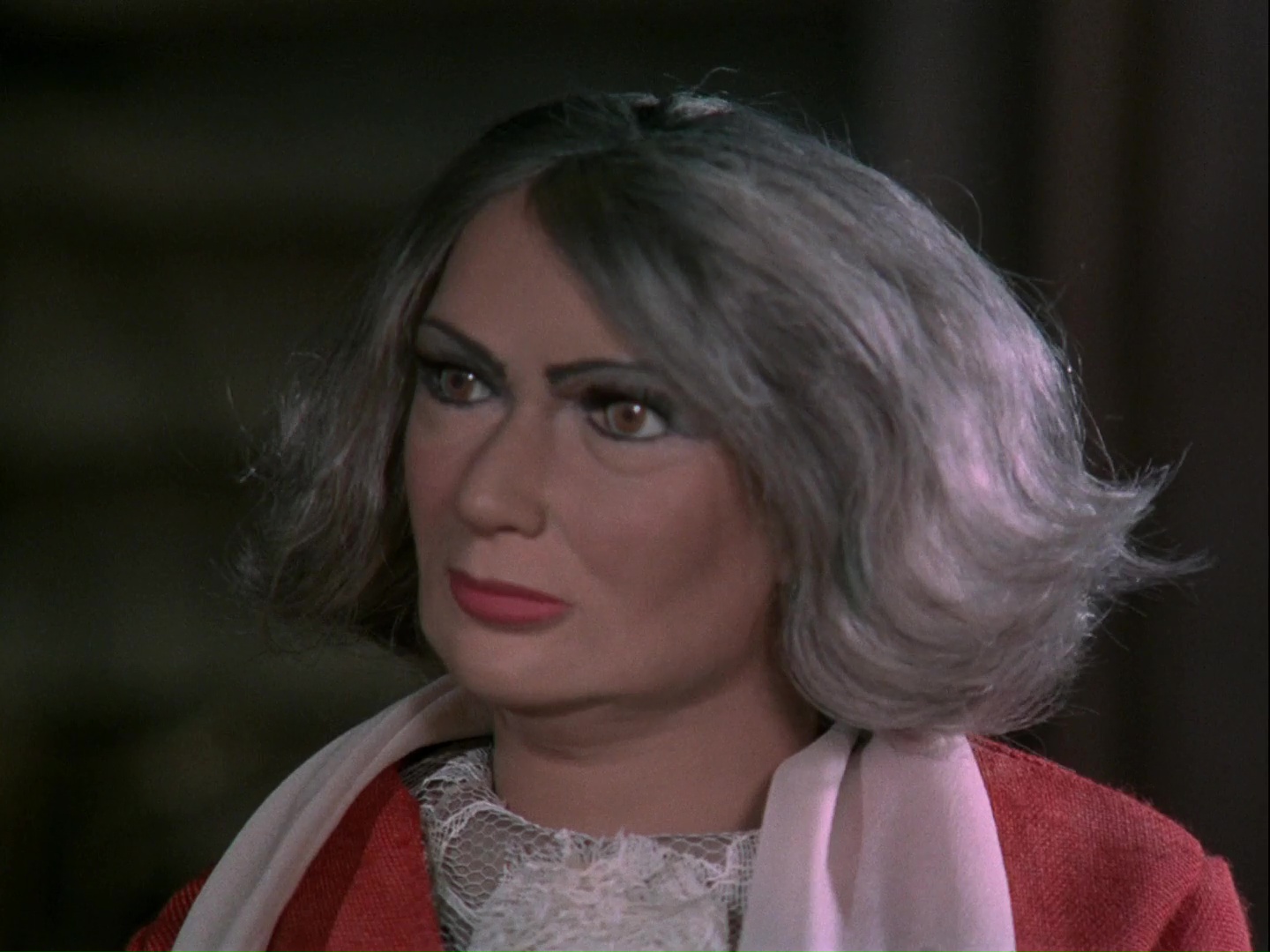
Just like her brother, Martha doesn’t have an awful lot of sympathy for people with broken limbs, and simply wants to find the plate. I’ll be honest, I’m still rooting for her to find it too.
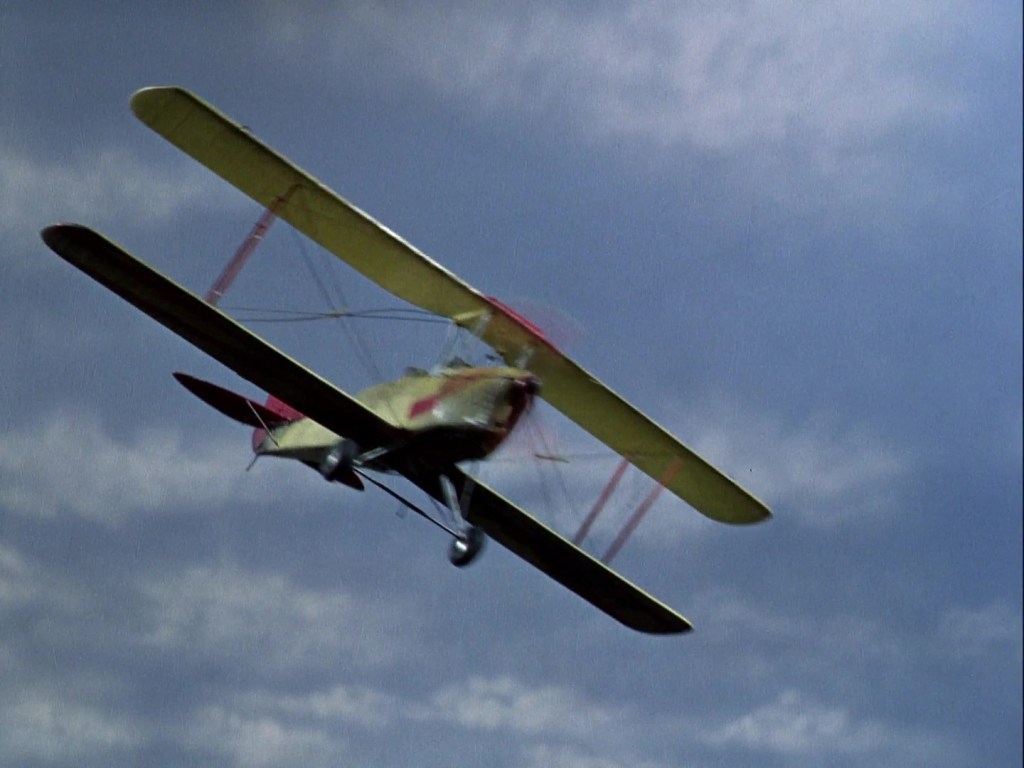
Bravo to the effects department for making these daft flying sequences look reasonably dramatic.
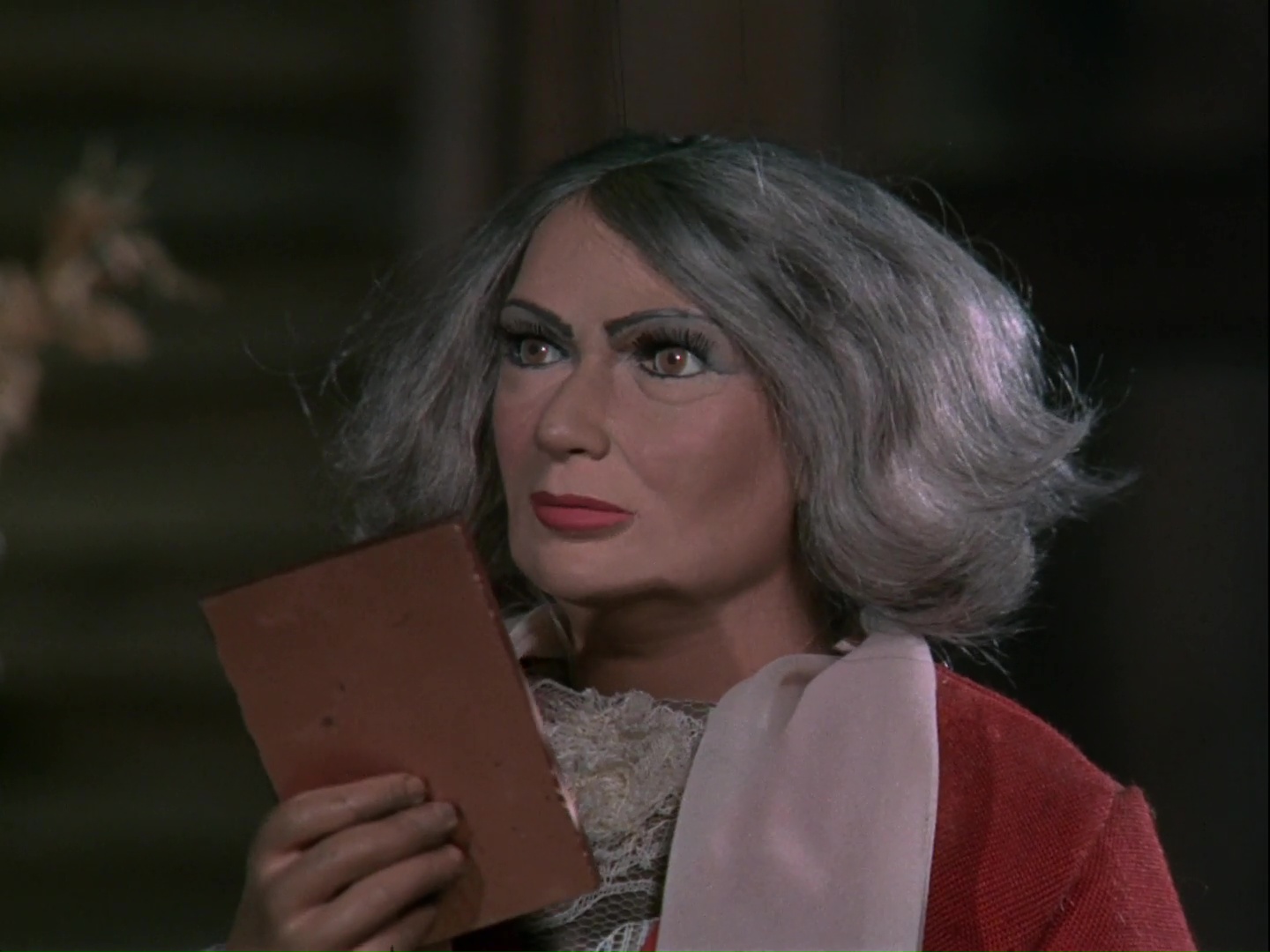
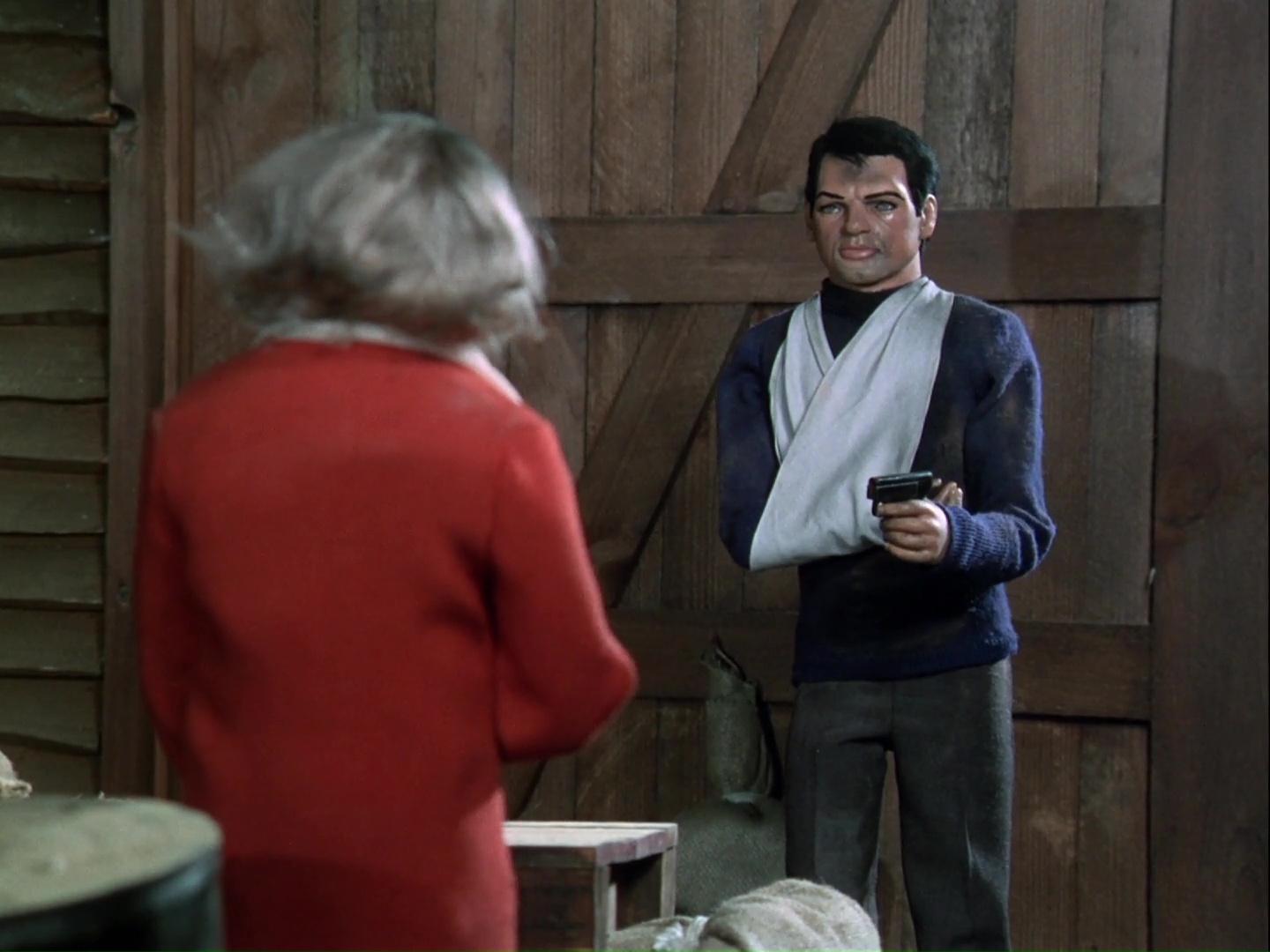
The plate is found! Glad it was still there. That would have been quite the disappointment if it haddn’t been. Unfortunately for Lady Martha, Spiker’s luck has finally turned. With Lady Martha’s musket still in the crashed car, Spiker’s the only one who decided to bring a gun to the party so he gains the upper hand. Gosh, the upper hand in this episode has been passed around more times than Lady Martha at a family reunion…
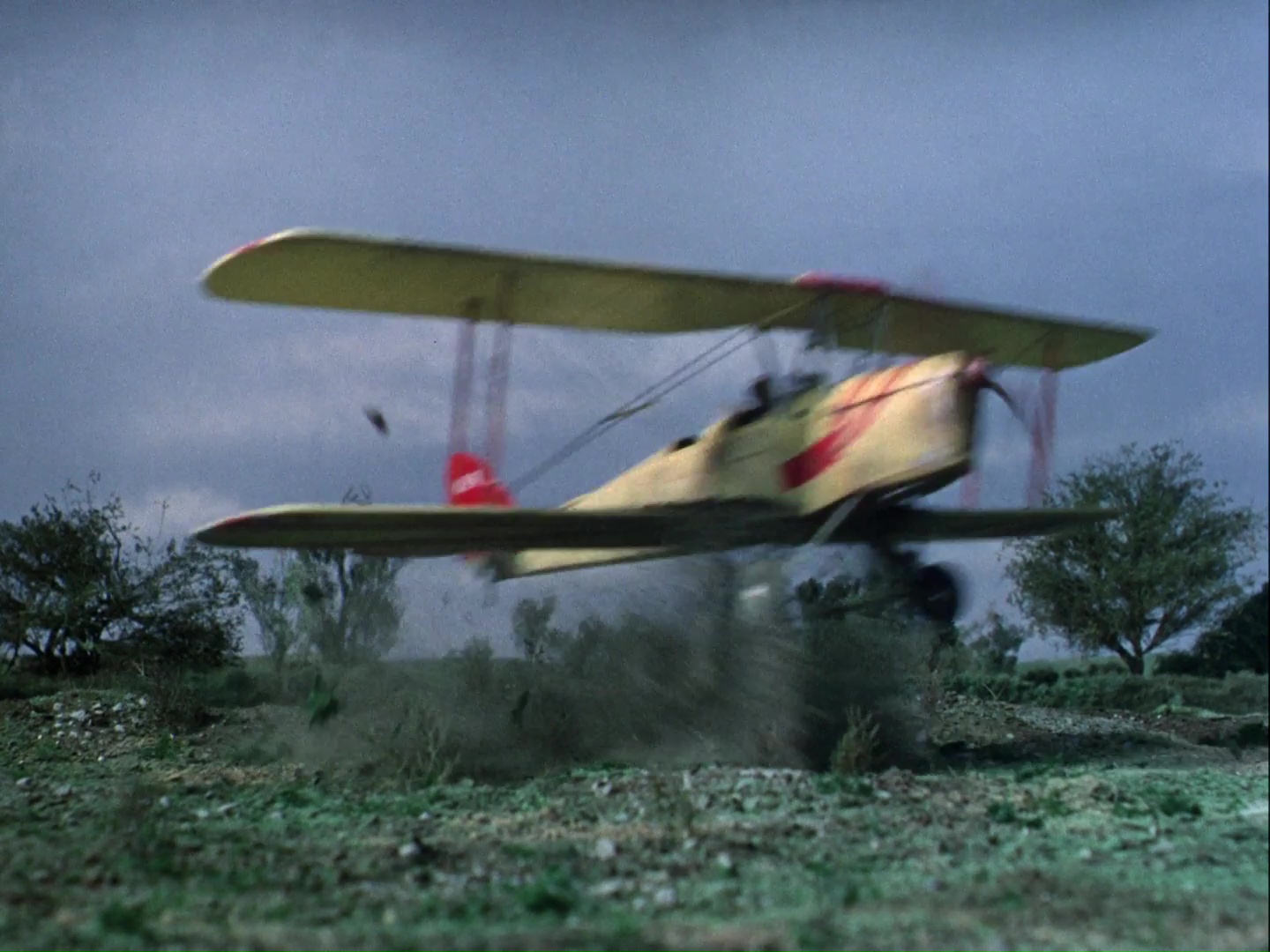
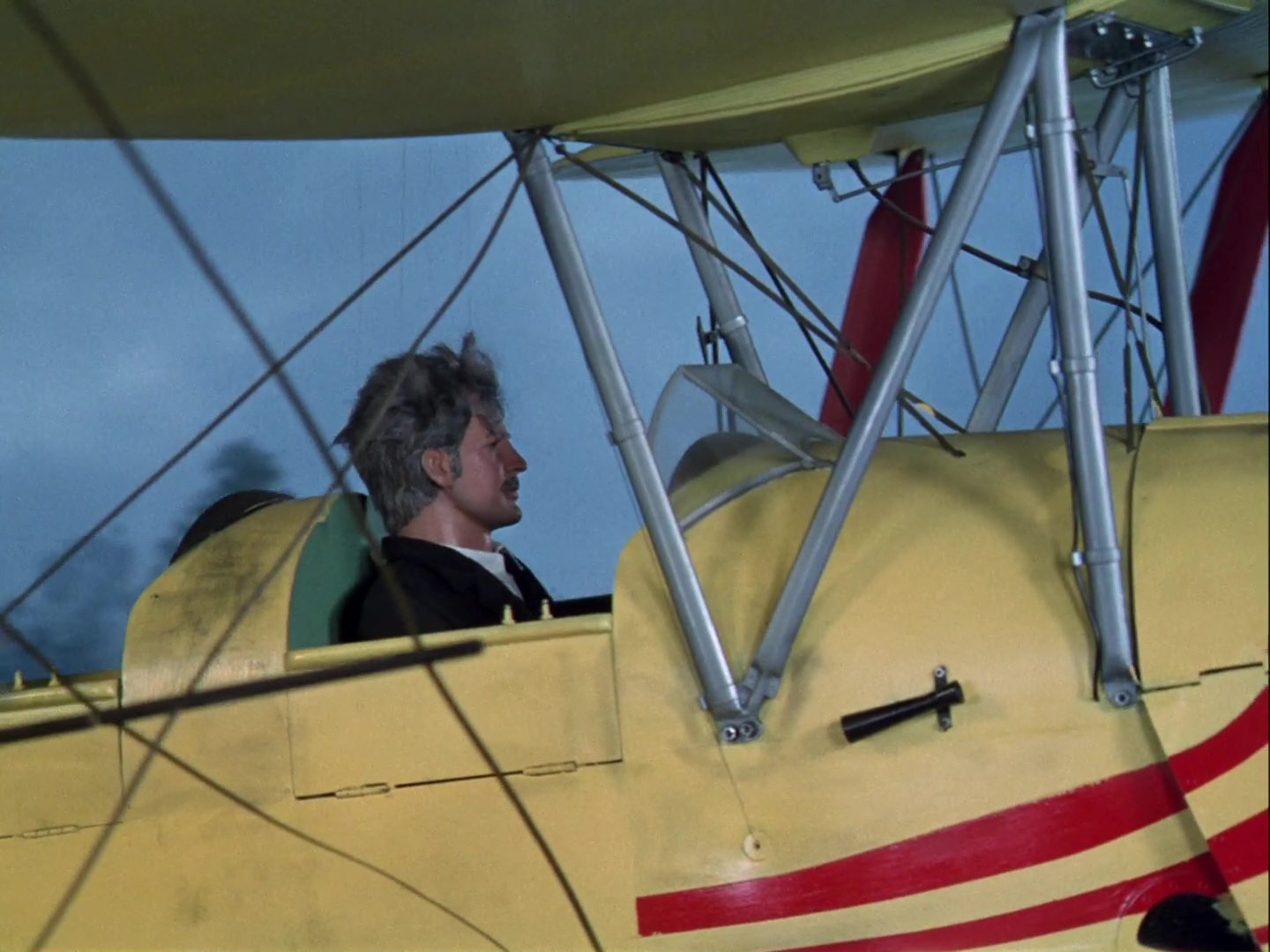

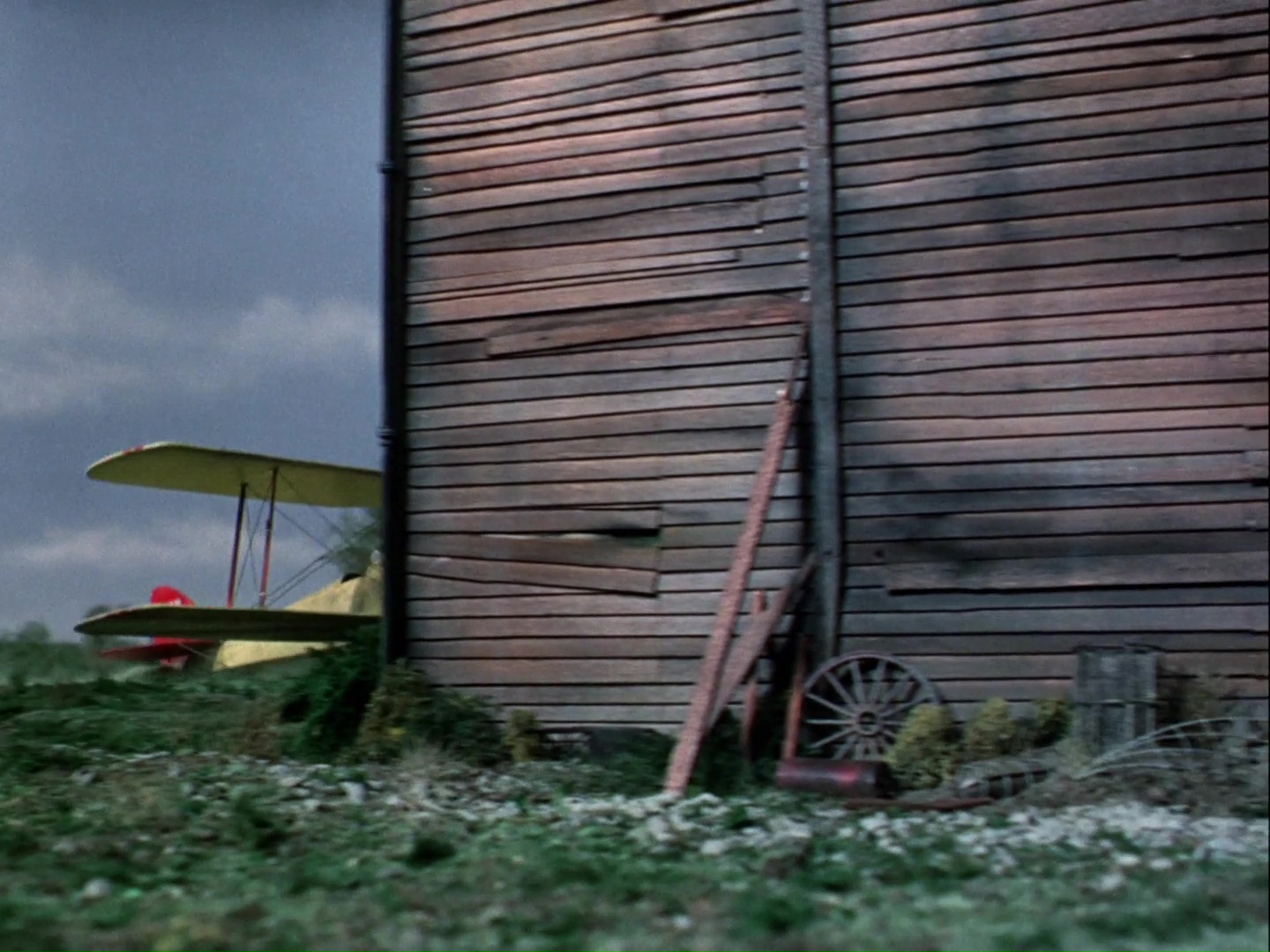
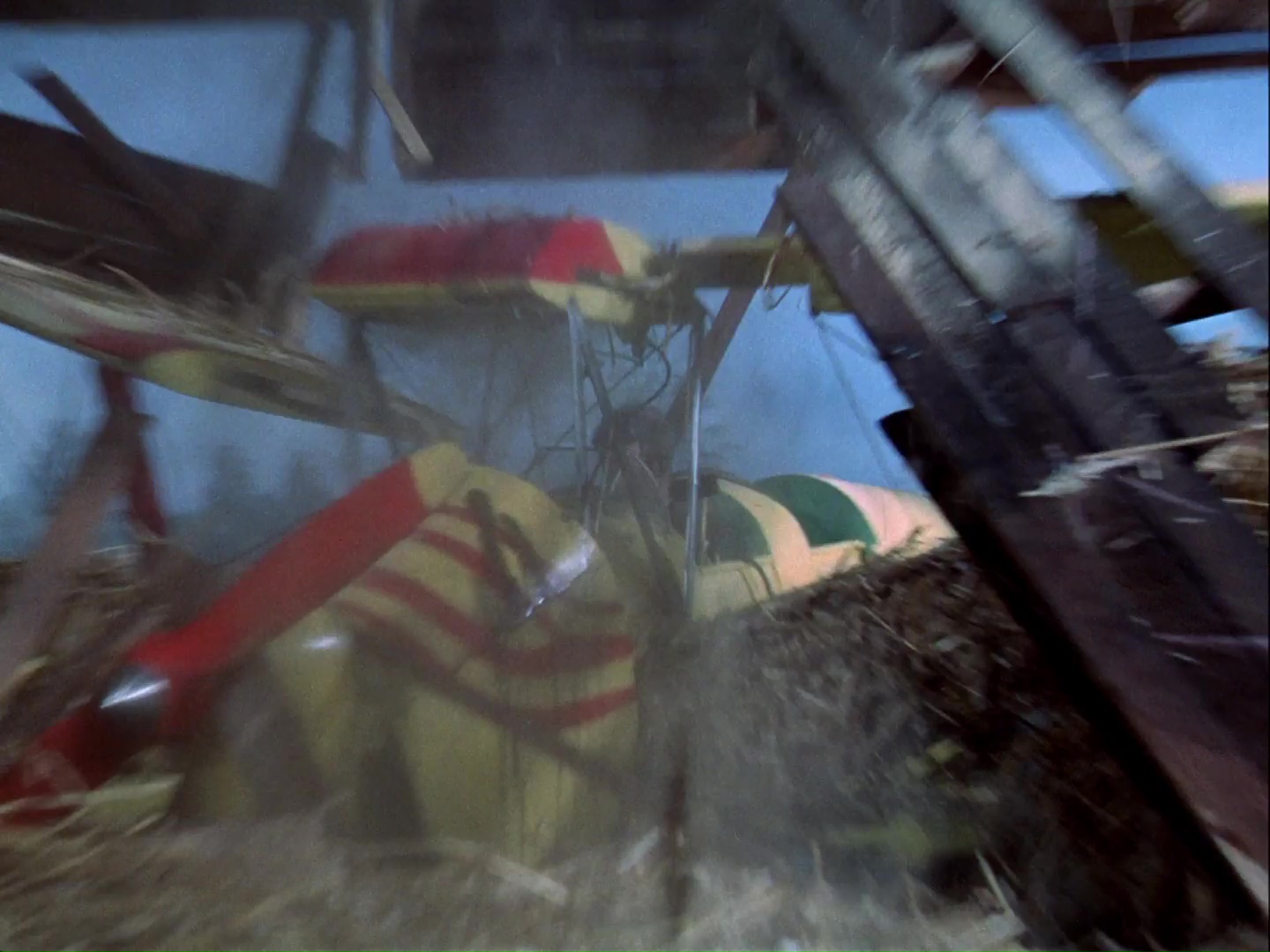
Y’know what? I actually think it’s funnier that we only hear the plane crashing through the barn without properly seeing it. Sure, I wouldn’t have minded a big spectacular explosion as the model crashed through the wall, but it doesn’t feel like the complete cop-out that we had when the RM1 “hit” the radar truck at the end of May-Day, May-Day!. Tonally, it fits this episode to only hear amusing sound effects before cutting to the devastation left inside the barn.
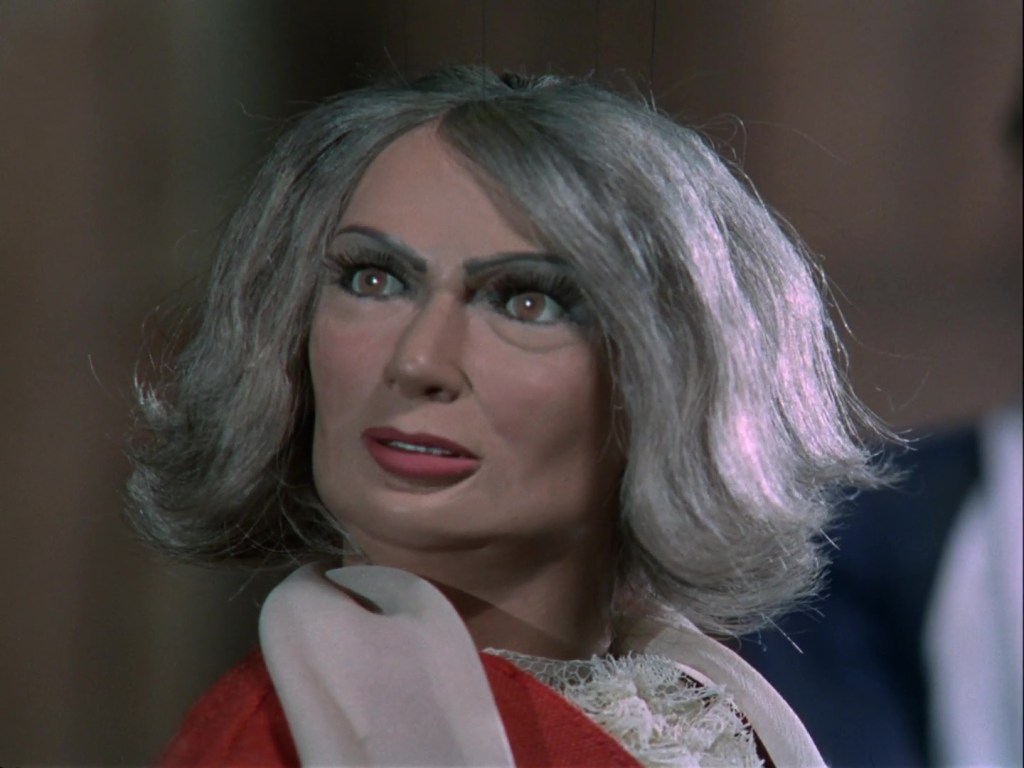
Martha isn’t too thrilled by her brother’s re-appearance in the plot.
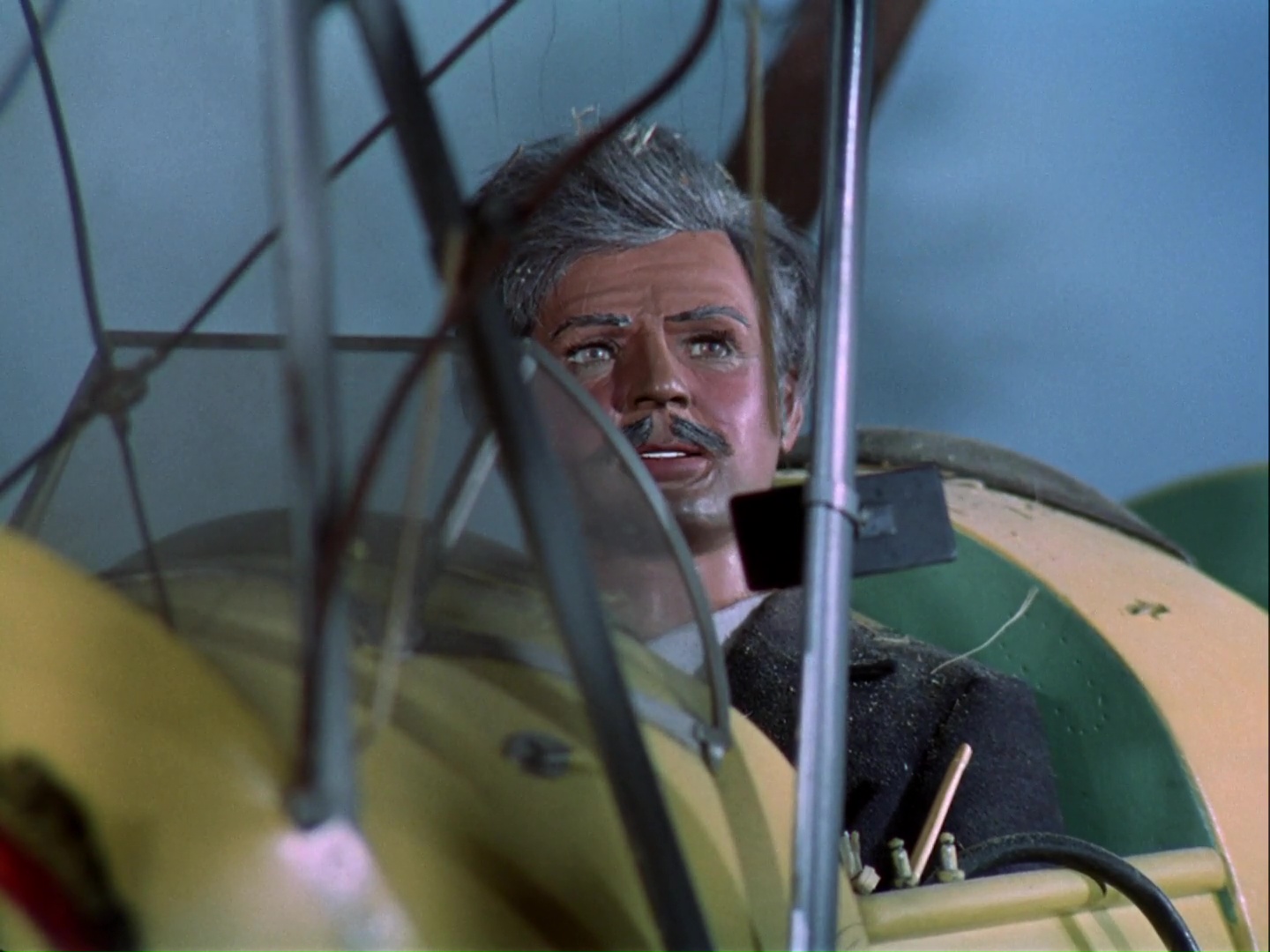
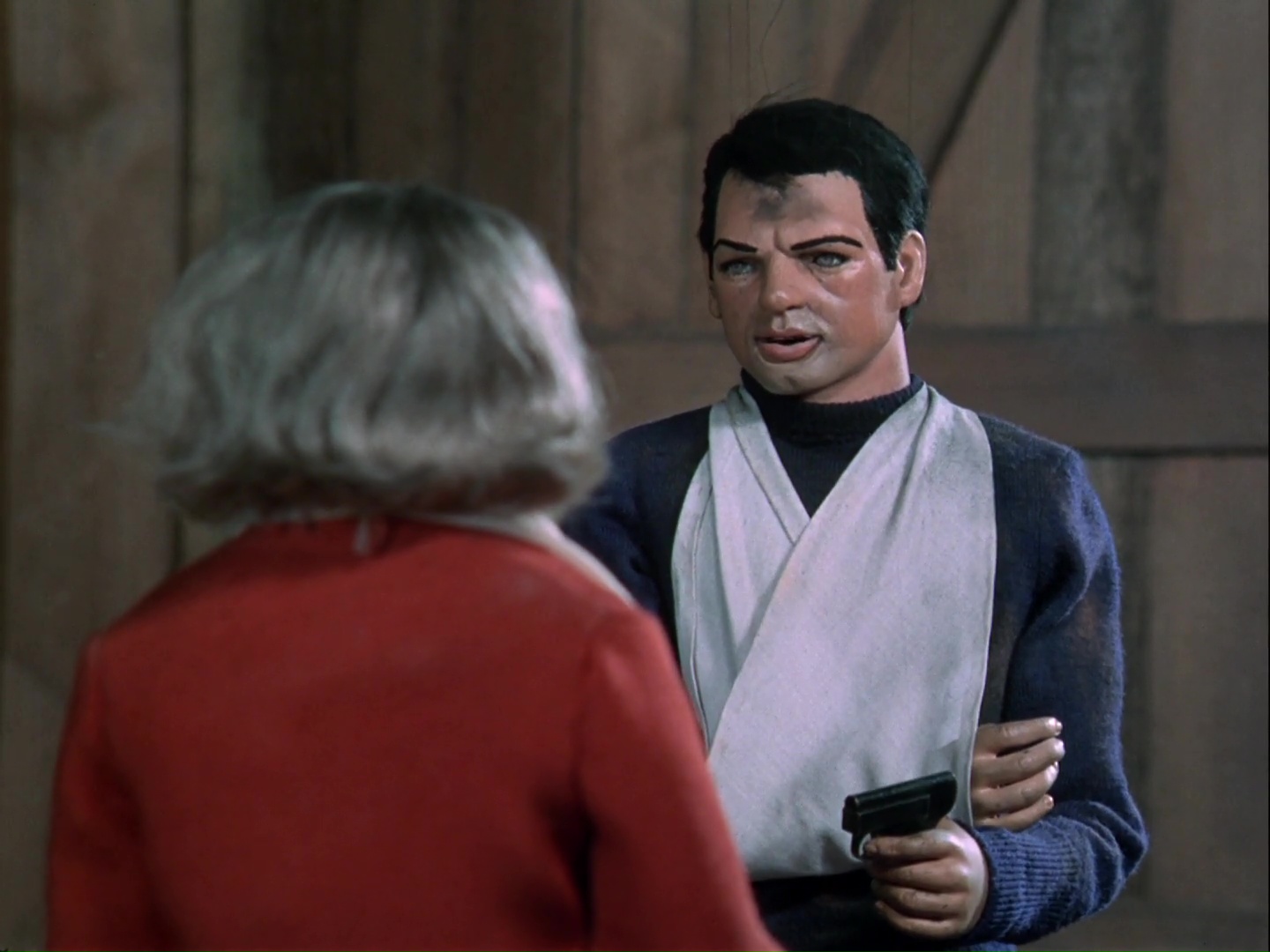
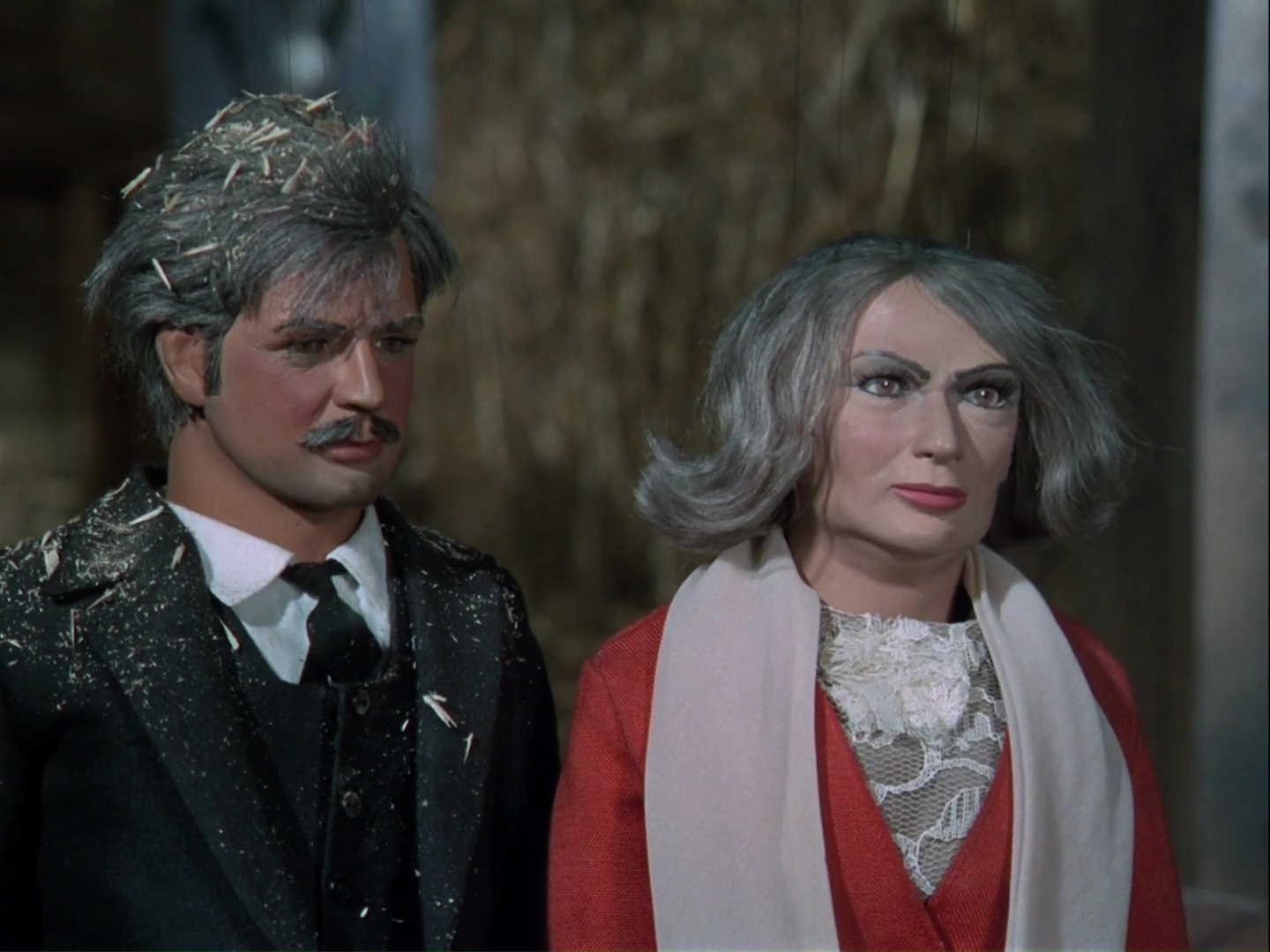
Naturally, Edward attempts to laugh the whole thing off despite the fact he’s basically tried to screw over everyone else involved at some point in the last 20 minutes of screen time. But now Spiker is in control – a complete shift in the power dynamic since he was, frankly, the least likely of the four to get very far in this endeavour… at least in my opinion. You might have seen something in the dumb crybaby that I didn’t.
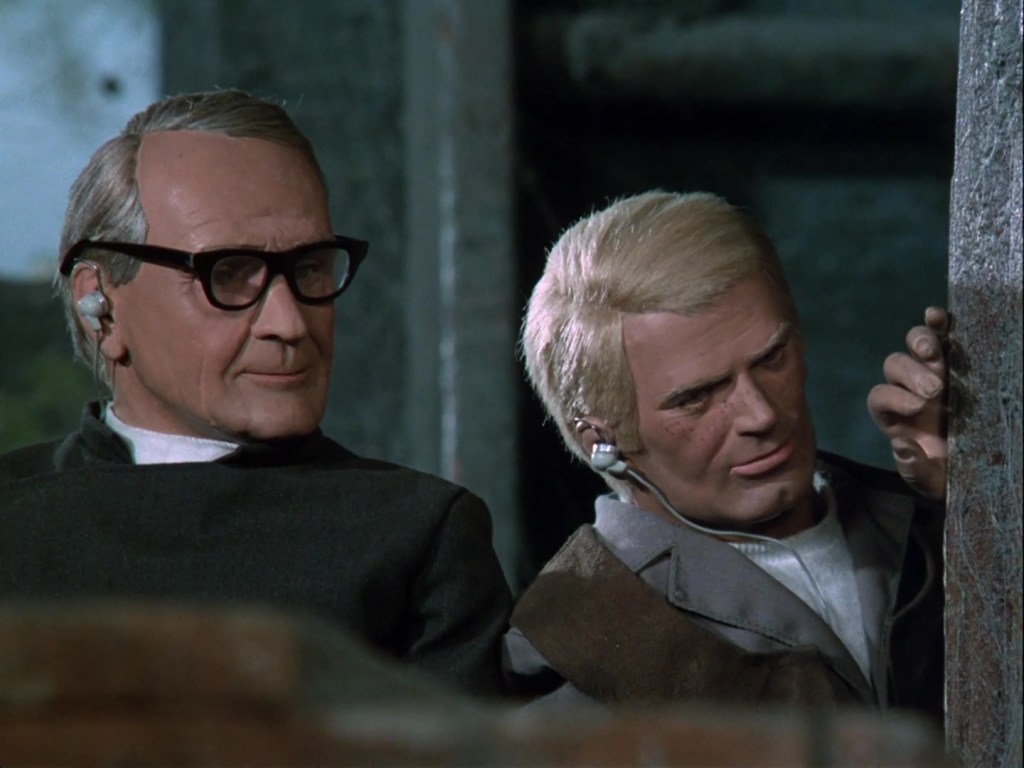
At long last, Father Unwin and Matthew are in position and ready to stir the pot, and blow this episode wide open…
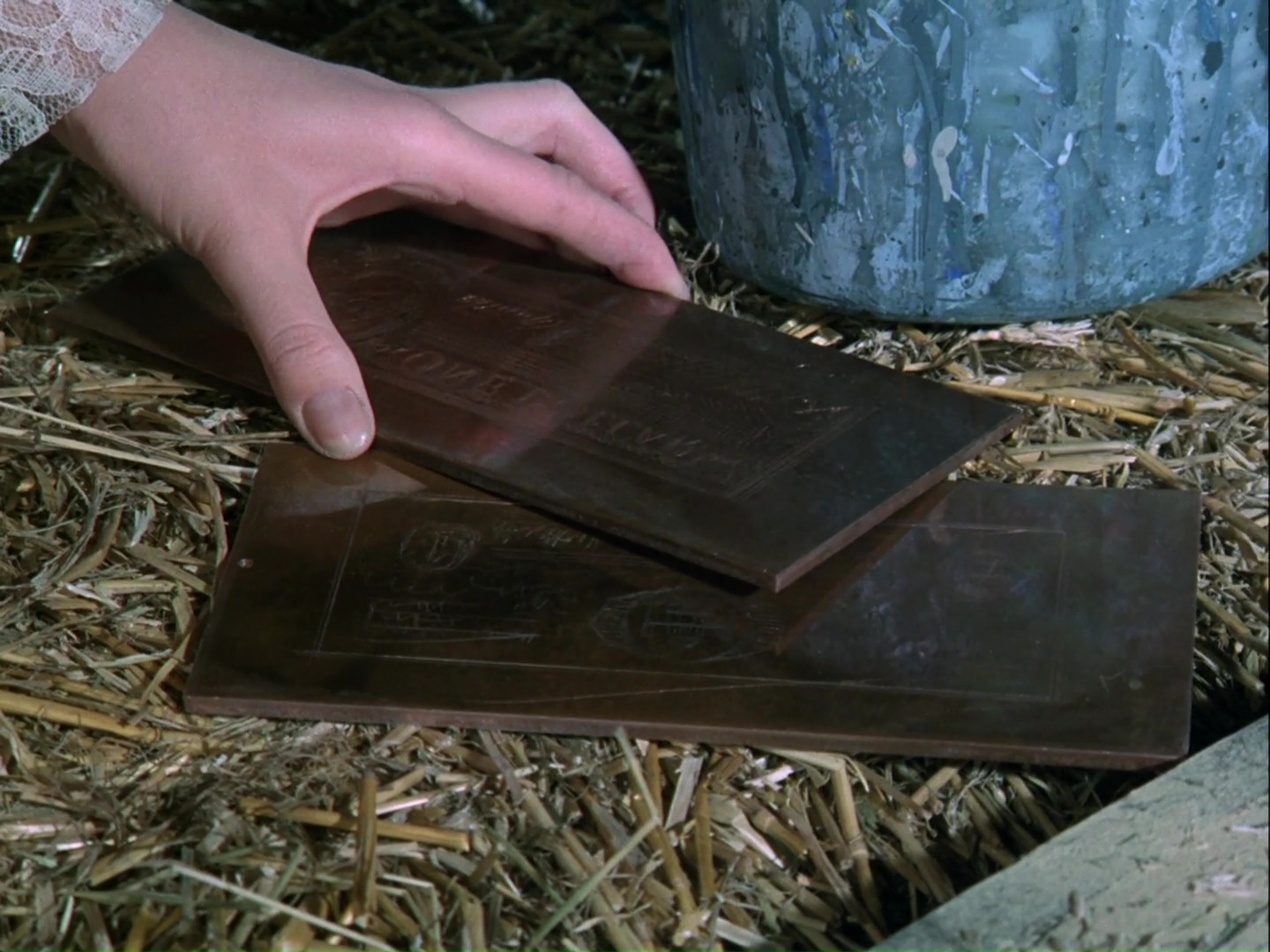
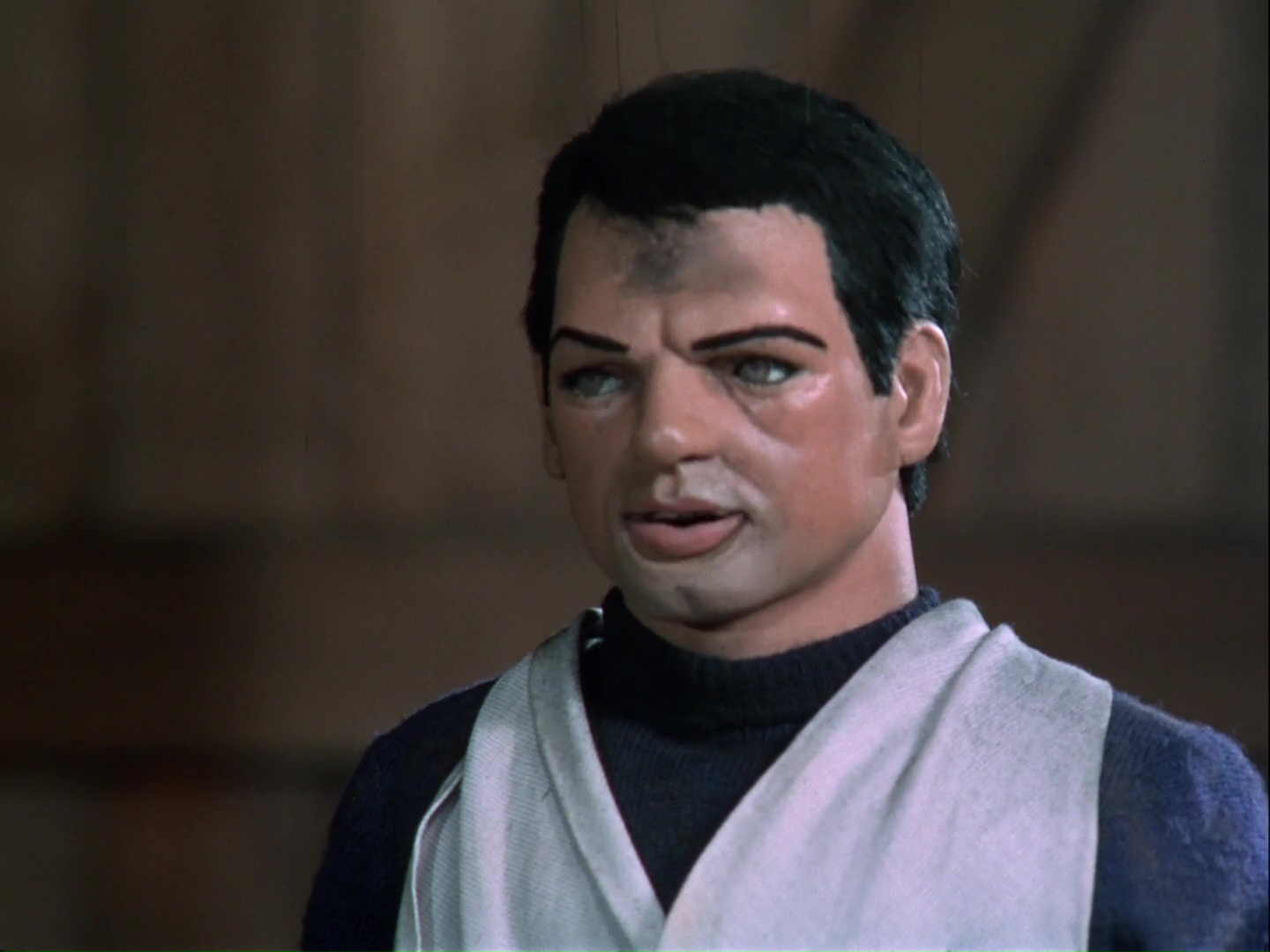
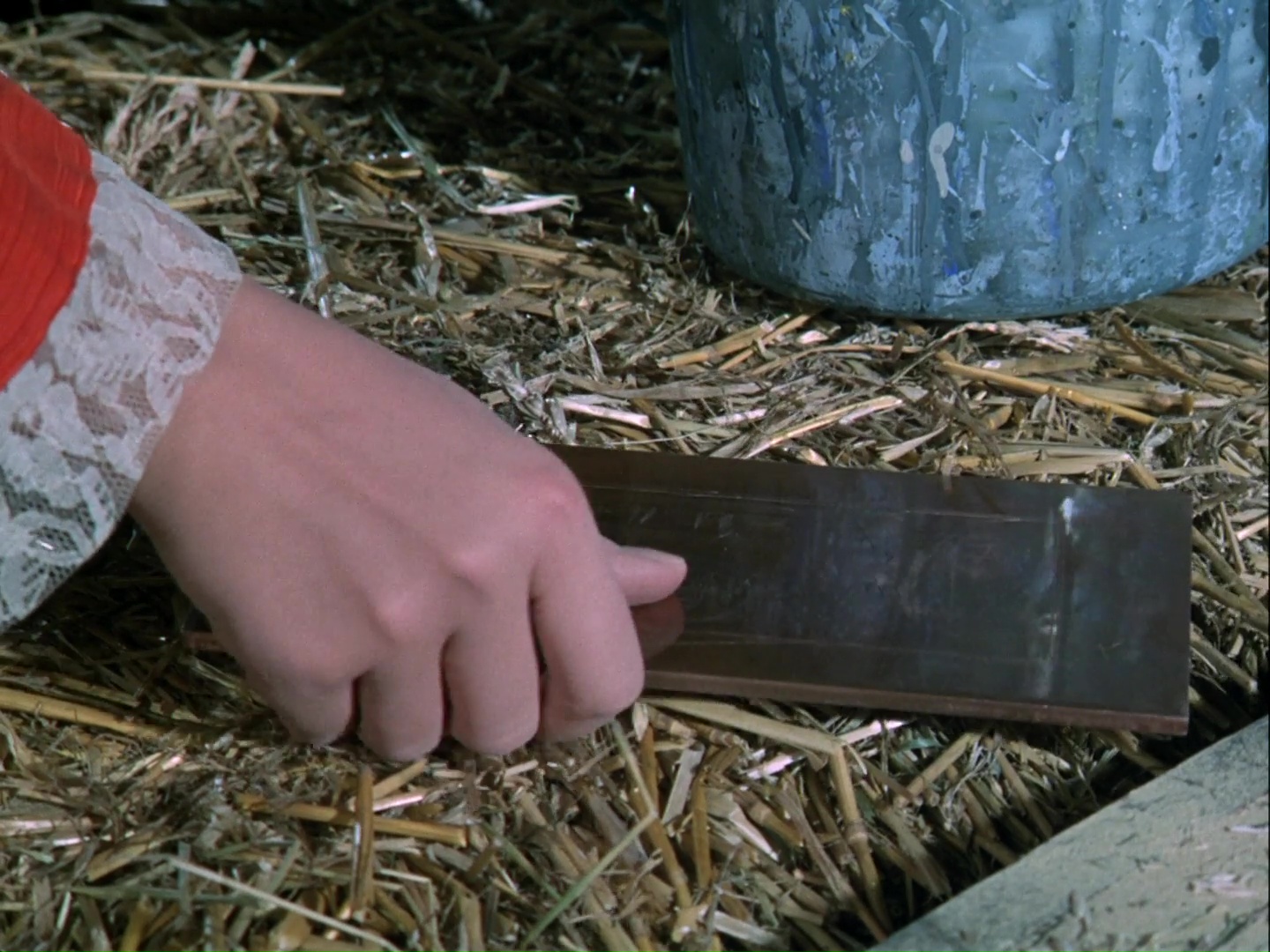
The Hazelwells are forced to admit defeat and both plates are laid out on a hay bale for Spiker to take with him. I hope he’s able to make a bucket load of cash off them and retire to the seaside or something nice like that.
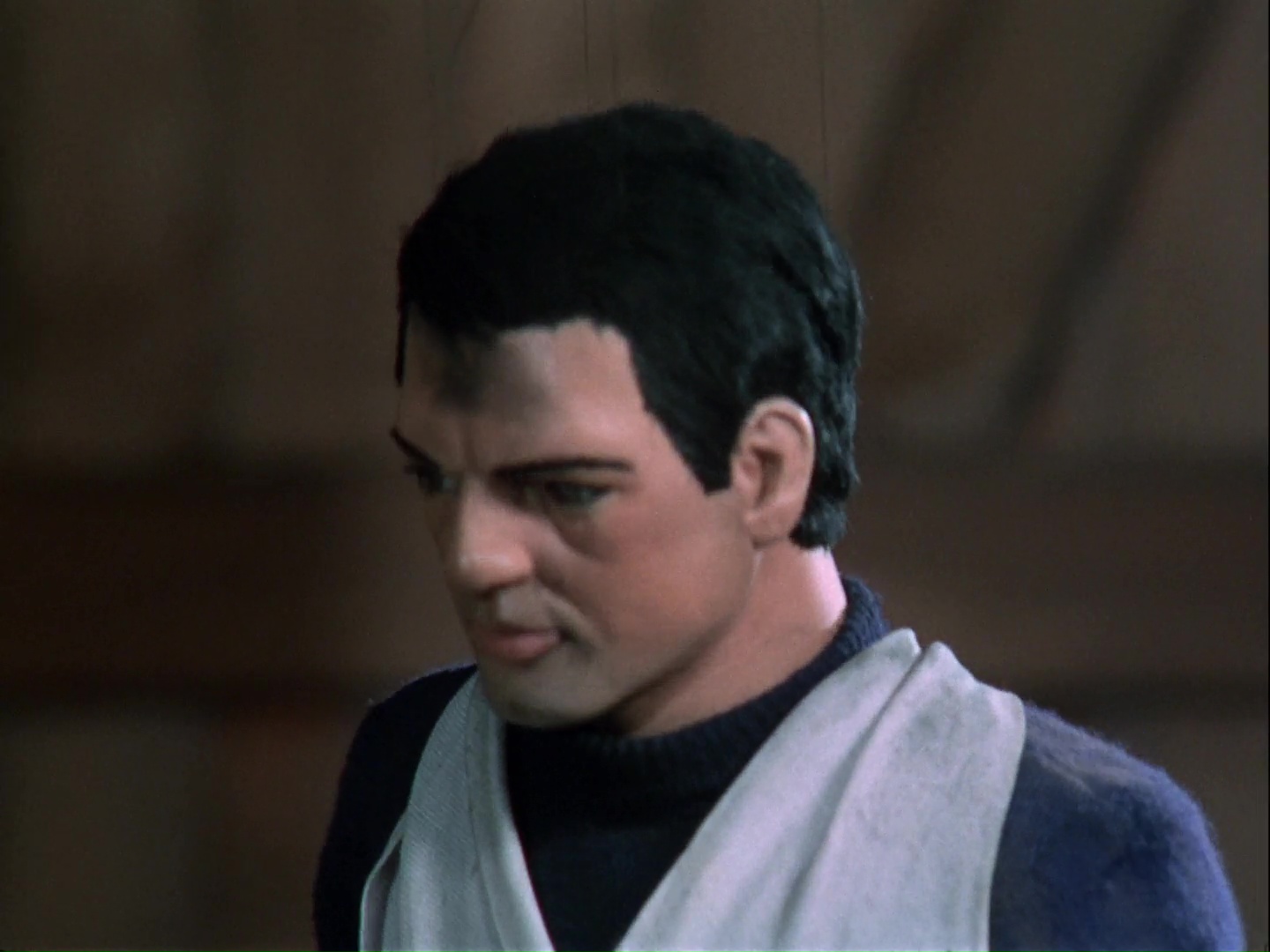
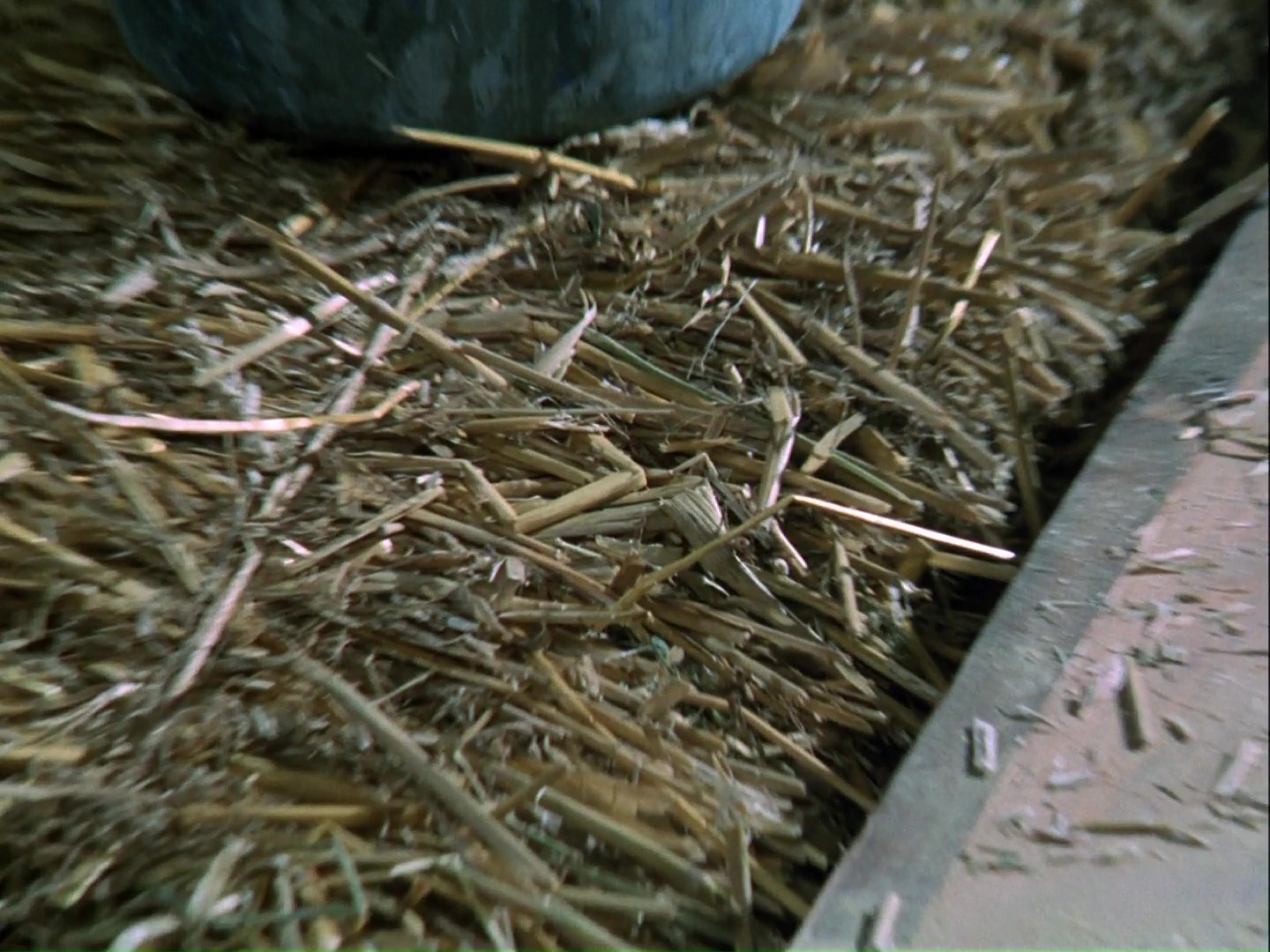
But then, all those short-lived dreams of retiring to the seaside or something nice like that what I came up with five seconds ago have vanished along with the plates! I can’t help but wonder whether Spiker’s little monologue was supposed to be a little bit longer in the script originally. It seems like a remarkably short moment for Unwin and/or Matthew to swipe the plates which are as big as they are from the hay bale. If an original script does exist out there, someone please share it with the world. Pretty please. I need to know. I don’t have a lot going for me right now.
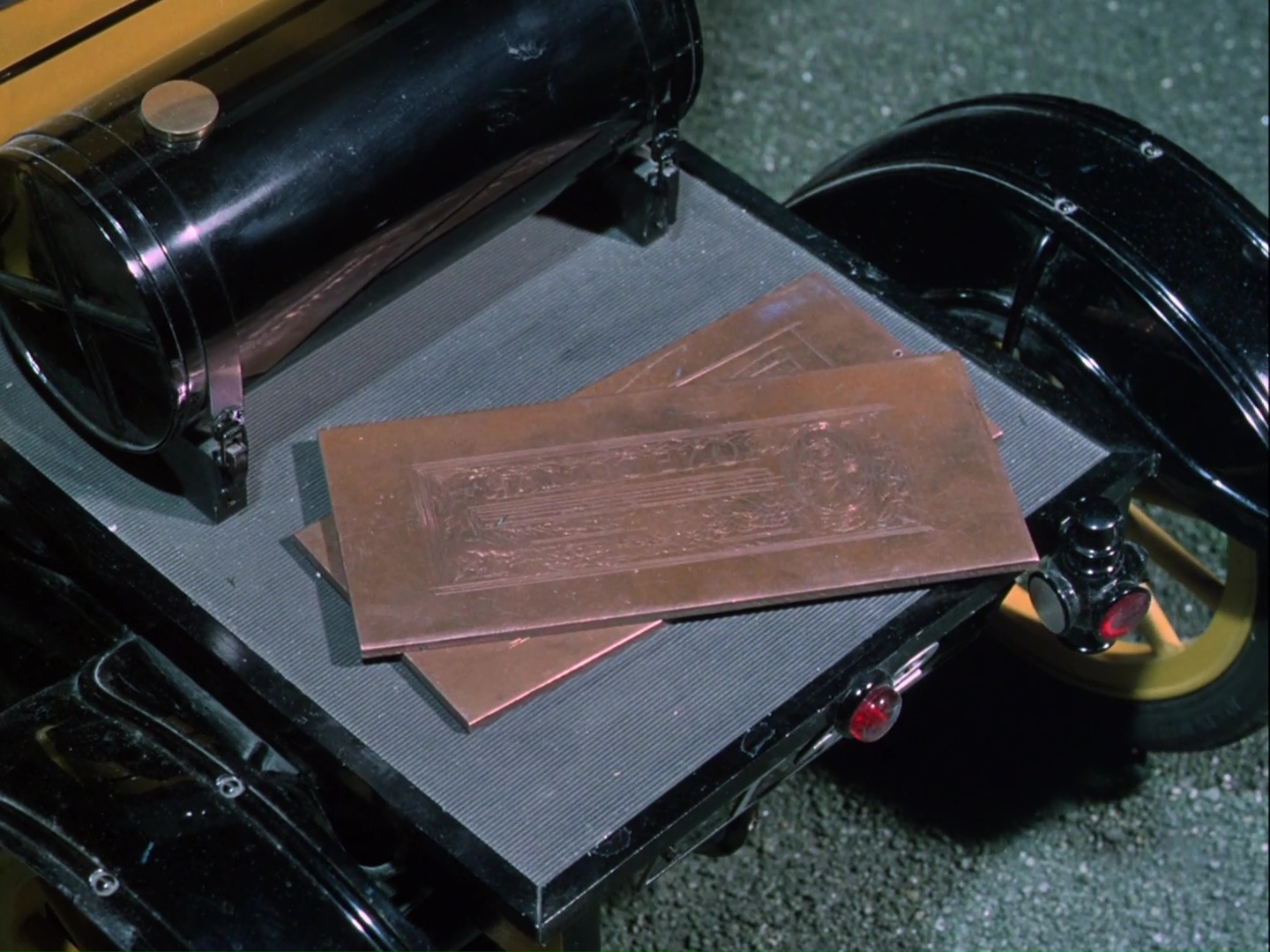

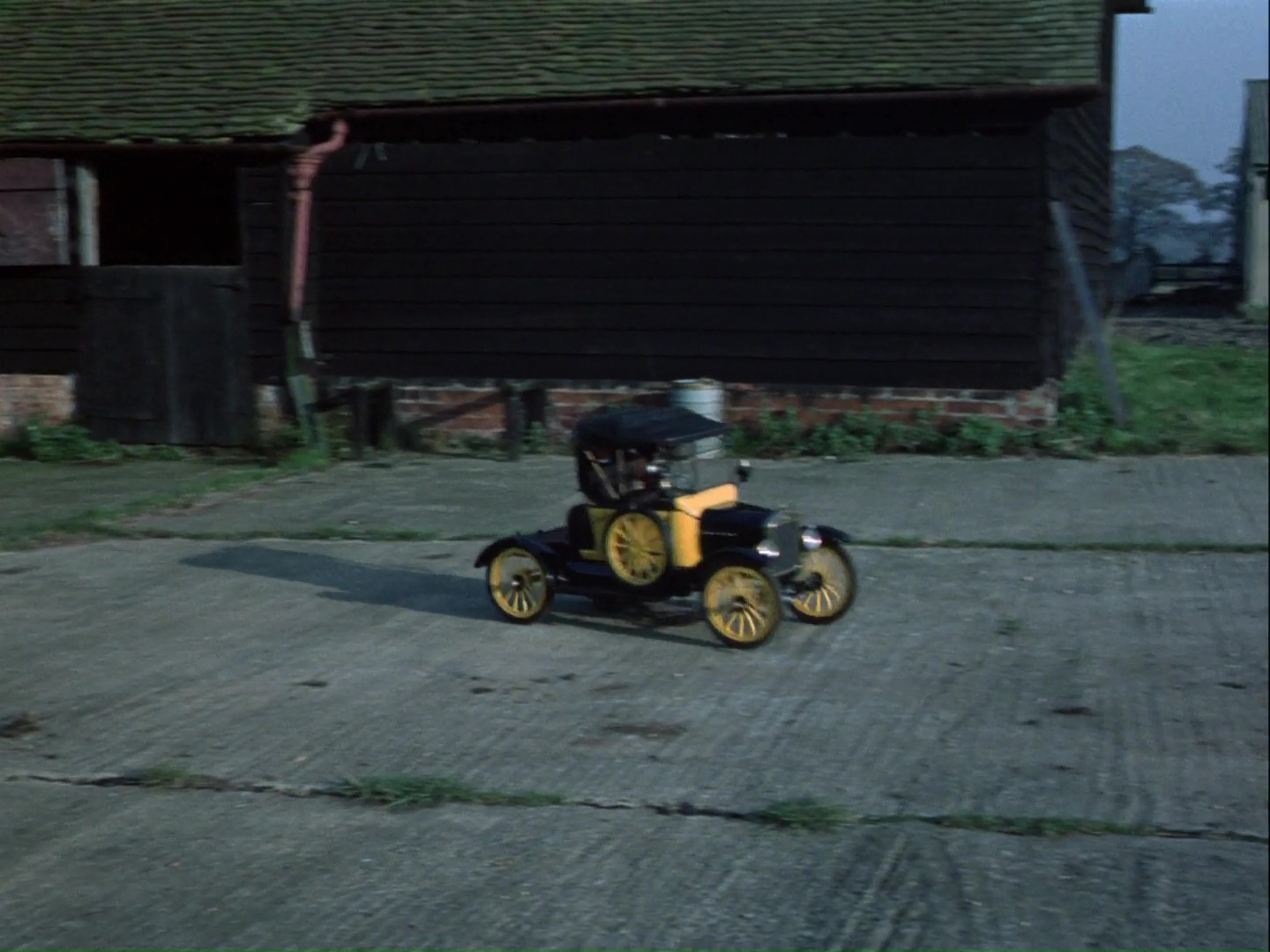
The plates are neatly stashed on the back of Gabriel. The car carries them like a noble steed back towards the farm’s entrance. The whole episode has been building towards this simple moment and by thunder does it feel good. While I would have loved for Unwin and Matthew to play a more significant role in their final adventure, I also love that they win the day with one simple, swift move. It’s a testament to Father Unwin’s more cautious, measured approach which perfectly sums up why he’s an intriguing and enjoyable character to watch.
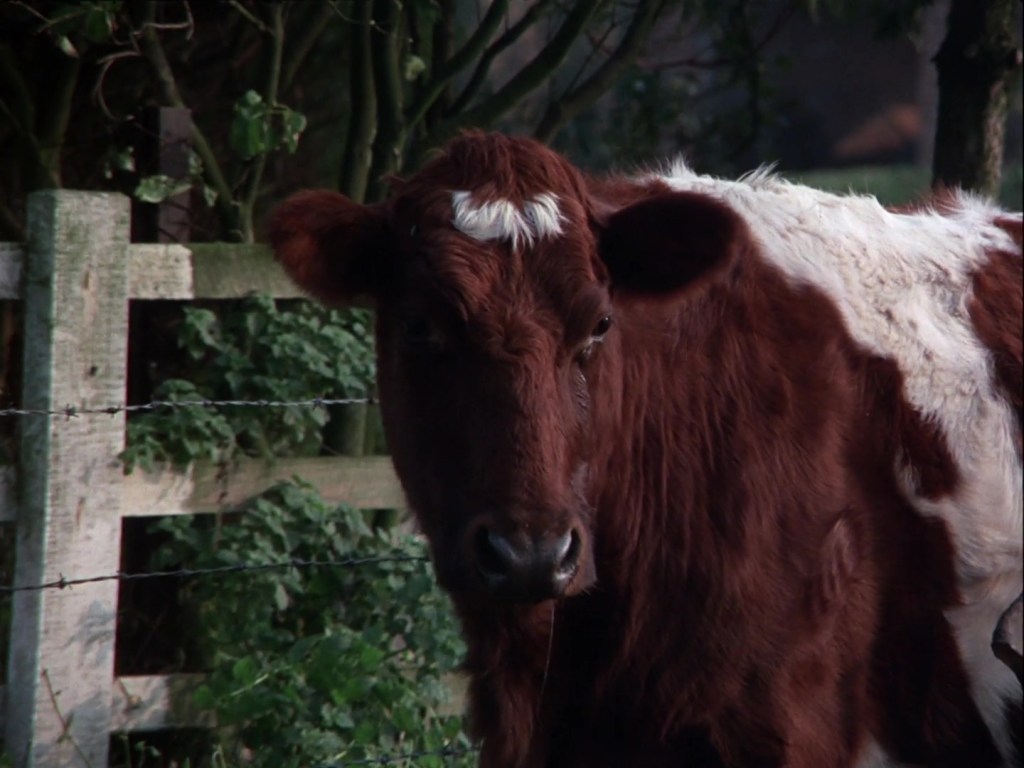
Even the cow is pleased by the result. Goodness me, I do love animal reaction shots.
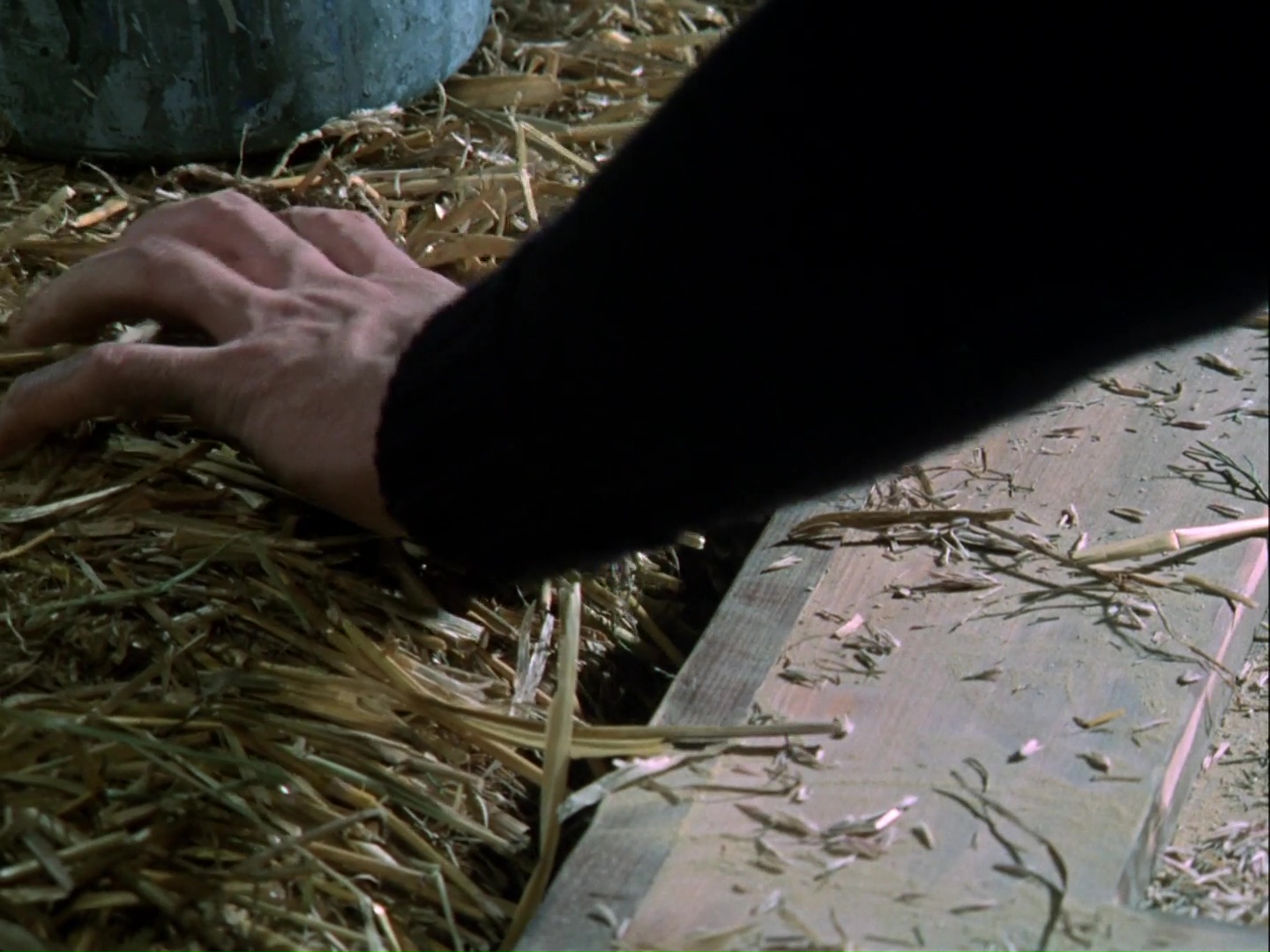
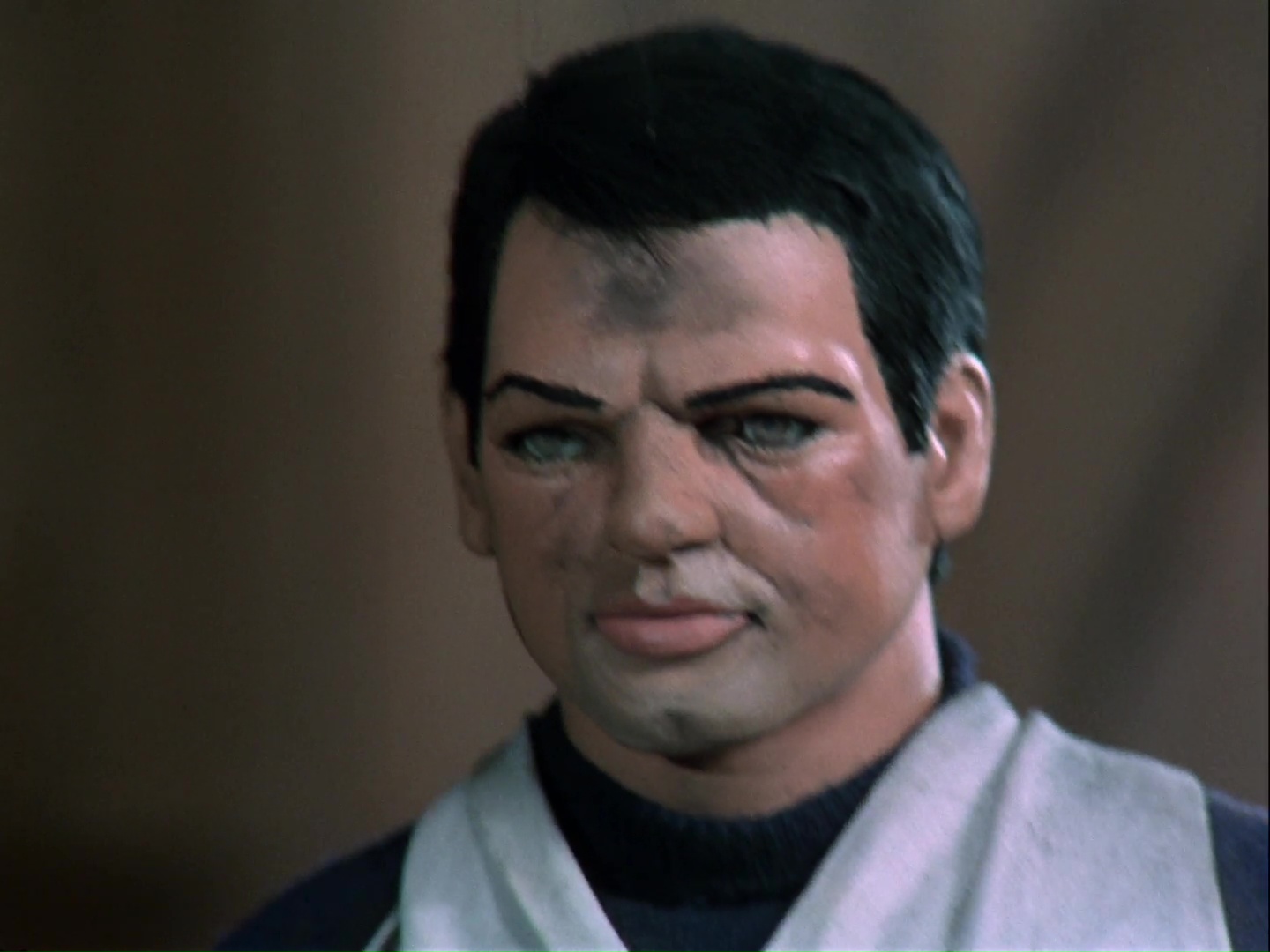
In their final moments, the bewildered villains can only flap about in panic as everything they’ve worked so hard to screw each other over for has been taken away from them. Now that’s justice.
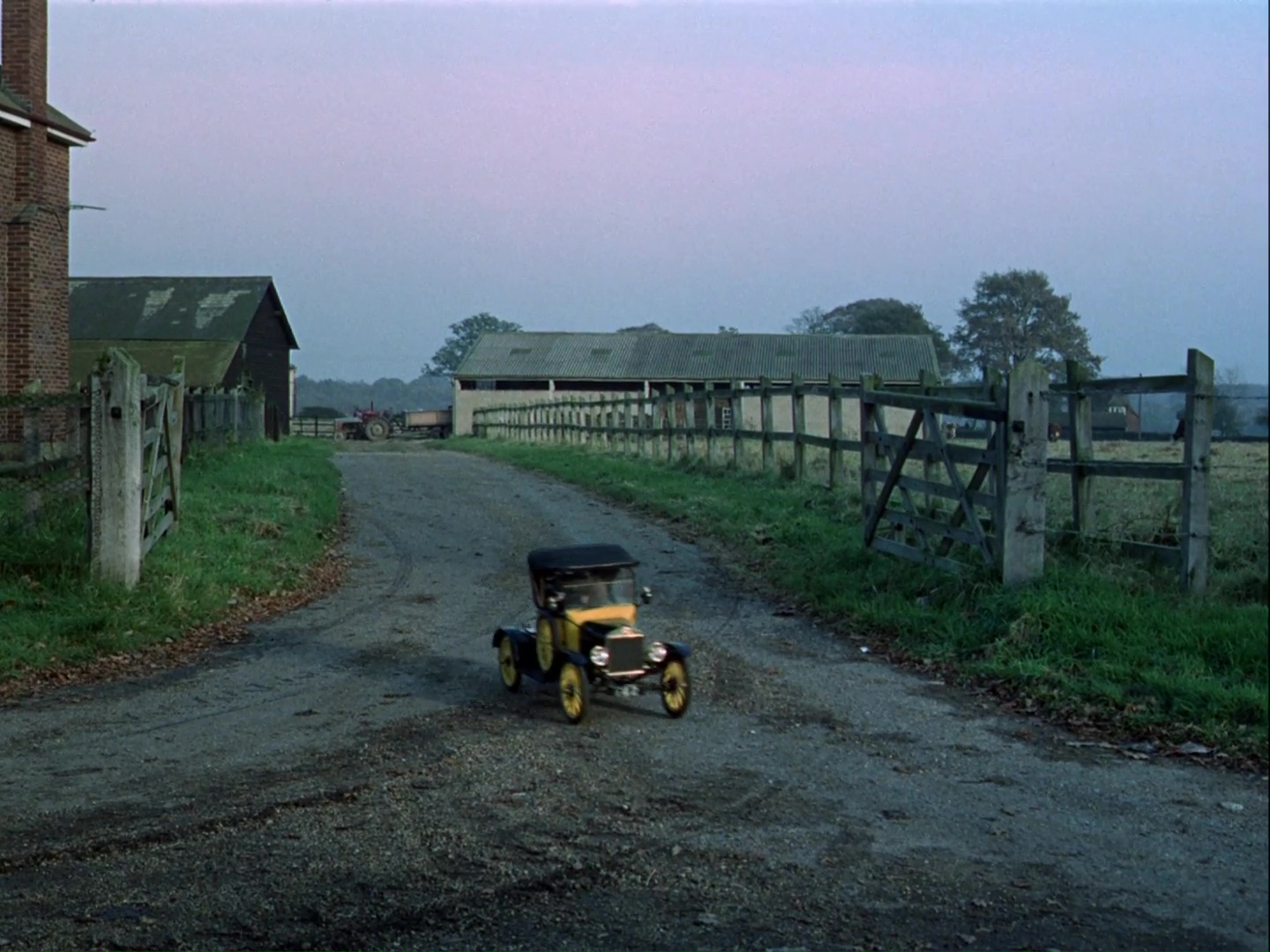
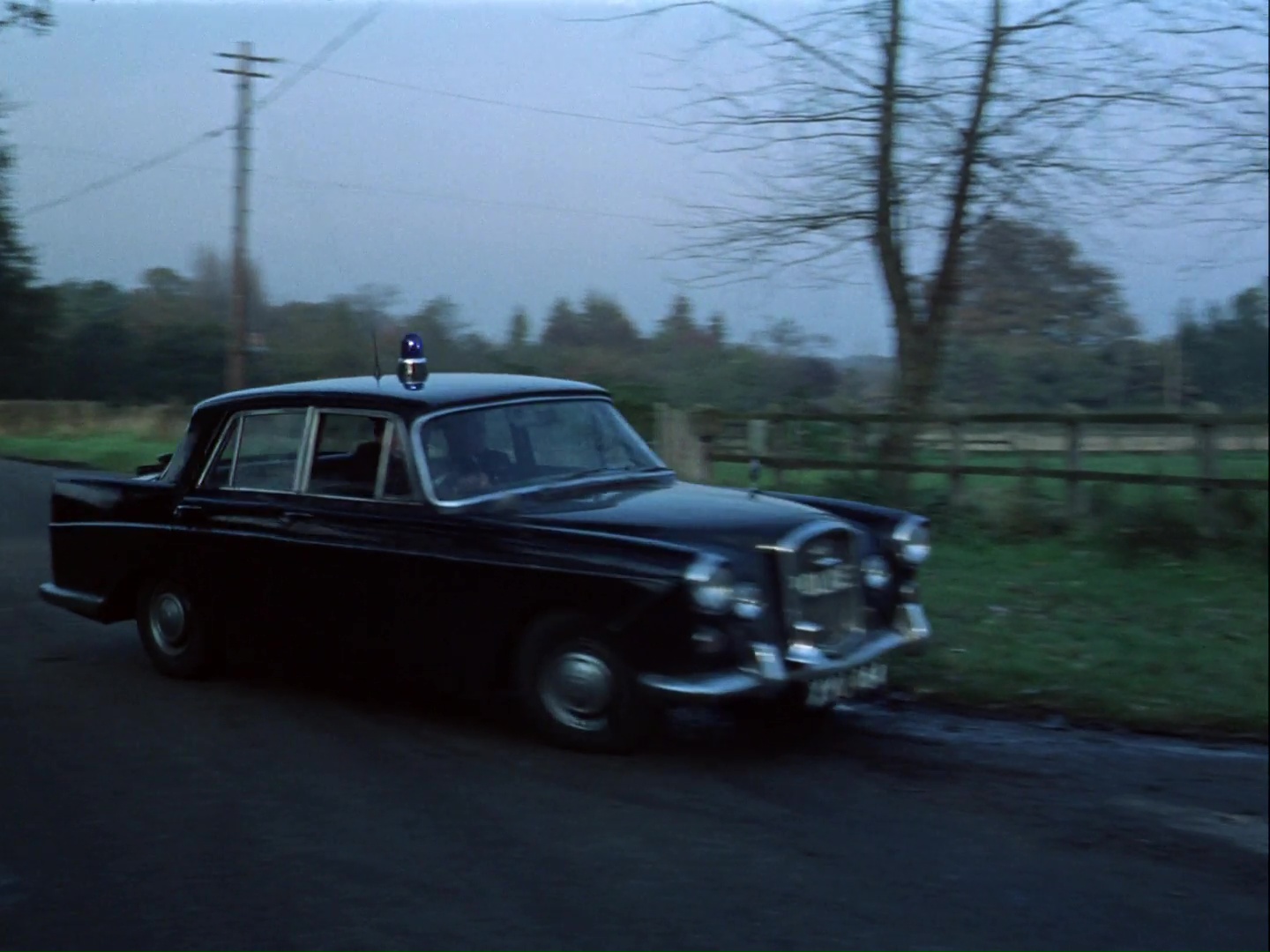
And as Gabriel leaves the farm, a police car arrives to round up the crooks. But wait a minute. I recognise that police car. Yes. It has the same number plate as the police car from the first episode – the one which stopped Father Unwin for speeding and caused the Unwinese scene which prompted the apocryphal story of The Secret Service’s untimely cancellation at the hands of the all-powerful Lew Grade. We’ve already discussed how unlikely that story actually is, but my word is it poetic that in the final moments of the final episode, the very same police car turns up to haunt us once again from that infamous scene. It’s OBVIOUSLY just a coincidence because the crew only had one police car available to use for the series – but boy is that spooky.

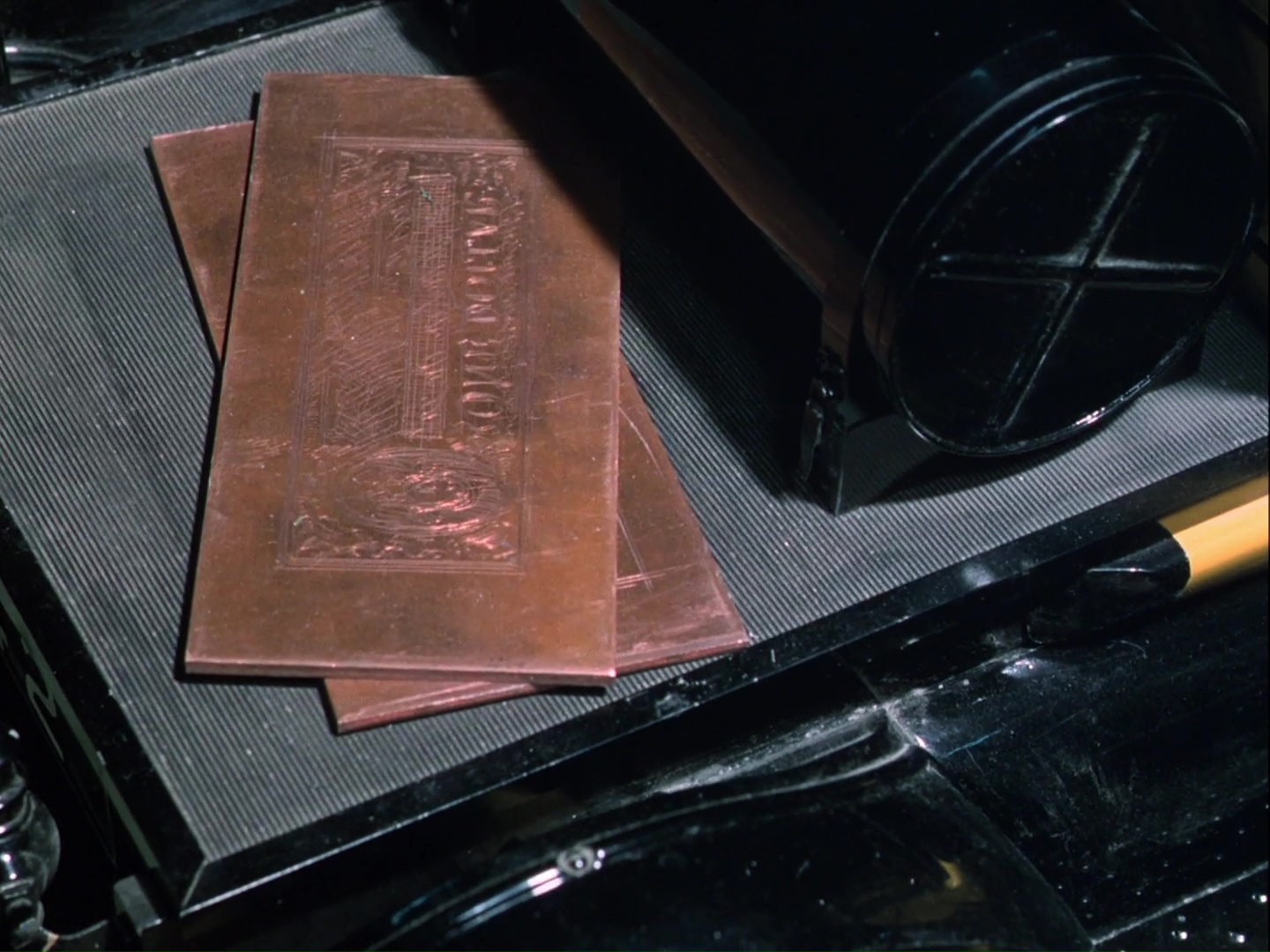
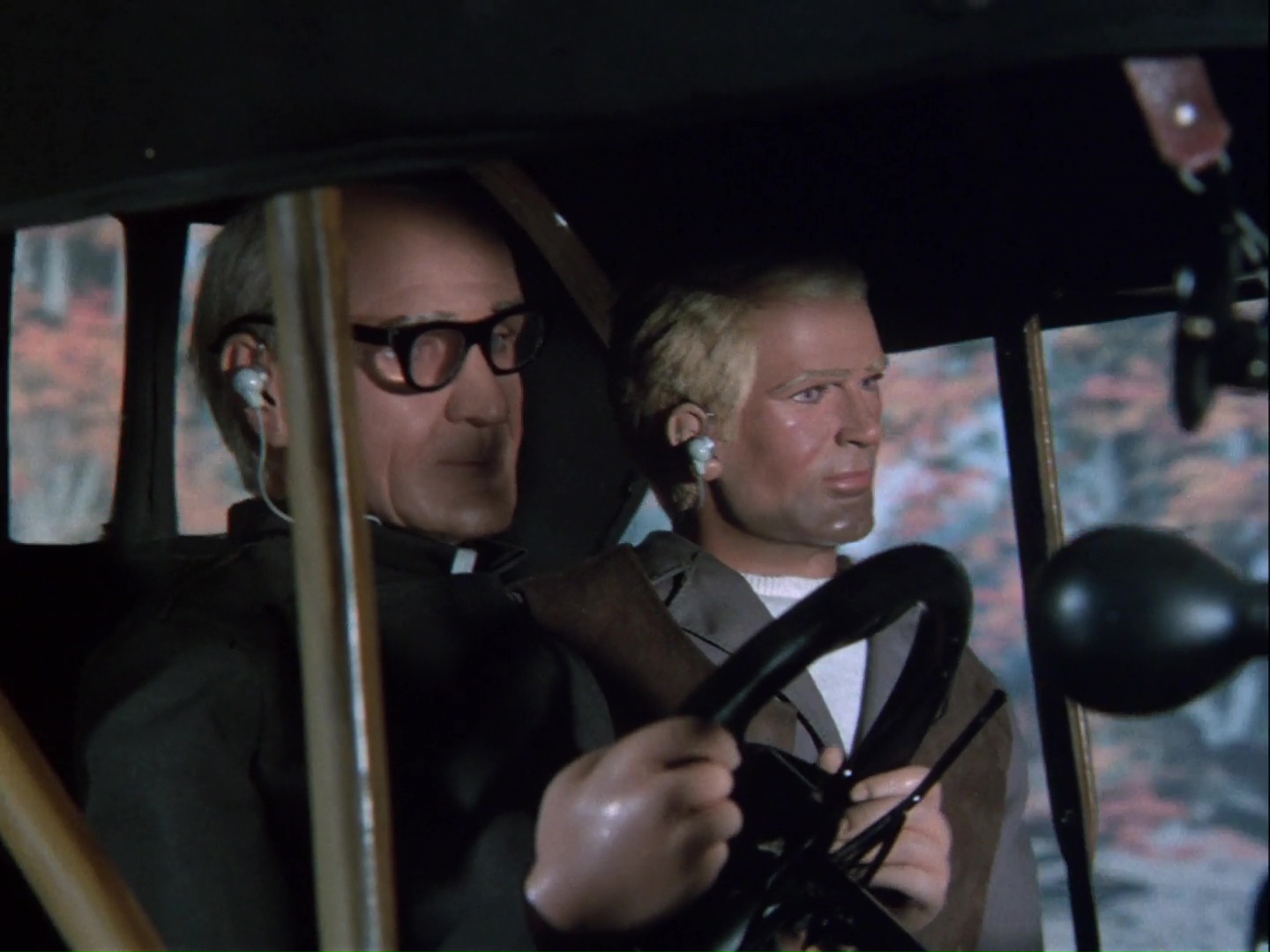
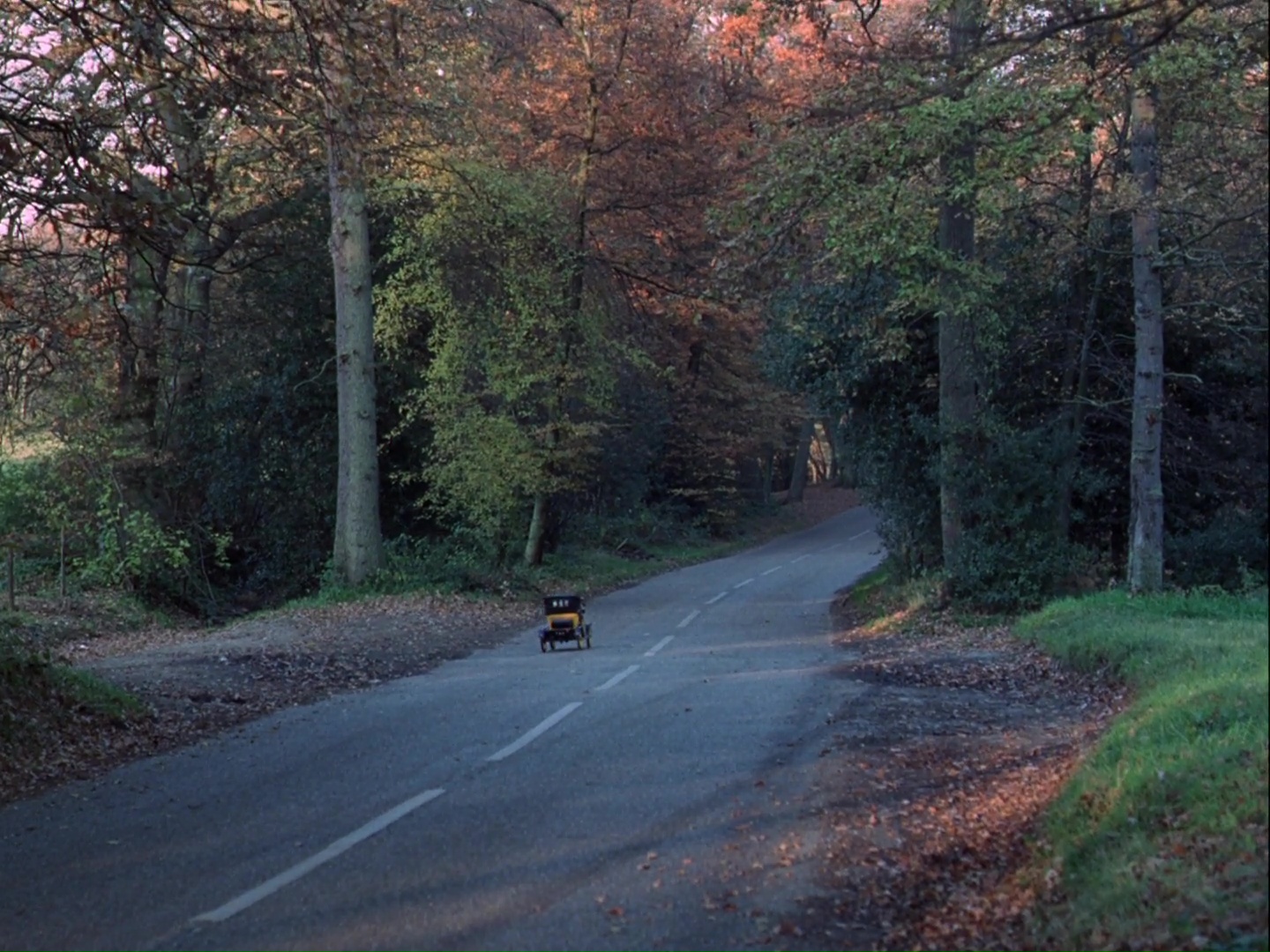
With their mission truly completed, our tiny heroes head for home. Pitch perfect stuff. Every bit of it.

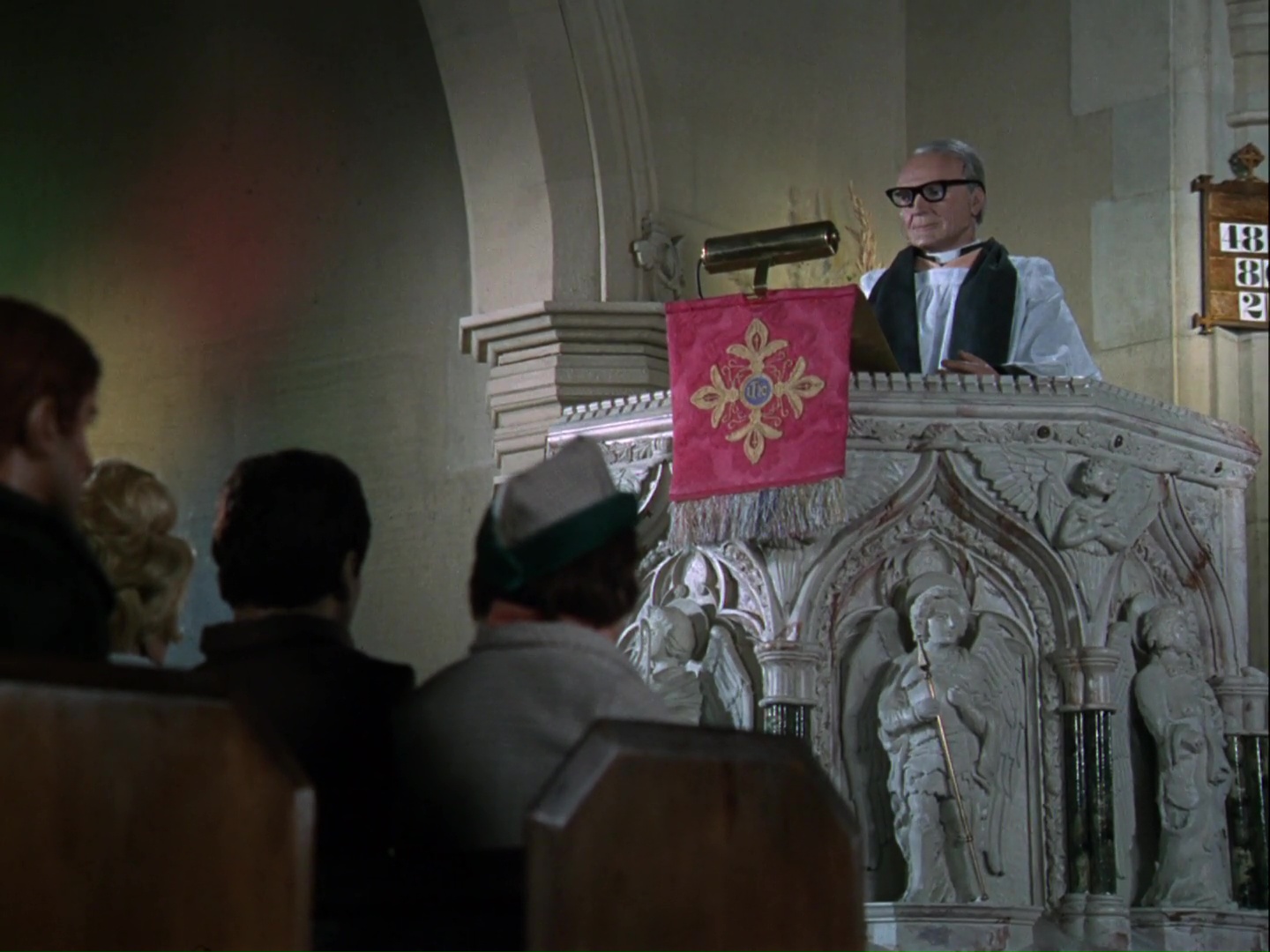
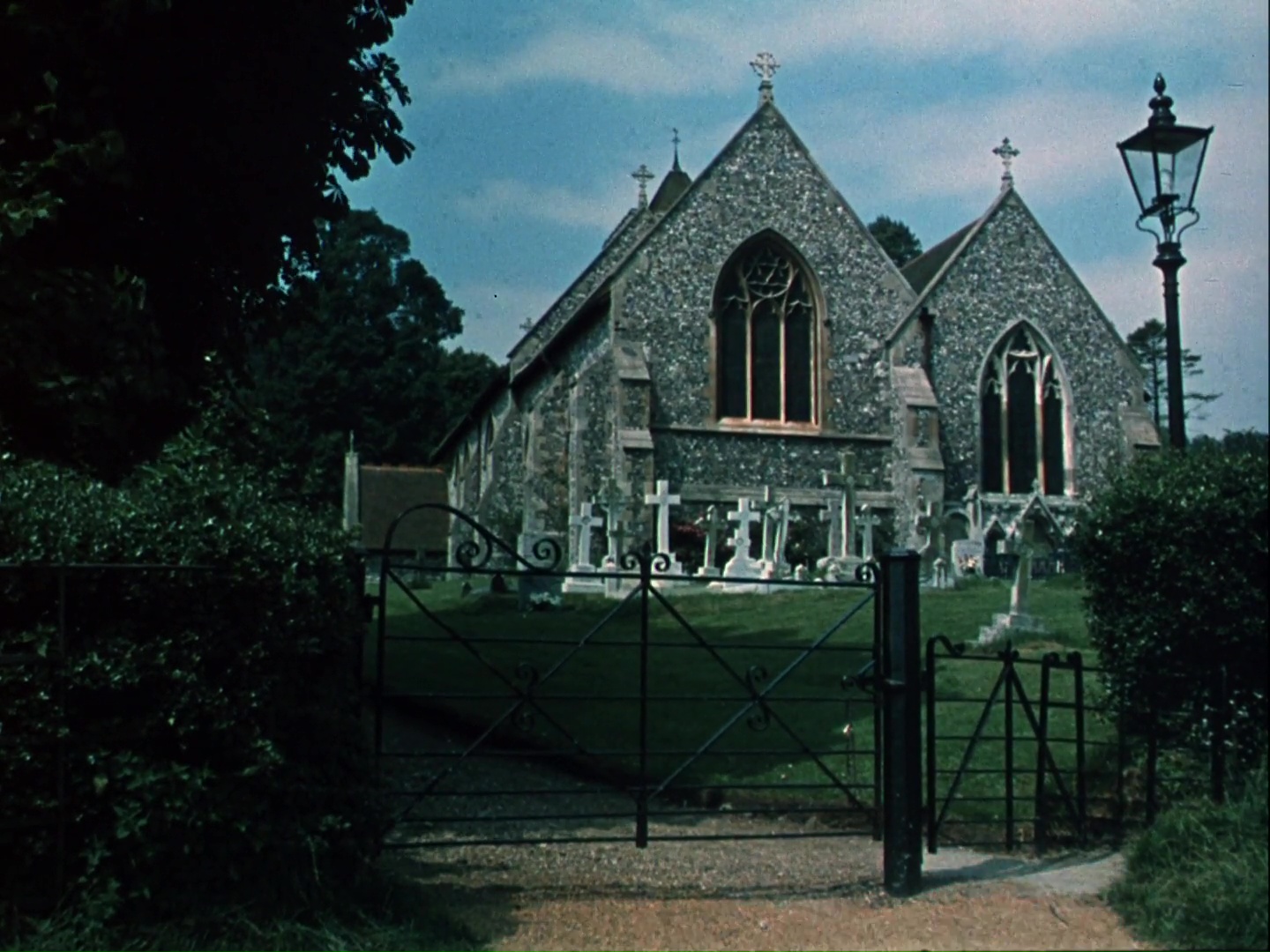
The episode probably didn’t need a sermon to end it since that last shot of Gabriel driving off into the distance would have been a perfect close to the series, but it’s appropriate I suppose that Father Unwin finishes the show on his own turf. He teaches his congregation about the tortoise and the hare. “Slow and steady wins the race.” A neat summary of Unwin’s approach to life in general, and one which we can only imagine he applied to all his future adventures in the service of humanity… secretly or otherwise.
If you couldn’t tell, More Haste Less Speed is easily my favourite episode of The Secret Service. It’s a magnificent production which is packed full of humour, great characters, terrific action, and a satisfying conclusion. As I’ve mentioned, my only real criticism is that it probably would have been fitting to have seen more of Matthew and Father Unwin, but for the sake of telling a good story I can appreciate why they were sidelined.
I can’t help but reflect on my reviews of the earlier episodes, where I had a creeping sense that the Century 21 crew weren’t really enjoying what they were making. The modelwork lacked drama, the balance between live-action and puppetry was clearly a hindrance more than a help, and the stories felt like a desperate attempt to get back to the conventional Supermarionation adventures of Joe 90 without really knowing how to fit the main characters into them.
Over time, I suspect as Tony Barwick’s vision for the series as script editor overtook the vision dictated by Gerry & Sylvia Anderson’s script for the pilot, things got better. The less successful elements of the format began to step out of the spotlight, and make way for some new ideas. Humour and dramatic tension became a terrific partnership. Father Unwin became much more involved in his own missions, placing him front and centre as the hero of the series, however unconventional it may seem. In order to match the bizarreness of having a priest at the heart of espionage plots, those plots turned into highly creative scenarios based around charming little things like trains, golf, and flower shows.

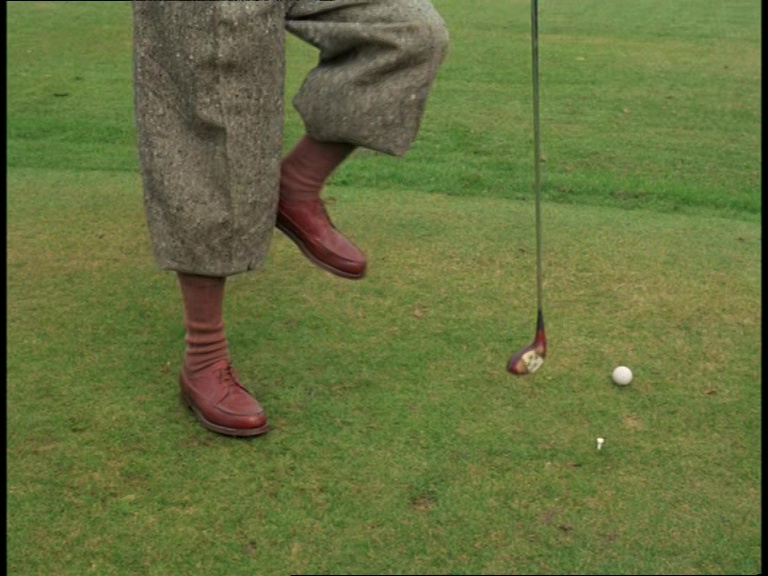
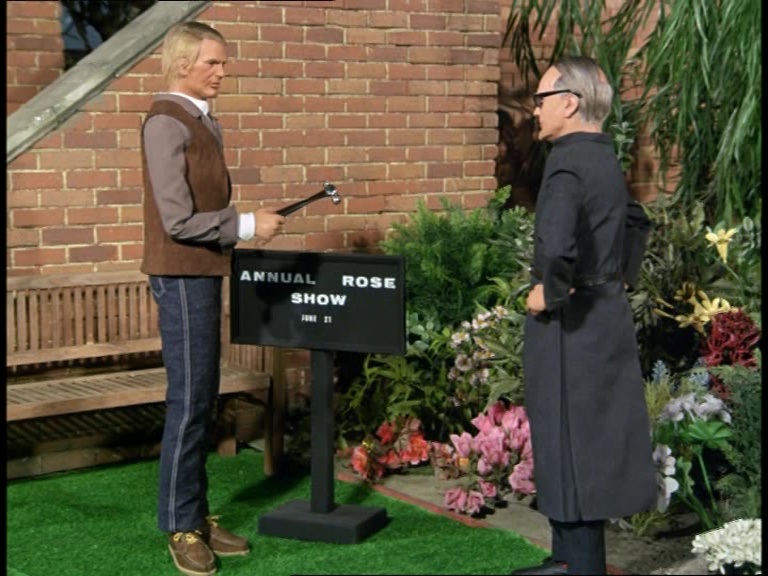
These subject matters presented the production team with some unusual challenges to get their teeth into. A Model T driving across a minefield. A gang of evil vicars trying to blow up a submarine. An exploding teddy bear. The unconventional became an inherent part of the series and gave this odd collection of characters room to be a bit silly at times without compromising the drama. And because all of this started to gel and flow more easily, I could sense the team at Century 21 were starting to rather love this charming little show. Suddenly, the ingenuity and hard work of the early pioneering days of Supermarionation started to appear on-screen again. Spectacular stunts and special effects transformed from minor plot incidents to big set pieces. Models and puppet characters became more richly detailed and filmed with pride and confidence rather than at a cold, remote distance. The love for the work is there in pretty much every frame of More Haste Less Speed.
Now then. Should the series have been recommissioned to continue for another batch of episodes? Well, as much as the crew might have been up for doing more, history shows that the people at the top were ready for something different. It seems that the Andersons had essentially moved on from The Secret Service as soon as they turned in their script for the first episode. The Secret Service could have gone on without them but the market wasn’t there, so neither was the investment. The Andersons wanted to commit all their energies to live-action projects, so that’s the direction the team were pivoted toward. Many of the crew stayed on to work on UFO but the puppet stages – the heart of Century 21’s operation – were gone for good when The Secret Service ended. While I think it’s fair to say the series was finally headed in the right direction creatively and the stories would have gone from strength to strength, I think the financial restrictions placed upon the first 13 episodes would have only intensified if production had continued through 1969, which almost certainly would have negatively impacted the quality of the finished product. Ending the Supermarionation decade on a high with More Haste Less Speed was a much better alternative than the clip show we probably would have gotten had the show limped on with no money behind it.
There are a few simple reasons that people offer up for the supposed failure of The Secret Service:
- Americans couldn’t understand it.
- The lack of tech and conventional heroes made the series unappealing to children.
- The Unwinese and live-action inserts made it too weird.
America
If there’s one thing that fans have heard over and over and over again in every book and documentary about the various Anderson series, it’s that the American market was key to the success of the shows. Lew Grade needed to make a sale to a major US network for every show AP Films and Century 21 made in order to justify the enormous budgets it took to keep making a particular series. If a series failed to achieve a US network sale, Lew Grade would insist that the Andersons start work on a completely new series straight away. In order to stand a chance of competing with homegrown US television, the Andersons injected every aspect of their Supermarionation series with as much American influence as possible from the voices all the way down to the spelling of words in the scripts. So, when Joe 90, and then The Secret Service became more British in their choice of settings and characters, it’s easy to point at that and say – “well, that’s the reason the popularity declined – it became less American and too British.”

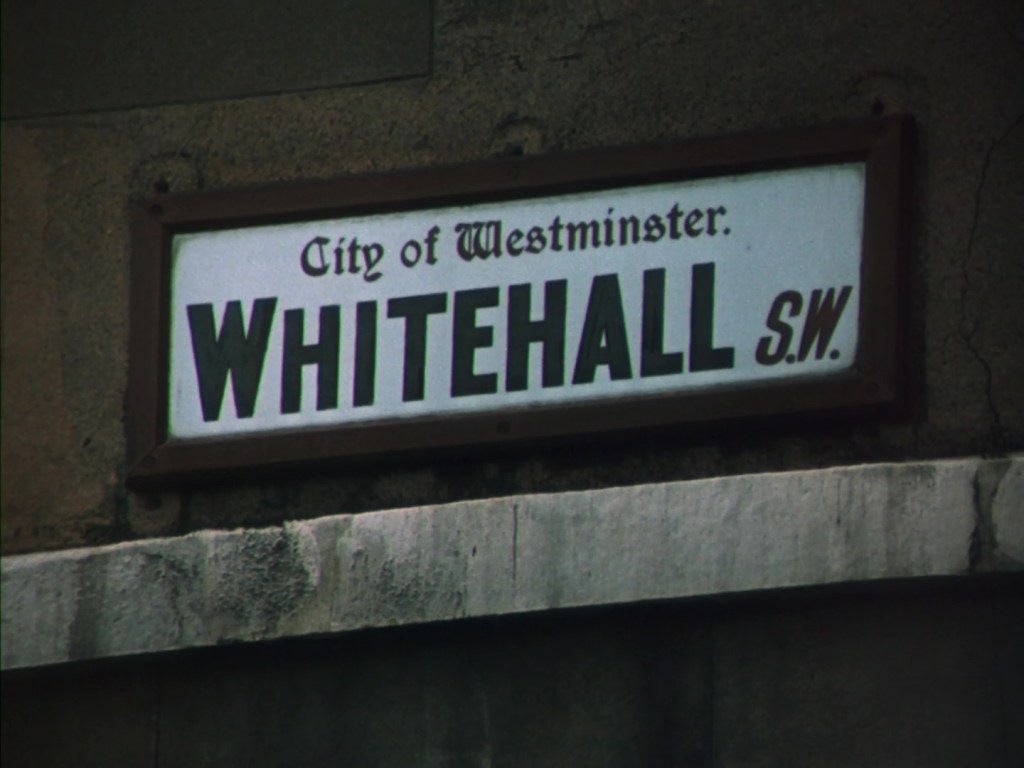
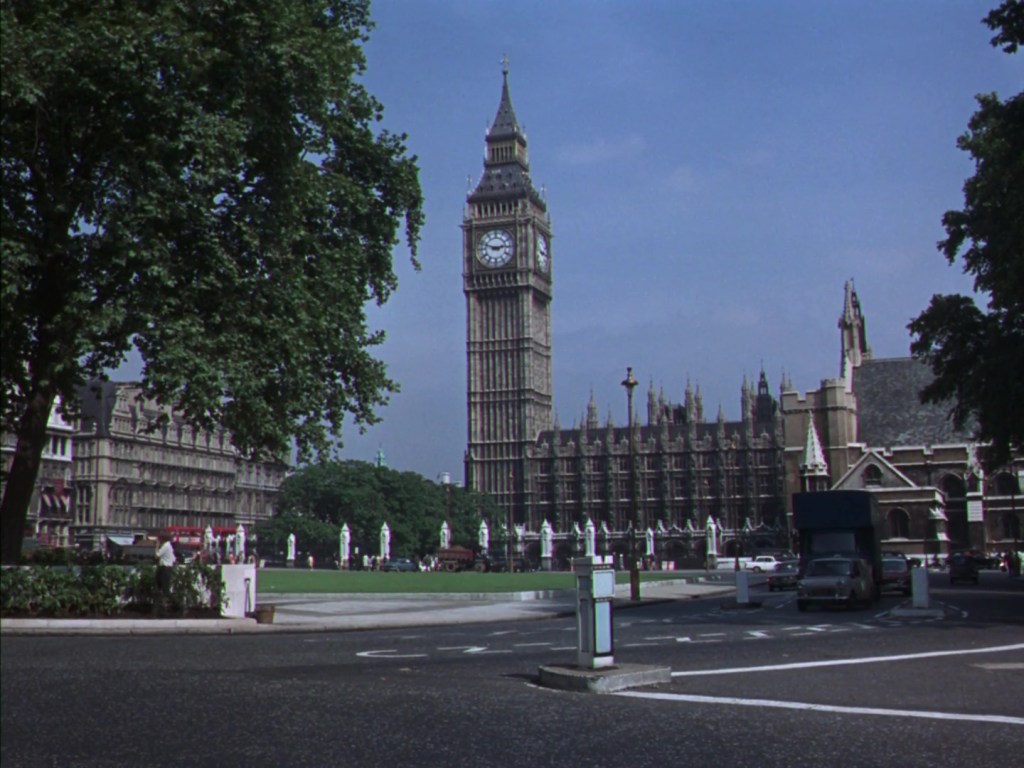
I don’t buy that. I don’t think it was an accident that the Anderson series suddenly became less “American” in the latter half of the Supermarionation era. Fireball XL5 was sold to NBC in a deal so big it prompted Lew Grade to buy AP Films, upgrade the studios to colour, and keep making bigger and better shows. But then the network sales stopped. Fireball was the only show to actually manage it. Clearly, the Andersons knew how to make their shows American enough and if that strategy had actually been successful, they would have kept doing it. But it wasn’t, so they didn’t. The lower budgets offered to Joe 90 and The Secret Service by ITC reflected this move. Instead of trying and failing to compete with the Americans at their own game to justify the series’ enormous budgets, why not reduce the budgets and just try to make a show that’s popular with British audiences which might also happen to be a cult hit with US audiences in syndication?


I think folks forget that money was THE motivating factor behind most of the decisions AP Films and Century 21 took. The Andersons were businesspeople who happened to be amazing creative forces. When Thunderbirds failed to get the funding it needed to continue from an American network sale, they changed tactics and started making cheaper, half-hour shows which were less of a financial risk for Lew Grade. It’s only because the Century 21 team were so good at what they did that people don’t immediately notice the limitations they were up against.
So to say that The Secret Service failed because it couldn’t have possibly sold to America does the Andersons and Century 21 a disservice. Of course it wasn’t going to compete with American television. It wasn’t made to do that. It was made to keep the lights on at the studio, and to capitalise on the interest from the British audiences that had grown up loving every single Supermarionation series from the past decade and followed it fanatically.
Child Appeal
The children that had grown up with Four Feather Falls and Supercar in the early sixties were now becoming teenagers in the late sixties, in an age which challenged convention and was dealing with an economic decline. In 1969, broadcasting another Supermarionation series full of gadgets and handsome all-American heroes to make into toys for children would not have had the same effect that Thunderbirds managed to have in the UK a few years earlier. The ITV network was now saturated with Supermarionation shows filling up the requirement for children’s programming. In some regions, Supermarionation repeats were the totality of children’s programming. Children were well and truly catered for by the previous output of the Century 21 and AP Films studios. There was no gap in the market left by the time Joe 90 hit the airwaves in the small number of regions that even felt the need to purchase it straight away.
The Secret Service, therefore, doesn’t try to reach a children’s audience. Off-beat humour, unconventional heroes, and lessons in moral goodness are messages for the new age of young teenagers who were putting down their Thunderbirds toys and no longer buying their issues of TV21. People are right that satirical humour about civil servants or golfers or creepy aristocrats wouldn’t have landed with young kids watching, but it would have potentially been on the radar of young adults.
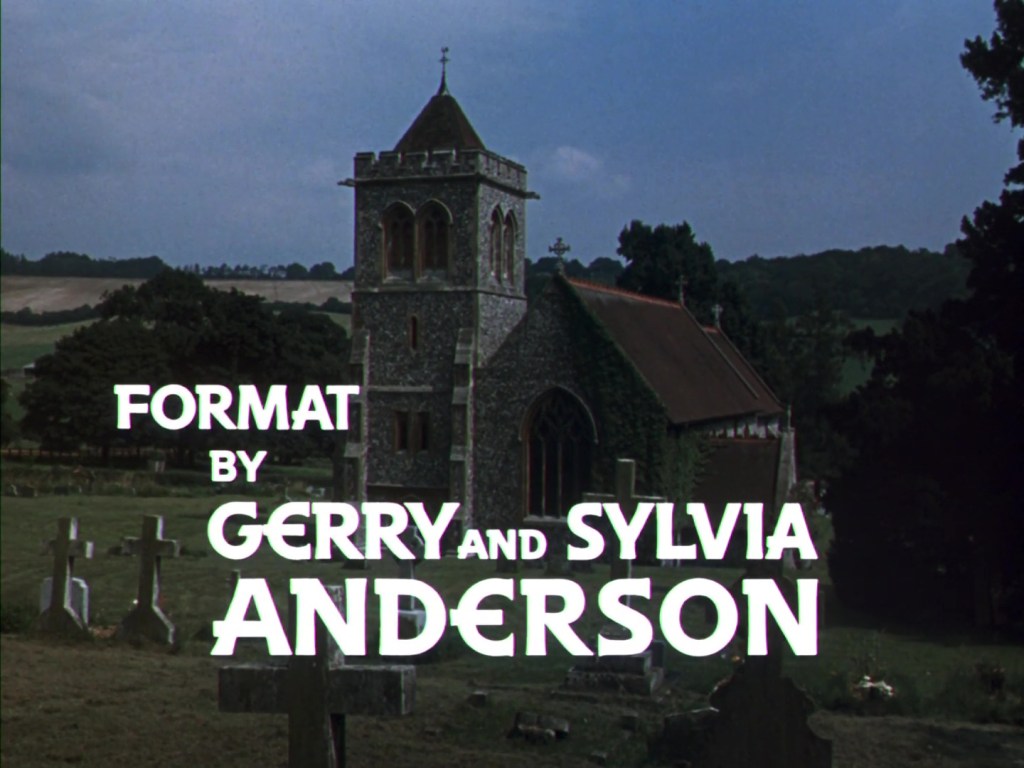

So, let’s suppose The Secret Service wasn’t made for children, but teenagers and young adults who were looking for something a little more grown-up from their earlier Supermarionation viewing experience. There was just one major problem. Broadcasters didn’t have a bloomin’ clue how to deal with that. As far as they were concerned, if it’s “A CENTURY 21 GERRY ANDERSON PRODUCTION FILMED IN SUPERMARIONATION” then it goes in the children’s slot – the slot that was already full up with earlier Supermarionation offerings. The reason only three regions ever screened The Secret Service in the UK was because, as far as the broadcasters were concerned, they didn’t need it. Never mind that the content probably wasn’t actually made to appeal to children – the children didn’t need more Supermarionation so they didn’t get it.
Of course, it may also have been naive of the Andersons to think that teenagers who grew up on Supermarionation would still accept those same puppets even if they were addressing more serious matters in a humorous real-world setting. As far as the rest of the world was concerned, puppets were for kids. Only the Andersons, their team, and dedicated fans were able to fully appreciate their potential for more dramatic, grown-up storytelling.
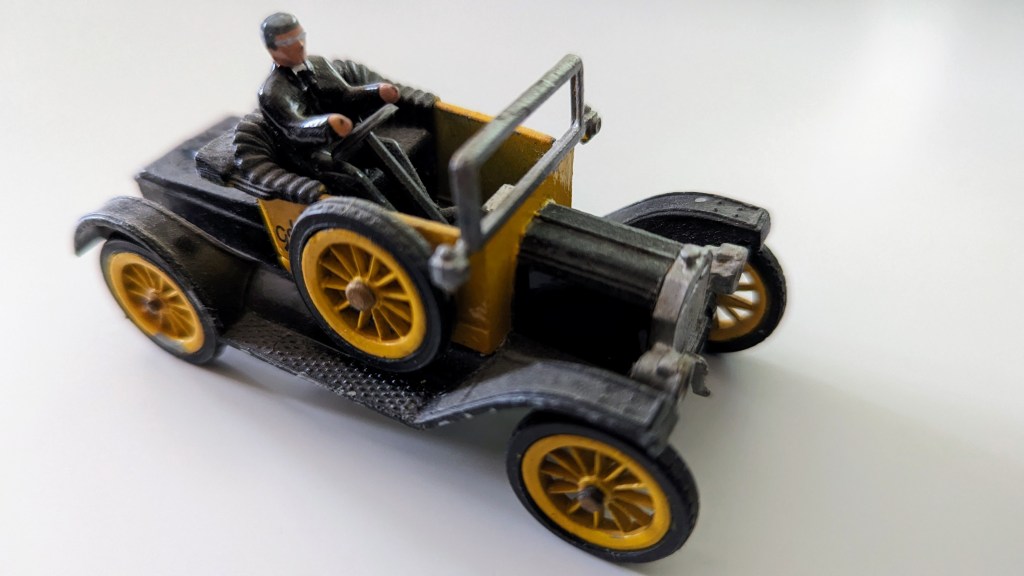
Dinky still went ahead and made a toy of Gabriel in line with their other Anderson products. Other manufacturers were less keen to pick up the licensing options for The Secret Service with just a couple of original novels, a set of sweet cigarette cards, and Countdown comic strips turning up on the merchandising front. What did emerge was probably marketed more-so on the fact it was an Anderson-related product, than being based on TV sensation The Secret Service.
Unwinese and Live-Action
I’ve placed these two factors together because I think they’re both a part of the same barrier to entry for the series that a lot of people have – it’s too weird. This is obviously a much more subjective issue. If you don’t find Stanley Unwin’s gobbledy-gook language funny, or find it annoying, or find it interrupts the flow of the stories too much, then you won’t like The Secret Service, or the fact that he was cast in the starring role in the first place. If you find the constant switching between puppets and live-action too jarring to the point that you can’t follow the story anymore, then you won’t like The Secret Service, and would also therefore object to the fact that Stanley Unwin was cast to be both a puppet and a human actor in the series.
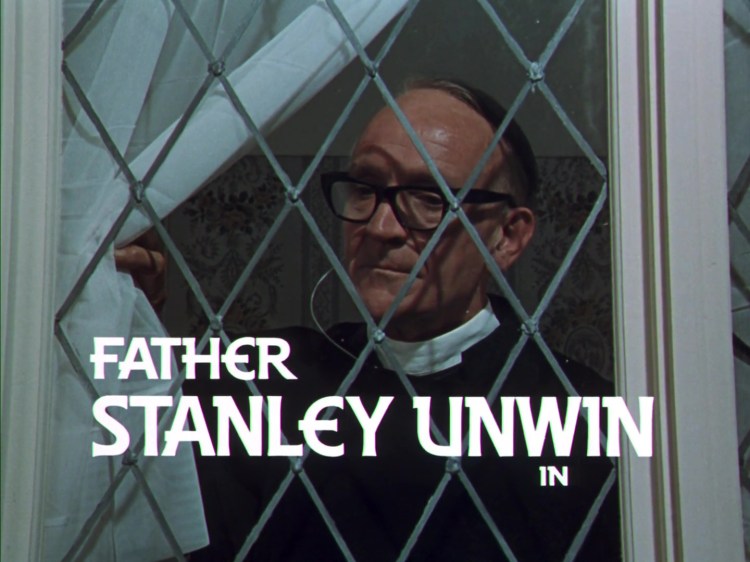
I can totally understand why viewers would hold those opinions. It is unconventional and it is going to be off-putting for Anderson fans who are used to the rules of Supermarionation, or TV audiences in general who are used to programmes strictly being made one way or the other. And I don’t doubt that the unconventional aspects of the series’ format and the way it was made did put a lot of people off and therefore prevent it from being an Anderson show that audiences wanted to revisit.
My only argument to those objections, which I’ve made many times throughout my reviews, is that Century 21 evidently became quite aware of how off-putting the series’ unusual quirks might be for some people. Choices were made as production went on to address those concerns one way or the other. The Unwinese took on a reduced role in the stories. Instead of stopping the action to have an entire scene dedicated to the gimmick as we saw in early episodes, little bits and pieces of Unwinese were slipped into regular dialogue or, in the case of More Haste Less Speed, removed altogether. The amount of live-action footage filmed for each episode also fluctuated. It had been used heavily in the first episode, but scaled back considerably afterwards when the scripts were better tailored towards using it sparingly. Also, as we’ve very definitely addressed with More Haste Less Speed, I think the production team started to lean into the inherent humour of switching back and forth between puppets and live-action when the mix was far from seamless. Century 21 got to grips with the series’ strange quirks and tried to turn them into entertainment, rather than cause for embarrassment. It didn’t work every time, but it would be foolish to suggest that everyone at the studio thought no-one watching would notice the switch.
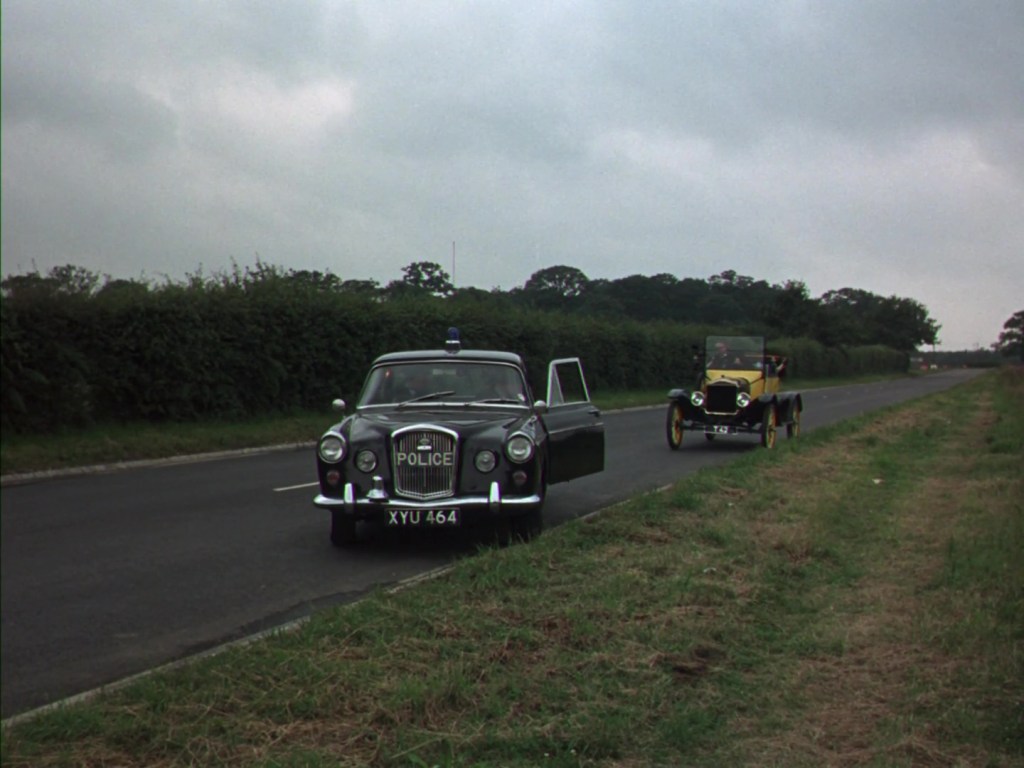
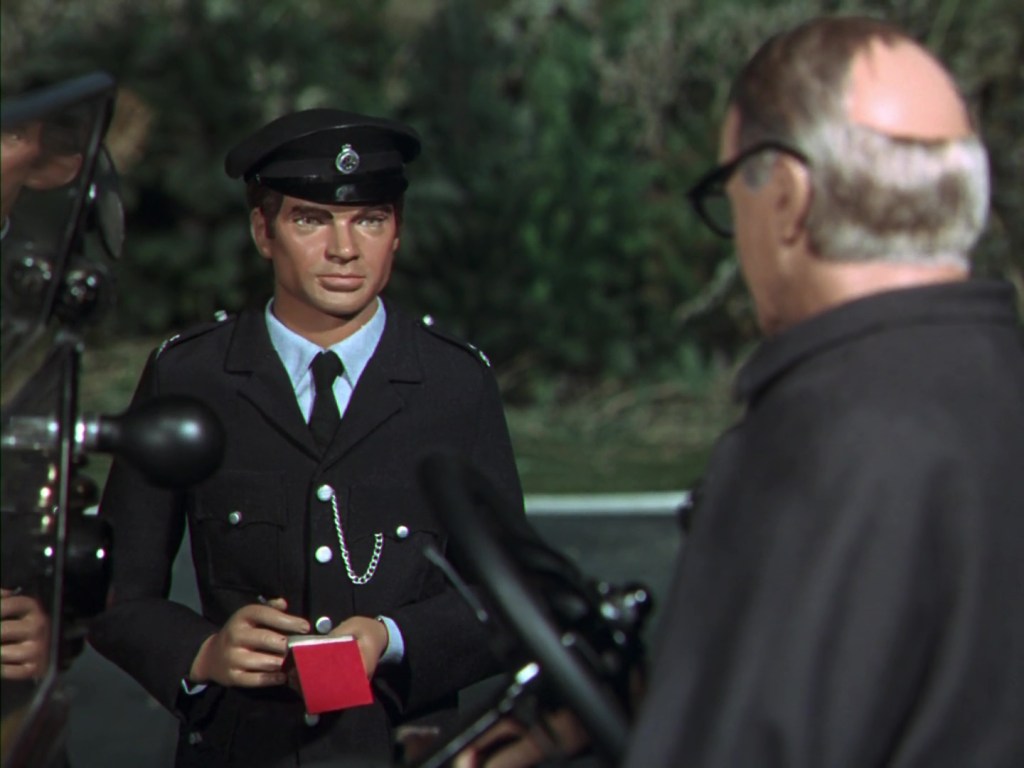
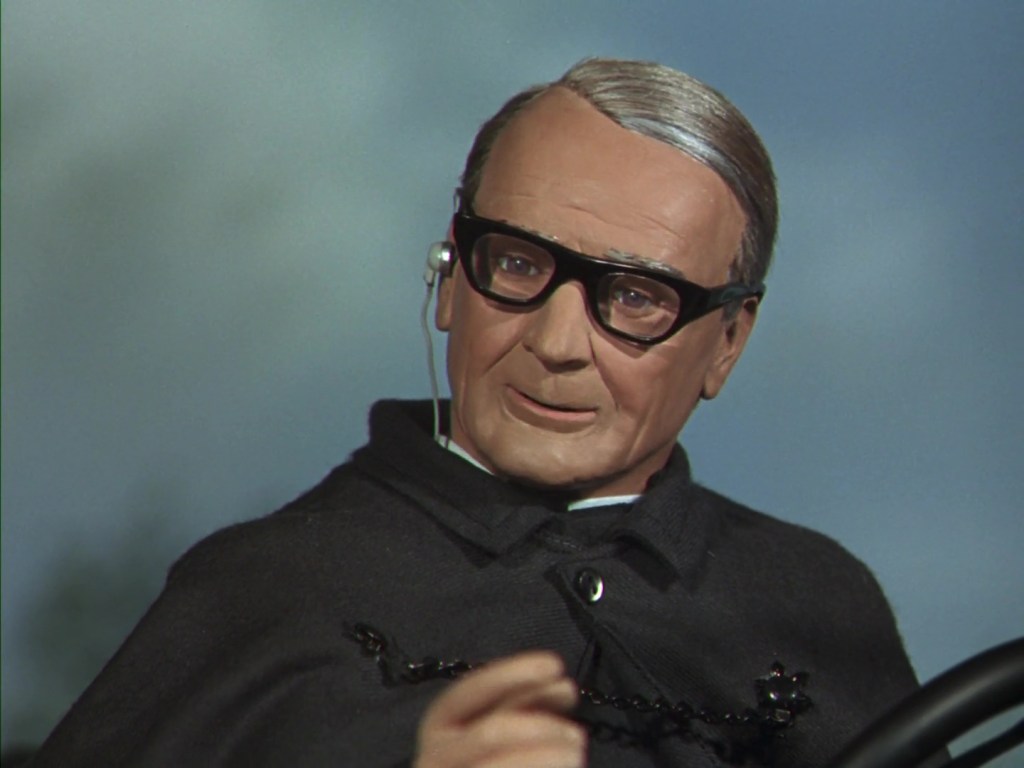
Would The Secret Service have worked better without the Unwinese or the live-action material? Since both were gradually embedded into the format of the show I think it’s fair to say The Secret Service would have been a different product without those elements. I don’t think an episode like More Haste Less Speed would have come about from a series which strictly followed the previously established rules of Supermarionation film-making. I think it came about because of the inherent limitations and qualities of the vision the Andersons had for making the series in a different way. So I can’t say whether it would have been better or worse without certain aspects, but I do believe it would have been more similar to the earlier series and probably more conventional. That isn’t what the TV market was demanding at the time, so that’s why Century 21 didn’t make it that way.
It also comes back around to budget. The live-action material was cheaper and more efficient to produce than all the work that had to go into achieving similar shots on the model stages. The premise of the whole series was constructed around accommodating this lower-cost approach. That’s why The Secret Service is set in contemporary England and not futuristic America. That’s why the star vehicle is a Model T and not a spacecraft. That’s why the show’s lead is a moderately famous comedy actor and not a Hollywood star. Thunderbirds had proven that going big didn’t necessarily equate to securing a huge network sale that made the expensive series financially viable. Going small and going cheap but making the best of it was a more sensible and reliable way of keeping the studios open and keeping people in work.
In the end, I think it’s fair to say being so tight with the cash ended up working against Lew Grade, because it stifled the creativity of the team and produced results which were ultimately harder to market, not easier. He learned that lesson, but still needed the Andersons to make a new series in a cost-effective way as they trudged towards the financial hardships of the 1970s, and that’s why UFO was filmed using live actors. It was a means of producing a bigger, more marketable series for teenagers and adults without the high costs of maintaining the specialised facilities of the puppet studios.

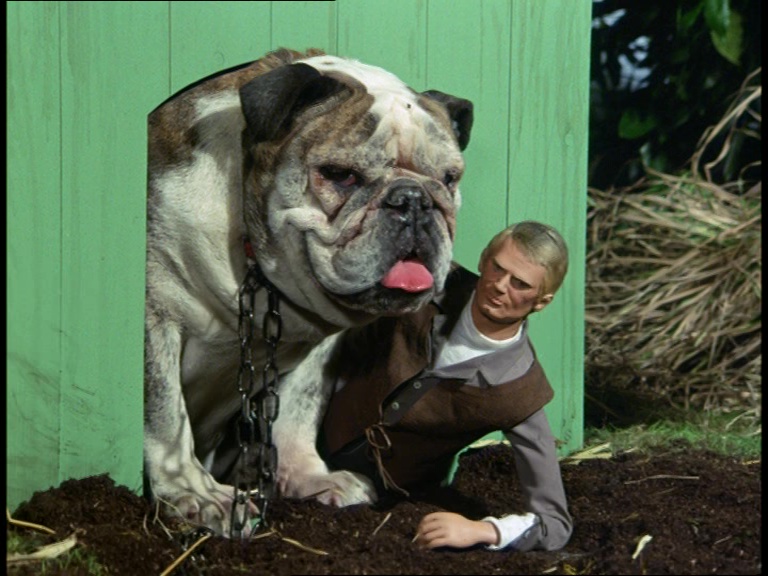
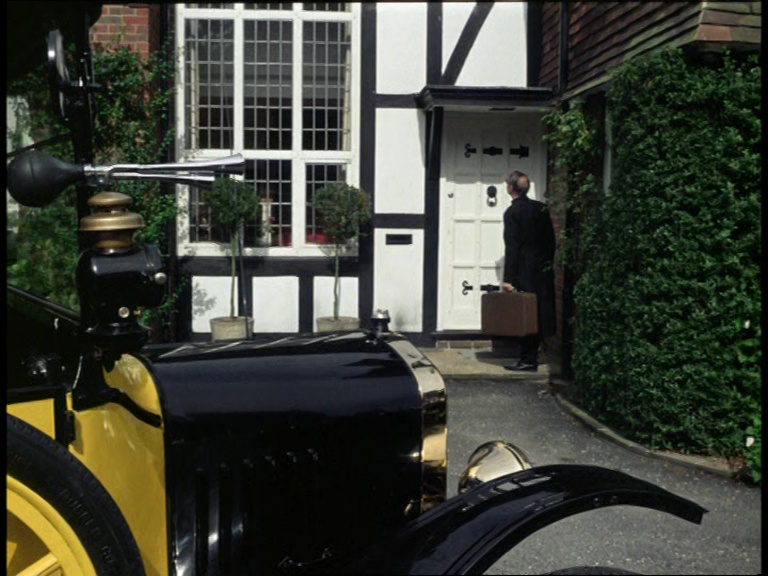
It’s sad, of course, but it helps to make some sense of all the stories and accusations people make about The Secret Service “killing off Supermarionation.” I don’t think it did. I think Supermarionation reached a natural conclusion once the British market was saturated by earlier products, and the US market indicated time and again that they weren’t prepared to put in the money that Lew Grade was asking for. The Secret Service was an attempt to transition into a more cost effective way of keeping the artform alive. As a finished product, I think it’s enormously entertaining and full of fresh ideas. It’s not perfect, but I had so much fun re-watching it and appreciating it for what it is. Of course I would have loved to see more, but I also understand not only why that didn’t happen, but why it was never likely to happen. There were too many clashing factors working against the series from the start which had nothing to do with the creativity or the quality behind the episodes themselves.

A few years later, the Andersons and a skeleton crew would try again to revive Supermarionation, and employed some of the same cost-effective methods of storytelling and production that were pioneered on The Secret Service. 1973’s The Investigator was a (hilarious) disaster, which failed to understand or capture the quality that The Secret Service had been committed to in its final efforts to keep Supermarionation alive. Meanwhile UFO, The Protectors, and Space: 1999 proved to be spectacular successes for the Andersons. They demonstrated that they could produce live-action television that looked amazing and could appeal to a wide family audience of all ages.
The Secret Service is a series worthy of reappraisal and it’s been a privilege for me to do that here on the Security Hazard blog. I want to say a big thank you to everyone who has followed along and shown their support over the past 13 weeks. This was quite a different endeavour from charting hits like Thunderbirds and Stingray. I had to dig much harder to research The Secret Service but I hope that those efforts have provided some insights and opinions that you might not have heard before. I encourage you to rewatch the series if you haven’t already, and also to support the official publication, The Secrets of The Secret Service Bookazine by Chris Dale which is due to be published soon by Anderson Entertainment. Chris is a phenomenal source of knowledge and has been happy to offer pointers to me while I’ve been working on these reviews. If you want a more refined, carefully written, digestible, and fun analysis of The Secret Service, the bookazine is definitely the way to go.
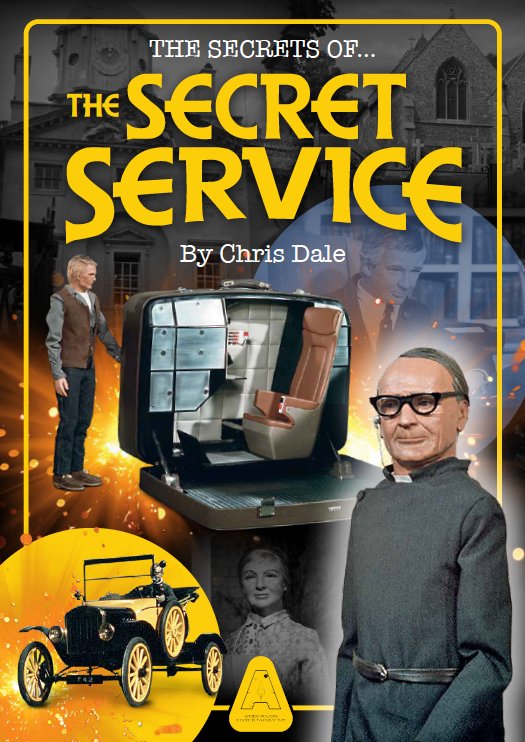
Many readers will know that 2023 has been a different year for me personally. The community which has built up around Security Hazard has been a part of what’s kept me going. It’s been incredible to see the enjoyment and enthusiasm for the blog continue to grow. Security Hazard has been a welcome distraction and given me a terrific sense of purpose during a time of reflection and self-evaluation.
Alas, such noble concepts don’t put food on the table alone. I’m eager to pursue writing more and if I had more than one of me to spare, I would keep one version of Jack working on Security Hazard, while the other version of me was developing new projects. But I’ve come to accept, much to the relief of the rest of the world, that there is in fact only one of me. For the remainder of 2023, I’ll be pausing writing new material for Security Hazard, and turning my attention to some of the other ideas which have been sitting on my to-do list for the past few months. Some are Anderson-related, some are even Security Hazard-related, while some are exciting new directions for my writing altogether. I hope that irritating teaser is enough to keep you subscribed to this blog because I can assure you that I will be back here with more before you know it.
What can you do to support the Security Hazard blog and get new things happening sooner? Well, I wouldn’t say no to even a small donation on Ko-fi. Thanks to the Ko-fi community, I’ve been able to pay my hosting fees for Security Hazard for this year. I’m determined to keep this blog free to all, so the paid content I post on Ko-fi is exclusively made up of sneak previews of what’s to come, and material that doesn’t have a home on the blog itself. Please consider donating a one-off tip or a recurring monthly amount so that I can continue to grow Security Hazard in the way that I have done this year.
Alternatively, a social media share can go a long way! With Twitter becoming X, Facebook becoming full of clickbait, and everywhere else not being particularly blog friendly, I’ve had a hard time spreading the word on my own in the social media sphere. So if you know some people who might like a blog about Anderson nonsense and nerdy levels of commentary and detail wrapped up in a humorous, irreverent package please share Security Hazard with them!
Finally, my dear brethren, my parting gift to you…
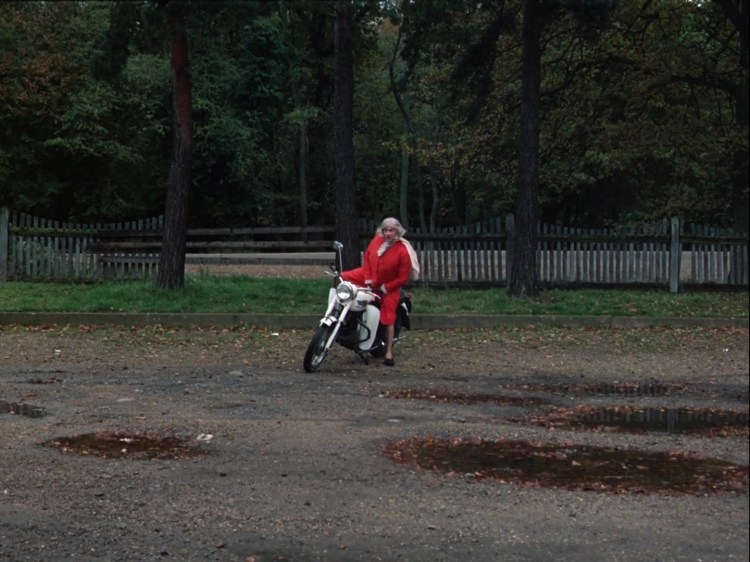
Tuck it between your legs like everyone’s watching. Goobye for now, and give my regards to the Bishop.

References
Filmed In Supermarionation Stephen La Rivière
Avengerland
Anthony McKay
Century 21 FX Unseen Untold
Alan Shubrook
The Buck Starts Here: How Money is Made
The Bureau of Engraving & Printing
BURNHAM BEECHES OUTDOOR POOL – 1930S/40S – 1983
Anne Green Jessel
More from Security Hazard

The Secret Service – 1. A Case For The Bishop
A bizarre mix of Supermarionation and live-action which was cancelled after 13 episodes because Lew Grade didn’t like Stanley Unwin’s gobbledygook. That’s the history of…
Keep reading

The Investigator – Part 1
“This is the voice of Lew Grade, from a galaxy a million lightyears away – we have observed the cancellation of the The Secret Service…
Keep reading

Operation Anderthon Podcast Trailer
Starting Friday, October 18th, 2019 on the Security Hazard blog, a brand new podcast from Jack and his wife, Katherine, will begin!
Keep reading
The Secret Service © ITV PLC/ ITC Entertainment Ltd
 Security Hazard
I haven’t been commenting too much on these Secret Service analyses, but rest assured I’ve enjoyed every single one. Your mix of detailed examinations of scripts and production mixed with reviews of the stories is delightfully in-depth as always.
Can’t wait to see what eventually comes next!
LikeLike
Not a bad episode at all, did enjoy this finale.
LikeLike
div dir=”ltr”>Absolutely loved these reviews. A master class
LikeLike
This is my favourite episode of the Secret Service by far and I was really looking forward to this review (which did not disappoint, it was hilarious). I had not picked up on the fact that the leads take a secondary role / back seat to the villains but it has to be said the villains are so well portrayed and outlandish they really do carry the show though none are a character to root for, more to see what they would do next. It’s a caper, and that is what I like about it. I’d never caught on that Martha is a male puppet re-wigged and I’m trying to work out who see was in a previous puppet life? Is it Colonel Malner from Joe 90 International Concerto? The series is quirky and stand up against ITC output at the time (as I stated in episode 1) but it is also clear why it wasn’t renewed or developed. I like it though. Great Secret Service sermons Jack. Every Friday deep joy! At uttery words the more haste less speed of your reviews must deceive my eye bold!
LikeLike
This was a truly splendid review and retrospective of a series that, from the outset, was destined to be misunderstood and puzzled over for all its delightful weirdness. Your attention to detail, sense of humor, and enthusiasm made this a joy to read, and made me remember why I enjoyed The Secret Service in spite of how uncoventional it is. Somehow, it feels like the natural conclusion to the age of Supermarionation. That last episode feels bittersweet because it’s the end of an era, but it’s far more sweet than bitter because of how much fun everyone was clearly having. Pulling out all the stops and making magic is what Supermarionation is all about.
Brilliant work! I hope you enjoyed writing this as much as I enjoyed reading it!
LikeLike